
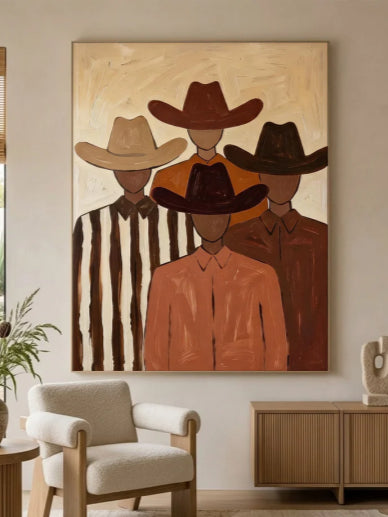
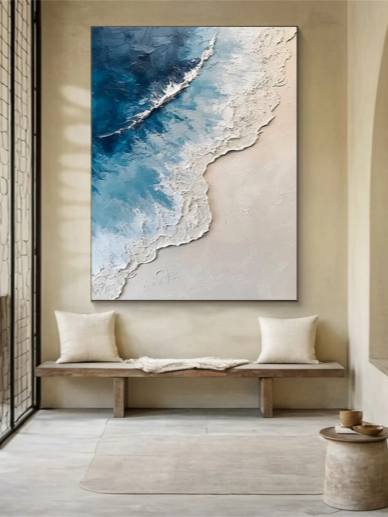


An empty wall can make a room feel incomplete, even when your furniture and decorations are already in place. Many homeowners face the same challenge: how to fill empty wall space without making the room feel crowded?
The solution is not simply adding more items to a wall. Good wall decor is about creating balance, adding personality, and choosing pieces that match the size, style, and purpose of your space.
Many people find it difficult to decorate blank walls because they are unsure about choosing the right size, avoiding visual clutter, and finding affordable ideas that still look stylish. From oversized artwork and gallery walls to functional storage solutions and DIY projects, there are many creative ways to turn an empty wall into a beautiful and meaningful part of your home.
In this guide, we’ll share practical and inspiring ideas to help you transform blank wall space in any room.
Start by Understanding Why Your Wall Feels Empty
Before choosing decorations, it helps to understand why a blank wall bothers you in the first place.
A large empty wall often creates a visual imbalance. For example, a long sofa placed against a completely bare wall can make the furniture look disconnected from the rest of the room. Similarly, an empty dining room wall may make the space feel unfinished, even if everything else looks beautiful.
Many homeowners struggle with similar questions:
- Should I choose one large artwork or several smaller pieces?
- How do I decorate a large wall without spending too much money?
- How can I make the room look stylish but not overdecorated?
- What works best for a rental home?
The answer depends on your wall size, furniture placement, and personal style. Instead of filling every empty area, focus on creating a balanced focal point.

12 Ideas to Fill Empty Wall Space
1. Add Large Wall Art as a Statement Piece
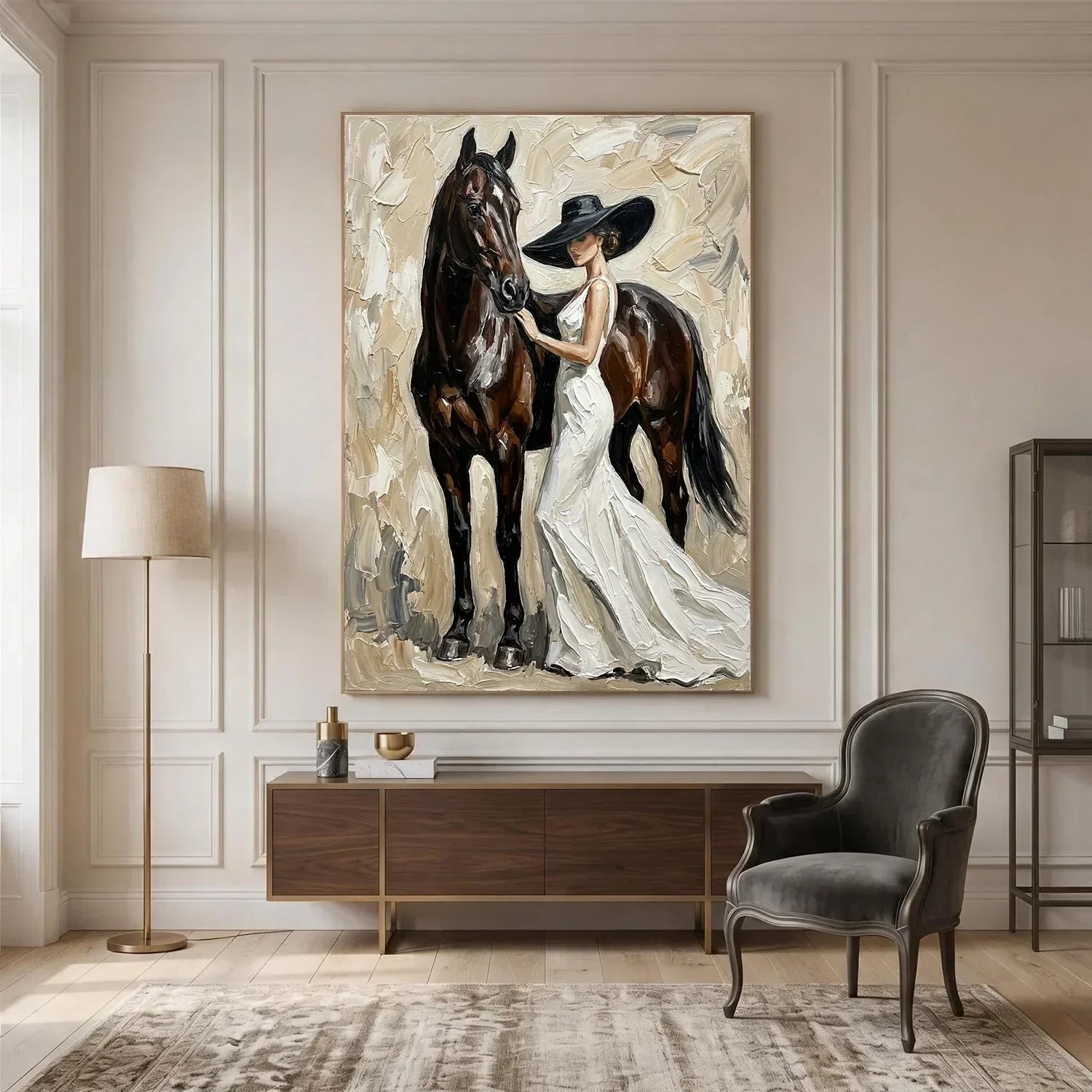
One of the easiest ways to fill empty wall space is by adding a large piece of wall art. Oversized artwork can instantly create a focal point while making the room feel more complete and balanced.
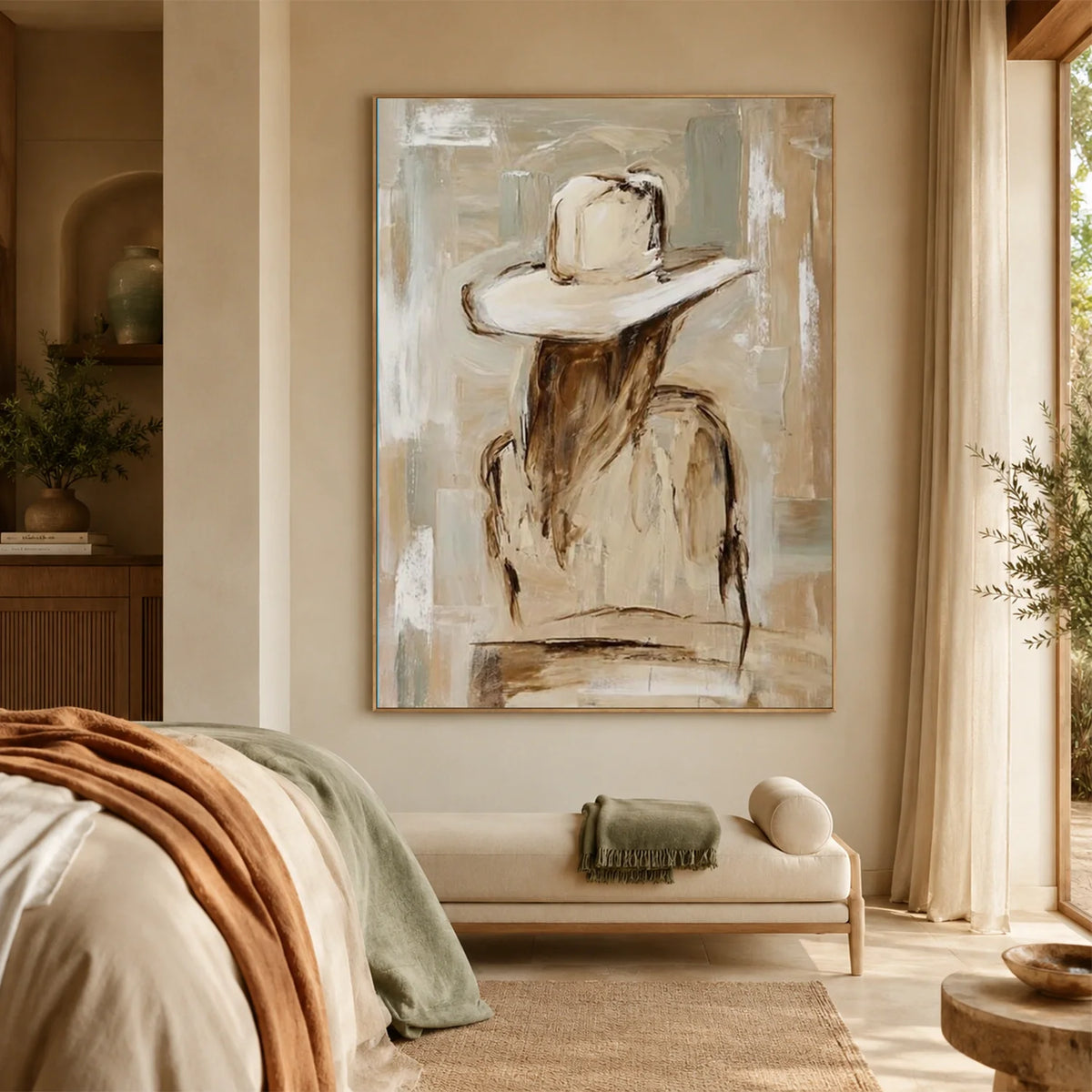
Many interior designers prefer one large statement piece over several small decorations because it creates a cleaner and more intentional look. Popular options include abstract paintings, textured canvas art, minimalist artwork, and large framed prints.
When choosing artwork, consider the size of the furniture below it. A common guideline is to choose wall art that is around two-thirds to three-quarters of the furniture width.

2. Create a Gallery Wall
A gallery wall is a great option if you want your wall decor to feel more personal. Instead of using one large piece, you can combine different items such as family photos, artwork prints, vintage posters, and personal collections.
The key to making a gallery wall look polished is choosing a consistent style. Similar frames, a shared color palette, or a specific theme can help different pieces feel connected.
Before hanging everything, arrange the pieces on the floor first to find the best layout. This small step can help you create a balanced design and avoid unnecessary adjustments later.

3. Install Floating Shelves for Style and Function
Floating shelves are a practical way to fill empty walls while adding storage and display space. They work especially well in living rooms, bedrooms, kitchens, and home offices.
You can decorate shelves with books, plants, ceramic pieces, candles, or small artwork. The key is to avoid overcrowding. A mix of different sizes and textures will create a more natural and stylish look.
Floating shelves are also a flexible choice because you can easily update the display as your style changes.

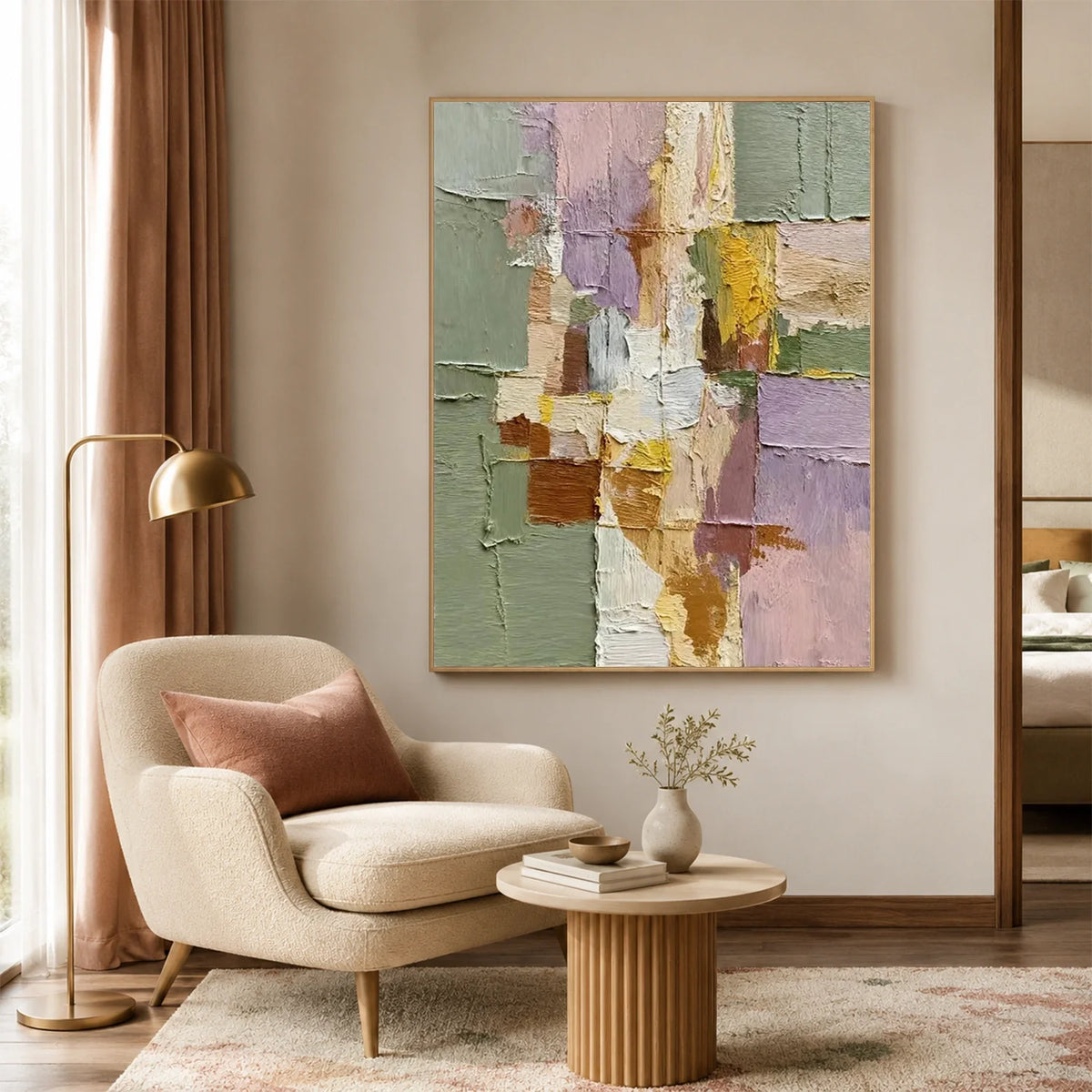
4. Add Textured Wall Art for More Depth
If a room feels flat or lacks warmth, textured wall art can add depth and character. Unlike traditional prints, textured artwork creates dimension through raised surfaces and handmade details.
Popular styles include:
- 3D textured paintings
- Plaster art
- Wabi-Sabi inspired artwork
- Handmade canvas pieces
Textured wall art works especially well in minimalist and modern interiors because it adds visual interest while maintaining a clean and calm atmosphere.

5. Use Mirrors to Make the Space Feel Larger
A large mirror can do more than decorate an empty wall. It can reflect natural light, make a room feel bigger, and create an elegant focal point.
Round mirrors, arched mirrors, and wood-framed mirrors are popular choices for entryways, bedrooms, dining rooms, and hallways.
For the best effect, place mirrors where they can reflect something attractive, such as a window, artwork, or greenery.

6. Bring Nature Indoors With Wall Plants
Plants can make empty walls feel warmer and more inviting. Wall-mounted planters, hanging plants, and plant shelves add natural texture while creating a more relaxed atmosphere.
Greenery works especially well with neutral colors and natural materials like wood and linen. If maintaining plants is difficult, realistic artificial plants can also provide a similar decorative effect.

7. Try Large Tapestries or Fabric Art
For renters or anyone looking for an easy decorating solution, tapestries and fabric art can be a flexible option.
They are affordable, easy to install, and can cover large areas while adding softness and texture. This makes them especially useful for oversized blank walls where large artwork may be expensive.

8. Add Wall Panels or Architectural Details
If you want a more permanent transformation, wall treatments can completely change the look of a room.
Popular options include:
- Wood slat panels
- Decorative molding
- Board and batten walls
- Textured wall panels
These details add character and make a simple room feel more customized without requiring lots of additional decorations.

9. Turn Your Wall Into a Functional Space
Sometimes the best way to fill empty wall space is to make it useful.
In a home office, you can add shelves, pegboards, or inspiration boards. In the kitchen, open shelving or hanging storage can combine decoration with function. In bedrooms, wall-mounted lighting or floating nightstands can save space while adding style.
Functional walls are especially useful for smaller homes where every area needs to serve a purpose.

10. Display Personal Collections
Empty walls are also a chance to showcase your personality. Instead of choosing generic decorations, consider displaying meaningful items such as travel souvenirs, vintage collections, books, musical instruments, or handmade pieces.
Personal objects often make a home feel warmer and more unique because they tell a story.

11. Create an Accent Wall With Wallpaper or Paint
If you want a bigger visual change, consider transforming the wall itself. Wallpaper, textured wallpaper, or an accent color can create a strong design feature without adding extra decorations.
An accent wall works especially well behind sofas, beds, or dining areas where you want to create a clear focal point.

12. Make a DIY Wall Decor Project
For a budget-friendly option, DIY wall decor can help you create something unique.
Simple ideas include:
- Creating your own abstract artwork
- Making a photo collage
- Framing fabric or wallpaper samples
- Painting simple patterns
- Creating handmade wall hangings
DIY projects are a great way to add personality while avoiding the cost of expensive artwork.

How to Fill Empty Wall Space in Different Rooms
Different rooms have different purposes, so the best way to fill empty wall space depends on the atmosphere you want to create. Instead of using the same type of wall decor throughout your home, consider the function of each room and choose pieces that complement the furniture, lighting, and overall style.
Living Room
The living room usually has the largest and most visible walls, making it the perfect place for statement decor. Since this is where family and guests spend the most time, the wall above the sofa or entertainment area often becomes the main visual focus.
Popular ideas include:
- Large artwork above the sofa: A wide painting or textured wall art piece can help balance the size of a large sofa and make the room feel more complete.
- Gallery walls: Combining different artworks, photos, or decorative pieces can add personality and create a more layered look.
- Floating shelves: Shelves allow you to display books, plants, and decorative objects while adding both style and function.
- Oversized mirrors: A large mirror can reflect light and make the living room feel more spacious.
For most living rooms, choosing one main focal point works better than adding too many small decorations.
Bedroom
Bedroom walls should help create a comfortable and peaceful environment. Instead of choosing overly bold decorations, many homeowners prefer artwork and decor that add warmth without making the space feel busy.
Good options include:
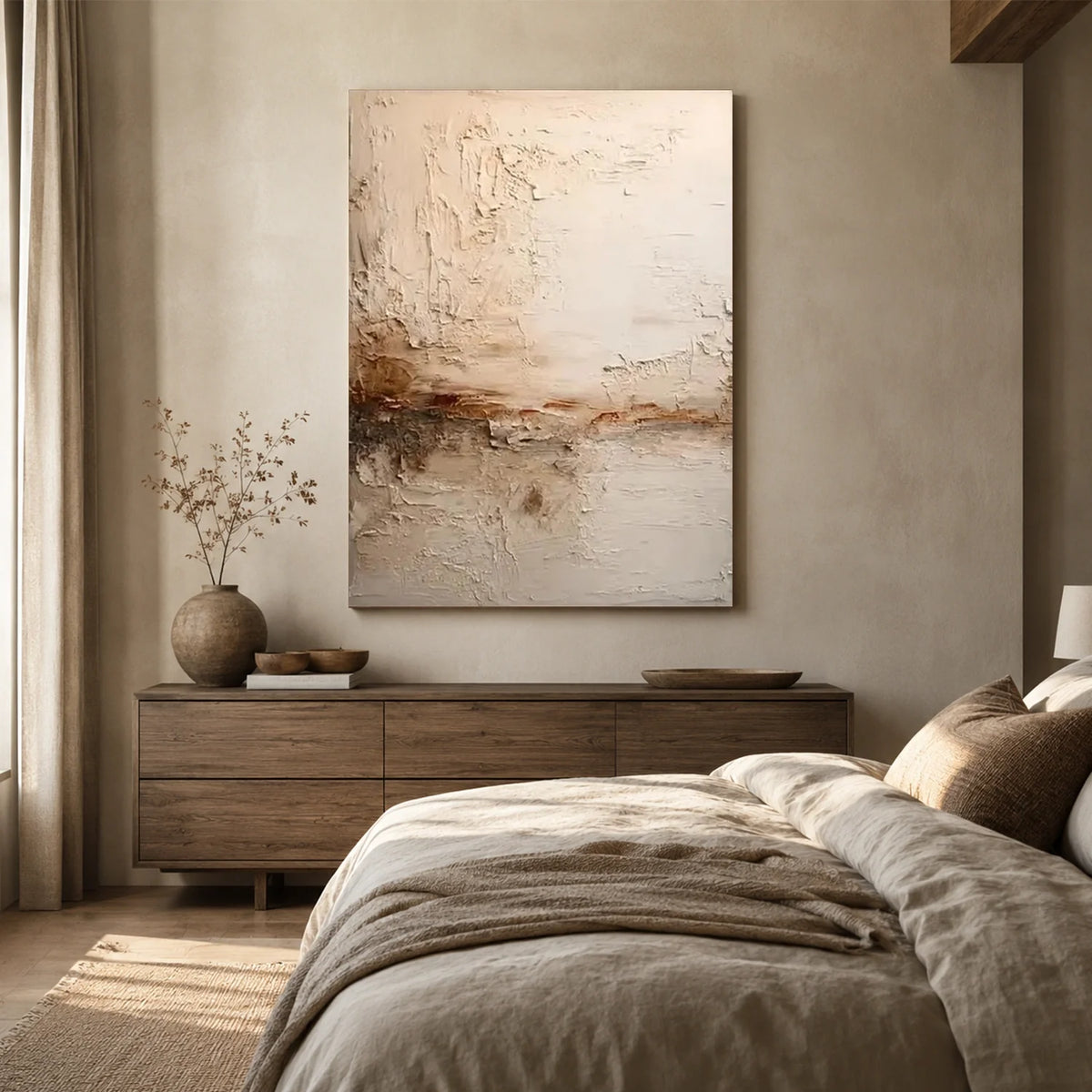
- Textured artwork above the bed: Soft textures and neutral tones can add depth while maintaining a relaxing atmosphere.
- Minimalist paintings: Simple abstract artwork can create a clean and modern look.
- Symmetrical wall decor: Matching artwork, wall lights, or shelves on both sides of the bed can create a balanced and organized feeling.
The wall behind the bed is usually the best place to decorate because it naturally becomes the room’s focal point.
Dining Room
The dining room is a space for gathering, so wall decor should create a welcoming and comfortable feeling. Artwork can help define the dining area and make it feel more intentional.
Consider:
- Large framed artwork: A statement piece above the dining table can create a stylish centerpiece.
- Decorative mirrors: Mirrors can brighten the space and make smaller dining rooms feel larger.
- Wall shelves: Shelves can display ceramics, plants, or decorative items that add personality.
When choosing dining room wall decor, consider the size and shape of your dining table to maintain visual balance.
Entryway
The entryway is the first area people see when entering your home, so even a small wall can make a big impact. The goal is to create a welcoming space without overwhelming the area.
Popular ideas include:
- A statement mirror: A large mirror can make the entryway feel brighter and more spacious while providing a practical function.
- A small gallery wall: A collection of artwork or family photos can add personality and make the space feel more inviting.
- Console table styling with wall art: Pairing a console table with artwork, plants, or decorative objects can create a complete and polished entryway look.
Common Mistakes When Decorating Empty Walls
Choosing Decorations That Are Too Small
One of the most common mistakes is choosing artwork that is too small for the wall. A tiny piece on a large blank wall can easily get lost and make the space feel unfinished. Always consider the size of your wall and nearby furniture when selecting decor.
Hanging Artwork Too High
Artwork that is placed too close to the ceiling can make the room feel unbalanced. Keep pieces around eye level and make sure they feel connected to the furniture below, such as a sofa, bed, or dining table.
Adding Too Many Items
Filling every empty space can make a room look cluttered. Instead of adding too many decorations, choose a few meaningful pieces and leave some breathing room to create a cleaner, more elegant look.
Ignoring the Existing Interior Style
Wall decor should match the overall style of your home. Consider your furniture, colors, and materials when choosing artwork or decorations to create a more cohesive and intentional space.
Final Thoughts
Learning how to fill empty wall space is not about adding more decorations—it is about choosing pieces that bring balance, warmth, and personality to your home.
Whether it is a statement piece of textured wall art, a meaningful gallery wall, or functional decor like shelves and mirrors, the right choice can transform a blank wall into a beautiful focal point.
If you are looking for handcrafted wall art, Eleanos Gallery offers a curated collection of minimalist and textured wall art designed for modern, Scandinavian, and Wabi-Sabi inspired interiors. Each piece adds unique texture and timeless style, helping you create a more personalized living space.
A well-decorated wall is more than decoration—it is a reflection of your style and the feeling you want your home to create.
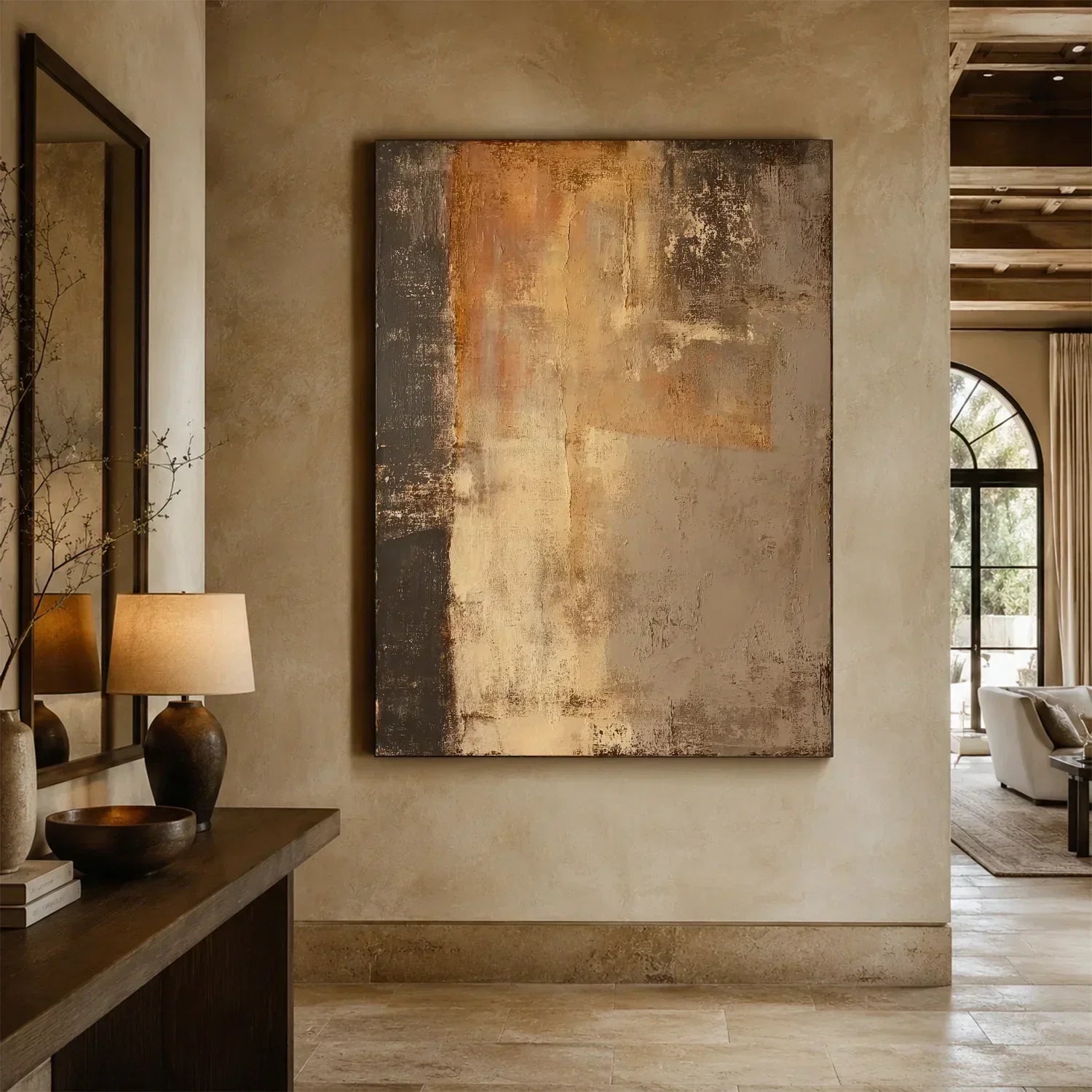




Leave a comment
This site is protected by hCaptcha and the hCaptcha Privacy Policy and Terms of Service apply.