



The living room is the heart of the home. It’s where we binge-watch our favorite shows, host friends for game nights, and unwind after a long day. But when your living room feels cramped, cluttered, or awkwardly arranged, it ceases to be a relaxing sanctuary.
Fortunately, you don’t need to knock down walls or hire an expensive contractor to gain more breathing room. Maximizing space is all about smart layout choices, strategic design illusions, and keeping clutter at bay.
Here is a clear, logical guide on how to maximize space in your living room without sacrificing your personal style.
12 Ways to Maximize Space in Your Living Room
1. Start by Ruthlessly Decluttering
The fastest way to create space is to remove things you don’t use. Evaluate your belongings by asking if they serve a purpose or improve the room's aesthetic. Donate or recycle items taking up real estate, keeping flat surfaces like coffee tables and media consoles clear to instantly open up the environment.

2. Choose Furniture That Fits the Room
Oversized furniture overwhelms a small room, while tiny furniture looks awkward. Select streamlined pieces proportionate to your square footage to keep pathways clear.
- Apartment-Sized Sofas: Feature a shallower depth and narrower arms to save precious inches.
- Slim Armchairs: Provide essential seating without blocking views.
- Round Coffee Tables: Eliminate sharp corners to improve foot traffic.
- Open-Leg Furniture: Sofas and consoles with raised, exposed legs let light pass underneath, creating a breezy, floating appearance.
 3. Invest in Multi-Functional Furniture
Every piece of furniture should serve more than one purpose to reduce visual chaos and maximize your layout.
- Storage Ottomans: Act as a footrest or extra seat while hiding blankets and board games inside.
- Lift-Top Coffee Tables: Elevate to desk height while revealing a deep storage compartment.
- Nesting Side Tables: Stack neatly together when you are alone but pull apart easily for guests.

4. Aggressively Utilize Your Vertical Space
When floor space is scarce, decorate and store upward. Using your walls keeps belongings organized without sacrificing walking paths and tricks the eye into thinking your ceilings are much taller.
Use floating shelves for books, wall mounts for your television, and decorative hooks to keep everyday items neatly organized off the ground.

5. Let Natural Light Flood the Room
Natural daylight is a powerful tool for making a compact room feel larger. Keep your windows completely clear, avoid blocking them with tall furniture, and swap out heavy drapes for light-colored, sheer curtains that filter sunlight throughout the entire space.

6. Strategically Position Mirrors
Mirrors bounce light and mimic architecture, effectively doubling the perceived depth of a room. For the best results, hang a single, oversized mirror directly opposite your primary window to capture the outdoor scenery and reflect natural light into darker corners.

7. Keep Your Color Palette Light
Dark colors absorb light and make walls feel like they are closing in. Stick to a cohesive palette of soft, light neutrals like crisp white, warm beige, light gray, and cream. You can still introduce your favorite pops of color safely through small accents like pillows, throws, or artwork.
 8. Choose Large Wall Art Over Tiny Frames
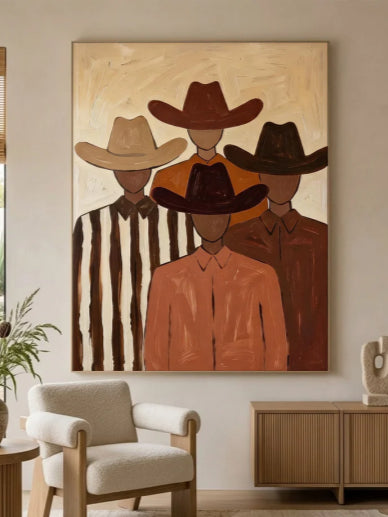
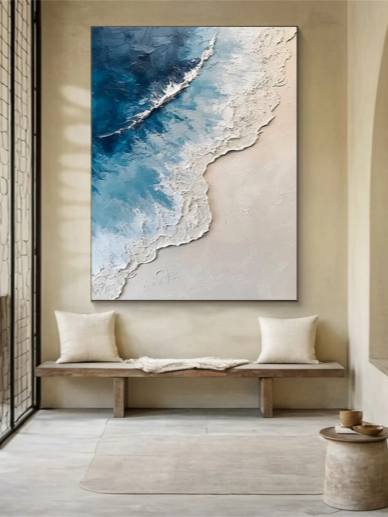
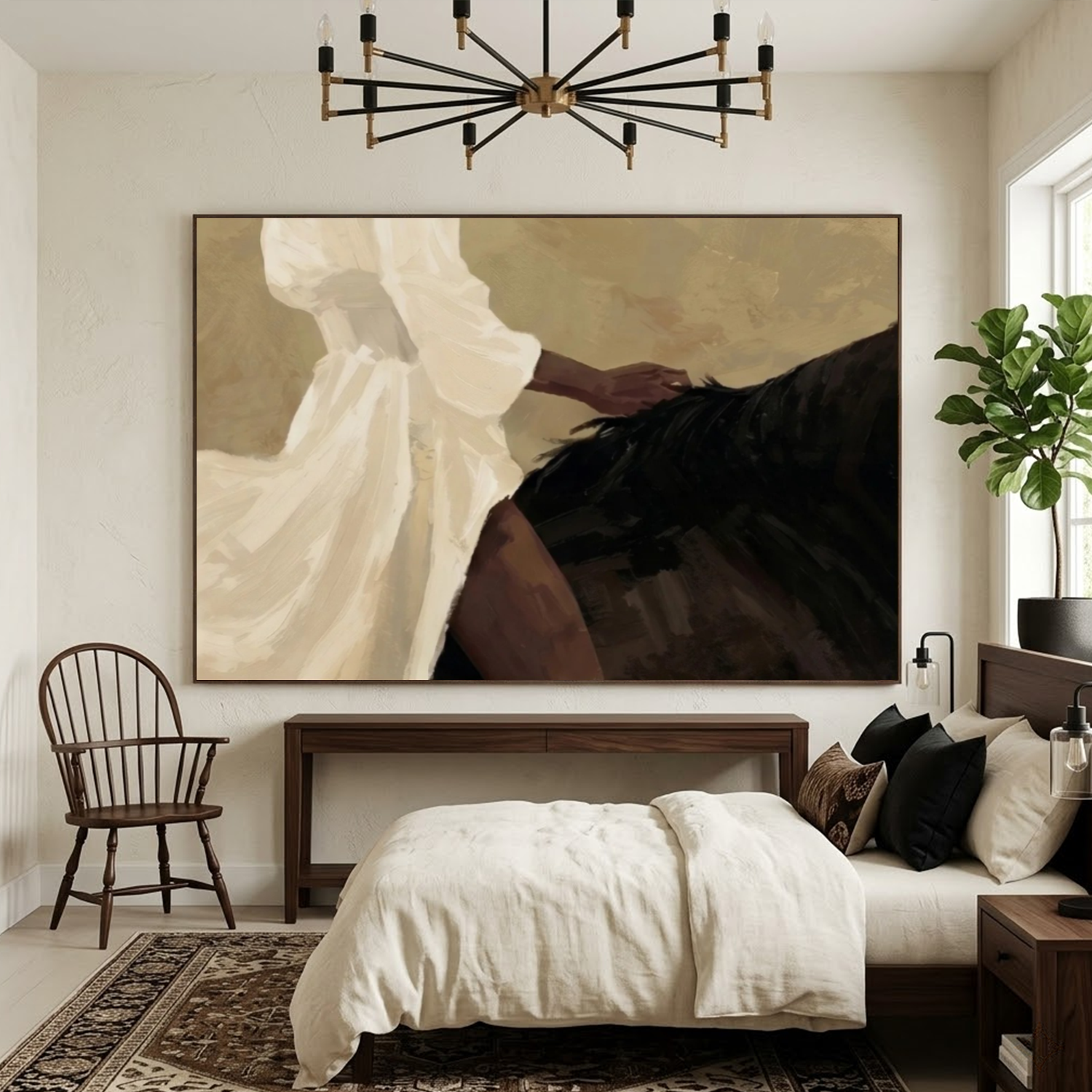
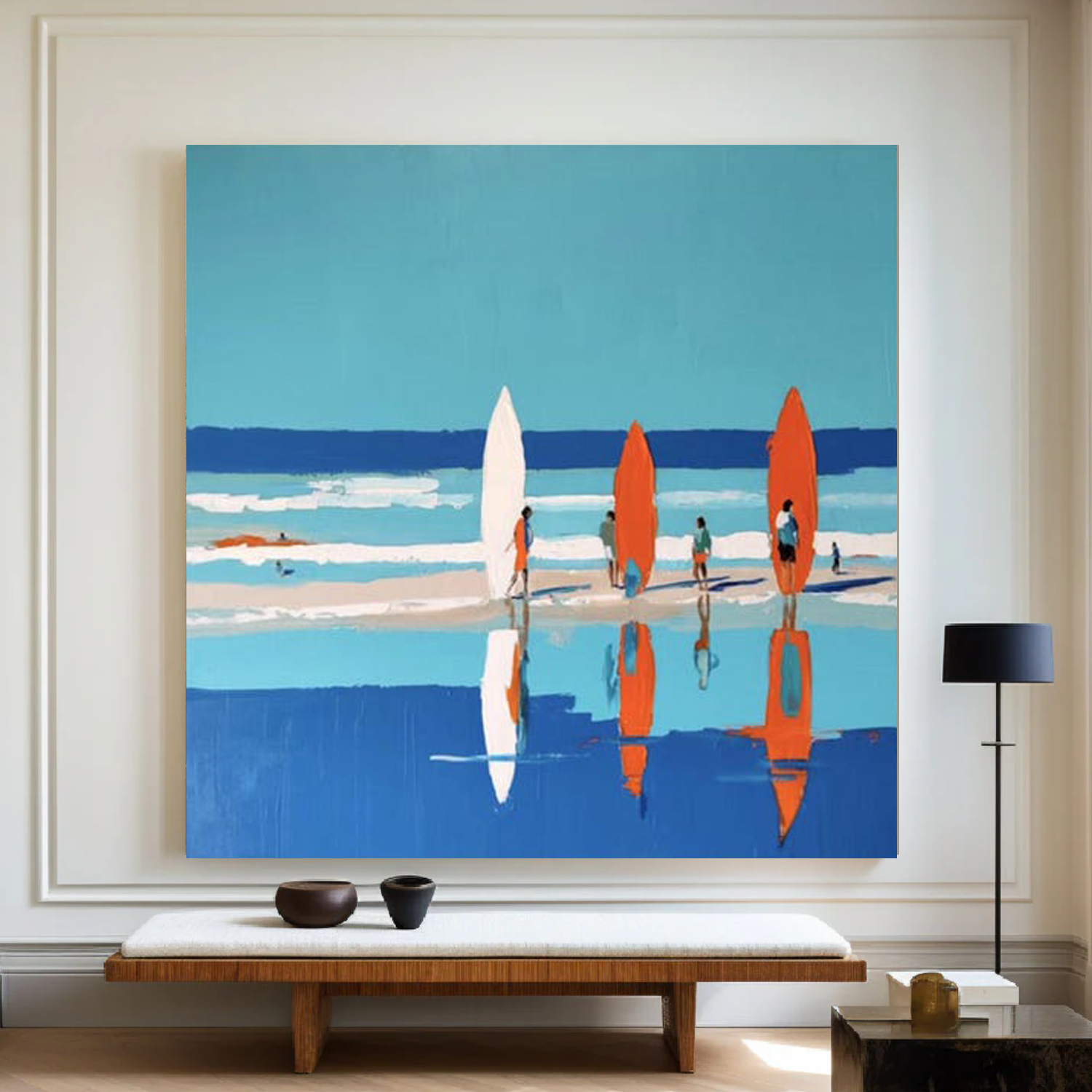
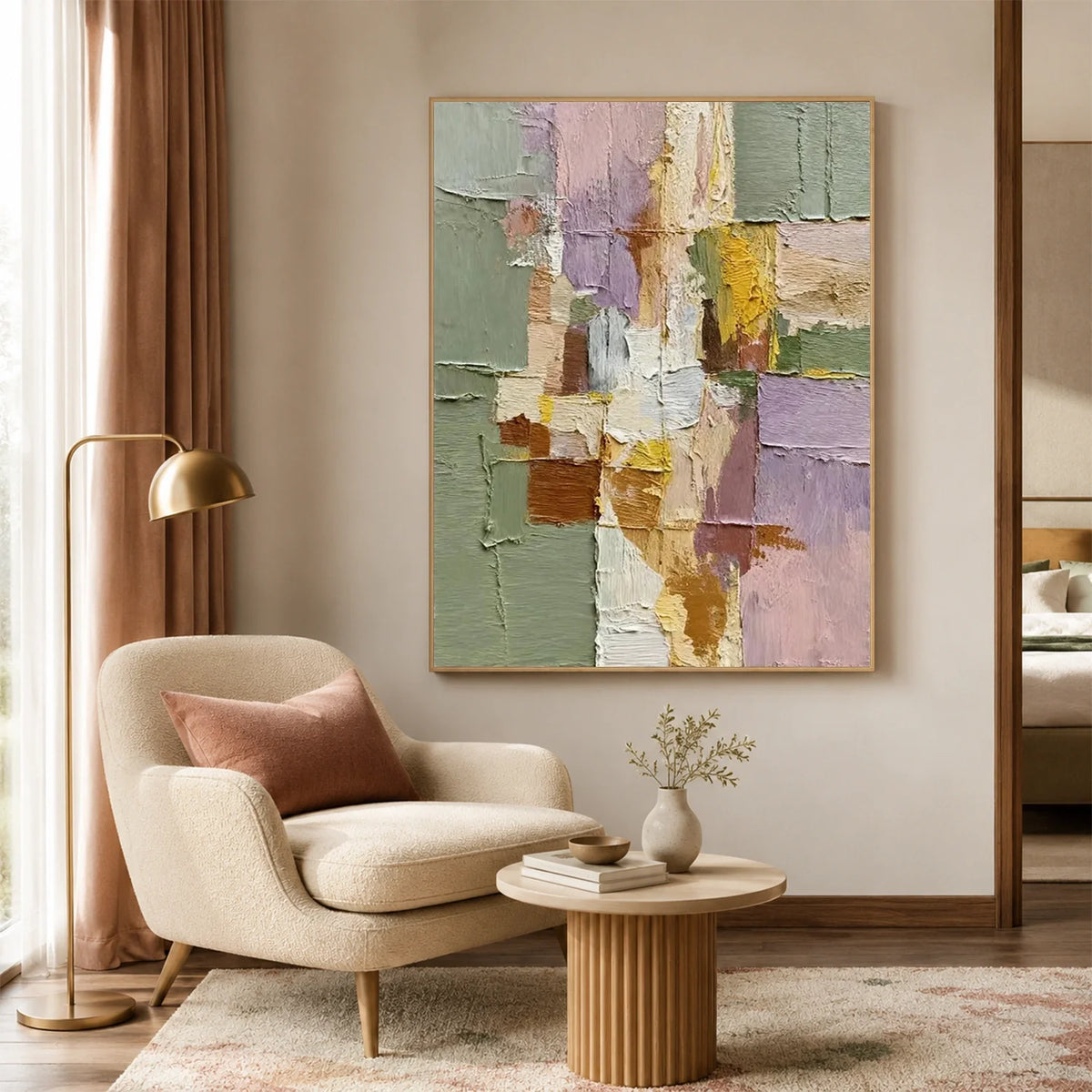
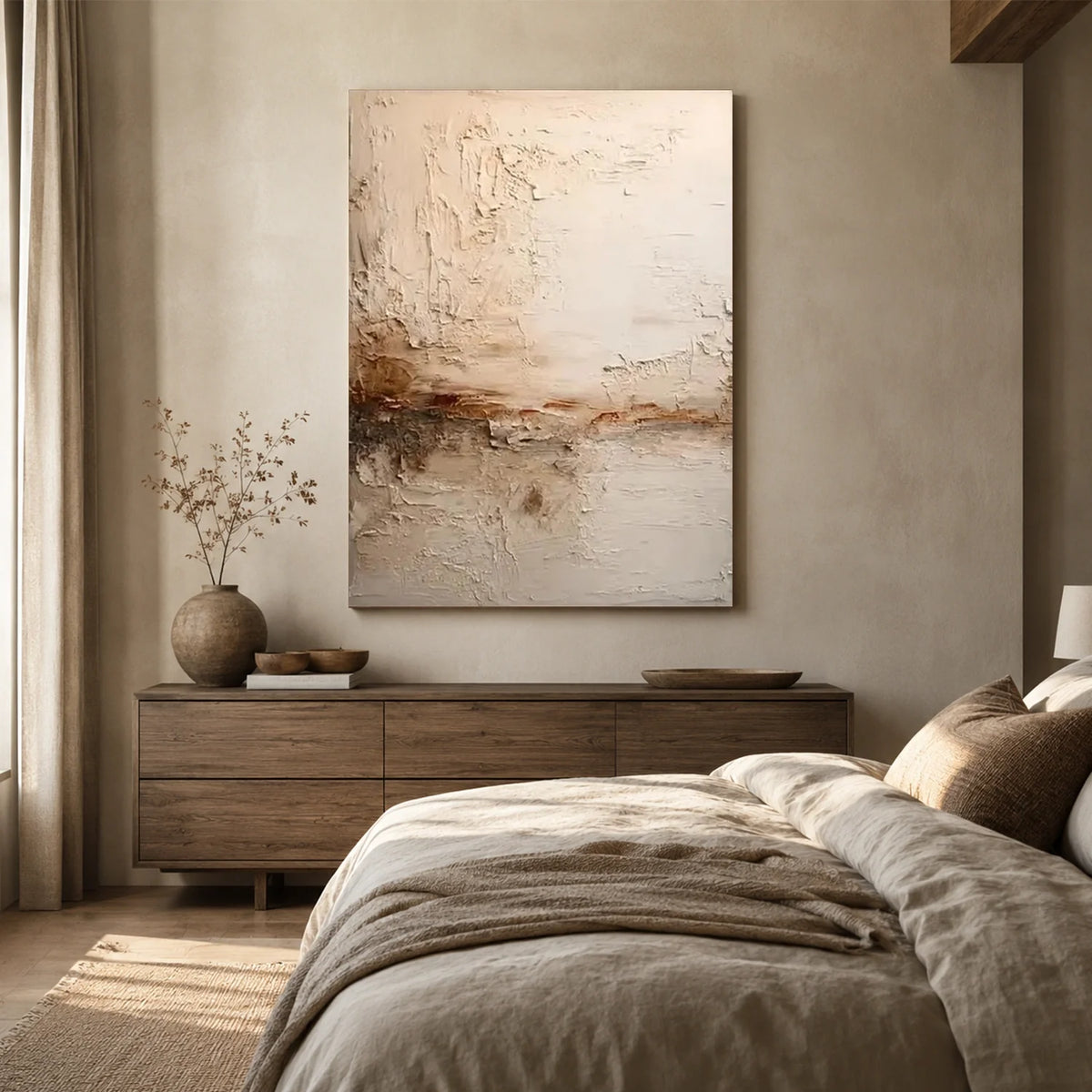
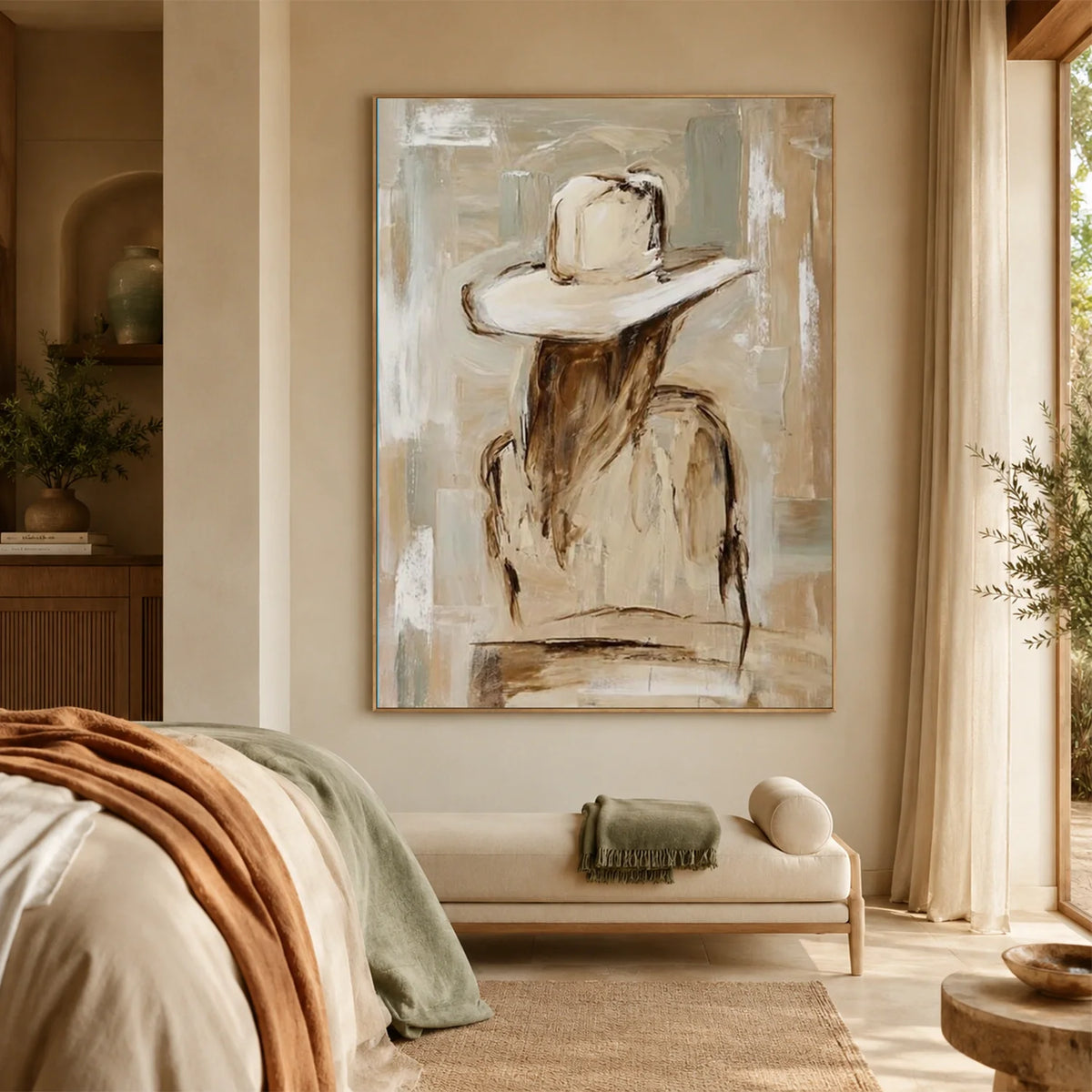
Clustering a dozen small frames creates "visual static" and makes a small room look cluttered. Instead, choose one or two large pieces of impactful Wall Art to serve as a clean focal point. An oversized landscape or minimalist abstract canvas reduces visual noise and gives the room a high-end gallery feel.

9. Define Distinct Functional Zones
If your living room doubles as an office or play area, a lack of structure will make it feel chaotic. Use area rugs, lighting, or furniture placement to separate different activities without building restrictive physical walls. A plush rug can anchor your seating zone, while a small desk lamp isolates your workspace.

10. Hide Clutter with Closed Storage
Visible everyday clutter—like remotes, cables, and mail—instantly shrinks a room. When shopping for storage, always favor closed options over open shelving. Conceal necessary messes inside cabinets, sideboards, or decorative woven baskets with lids to maintain a clean appearance.

11. Leave Room for Traffic and Movement
Pushing every piece of furniture flush against the walls highlights a room's tight boundaries and creates a rigid, boxy layout. Instead, pull your sofa a few inches away from the wall to create breathing room. Keep walkways completely clear and leave adequate space between furniture to improve traffic flow.

12. Decorate with Strict Intention
Minimalism doesn't mean your home has to feel cold or empty. Focus on quality over quantity by selecting a few highly textured decorative items—like sculptural vases, indoor plants, or cozy knit throws—that add genuine personality without creating physical clutter.

Does Large Wall Art Make a Room Look Bigger?
Yes. While it sounds counterintuitive, hanging a single piece of oversized Wall Art is one of the fastest ways to trick the brain into perceiving more space.
Here is exactly how it works:
-
Eliminates Visual Static: Clustering several tiny picture frames creates visual clutter and breaks up your line of sight. One large canvas provides a clean, singular focal point that instantly reduces noise and makes the walls feel intentional.
-
Creates Hidden Depth: Artwork featuring natural perspective—like a landscape showing a path vanishing into the horizon or geometric lines—acts like a "window." It breaks up the flat surface of a tight wall, making the room feel like it stretches back much further.
-
Maximizes Negative Space: Oversized art with plenty of open, empty, or negative space (like a minimalist abstract piece) gives the eye a dedicated place to rest. This openness prevents a small layout from feeling restrictive or claustrophobic.
-
Draws the Gaze Upward: A large, vertically hung piece commands immediate attention and forces the eyes to look up. This shift emphasizes the vertical volume of the room rather than its limited floor space, making your ceilings feel much taller.

To expand your layout using this secret, choose pieces that rely on texture and depth rather than loud colors. Eleanos Gallery specializes in original, handcrafted 3D textured minimalist art and abstract Wabi-Sabi canvas paintings designed to bring a calm, expansive mood to modern homes. Selecting one of their large, beautifully framed textured canvases is an effortless way to add the depth and sophistication needed to make your room feel twice its size.
Mistakes That Make Your Living Room Feel Smaller
Even a beautifully decorated living room can quickly feel cramped and claustrophobic if common design oversights are left uncorrected. To protect your home's layout and maintain an airy aesthetic, be sure to avoid these spatial traps:
Using Oversized Furniture in a Tight Layout
Purchasing bulky, deep-seated sofas or massive entertainment centers completely overwhelms a compact floor plan, physically blocking traffic flow and making the entire room look like it is bursting at the seams.
Blocking Windows with Tall, Bulky Pieces
Placing heavy bookshelves, armchairs, or media consoles directly in front of your windows cuts off the flow of natural daylight, casting deep shadows that instantly make the room feel dark, enclosed, and visually restricted.
Hanging Your Artwork Too Close to the Ceiling
Positioning frames too high forces the eyes to look at an awkward angle and disrupts the natural line of sight, whereas hanging large, intentional pieces at eye level seamlessly anchors the room and establishes a balanced sense of scale.
Filling Every Single Shelf with Decorative Objects
Cramming every open bookshelf and flat surface with small knick-knacks creates intense visual static, whereas leaving intentional gaps of empty space allows the eyes to rest and makes the architecture look organized.
Choosing Exclusively Dark Colors Throughout the Room
Painting walls in deep, saturated tones or opting for dark carpets absorbs all available light rather than reflecting it, which visually pulls the boundaries inward and creates a heavy, cave-like environment.
Completely Ignoring Vertical Storage Opportunities
Concentrating all of your storage furniture low to the ground consumes valuable floor area while leaving the upper portions of your walls completely bare, missing a prime opportunity to draw the gaze upward and maximize space.
Living Room Space-Maximizing Checklist
| Focus Area | Action Item | Expected Result |
| Decluttering | Remove unnecessary clutter by keeping tables and media consoles completely clear. | Eliminates visual noise and creates breathing room. |
| Furniture Scale | Choose furniture that fits the room by opting for streamlined pieces with exposed legs. | Keeps pathways clear and creates a lighter, breezier look. |
| Multi-Function | Add multi-functional pieces like storage ottomans or lift-top coffee tables. | Maximizes the layout by making furniture work twice as hard. |
| Vertical Space | Make use of vertical wall space by mounting your TV and installing floating shelves. | Clears valuable floor area and makes ceilings look taller. |
| Natural Light | Maximize natural light by keeping windows clear and using sheer curtains. | Banishes dark shadows to make the room feel bright and open. |
| Mirrors | Use mirrors strategically by hanging a large mirror opposite your main window. | Bounces daylight into dark corners and doubles perceived depth. |
| Color Scheme | Stick to a light, cohesive color palette built around soft neutrals like white, beige, or gray. | Reflects light cleanly and prevents walls from feeling restrictive. |
| Storage | Invest in hidden storage solutions like closed cabinets, sideboards, or lidded baskets. | Conceals daily messes out of sight to maintain a clean appearance. |
| Focal Point | Choose one large piece of wall art (such as a textured canvas from Eleanos Gallery) instead of many small frames. | Replaces chaotic clutter with a clean, high-end gallery feel. |
| Movement | Leave enough open space for comfortable movement by pulling furniture slightly away from walls. | Improves traffic flow and ensures navigating the room feels effortless. |
FAQ
How can I make my small living room look bigger?
Declutter regularly, choose light colors, use mirrors, maximize natural light, and invest in furniture that fits the room. Large wall art and hidden storage can also make a noticeable difference.
What furniture is best for a small living room?
Compact sofas, storage ottomans, nesting tables, floating shelves, and furniture with exposed legs are excellent choices because they provide functionality without overwhelming the room.
Does wall art make a living room look smaller?
Not if you choose the right size. One large statement piece often makes a room feel more open than several small frames, which can create visual clutter.
What colors make a living room feel more spacious?
White, cream, light gray, beige, and other soft neutral shades reflect more light and create the illusion of a larger room.
Final Thoughts
Learning how to maximize space in your living room is about making smart design choices rather than completely redesigning your home. By reducing clutter, selecting furniture that fits your space, taking advantage of vertical storage, and decorating thoughtfully, you can create a living room that feels larger, brighter, and more comfortable.
Whether your living room is compact or spacious, these practical ideas can help you make the most of every square foot while creating a home that's both beautiful and functional.




Leave a comment
This site is protected by hCaptcha and the hCaptcha Privacy Policy and Terms of Service apply.