

Large wall art can instantly make a room feel more finished, balanced, and inviting. Whether you're decorating above a sofa, bed, dining table, or entryway, oversized artwork creates a strong focal point that smaller pieces often can't achieve.
The challenge is that large artwork can be expensive. Fortunately, you don't need a professional art background—or a large budget—to create beautiful statement pieces yourself. With the right materials and a little creativity, you can make oversized wall art that complements your home's style while saving hundreds of dollars.
This guide shares practical DIY large wall art ideas that are easy to recreate, along with expert tips to help your finished project look polished and professionally designed.
Why Make Your Own Large Wall Art?
DIY wall art offers more than just cost savings. It also gives you complete creative control over the size, colors, and style of your artwork.
Some of the biggest benefits include:
- Costs much less than buying oversized artwork
- Can be customized to fit any wall
- Matches your existing furniture and décor
- Adds personality to your home
- Makes decorating more enjoyable
- Creates one-of-a-kind artwork
Most projects can be completed in a weekend using basic tools and affordable materials.

15 Large Wall Art DIY Ideas
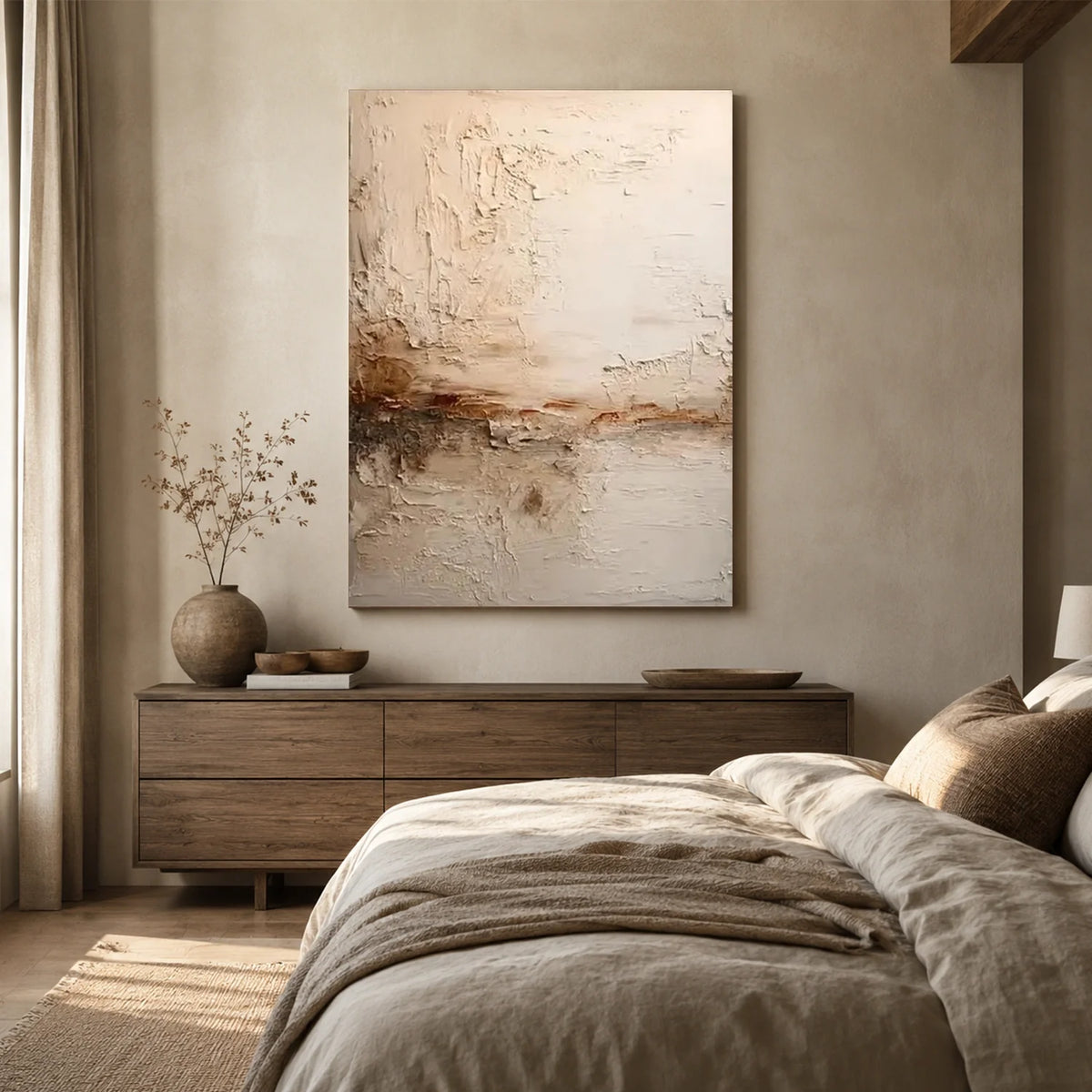
Create a Minimalist Textured Canvas
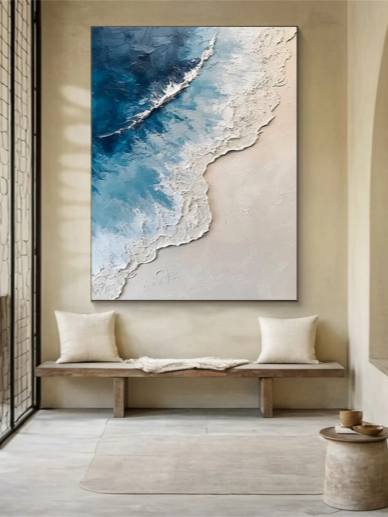
Minimalist textured wall art is one of the easiest ways to give a room a modern, high-end feel. The subtle texture adds depth and dimension without making the space feel busy, making it a great choice for Scandinavian, Japandi, or minimalist interiors.
To make your own, apply texture paste or joint compound to a large stretched canvas with a palette knife. Instead of trying to create perfectly even patterns, use soft curves, sweeping strokes, and organic shapes to build natural-looking texture. Once the surface is completely dry, finish it with a coat of white, cream, beige, or another neutral paint to create a calm, elegant look.

Paint a Large Abstract Canvas
Abstract painting is one of the most beginner-friendly DIY projects because there are no strict rules to follow. Rather than focusing on realistic details, concentrate on color, movement, and balance.
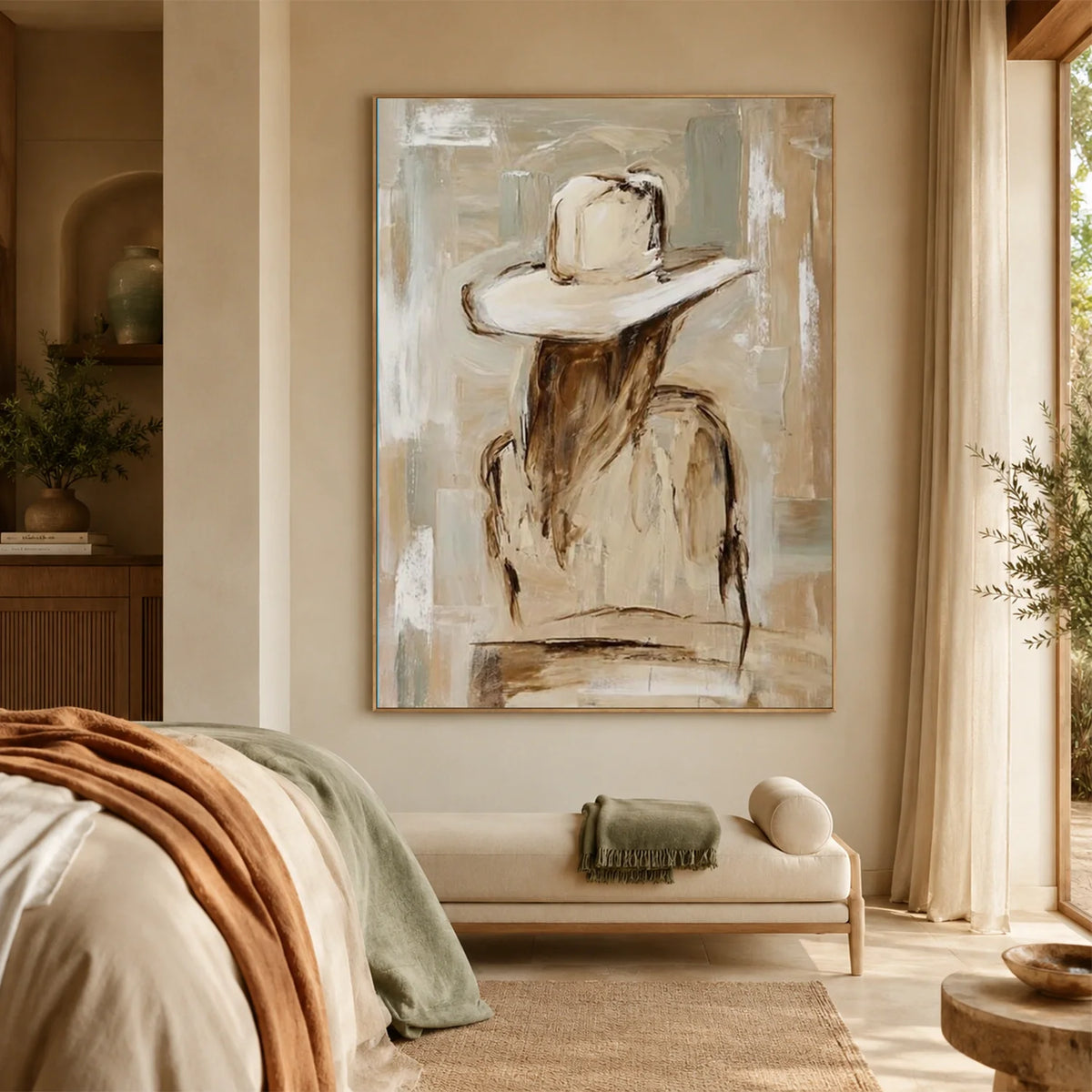
Start by choosing three or four colors that complement your existing décor. Neutral shades mixed with warm earth tones, muted greens, or charcoal often work beautifully together. Use broad brushstrokes, layered shapes, and simple color blocking to build your composition. In many cases, the simplest designs create the biggest visual impact.

Turn a Canvas Drop Cloth into Wall Art
A canvas drop cloth is an inexpensive alternative to a traditional artist's canvas and works especially well for creating oversized wall art.
Stretch the fabric over a simple wooden frame, allowing a few natural wrinkles to remain for added texture. You can leave the fabric almost untouched for a relaxed organic look or add minimalist brushstrokes, geometric shapes, or soft abstract designs. The finished piece has a casual, handcrafted appearance that pairs well with modern and contemporary interiors.
Make Oversized Botanical Artwork
Botanical artwork is a timeless decorating choice that brings a fresh, natural feel into your home. Large leaf designs work particularly well on oversized canvases because they make a bold statement without looking overly complicated.
You can hand-paint simple silhouettes of palm leaves, monstera leaves, eucalyptus, or other favorite plants, or use real leaves as inspiration for your composition. Keeping the color palette soft with shades like olive green, black, cream, and beige helps the artwork remain elegant and easy to style.

Build Decorative Arch Panels
Decorative arch panels have become a popular way to add architectural interest to blank walls without making permanent changes to the room.
Using lightweight wood, MDF, or foam board, create large panels and paint simple arch shapes in muted colors such as sage green, clay, dusty blue, or warm beige. The finished panels can be leaned against the wall or hung like traditional artwork, making them an excellent option for renters or anyone who enjoys changing their décor frequently.
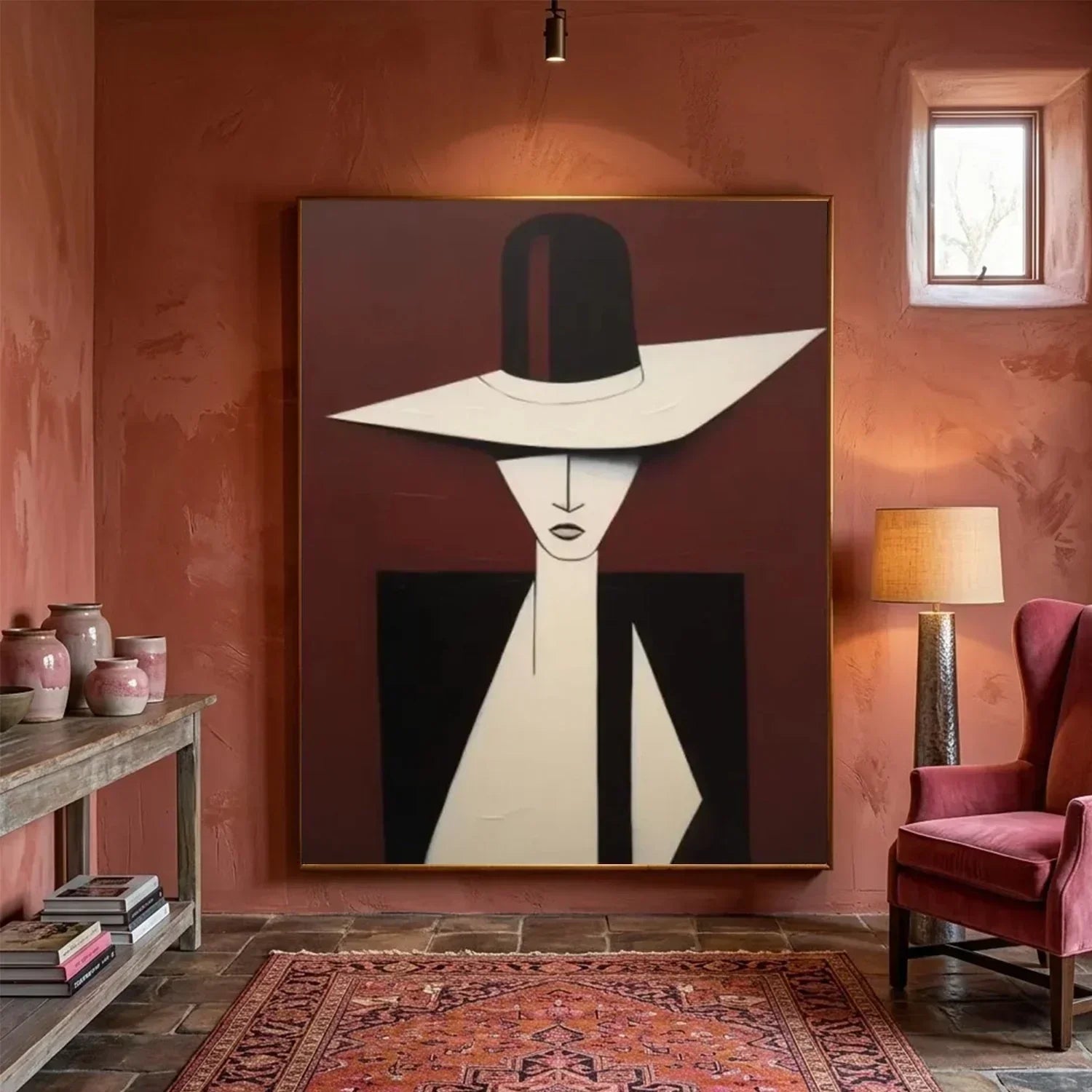
Design Simple Black-and-White Line Art
If you prefer a clean and modern look, black-and-white line art is an excellent DIY project. The beauty of this style lies in its simplicity, so there's no need to worry about making every line perfect.
Using black acrylic paint on a white canvas, draw continuous flowing lines to create abstract faces, figures, or organic shapes. Slight imperfections actually make the artwork feel more natural and handcrafted, adding character that machine-made prints often lack.

Frame Beautiful Fabric Instead of Painting
Not every DIY wall art project requires paint. Beautiful fabrics can easily be transformed into oversized statement pieces while adding warmth and texture to your home.
Natural materials such as linen, cotton, woven textiles, or vintage fabrics work especially well. Simply stretch the fabric over a canvas frame or hang it from wooden rails for a relaxed, gallery-inspired display. It's one of the quickest ways to fill a large empty wall with very little effort.

Create Modern Wood Slat Wall Art
Wood slat wall art combines natural materials with clean geometric design, making it a perfect fit for modern and Scandinavian interiors.
Arrange narrow wooden slats into patterns such as vertical lines, diagonal layouts, chevrons, or abstract geometric shapes. Instead of painting the wood, consider using a natural stain that highlights the grain and gives the finished piece a richer, more sophisticated appearance.

Make Large Printable Wall Art
If you're looking for a fast and affordable project, printable artwork is hard to beat. With a high-resolution digital print and a large frame, you can create oversized wall art in just a few steps.
Choose artwork that suits your decorating style, such as abstract designs, vintage illustrations, botanical prints, or black-and-white photography. After printing it in a large format, mount it on foam board or place it in a quality frame for a clean, professional finish.
Frame Decorative Wallpaper
Wallpaper isn't just for covering walls—it can also become beautiful artwork.
Instead of applying wallpaper throughout an entire room, frame sections featuring floral prints, textured finishes, watercolor patterns, or modern geometric designs. Oversized frames instantly elevate the material, creating unique statement pieces that add both color and visual interest to your space.
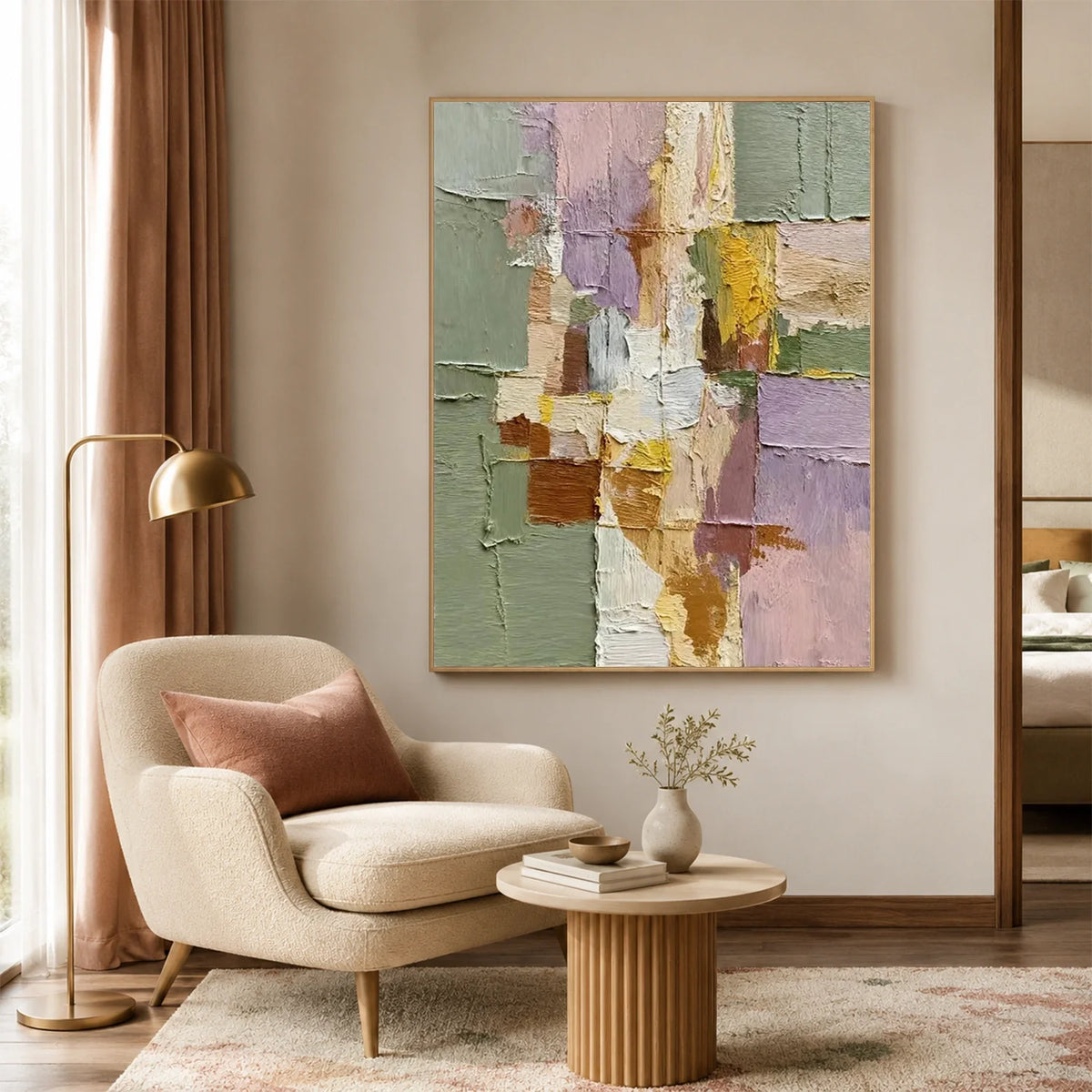
Paint a Neutral Color Block Design
Color blocking is a simple painting technique that delivers impressive results, even if you've never painted before.
Divide a large canvas into several oversized sections and fill each one with complementary neutral shades like cream, taupe, beige, olive, gray, or charcoal. Large, uncomplicated shapes create a calm, contemporary appearance that's easy to pair with almost any decorating style.

Experiment with Mixed Media
Adding different materials to your artwork is an easy way to create depth and texture without relying solely on paint.
Try combining modeling paste, sand, fabric, cheesecloth, rope, or small wood pieces to build layered surfaces. Even when using a monochromatic color palette, the varying textures create interesting shadows that make the artwork feel more dynamic and visually engaging.
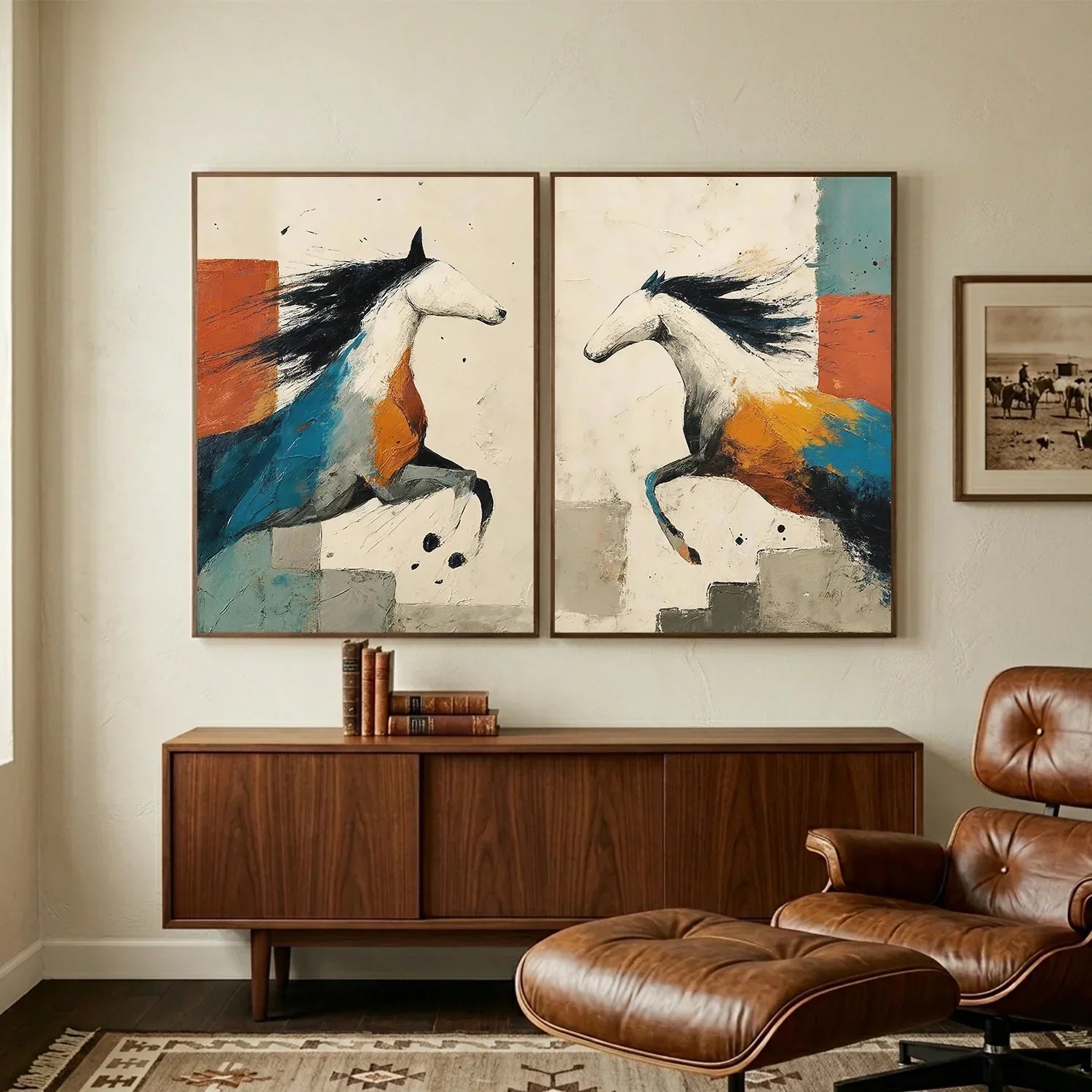
Split One Design Across Multiple Canvases
Instead of working on one oversized canvas, consider dividing your design across two or three matching panels.
This approach creates a modern gallery-style display while making the artwork easier to paint, transport, and hang. Keeping the colors, composition, and spacing consistent between each canvas helps create a cohesive look that's especially effective on wide walls above sofas or beds.
Add a Floating Wood Frame
One of the easiest ways to elevate DIY artwork is by adding a floating wood frame. Even a simple painting can look significantly more refined once it's professionally framed.
Floating frames create a narrow gap around the edges of the canvas, giving the artwork a clean, gallery-inspired finish. Natural oak, walnut, black, and light wood finishes all complement modern interiors and help your artwork feel more complete.

How to Make DIY Wall Art Look More Expensive
Creating beautiful DIY wall art isn't just about choosing the right materials. Small design decisions—such as the size of your artwork, your color choices, and the finishing details—can make an even bigger difference. By following a few simple principles, you can give homemade artwork a polished, gallery-quality appearance without significantly increasing your budget.
Choose the Right Size
Size is one of the most important factors in making wall art look professionally styled. Artwork that is too small can feel disconnected from the rest of the room, while properly scaled pieces create a stronger visual impact and help balance the space.
As a general rule:
- Artwork above a sofa should be about 60% to 75% of the sofa's width.
- Artwork above a bed should span roughly two-thirds of the headboard.
- For large, empty walls, choose artwork that is at least 40 to 60 inches wide, or combine multiple panels to fill the space.
When in doubt, it's usually better to go slightly larger than too small.
Keep Your Color Palette Simple
A limited color palette often makes artwork look more refined and cohesive. Instead of using many different colors, choose three or four complementary shades and repeat them throughout your design.
Neutral tones such as white, beige, taupe, gray, and black are timeless choices that blend easily with a wide range of decorating styles. If you'd like to introduce more color, use one accent shade sparingly to create visual interest without overwhelming the composition.
Add Texture for More Depth
Texture is one of the easiest ways to make DIY artwork feel more expensive. Raised surfaces catch natural light throughout the day, creating subtle shadows and adding dimension that flat paintings often lack.
You don't need dramatic textures to achieve this effect. Even light layers of texture paste, modeling compound, or mixed materials can give your artwork a richer, more handcrafted appearance.
Leave Some Negative Space
One of the most common beginner mistakes is trying to fill every inch of the canvas. In reality, empty space is an important part of good design.
Leaving areas unpainted allows the composition to breathe, helps draw attention to the main elements, and creates a cleaner, more modern aesthetic. Often, a simpler design has a greater visual impact than one that's overly detailed.
Invest in Better Materials
While you don't need expensive supplies to create beautiful artwork, choosing higher-quality materials can noticeably improve the final result.
A sturdy canvas, smooth brushes, quality acrylic paint, and durable framing materials typically produce cleaner lines, richer colors, and a more professional finish. Spending a little extra on the materials you use can help your DIY project look like a piece of gallery-quality wall art that you'll be proud to display for years.

Common DIY Wall Art Mistakes to Avoid
Choosing a Canvas That's Too Small
Large furniture requires proportionally large artwork. If your canvas feels too small, consider using multiple panels or increasing the overall dimensions.
Using Too Many Decorative Elements
Adding excessive colors, patterns, or textures can make artwork feel cluttered. Simplicity often has greater visual impact.
Ignoring Your Room's Style
Before choosing colors or designs, consider the furniture, lighting, flooring, and overall mood of the room. Your artwork should complement the space rather than compete with it.
Forgetting About Framing
A simple frame can dramatically improve the appearance of DIY artwork, making it look more refined and complete.
DIY vs. Buying Large Wall Art
DIY projects are an excellent choice if you enjoy crafting, want complete creative freedom, or need artwork in a custom size.
However, professionally made artwork offers advantages such as premium materials, consistent craftsmanship, and ready-to-hang convenience. If you're decorating a focal wall or want a long-lasting investment piece, professionally crafted wall art may be the better option.
At Eleanos Gallery, you'll find a curated collection of large textured wall art, abstract paintings, minimalist canvas art, and handcrafted statement pieces designed to bring warmth, texture, and character to modern interiors. Whether you're looking for inspiration after completing a DIY project or prefer professionally finished artwork, choosing pieces with timeless colors and quality craftsmanship will help create a home you'll enjoy for years to come.

FAQ
What is the easiest large wall art DIY project?
Large abstract paintings, color block canvases, framed fabric, and printable wall art are among the easiest projects for beginners because they require minimal artistic experience.
What materials are best for DIY large wall art?
Popular options include stretched canvases, plywood, canvas drop cloths, MDF panels, texture paste, acrylic paint, fabric, wood slats, and wallpaper.
How big should large wall art be?
For most living rooms, artwork should fill approximately 60% to 75% of the width of the furniture beneath it to create a balanced appearance.
How can I make homemade wall art look professional?
Use a limited color palette, add texture, choose the correct size, leave negative space, and finish the artwork with a quality frame.
Is DIY wall art cheaper than buying artwork?
In most cases, yes. Many oversized DIY projects can be completed for under $100, while similarly sized professionally made artwork often costs several hundred dollars or more.




Leave a comment
This site is protected by hCaptcha and the hCaptcha Privacy Policy and Terms of Service apply.