
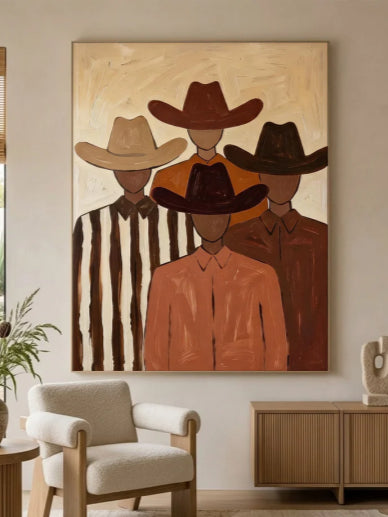
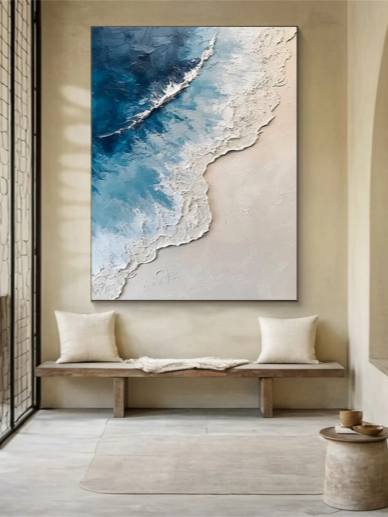
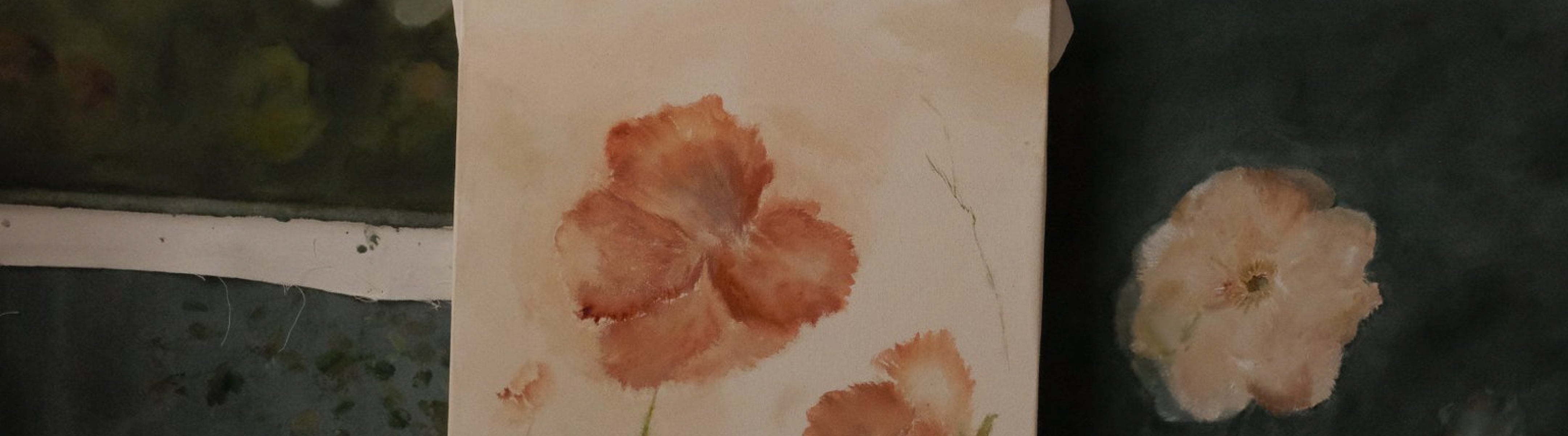


Walk into any modern home today, and you will see a lot of the same things: white walls, minimalist furniture, and maybe a generic print from a big-box store. But here is the problem—those spaces often feel cold and forgettable.
Now walk into a room with vintage American art. Suddenly, the walls have stories. The colors feel warmer. The room feels *lived in*. That is not nostalgia. That is design intelligence.
Vintage American art—whether it is a 1950s roadside motel painting, a folk art quilt pattern, or a bold abstract expressionist piece—brings character, history, and texture that new art simply cannot fake. And the best part? You do not need a design degree or a massive budget to make it work.
This guide will walk you through exactly how to decorate with vintage American art, step by step, without looking like a cluttered antique shop or a themed restaurant.
What Is Vintage American Art?
Vintage American art generally refers to artwork inspired by American life, history, landscapes, and culture from previous decades. Depending on the style, it may include:
- Western landscapes
- National park illustrations
- Rural farm scenes
- Vintage advertising posters
- Americana artwork
- Mid-century paintings
- Classic wildlife art
- Historic city prints
- Oil paintings inspired by early American life
These artworks often feature warm colors, natural scenery, traditional craftsmanship, and a sense of nostalgia that never goes out of style.

Understand the "Vintage American" Vibe
Before you buy anything, you need to know what you are looking for. "Vintage American art" is a broad term, so let us break it down into three main categories:
| Category | What It Looks Like | Era |
|---|---|---|
| Regional Realism | Farms, diners, city streets, working-class scenes. Earthy tones. | 1930s–1950s |
| Mid-Century Modern | Bold geometric shapes, atomic age motifs, abstract swirls. Bright oranges, teal, mustard. | 1950s–1960s |
| American Folk/Primitive | Naive portraits, landscapes, hand-painted signs. Imperfect, charming, rough textures. | 1800s–early 1900s |
Do not feel pressured to pick just one. Many homes mix all three. The secret is not the style itself—it is how you *place* it.
8 Tips to decorate with vintage American art
Start with One "Hero Piece"
You do not need to fill every wall at once. In fact, please do not.
Start with one large, statement vintage American artwork. This could be:
- A large oil painting of a New York skyline from the 1940s
- A hand-painted advertising sign from a small-town grocery store
- A oversized abstract canvas with bold reds and yellows
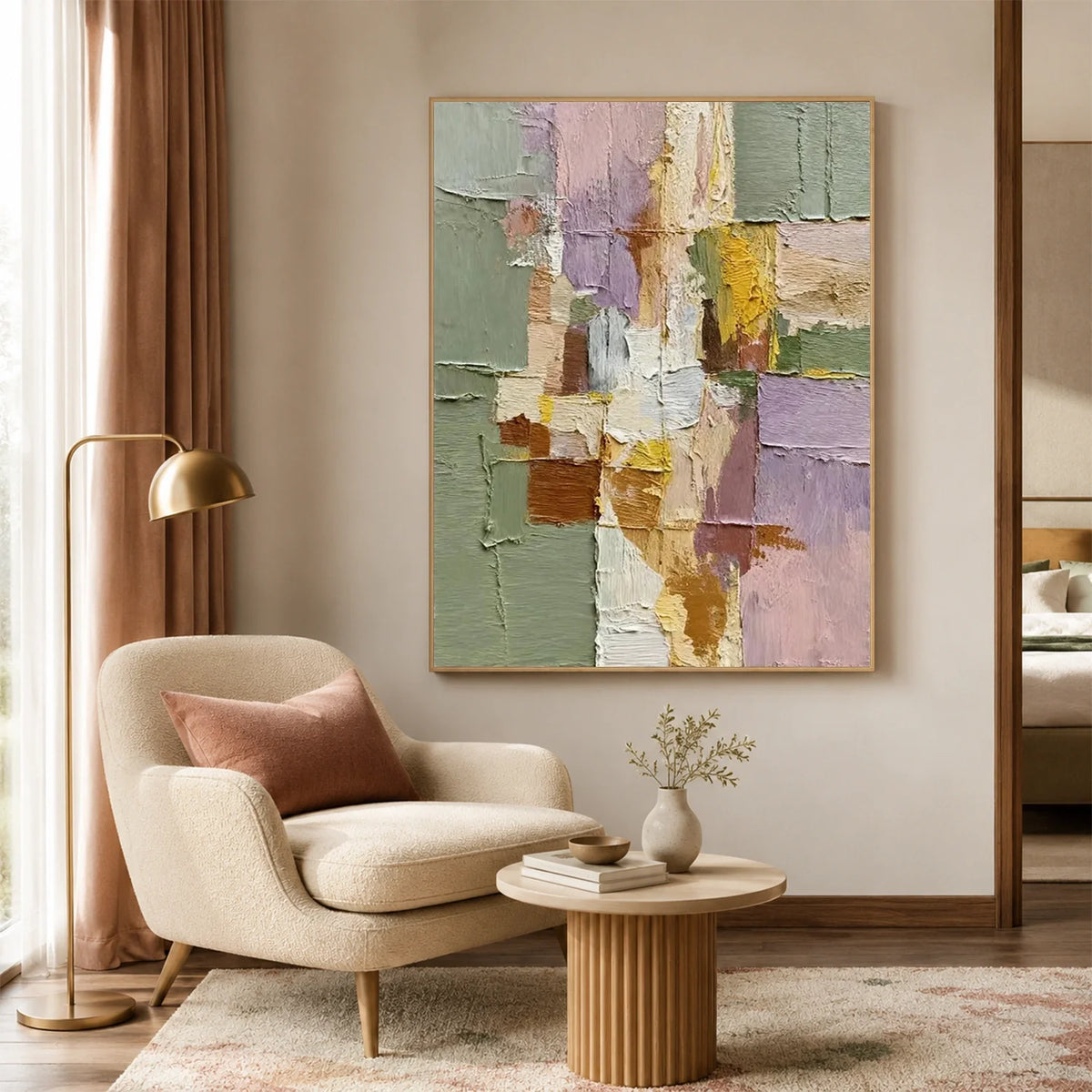
Place this piece in your most-used room—likely the living room or dining room. Hang it at eye level (57–60 inches to the center). Let it breathe. Give it at least 2–3 feet of empty wall space around it.
This hero piece becomes your anchor. Everything else—furniture, pillows, smaller frames—will take visual cues from it.
Pro tip: If the frame is worn or damaged, do not replace it with a modern sleek frame. Keep the original patina. That scratched wood or chipped gilt tells the truth about the piece's age.
Build a "Salon Wall" That Tells a Story
Once you have your hero piece, it is time to add friends. A curated cluster—often called a salon wall—is the most authentic way to decorate with vintage American art. But do not just throw frames up randomly.
Here is a simple 3-step system for a cohesive salon wall:
- Pick a unifying element – Choose either a similar color palette (e.g., all earthy browns and ochres) or a similar subject (e.g., all landscapes). This prevents chaos.
- Mix frame styles intentionally – Pair a heavy ornate gold frame with a thin black metal frame and a natural wood frame. The contrast adds visual rhythm.
- Lay it out on the floor first – Trace the outline of your wall space on the floor with painter's tape. Arrange your pieces inside that box. Move them around until the composition feels balanced—not perfectly symmetrical, but visually weighted.
Include different art formats: a small watercolor, a charcoal sketch, a vintage map, and a hand-stitched textile. This variety makes the wall feel collected over time, not bought in one afternoon.
 Use Vintage American Art in Unexpected Rooms
Most people hang art only in the living room and hallway. That is a missed opportunity.
Vintage American art shines in places where you least expect it:
- Kitchen – Hang a vintage fruit crate label or a small diner painting above the sink. The bright primary colors pop against white cabinets.
- Bathroom – A framed vintage advertisement for soap or a seaside postcard from Cape Cod adds playful personality in a small space.
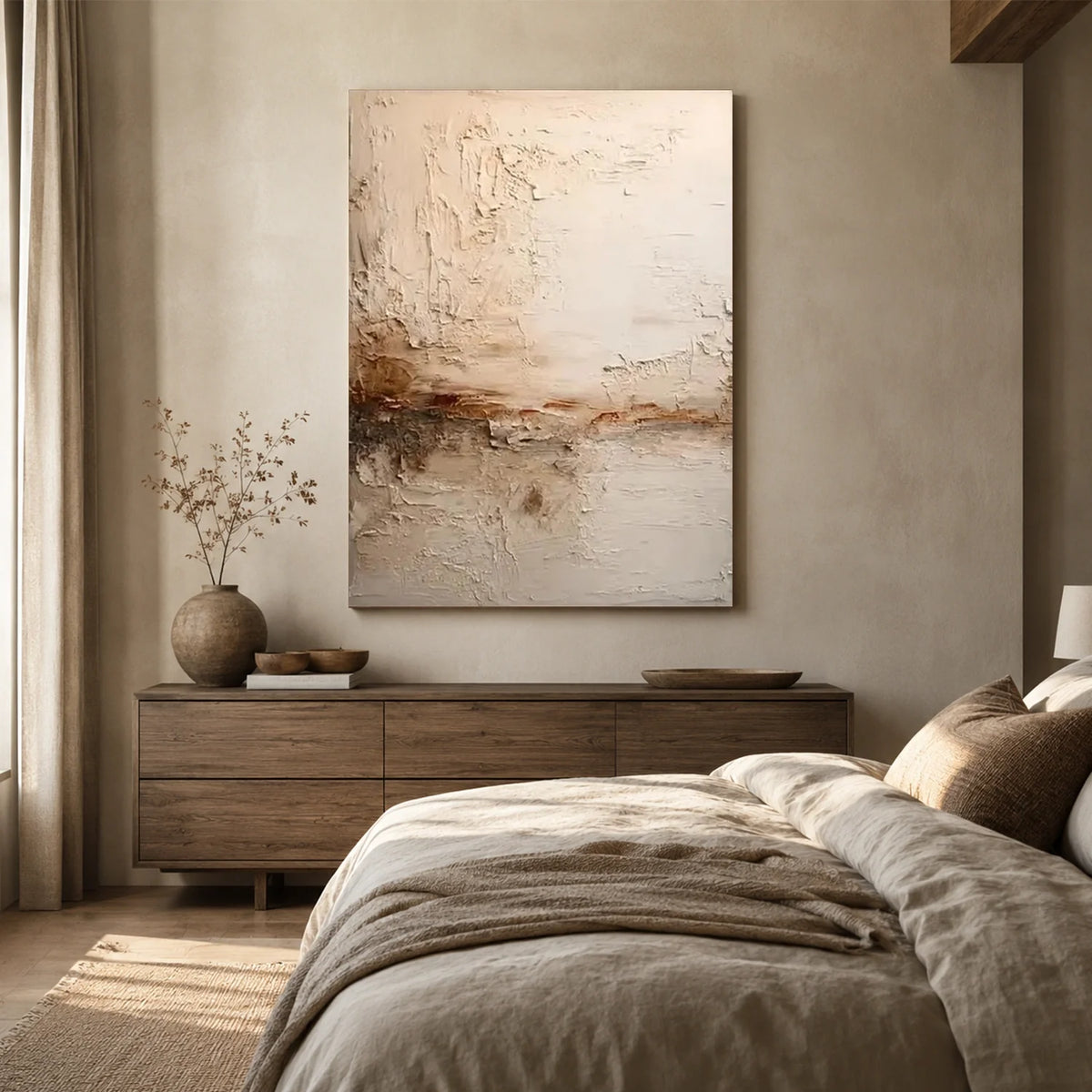
- Bedroom – Place a quiet, muted landscape above the headboard. Soft grays and greens promote calmness—perfect for sleep.
- Home office – Hang a bold abstract piece behind your desk. It energizes you during calls and gives Zoom backgrounds real character.
The rule is simple: if there is a wall, there is an opportunity. Vintage American art does not need to be "serious" to be effective.
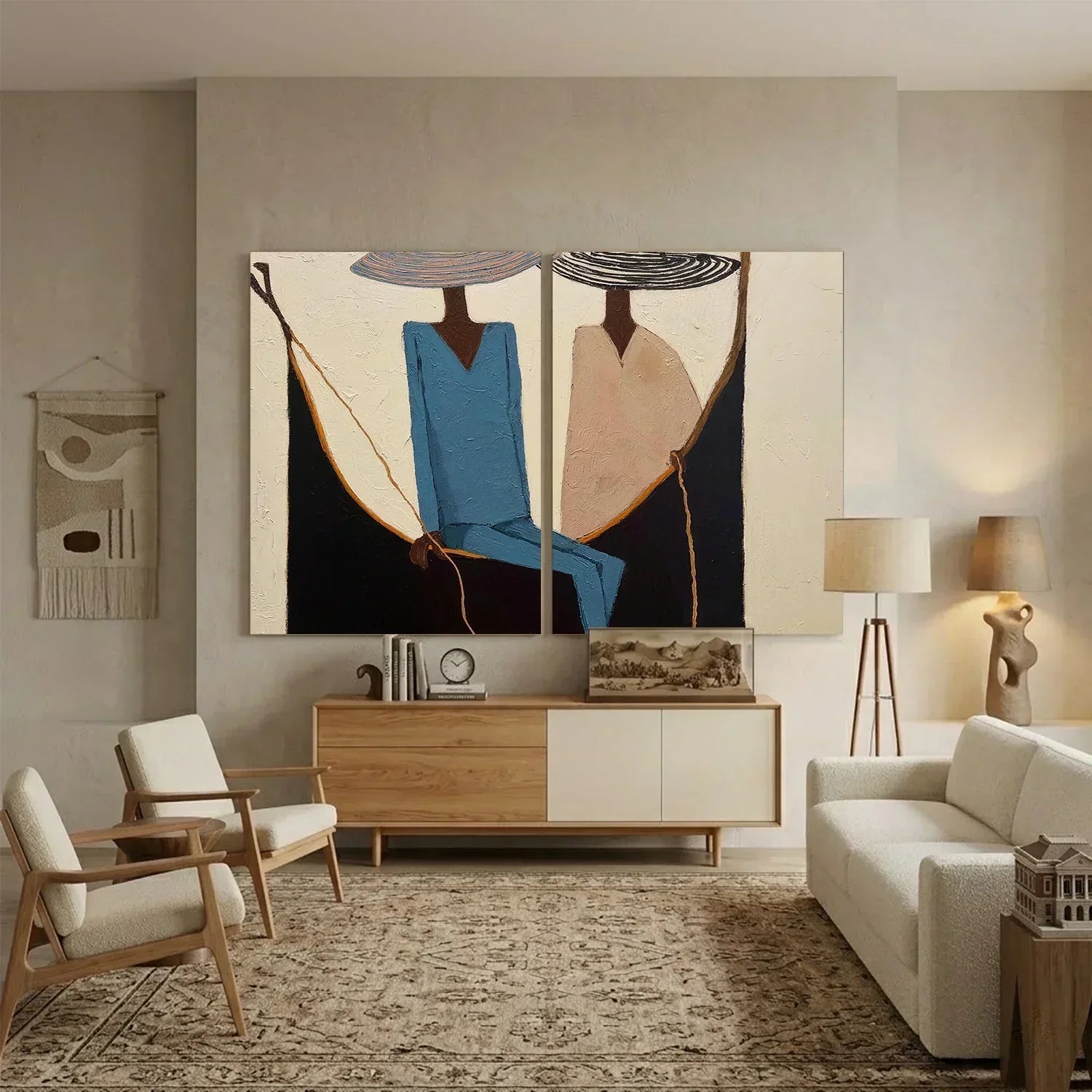
Balance Old Art with New Furniture
Here is the #1 mistake people make: they pair vintage art with vintage furniture, vintage rugs, and vintage lamps. Suddenly, the room looks like a time capsule—and not in a good way.
The secret to modern decorating is contrast.
- Pair a 1940s farm painting with a sleek, modern leather sofa.
- Hang a bold 1960s abstract print above a simple, clean-lined wooden bench.
- Place a folk art landscape next to a contemporary floor lamp with a matte black finish.
Why does this work? Because the old art brings soul, and the new furniture brings structure. They make each other look better. The art does not feel dusty; the furniture does not feel cold.
Pay Attention to Scale and Proportion
Scale is where amateur decorating falls apart. Let us keep it simple:
| Wall Size | Recommended Art Size |
|---|---|
| Small wall (under 4 ft wide) | One medium piece (16"x20") or a tight cluster of 3 small pieces |
| Medium wall (4–6 ft wide) | One large piece (24"x36") or 5–7 pieces in a salon cluster |
| Large wall (over 6 ft wide) |
One oversized piece (36"x48"+) or 9+ pieces in a large gallery arrangement |
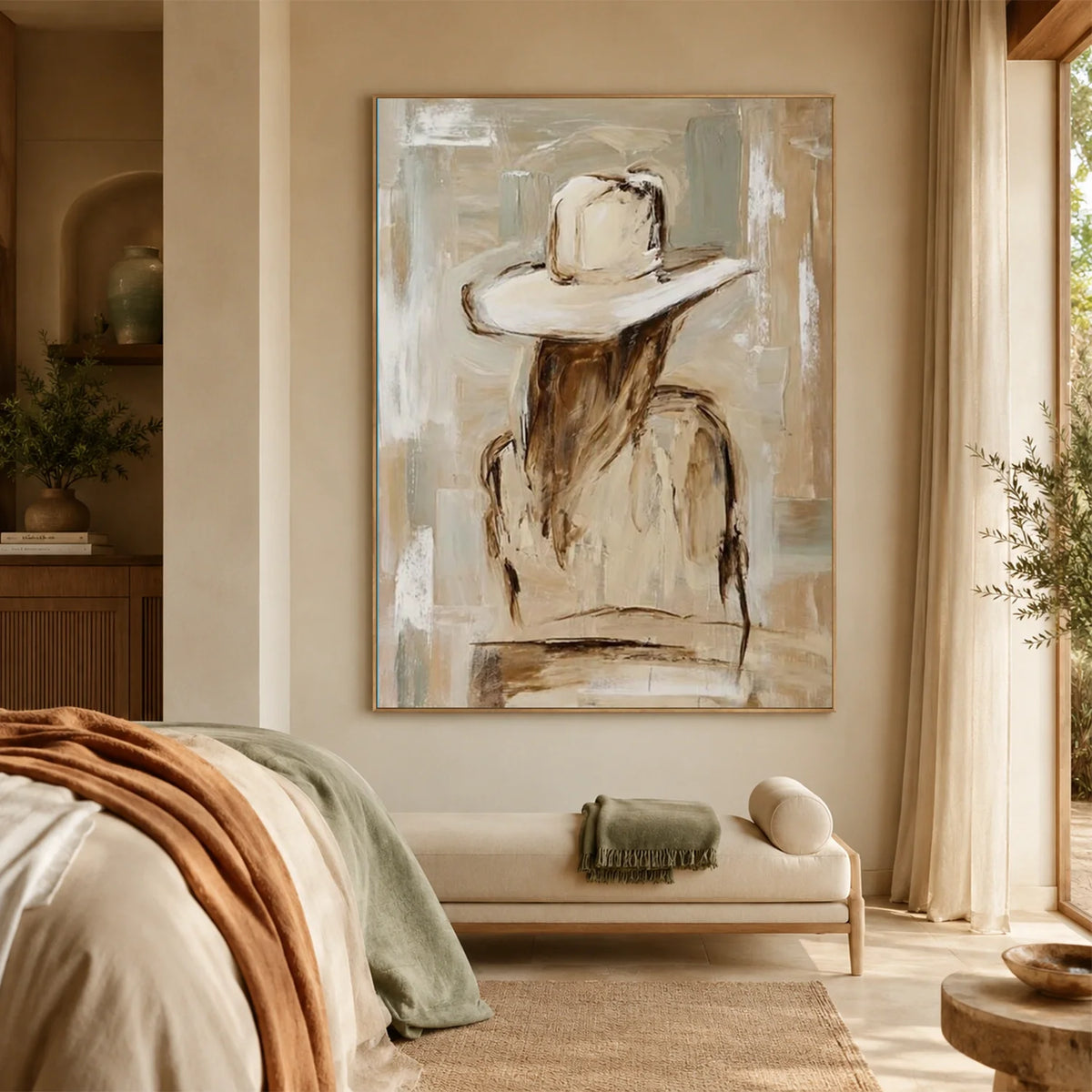
If you are hanging above furniture (sofa, bed, console table), the art should take up about 2/3 to 3/4 of the furniture's width. Anything smaller looks lost. Anything larger looks overwhelming.
And do not forget about viewing distance. In a narrow hallway, hang art a bit lower (55 inches to center) so people see it as they walk. In a large open room, hang slightly higher (60 inches) so it carries across the space.
Let the Lighting Do the Heavy Lifting
You can have the most stunning vintage American painting in the world, but if it is in the dark, nobody will notice.
Here is what actually works:
- Picture lights – Small, battery-operated LED lights mounted directly above the frame. These add a museum-quality glow.
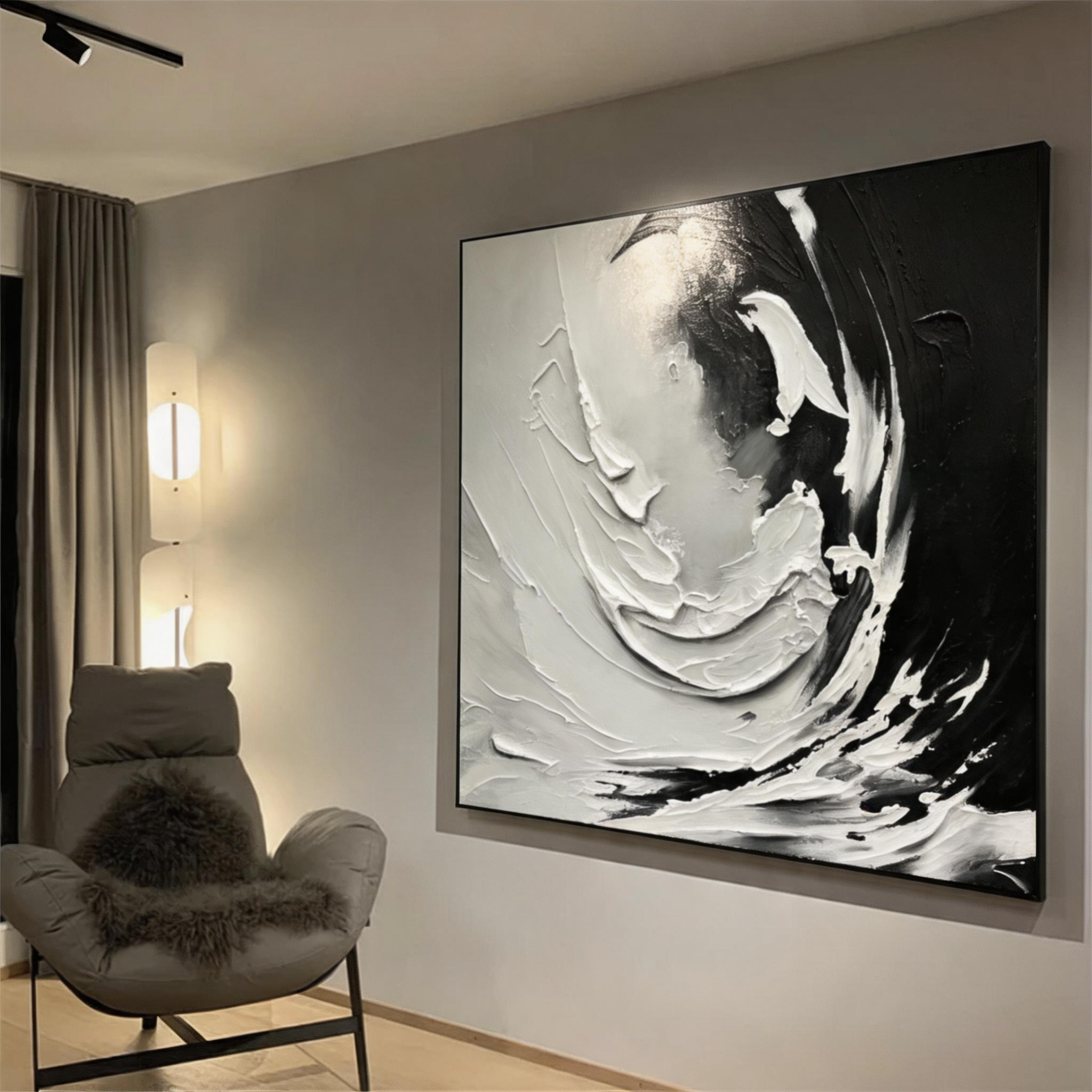
- Track lighting – Angle adjustable track heads toward your art wall. Warm white bulbs bring out the golden tones in vintage pieces.
- Natural light – If your room has good daylight, position art on walls that get indirect sun. Avoid direct sunlight—it fades pigments over time.
Never rely on overhead ceiling lights alone. They cast shadows and flatten colors. Your art deserves its own light source.
Edit Ruthlessly – Less Is More
This is the hardest step for most people. You find a great piece at a flea market. Then another. Then a third. Soon, you have 15 pieces and only 3 walls.
Here is the rule: For every new piece you bring in, consider removing one.
Rotate your collection seasonally. Store the rest in a flat file or under the bed. Change your walls every spring and fall. This keeps your home feeling fresh and gives each piece its moment to shine.
A wall with 4 carefully chosen vintage American artworks will always look better than a wall with 12 crowded ones.
Frame with Intention
Many people think they need to reframe everything with matching minimalist frames. That is a mistake.
Vintage American art looks best when the framing feels honest.
- If the original frame is intact, keep it—even if it shows wear.
- If you must reframe, choose simple wood or metal. Avoid glossy or overly decorative modern frames.
- Use acid-free mats to protect the paper, but do not over-mat. A 2–3 inch mat is plenty.
And here is a bold move: float-mount certain pieces—especially textiles or hand-painted signs—so you can see the ragged edges. That imperfection is part of the art.
Where to Find Authentic Vintage American Art
You do not need to go to high-end galleries. Some of the best vintage American art is still affordable if you know where to look:
- Estate sales – Often sell entire collections at 70–80% below retail.
- Facebook Marketplace / Craigslist – Search "vintage painting" or "mid-century art" daily. Good pieces sell fast.
- Thrift stores in small towns – Rural areas are goldmines for regional realist works.
- Antique malls – Look for booths that specialize in paper goods (prints, maps, advertisements).
- Online auctions – Sites like Eleanos Gallery have dedicated vintage American art categories.
Avoid reproductions. Look for signatures, handwritten notes on the back, or gallery labels. These details confirm authenticity and add storytelling value.

FAQ
Does vintage American art work in modern homes?
Yes. Pairing vintage artwork with modern furniture creates contrast and adds warmth, making contemporary spaces feel more inviting.
What colors work best with vintage American art?
Earth tones such as brown, beige, olive green, rust, navy, cream, and soft gray complement most vintage-inspired artwork.
Should every room have the same vintage style?
Not necessarily. Maintaining a consistent color palette while varying subjects and artwork sizes often creates a more natural and collected look.
Is vintage-inspired art better than buying original antiques?
It depends on your goals. Original vintage artwork offers historical value, while vintage-inspired pieces are typically more accessible, available in different sizes, and easier to incorporate into modern interiors.
Final Thoughts
Decorating with vintage American art is less about recreating the past and more about adding warmth, personality, and timeless character to your home. Whether you choose expansive Western landscapes, nostalgic Americana prints, peaceful countryside scenes, or classic mid-century illustrations, the right artwork can transform an ordinary room into a space that feels meaningful and lived in.
Start with one carefully chosen piece, build your collection over time, and focus on creating a home that reflects your personal style. Vintage American art isn't about following trends—it's about designing a space that feels authentic today and remains beautiful for years to come.




Leave a comment
This site is protected by hCaptcha and the hCaptcha Privacy Policy and Terms of Service apply.