
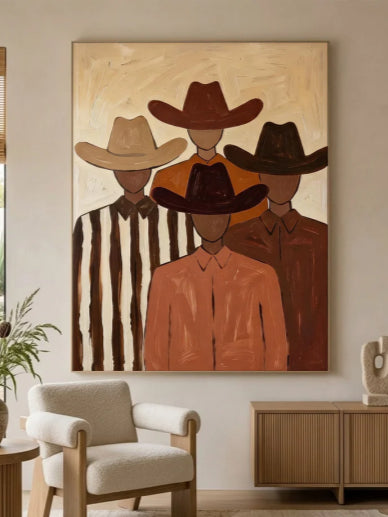
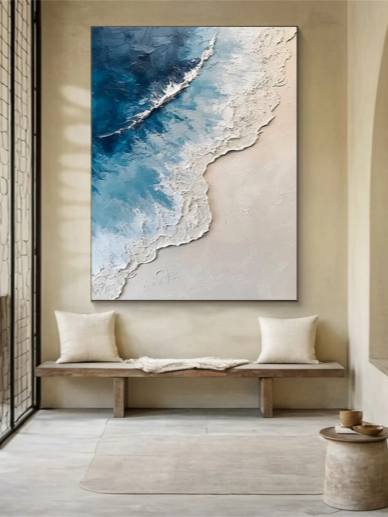
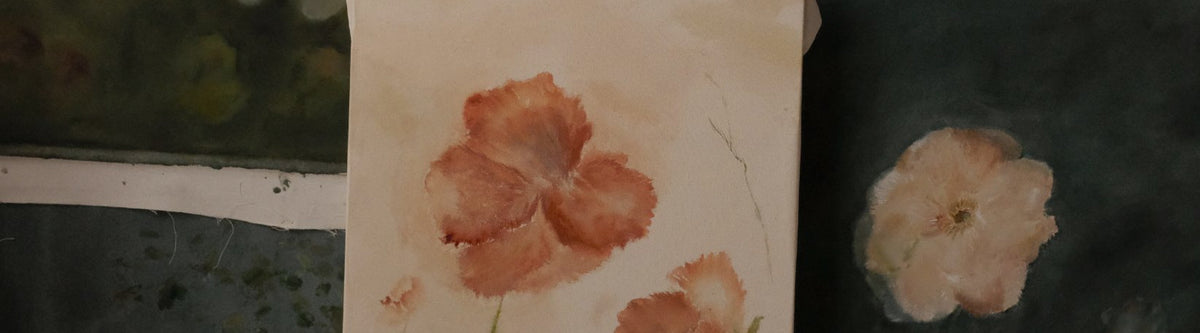


When it comes to transforming a room, both wallpaper and wall murals offer an easy way to add personality, style, and visual impact. However, many homeowners find themselves asking: wallpaper vs wall mural — what's the difference, and which one is the better choice?
While both are applied directly to walls, they serve very different design purposes. Traditional wallpaper focuses on repeating patterns and textures, while wall murals create large-scale artwork that can completely redefine a space.
In this guide, we'll compare wallpaper and wall murals in terms of appearance, installation, cost, durability, maintenance, and overall design impact to help you decide which option is right for your home.
What Is Wallpaper?
Wallpaper is a decorative design material printed in continuous rolls that is applied vertically to cover and transform interior walls. It typically features a repeating, seamless pattern or texture—such as geometric shapes, florals, or faux brick—and is designed to blend harmoniously with a room's architecture, serving as an immersive, stylistic background for an entire space or a single accent wall.

What Is a Wall Mural?
A wall mural is a large-scale, custom-sized wall covering that features a single, non-repeating image rather than a rolling pattern. Designed to fit the exact dimensions of a specific wall, it acts as a massive panoramic canvas—such as a realistic landscape, a large photography print, or an expansive abstract artwork—and serves as a dramatic, show-stopping focal point that transforms the entire vibe of a room.

The Key Differences with Wallpaper and Wall Mural?
| Feature | Wallpaper | Wall Mural |
|---|---|---|
| Design Style | Repeating patterns | Single large image |
| Visual Impact | Moderate | High |
| Customization | Limited | Highly customizable |
| Best For | Entire rooms | Feature walls |
| Installation Difficulty | Easier | More precise |
| Cost | Generally lower | Generally higher |
| Trend Longevity | Longer-lasting | Depends on image choice |
| Decorative Function | Background element | Main focal point |
Which One Is Better for Your Home?
Aesthetic Impact & Design Flexibility
Wall Mural:
If you want a wow factor, murals win hands down. A photorealistic mountain range behind your bed or a vintage map in your office creates a focal point instantly. Murals are ideal for accent walls and can make a small room feel larger (using perspective tricks, like a deep forest path).
Wallpaper:
Wallpaper offers subtlety and uniformity. It’s perfect for entire rooms where you need consistency—like a bathroom, hallway, or children’s playroom. Modern wallpaper includes textures (linen, grasscloth) and sophisticated patterns that add depth without screaming for attention.
Cost Analysis
| Feature | Standard Wallpaper | Custom Wall Mural |
|---|---|---|
| Price per sq ft | 4 | 15+ |
| Custom design fee | None (off-the-shelf) | Often 200 |
| Typical room cost (10x10) | 400 | 1,500 |
Pro tip: While murals are more expensive upfront, a cheap wallpaper can look dated in two years. A high-quality mural, however, becomes art. You generally do not put furniture in front of a feature mural.
Installation Difficulty
Wallpaper is notoriously tricky to install well. Matching repeating patterns requires precision. Air bubbles, misaligned seams, and shrinkage gaps are common DIY mistakes. Peel-and-stick wallpaper has improved this, but traditional paste-the-wall paper is best left to pros.
Wall Mural (especially modern peel-and-stick polyester or non-woven fabric) is surprisingly DIY-friendly. Murals are often printed in large vertical panels labeled “1 of 5,” “2 of 5,” etc. You match the image, not a repeating pattern. This makes alignment much easier.
Durability & Maintenance
- Washability: Vinyl wallpaper is highly washable—great for kitchens and kids’ rooms. Paper-based murals are often delicate and can be damaged by scrubbing.
- Fading: Murals with high-quality UV ink resist fading for 5–10+ years. Cheap wallpaper fades noticeably within 2–3 years in sunny rooms.
- Repairability: If a wallpaper strip gets torn, you can patch it with a leftover roll. If a mural panel gets damaged, the entire mural is compromised (unless you saved the original print file for reprinting a single panel).
Removal & Renovation
Nobody wants a nightmare removal process.
- Traditional wallpaper often requires steamers, chemicals, and hours of scraping. Non-woven wallpapers are strippable (dry peel), but many are not.
- Modern peel-and-stick murals are designed for easy removal. Heat the panel with a hairdryer, peel slowly, and usually no residue remains. The wall is ready to paint or re-paper in an hour.
Caution: Cheap murals from big-box stores use low-tack adhesives that either fall off or turn into glue residue upon removal.
Environmental & Health Factors
- VOCs (Volatile Organic Compounds): Many traditional wallpapers use PVC (vinyl) and emit VOCs for months. High-quality murals often use water-based latex inks (low-VOC) on polyester or paper substrates.
- Mildew: In humid bathrooms, wallpaper paste can grow mold behind the surface. Modern murals applied directly to drywall with permeable adhesives breathe better.
- Recyclability: Paper-based wallpapers are compostable but short-lived. Polyester murals last decades but are not easily recycled.
Which Holds Resale Value?
- Neutral wallpaper (light gray linen, subtle stripe) in good condition adds value because it looks finished and expensive.
- Bold wallpaper (bright floral, intense geometric) lowers value – buyers see it as work to remove.
- A wall mural in a primary bedroom or living room is seen as a staging feature – memorable and unique. However, a very personal mural (family name, specific hobby) will need to be removed before selling.
If you plan to sell within 5 years, choose removable murals or neutral wallpaper. If this is your forever home, go dramatic with a mural.

Wallpaper vs Wall Mural for Different Rooms
Living Room
Wallpaper Works Best If:
- You want a timeless design.
- The room already contains statement furniture.
- You prefer subtle elegance.
Wall Mural Works Best If:
- You have a large blank wall.
- You want a dramatic focal point.
- The room feels visually plain.
Bedroom
Wallpaper Works Best If:
- You prefer a cozy, relaxing atmosphere.
- You enjoy classic interior styles.
Wall Mural Works Best If:
- You want a feature wall behind the bed.
- You enjoy immersive designs, such as nature scenes.
Home Office
Wall Mural Works Best If:
- You want to add inspiration and personality to your workspace.
- You enjoy bold visuals like mountains, forests, abstract art, or city skylines.
Wallpaper Works Best If:
- You prefer a more professional and understated appearance.
Note: Murals are increasingly popular in home offices for their ability to energize and personalize the work environment.
Kids' Rooms
Wall Mural Works Best If:
- You want to create an immersive environment.
- Your child enjoys themes like space exploration, dinosaurs, fairy tales, animals, or underwater worlds.
Wallpaper Works Best If:
- You want a more flexible design that can grow with your child over time.
Note: Wall murals often outperform wallpaper in children's spaces because they turn a room into an imaginative world.
Which Should You Choose?
When Should You Choose Wallpaper?
- Wallpaper may be the better option if:
- You want a timeless design.
- You are decorating an entire room.
- You prefer subtle visual texture.
- You enjoy frequently updating interior décor.
- You have a smaller budget.
When Should You Choose a Wall Mural?
- A wall mural may be the better choice if:
- You want maximum visual impact.
- You need a statement wall.
- You love artistic or personalized designs.
- You want to make a small room feel larger.
- You prefer wall décor that doubles as artwork.
The Hybrid Trend: Wallpaper + Mural
A growing trend is using plain wallpaper on three walls and a matching mural on the fourth. For example, a subtle gray grasscloth wallpaper on three walls, and a black-and-white botanical mural on the accent wall. This gives you the best of both worlds: consistency and drama.

FAQ
Q: Can you put a mural over wallpaper?
A: No. Remove old wallpaper first. Mural adhesive needs bare, clean drywall.
Q: Which is cheaper for a large wall?
A: Wallpaper. But for a 4-foot accent, a mural can be cheaper than buying multiple wallpaper rolls.
Q: Do murals look cheap?
A: Low-resolution murals look terrible. High-resolution, matte-finish murals look like hand-painted art.
Q: How long do murals last?
A: 7–15 years indoors, away from direct sunlight. Some premium murals last 20+ years.
Final Verdict
The choice between wallpaper and a wall mural ultimately depends on your design goals.
Choose wallpaper if you want a versatile, timeless, and budget-friendly solution that enhances an entire room with pattern and texture.
Choose a wall mural if you want a bold statement piece that transforms a wall into artwork and creates a memorable visual experience.
For many homeowners, the ideal solution isn't choosing one over the other. Instead, combining wallpaper's subtle elegance with a mural's dramatic impact can create a beautifully balanced interior that feels both stylish and personal.
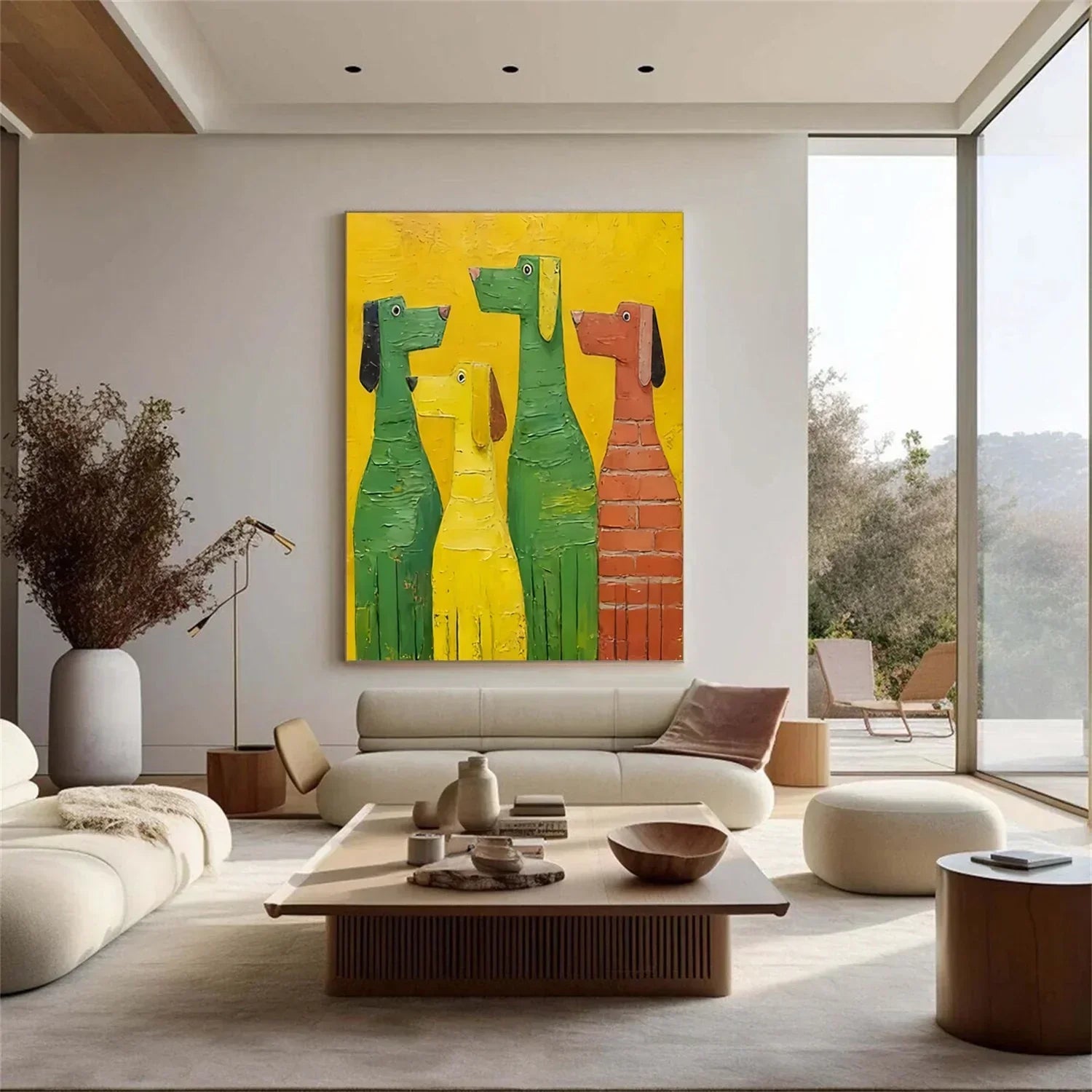
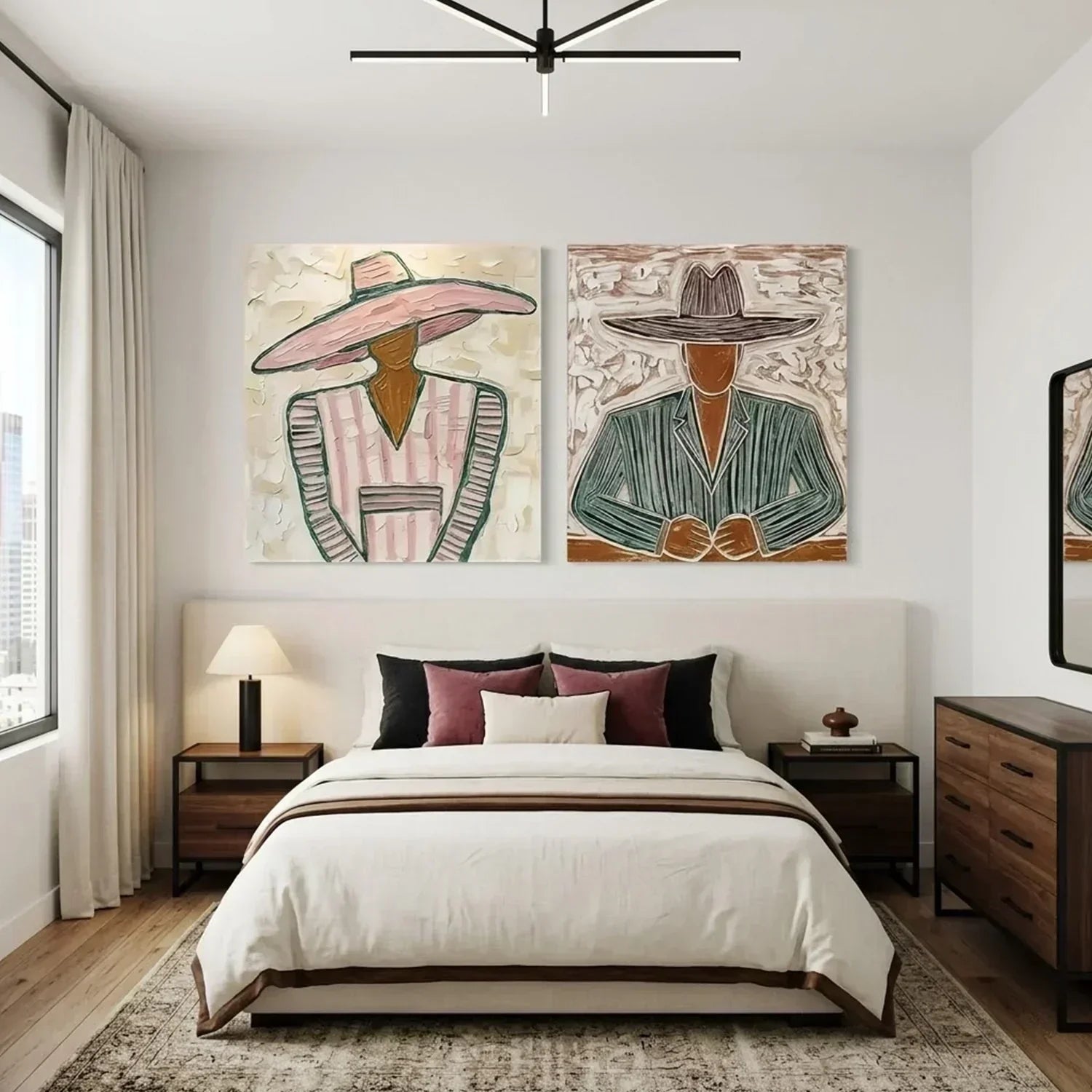
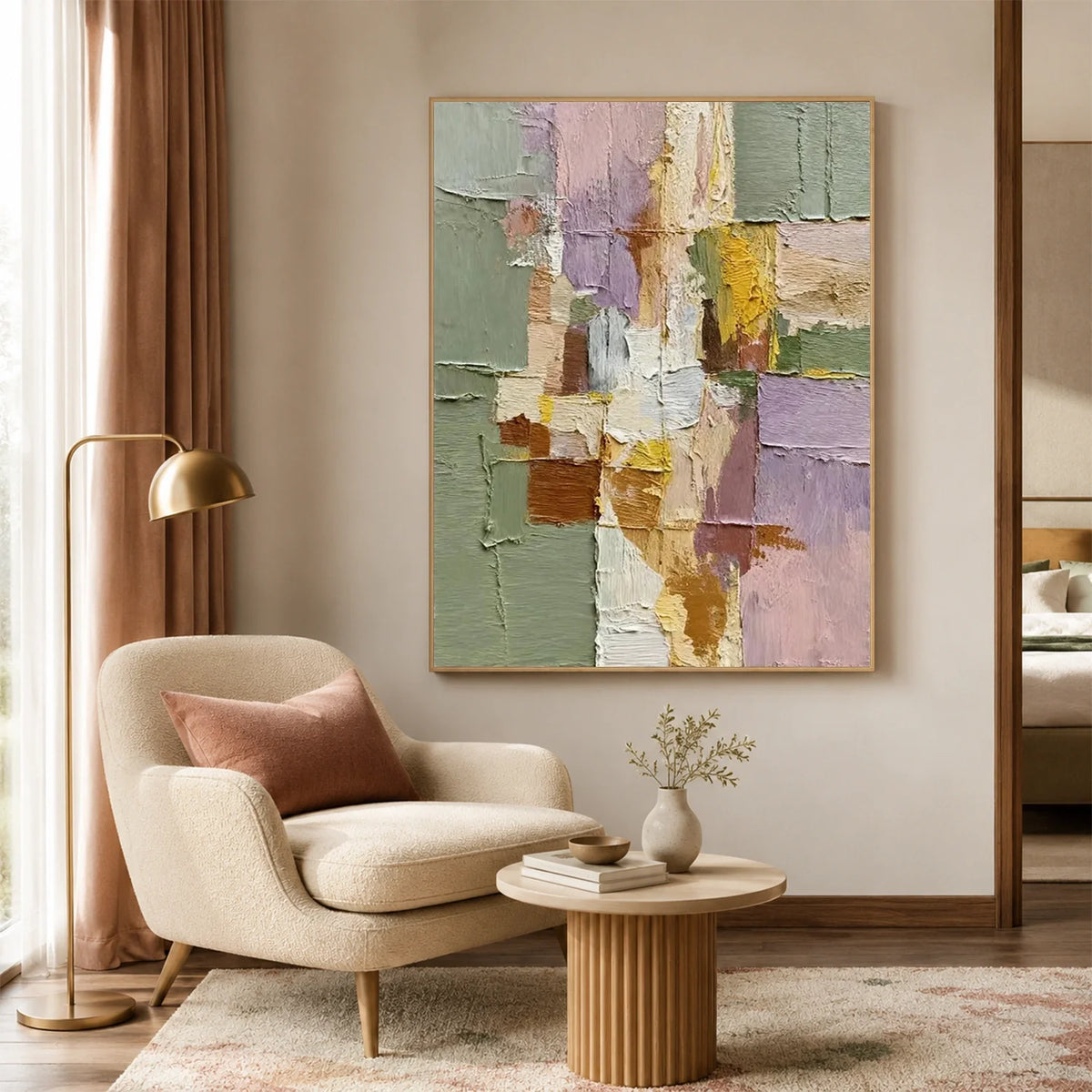
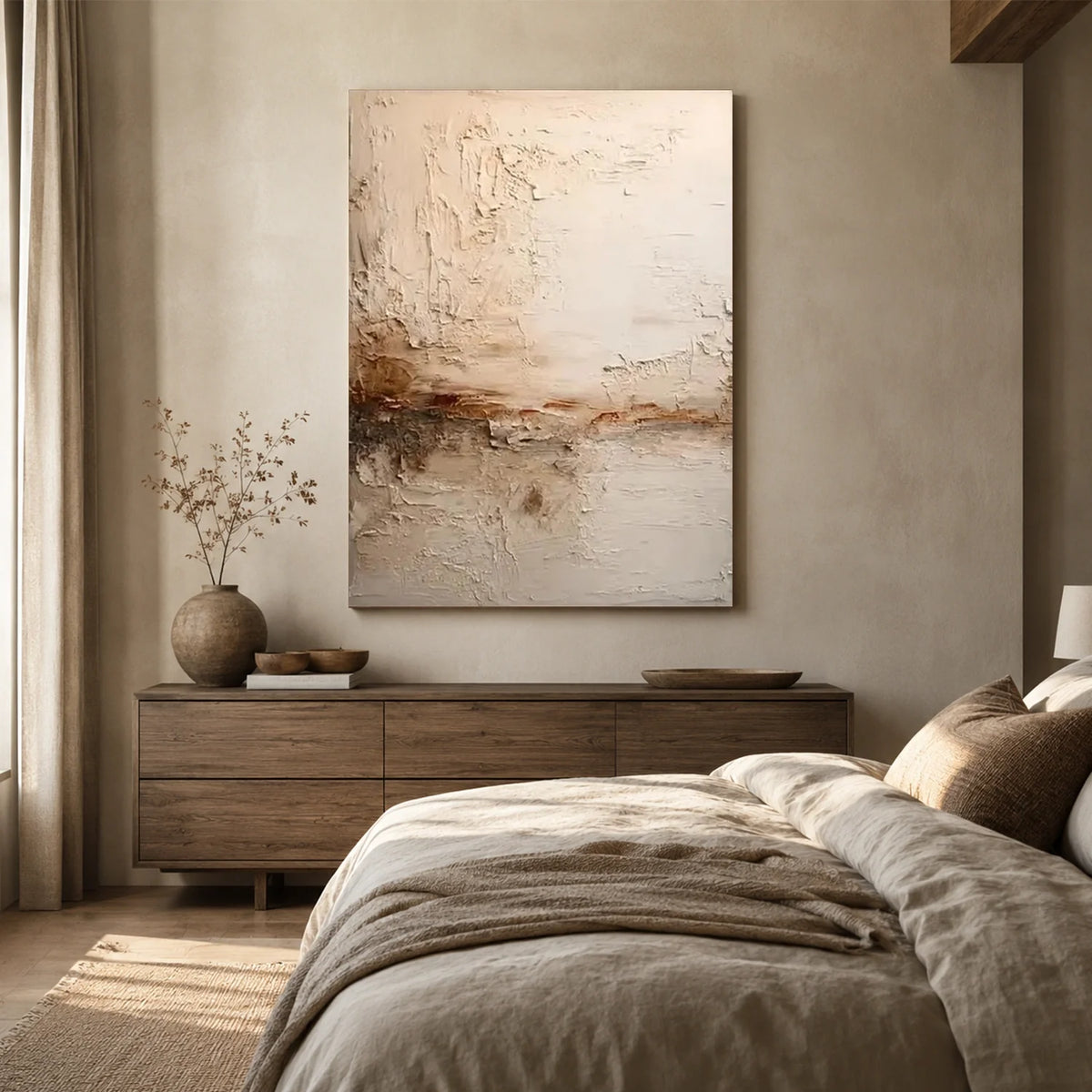
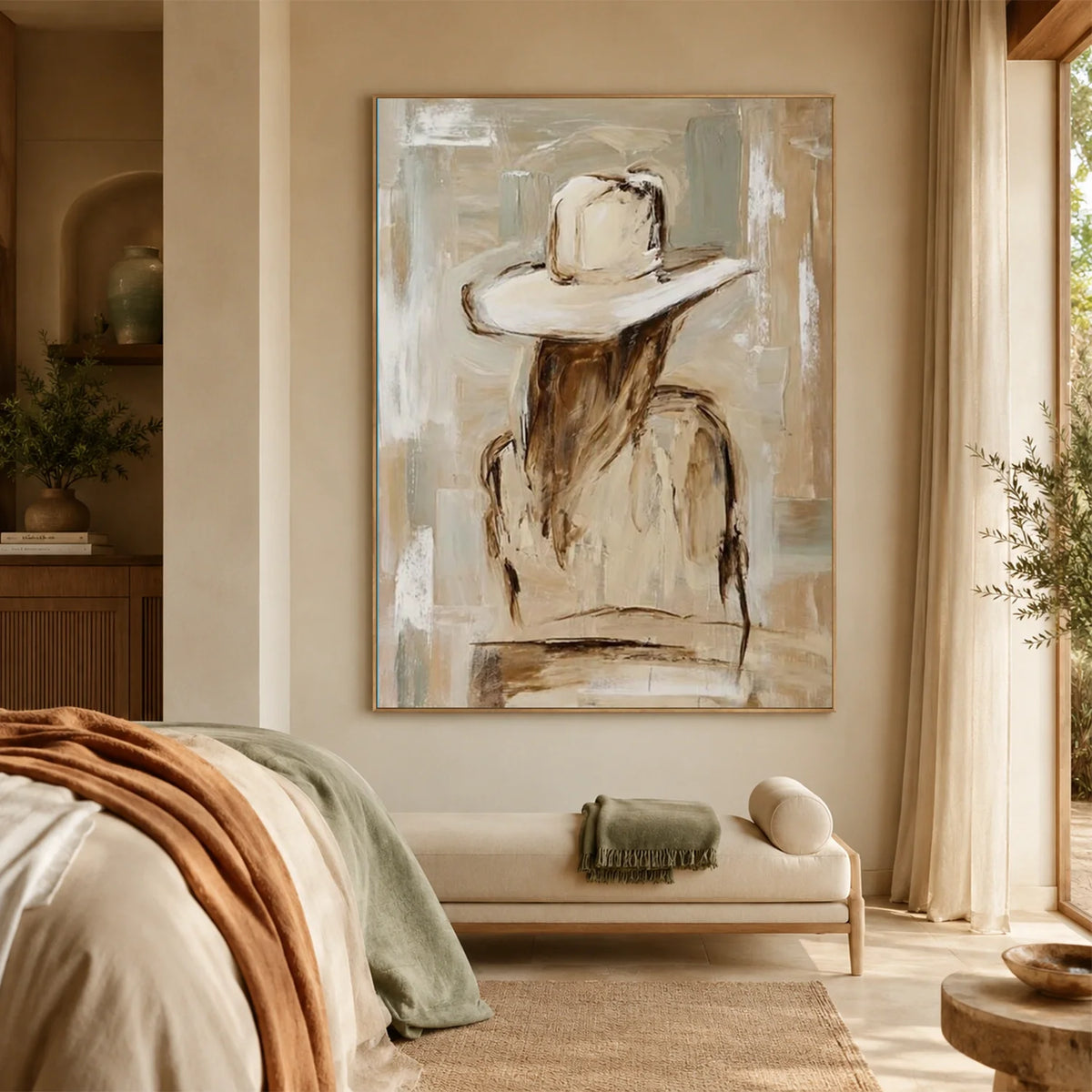
Collections from Eleanos Gallery feature handcrafted 3D textured paintings, contemporary abstract artwork, and minimalist designs that bring dimension and character to otherwise plain walls. These original wall mural create depth through real texture rather than printed effects, making them a sophisticated focal point for living rooms, dining areas, and bedroom headboard walls.




Leave a comment
This site is protected by hCaptcha and the hCaptcha Privacy Policy and Terms of Service apply.