
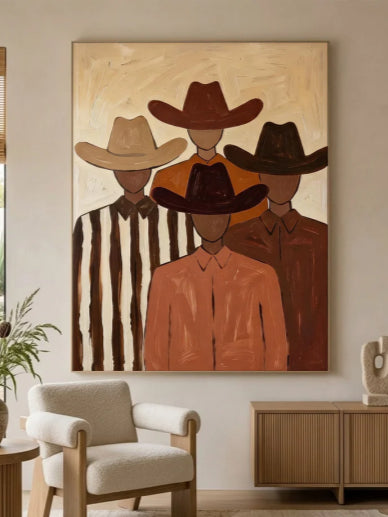
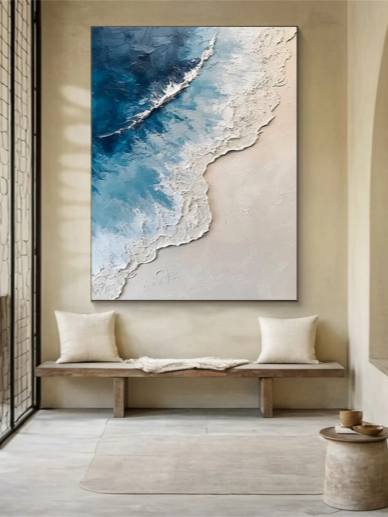


Interior designers often make a room feel complete with one carefully selected artwork. But finding the right piece is usually more complicated than choosing something that matches the sofa or wall color.
Professional designers use a combination of galleries, artist relationships, online platforms, art consultants, and personal networks to discover artwork that fits both the space and the people living in it.
The goal is not simply to fill an empty wall. It is to find artwork that adds meaning, personality, and visual balance to the interior.
Why Do Interior Designers Use Fine Art in Interior Design?
For many designers, artwork is more than just wall decoration. It helps shape the atmosphere of a room and adds a layer of character that furniture alone cannot create.
A well-selected artwork can:
- Add color and texture to a neutral space
- Create a visual focal point
- Reflect the homeowner’s personality
- Balance different design elements in a room
- Make a space feel more intentional and finished
Unlike mass-produced decor, fine art often brings a sense of uniqueness and craftsmanship that makes an interior feel more personal.
Where Do Interior Designers Source Fine Art?
Exclusive Trade Galleries & Art Fairs
For high-end or bespoke projects, interior designers often go directly to primary art market sources: art galleries and major trade fairs.
- Art Galleries: Designers establish long-term relationships with gallery directors. These relationships give designers access to private viewings, early access to new collections, and trade discounts.
-
Art Fairs: Events like Art Basel, Frieze, or regional design fairs allow designers to discover emerging artists from around the world in one weekend.

Specialized Fine Art E-Commerce & Curated Studios
Not every project has the budget or timeline for a gallery original. Today, designers frequently turn to curated art studios and specialized e-commerce platforms.
Rather than scrolling through massive, generic market platforms, designers favor boutique online galleries and direct studio sites that specialize in specific aesthetics—such as 3D textured canvas art, Japandi minimalist prints, or oversized diptychs.
- Customization Options: Many specialized studios allow designers to customize canvas sizes, framing styles, and color palettes to match a room's specific scheme.
- Consistency & Quality: Boutique studios maintain strict quality control on materials (linen canvases, solid wood floating frames), ensuring the physical art matches the high rendering quality presented to the client.
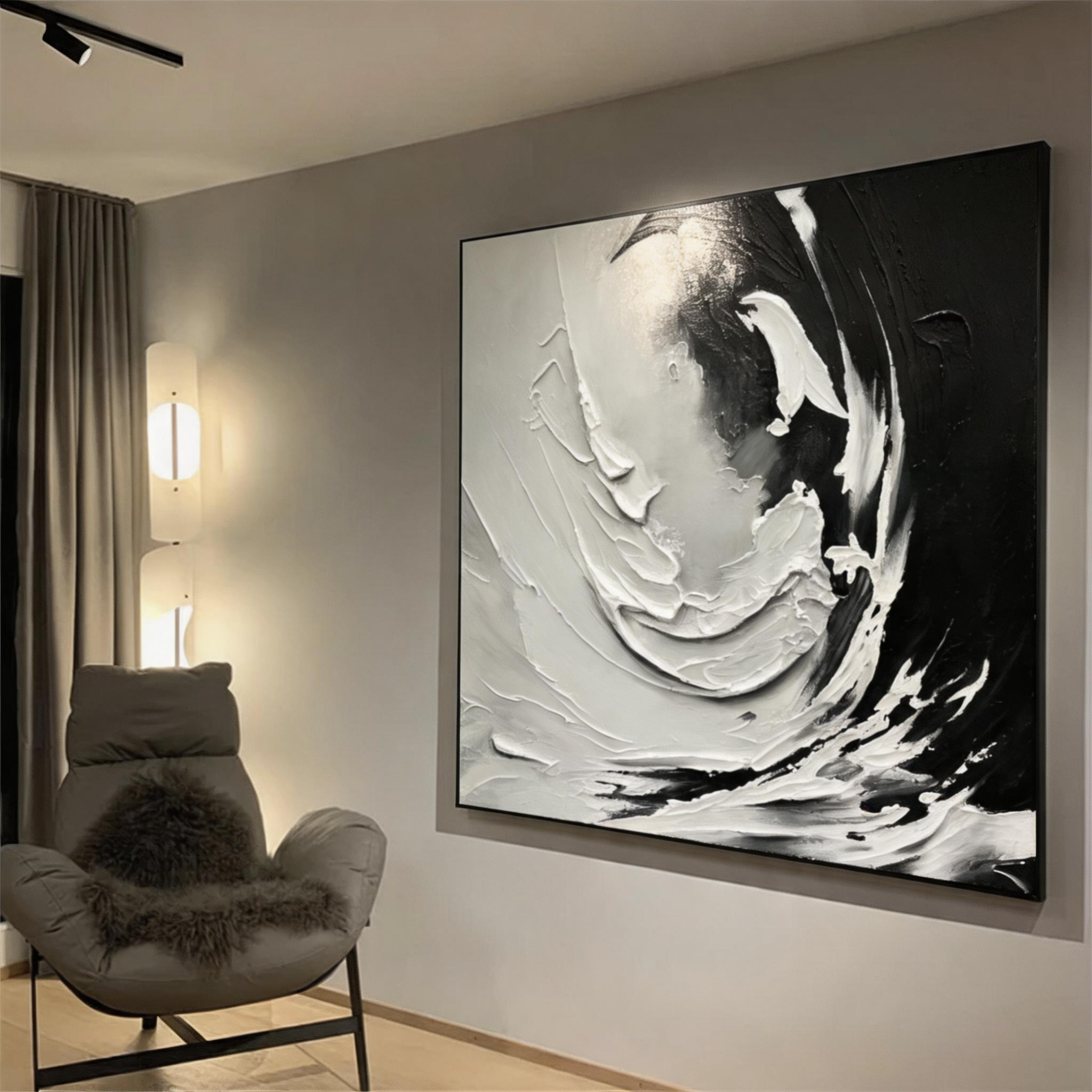
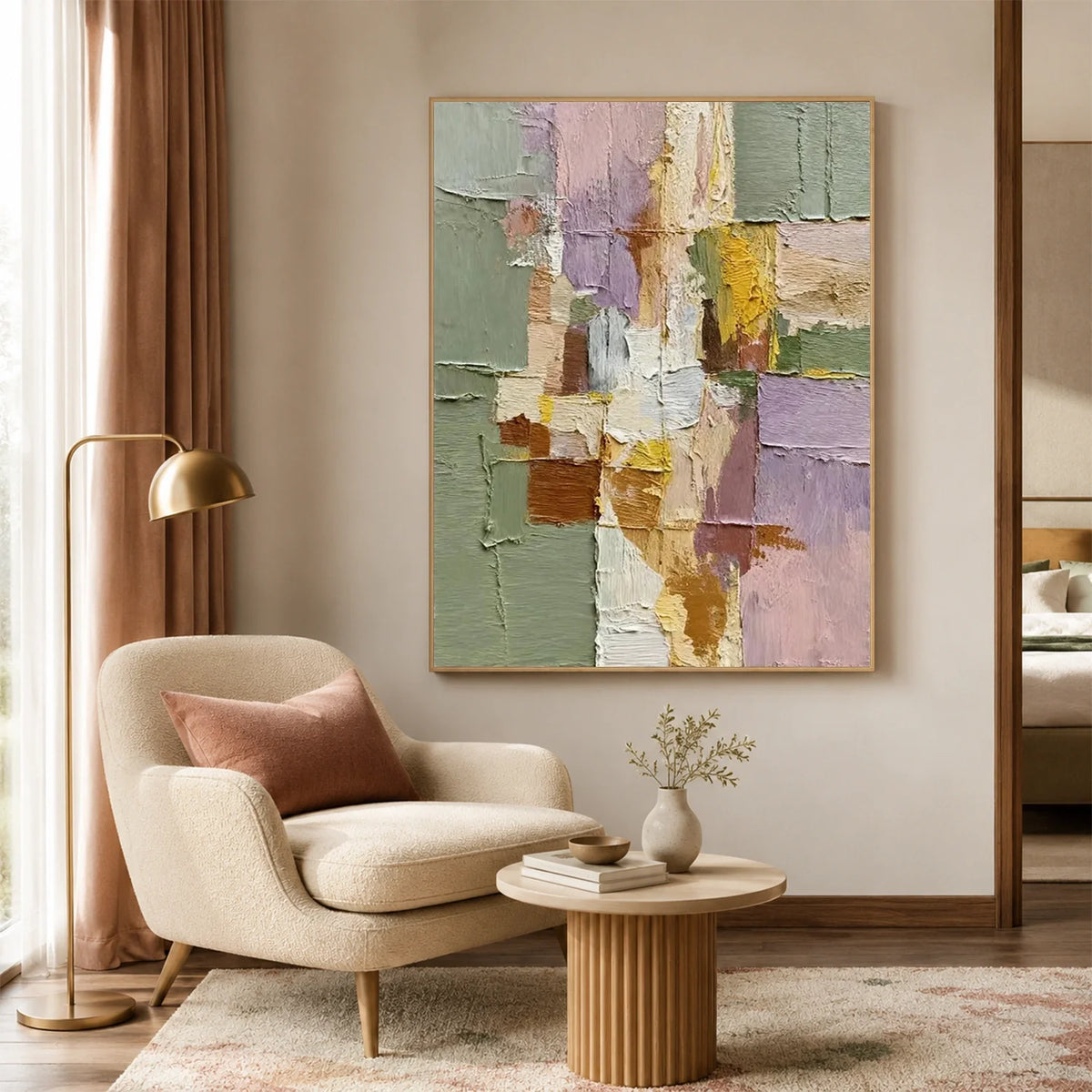
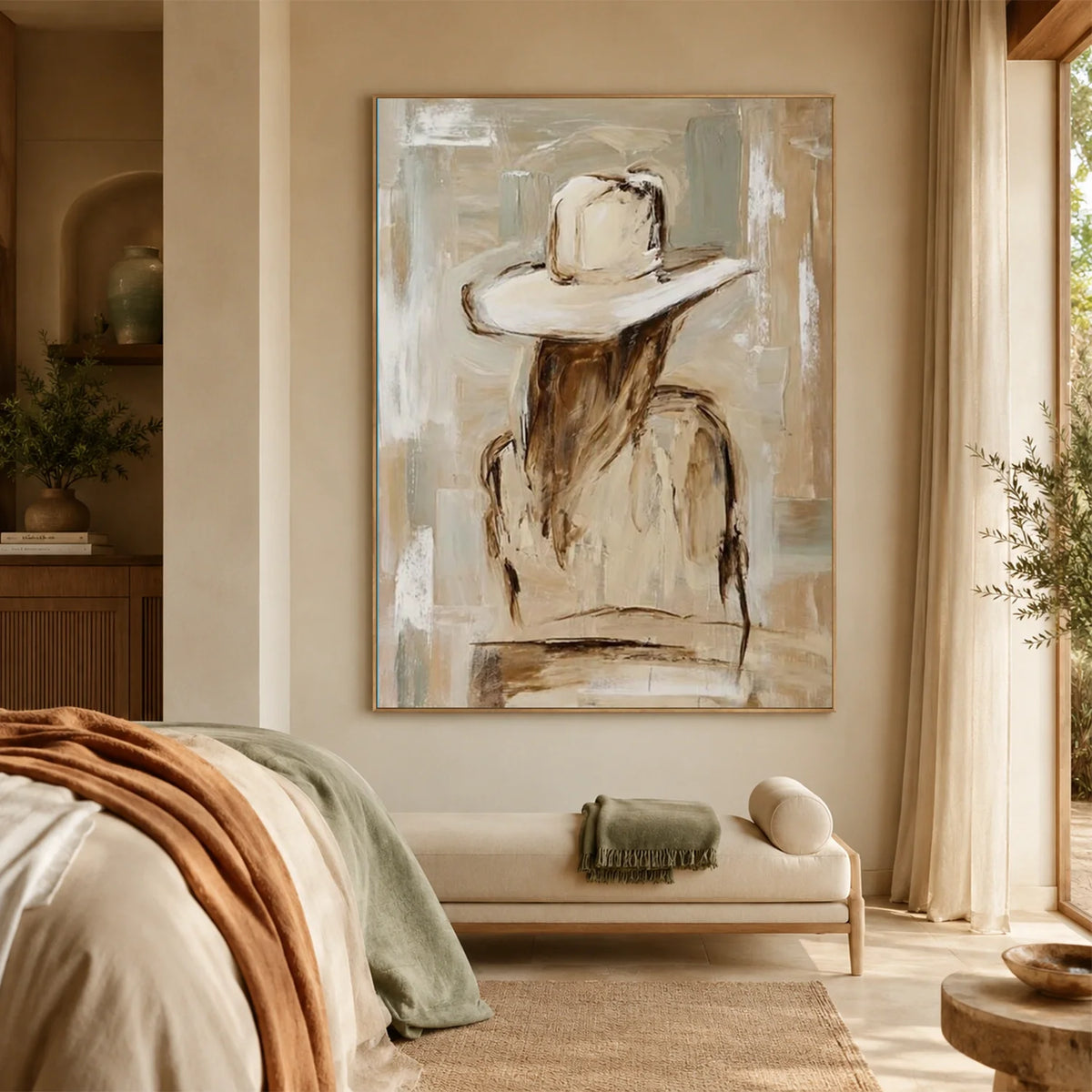
For example, Eleanos Gallery is one boutique art studio offering handcrafted textured wall art for homeowners and interior professionals. Its abstract and minimalist collections focus on layered textures, soft tones, and timeless designs that complement a variety of interior styles.

Direct Commissioning with Emerging Artists
When a room requires exact dimensions or a precise color scheme, designers often skip ready-made inventory and commission artists directly.
How does the commissioning process work?
- The Brief: The designer provides the artist with room dimensions, color swatches, mood boards, and lighting conditions.
- The Sketch/Concept: The artist creates a preliminary sketch or color mock-up.
- The Creation: The artist produces the piece, providing mid-progress updates to ensure alignment.
Direct commissioning is common when styling focal walls that require custom proportions, such as large 3D canvas art where the texture and depth need to interact with dynamic room lighting.
Vintage Markets, Antique Dealers, and Auctions
To give a home character and a "lived-in" feel, designers avoid decorating exclusively with brand-new items. They layer in vintage and antique artwork.
Designers source vintage fine art through:
- Estate Sales & Flea Markets: Local sources for hidden gems, oil sketches, and historical frames.
- Online Antique Portals: Platforms like 1stDibs or Chairish offer verified vintage oil paintings, sketches, and antique prints.
- Auction Houses: Great for sourcing mid-century modern art or classic architectural prints with historic significance.

You May Also Like:14 Best Places to Buy Affordable Large Wall Art
How Designers Decide What Art to Buy
Sourcing art isn't just about finding something pretty; it’s about finding the right piece for the specific space. Designers rely on a few trusted spatial rules:
Scale & Proportion
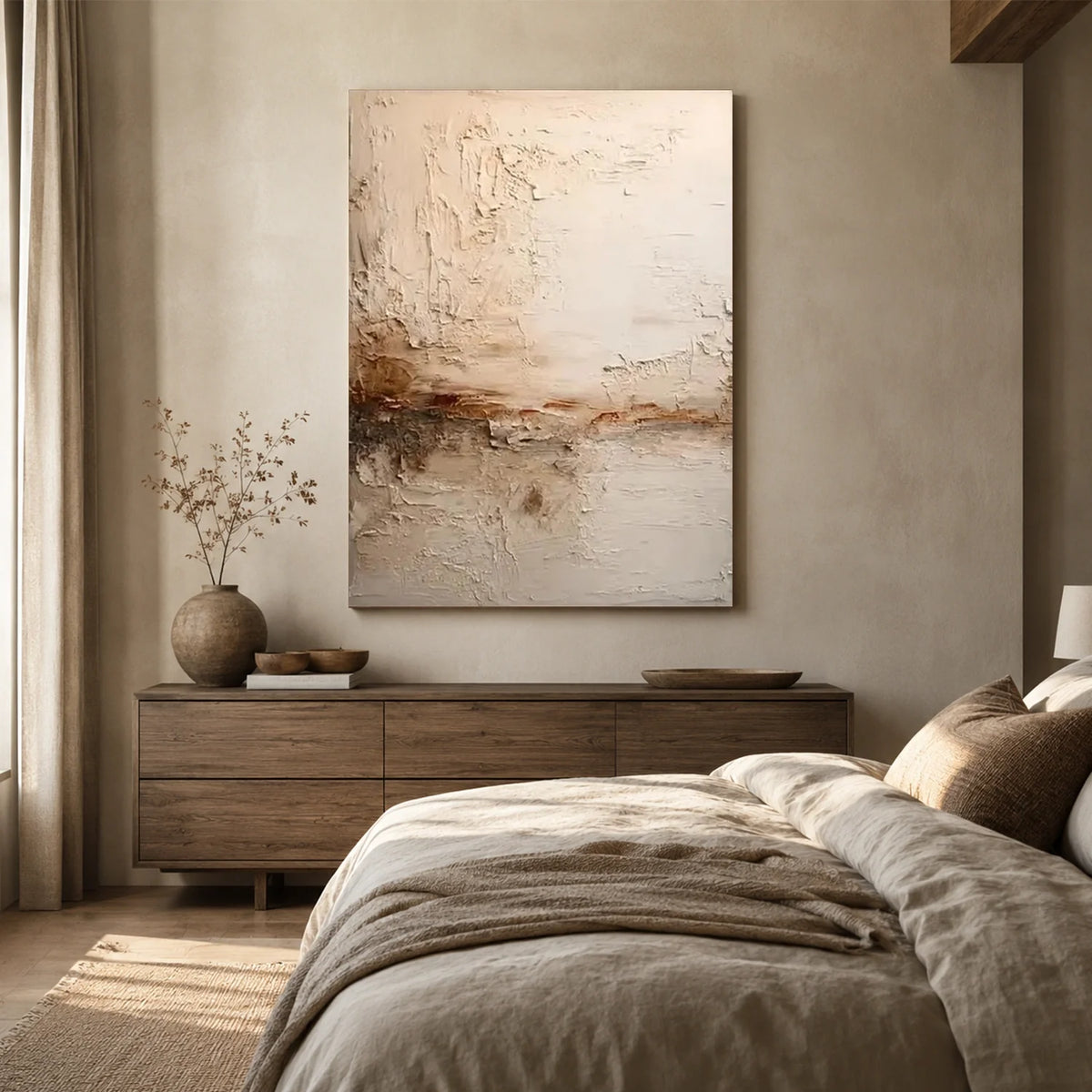
An artwork that is too small will look lost; one that is too large will overpower the room. As a rule of thumb, art hanging above a sofa, bed, or console table should span roughly 60% to 75% of the furniture's total width.
Hanging Height
Designers rarely hang art at eye level based on their own height. Instead, they position the center of the artwork 57 to 60 inches from the floor, which is the standard eye level used in museum and gallery curation.
Color Harmony
Designers consider how the art interacts with the room's overall palette:
- 70% Dominant Tone: Neutrals on walls and large furniture.
- 20% Secondary Tone: Rugs, curtains, or main accent upholstery.
- 10% Accent Color: Pops of color, texture, or contrast found within the artwork itself.

How Can Homeowners Source Art Like Interior Designers?
You do not need a professional designer to find beautiful artwork. Homeowners can use many of the same strategies.
Start by considering:
-
The feeling you want to create: Do you want your space to feel calm, dramatic, modern, or warm?
-
The colors already in your room: Look for artwork that complements your furniture, rugs, and accessories.
-
The size of your wall: Measure your space before purchasing to avoid choosing artwork that feels too small.
-
The materials and craftsmanship: Pay attention to texture, quality, and how the artwork is made.
Final Thoughts
Interior designers source fine art through a combination of professional connections, galleries, artists, online platforms, and personal discovery.
The biggest difference between designer-selected artwork and ordinary wall decor is the intention behind the choice. Designers are not simply filling empty walls — they are selecting pieces that help tell a story about the space and the people who live there.
Whether you choose an original painting, handcrafted artwork, or a carefully selected print, the right piece can transform a room into a more personal and memorable place.
FAQ
Do interior designers use original art or prints?
Designers often use both. Original artwork adds uniqueness, while high-quality prints offer more flexibility in size and budget.
How do designers choose artwork for a room?
They consider the client’s style, room size, color palette, interior design style, and the overall feeling they want to create.
Do interior designers work directly with artists?
Yes. Many designers collaborate with artists to commission custom pieces or find artwork that fits specific project requirements.
How much should you spend on artwork for interior design?
The budget depends on the project, but designers usually focus on quality, scale, and how well the artwork fits the space rather than price alone.




Leave a comment
This site is protected by hCaptcha and the hCaptcha Privacy Policy and Terms of Service apply.