
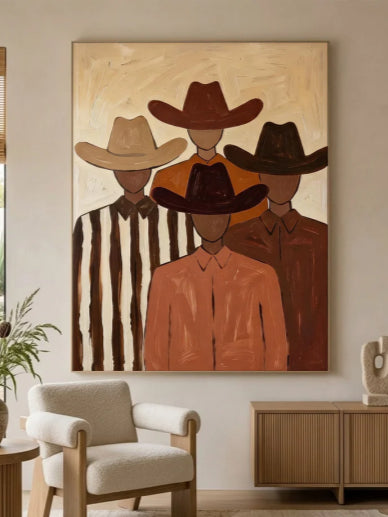
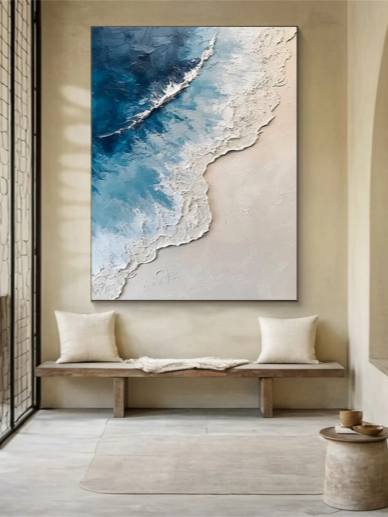
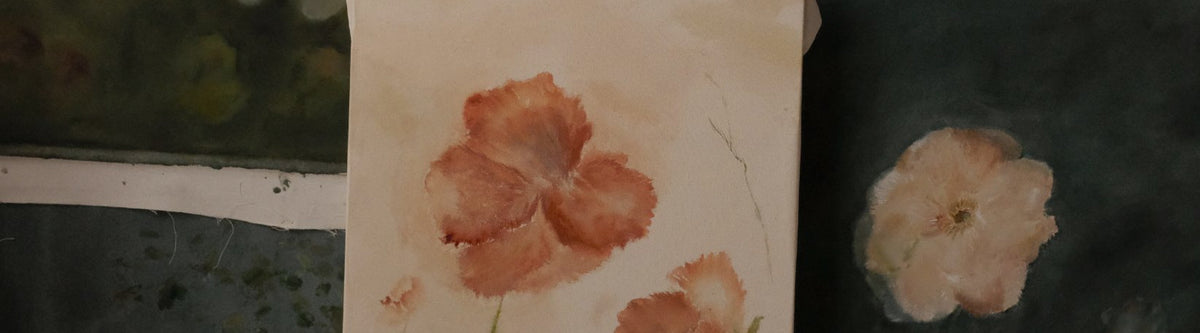


A well-designed living room usually has one element that naturally draws attention the moment you walk in. This element is called a focal point — a visual anchor that gives the room personality, balance, and direction.
While fireplaces, furniture, and architectural features can serve as focal points, wall art is one of the easiest and most effective ways to create a stunning centerpiece. The right artwork can transform an empty wall into a statement feature, add character to your space, and tie together your furniture, colors, and overall design style.
However, choosing wall art as a focal point is not simply about finding a beautiful painting. The artwork needs to match the scale of your room, complement your furniture, and create the right atmosphere.
In this guide, we’ll explore how to choose wall art that becomes the perfect focal point for your living room.
What Is a Focal Point in Living Room Design?
A focal point is the main visual feature that attracts attention and creates a sense of hierarchy in a room.
In interior design, a focal point helps answer the question: “Where should my eyes naturally go when I enter this space?”
Common living room focal points include:
- A fireplace
- A large window with a view
- A statement sofa
- A TV wall
- A large piece of wall art
When a room lacks a clear focal point, it can feel unfinished or visually confusing. Wall art provides an opportunity to create structure while expressing your personal style.

Why Wall Art Works So Well as a Living Room Focal Point
Wall art is one of the easiest ways to create a focal point in your living room. It adds visual interest, expresses your personal style, and helps bring the entire space together. Unlike major furniture changes or renovations, the right artwork can instantly transform a room and give it a more intentional look.
It Creates Instant Visual Impact
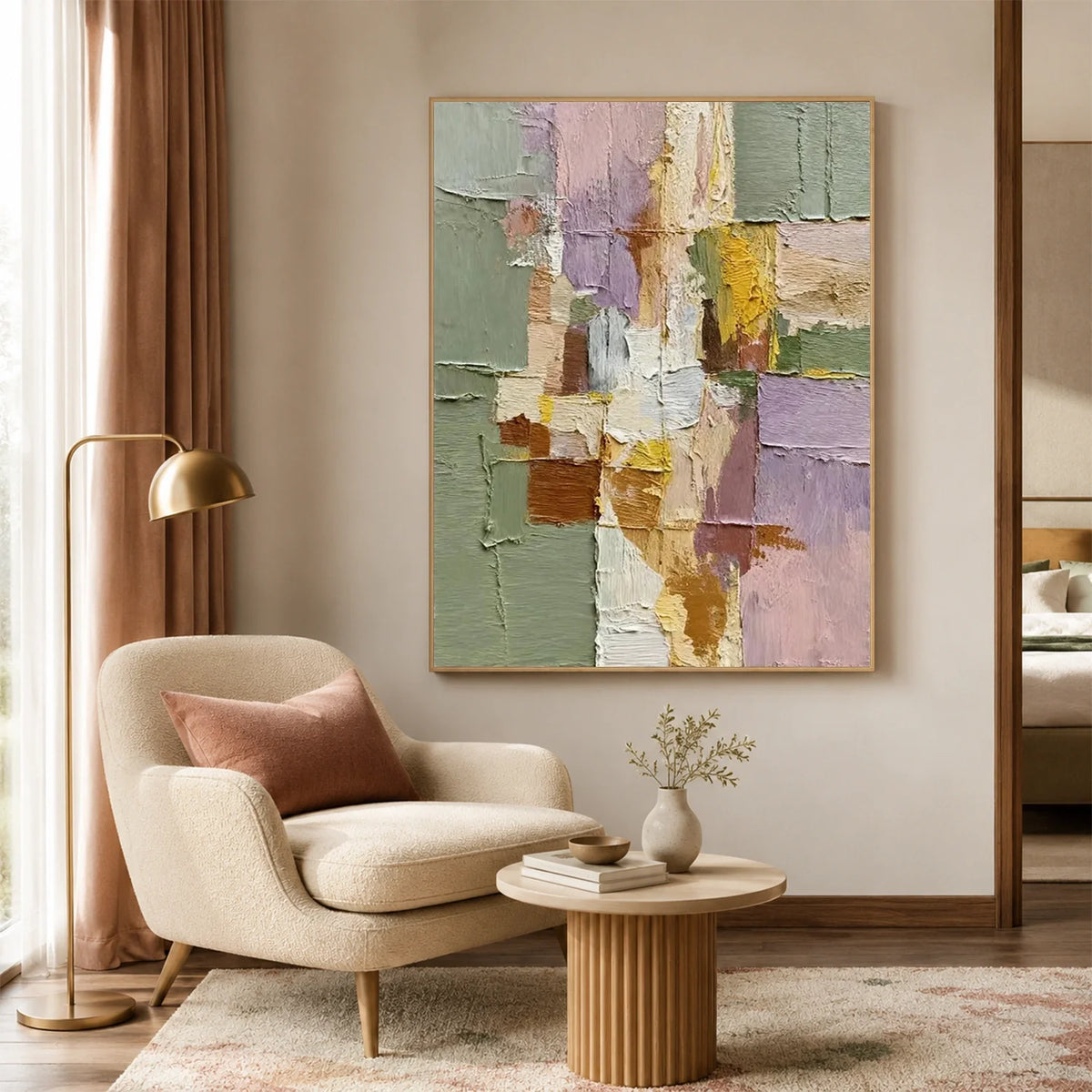
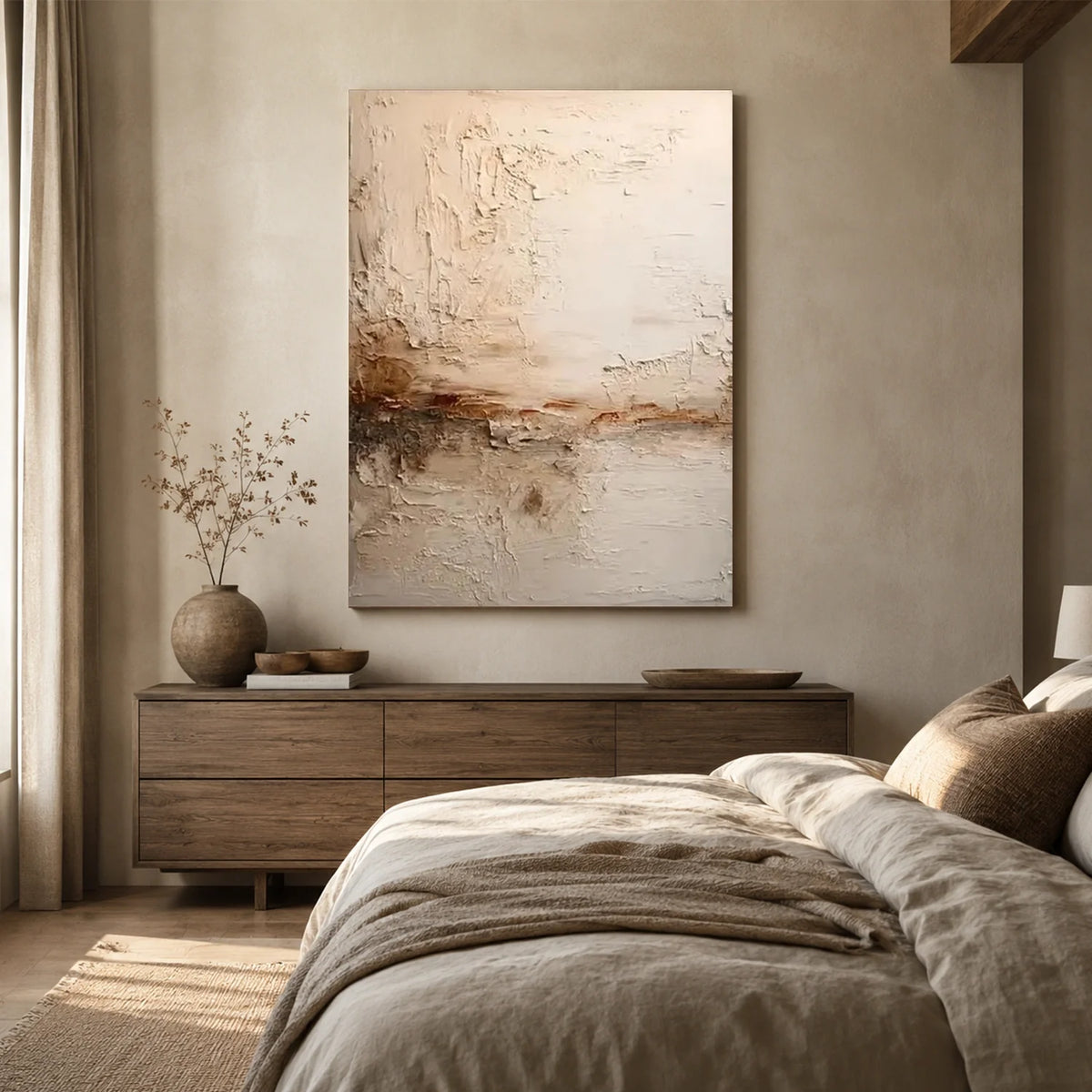
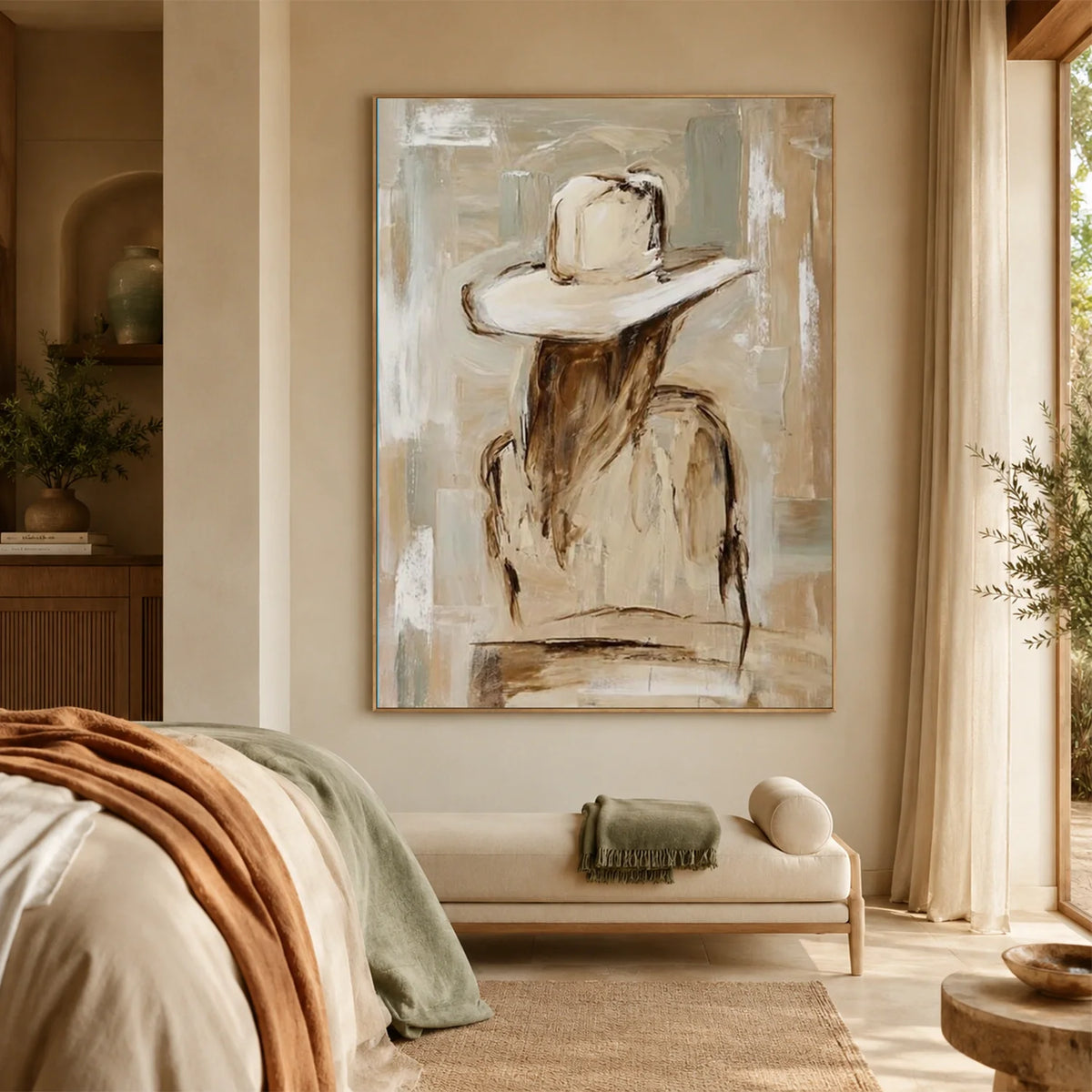
A large piece of wall art can quickly become the centerpiece of your living room. Oversized abstract paintings, textured wall art, and minimalist canvases naturally attract attention and add depth to an empty wall.
Whether placed above a sofa, fireplace, or feature wall, statement artwork can make the space feel more balanced, stylish, and thoughtfully designed.
It Reflects Your Personality and Style
Unlike furniture, which is often chosen for function, artwork brings emotion and personality into your home. The style you choose can shape the atmosphere of your living room and showcase your taste.
Minimalist wall art creates a calm and refined feeling, abstract paintings add a modern artistic touch, while nature-inspired or textured artwork can make a space feel warmer and more inviting.
It Connects Different Design Elements
The right wall art can tie together different elements in your living room, including your sofa, rugs, lighting, and decorative accessories. By matching or complementing existing colors and textures, artwork helps create a more cohesive design.
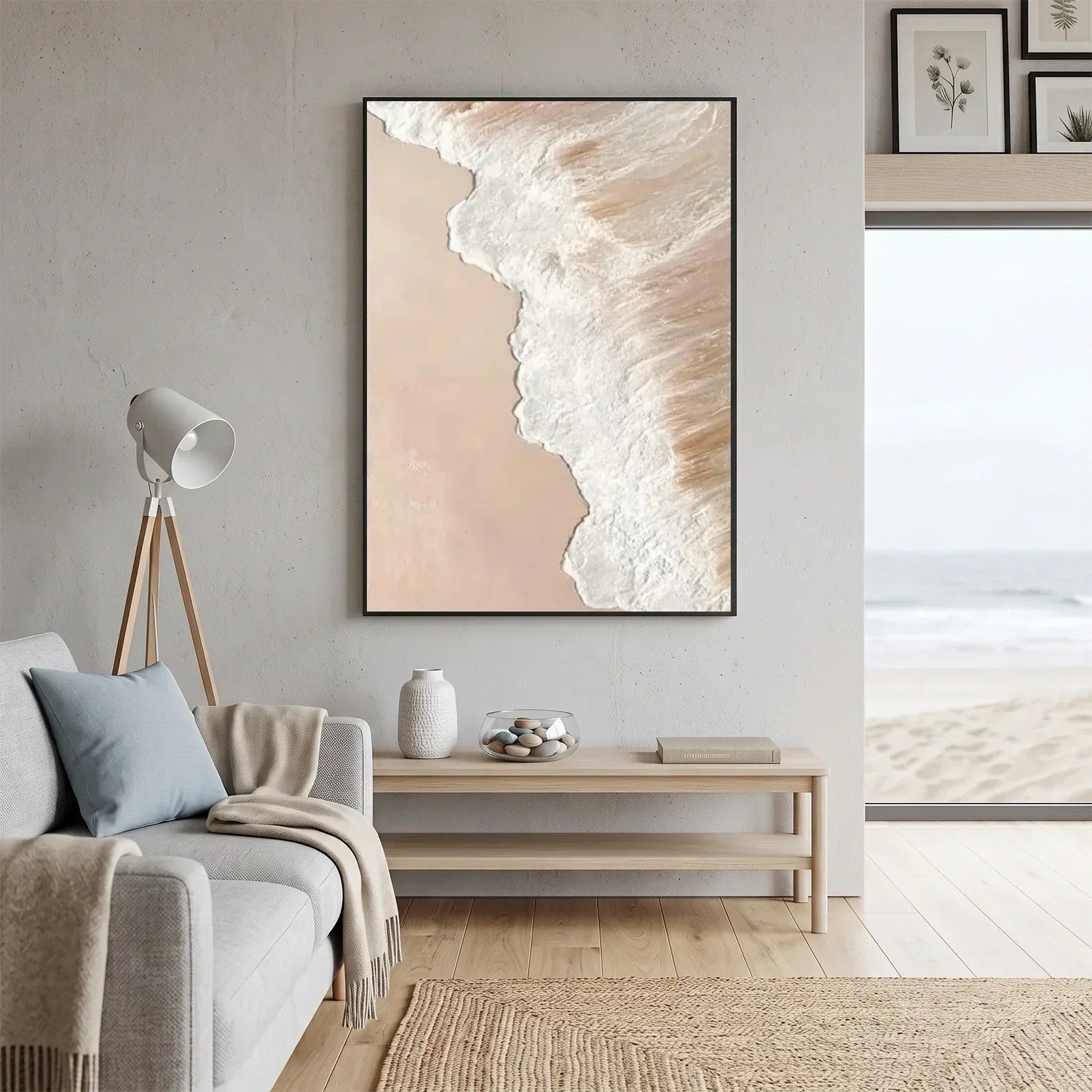
For example, a neutral abstract painting with warm beige and earthy tones can enhance a modern living room with natural materials and soft furnishings, making the entire space feel more harmonious.

How to Choose Wall Art as a Focal Point for Your Living Room
1. Choose the Right Placement for Your Living Room Wall Art
Before choosing artwork, decide where you want to create your focal point. The placement of your wall art determines how the entire room feels and how the artwork interacts with your furniture.
Above the Sofa
The wall above the sofa is one of the most popular places for living room artwork because it naturally attracts attention and creates balance.
A large piece of artwork centered above the sofa can act as a visual anchor for the entire room. As a general guideline, your artwork should be around 60–75% of the sofa’s width.
Artwork that is too small may feel disconnected, while a piece that is too large can overpower the furniture.
Above the Fireplace
A fireplace already works as a natural focal point, and the right artwork can enhance its impact.
Consider artwork that complements the shape and proportions of the fireplace:
- Horizontal artwork works well above wide fireplaces
- Vertical artwork can balance rooms with high ceilings
- Textured artwork can add depth and visual interest
Avoid choosing a piece that is exactly the same width as the fireplace. Slightly different proportions usually create a more balanced appearance.
On a Large Empty Wall
A blank wall can make a living room feel unfinished. Large-scale artwork can turn an empty surface into a statement feature.
Good options include:
- Oversized single paintings
- Diptych or triptych artwork
- Large textured wall art
- Gallery wall arrangements
The goal is to fill the space while maintaining visual balance.

2. Select the Right Size and Scale for Your Wall Art
The number one mistake homeowners make when choosing wall art is picking a piece that is too small. A tiny frame on a massive wall will look lost and accidental, not intentional.
- Over the Sofa: If you are hanging your art above a sofa or console table, the artwork should be roughly two-thirds to three-quarters the width of the furniture below it.
- The 60% Rule: On a completely empty wall, the art should take up about 60% to 75% of the available wall space.
- Eye Level: The center of your focal piece should hang at standard eye level, which is roughly 57 to 60 inches from the floor.
3. Use Color to Create Harmony
Your focal piece will heavily influence the color dynamics of your living room. You have two main routes to choose from:
The Harmonious Approach
Look at the colors already present in your room—your rug, your curtains, or your couch. Choose a piece of art that shares those same tones. This creates a cohesive, calming environment where everything feels beautifully integrated.
The Contrast Approach
If your living room features a mostly neutral palette (whites, grays, or beiges), use your wall art to inject a vibrant pop of color. A bold, brightly colored piece will instantly command attention and keep a neutral room from feeling flat or sterile.
Recommended Reading: Best Wall Art Color Combinations for Living Rooms: Instantly Elevate Your Space
4. Match Your Art to Your Design Style
Your focal art should complement the overall architectural and interior style of your home.
| Interior Style | Recommended Wall Art Style |
|---|---|
| Modern / Minimalist | Oversized abstract paintings, bold geometric prints, or black-and-white photography. |
| Boho / Scandinavian | Textured woven wall hangings, framed natural fabrics, or warm botanical prints. |
| Traditional / Classic | Landscape oil paintings, framed portraiture, or classic architectural sketches. |
| Industrial | Metal wall sculptures, blueprint art, or gritty urban photography. |
At Eleanos Gallery, you can explore a variety of wall art styles, from abstract paintings and textured artwork to minimalist designs, making it easier to find the perfect piece to complement your living room and create a stunning focal point.
Common Mistakes When Choosing Wall Art as a Focal Point
Choosing the right wall art is not only about finding a beautiful piece — scale, placement, and balance also play an important role. Avoiding these common mistakes can help your artwork become a true focal point in your living room.
Choosing Artwork That Is Too Small
A small piece of artwork above a large sofa can feel disconnected and make the room look unbalanced. Choose artwork with enough visual presence to anchor the furniture and create a stronger connection between the wall and the overall space.
Matching Everything Too Perfectly
Your wall art does not need to match your sofa or decor exactly. Too much coordination can make the room feel flat. A little contrast in color, texture, or style can add depth and create a more interesting design.
Ignoring Viewing Distance
A focal point should look appealing from different areas of the room, including the entrance, sofa, and nearby spaces. Choose artwork that maintains its visual impact while fitting naturally into your room layout.
Hanging Artwork Too High
Artwork that is placed too high can feel disconnected from the furniture below. As a general rule, keep the center of the artwork around eye level and make sure it maintains a visual connection with the sofa, fireplace, or other furniture underneath.

Final Thoughts
Wall art is one of the most powerful design tools for creating a living room focal point. Whether you choose a large abstract painting, textured artwork, or a minimalist statement piece, the right artwork can define your space and enhance the overall atmosphere.
At Eleanos Gallery, you can find a curated collection of modern wall art, including textured paintings, abstract artwork, and minimalist designs created to bring depth, character, and timeless style to contemporary interiors.
With the right artwork, your living room wall becomes more than decoration — it becomes the centerpiece of your home.
FAQ
Can one piece of art be a focal point in a living room?
Yes. A large statement artwork can work as the main focal point, especially in minimalist or modern living rooms.
Should wall art match my living room furniture?
Wall art does not need to match exactly. Instead, choose artwork that complements your furniture colors and overall design style.
Is abstract art good for a living room?
Yes. Abstract art is a popular choice for living rooms because it adds personality, visual interest, and works well with many interior styles.
Where should wall art be placed in a living room?
Common locations include above the sofa, above a fireplace, or on a large empty wall. The best placement depends on the room layout and existing focal points.




Leave a comment
This site is protected by hCaptcha and the hCaptcha Privacy Policy and Terms of Service apply.