
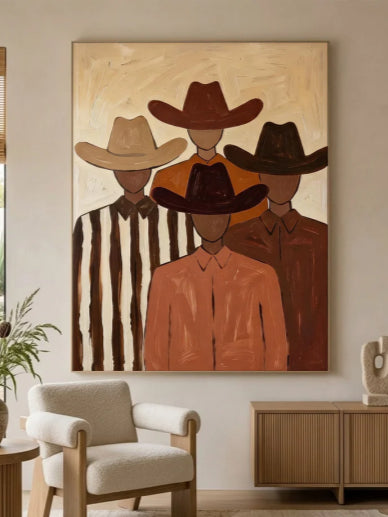
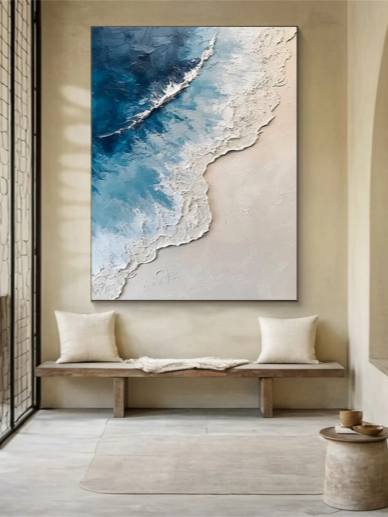


Artwork can completely change the look and feel of a room, but even the most beautiful piece can lose its impact if the lighting is poor. Many homeowners spend time choosing the perfect painting, print, or textured wall art, yet overlook the importance of proper lighting.
The right lighting highlights colors, textures, and details while helping artwork become a focal point in your space. Whether you own a large canvas, a gallery wall, or textured artwork, understanding how to light artwork in your home can make a dramatic difference.
In this guide, you'll learn the best lighting techniques, common mistakes to avoid, and practical tips for showcasing your artwork like a professional.
Why Art Lighting Matters
Great art lighting does more than just make a piece visible. It brings out the subtle details and tonal transitions that might otherwise be lost, enhances the vibrant colors the artist intended, and creates a focal point that draws the eye across the room . It’s the difference between a simple decoration and a captivating conversation piece.
It’s helpful to think of your room as a stage, with your artwork as the star performer. The lighting is the spotlight. It can create a sense of drama, intimacy, or modern elegance, depending on the technique you choose
Choosing the Best Type of Lighting for Your Art
There are four primary ways to light artwork in your home. The best choice for you depends on your space, your style, and the artwork itself .
Ceiling-Mounted Accent Lights
Best for: A clean, minimalist look where the focus is entirely on the art, not the fixture.
These are spotlights (often called "pin spotlights") mounted in or on the ceiling that direct a focused beam of light onto the artwork. They are a fantastic, discreet solution that makes the art the star.
- Installation: Recessed lights are built into the ceiling for a seamless look, while surface-mounted fixtures are attached to the ceiling.
- The Golden Angle: For optimal results, the light should hit the center of the artwork at a 30-degree angle. This minimizes glare and prevents distracting shadows from being cast on the wall below.
Track Lighting
Best for: Flexibility and spaces where you like to change your artwork often.
Track lighting consists of a ceiling-mounted track with movable light heads that can be repositioned. This is a favorite for collectors who like to rotate their pieces . Modern track lighting is far more attractive than the bulky systems of the past.
If you rearrange your art, you can simply slide the light heads along the track or adjust their angle to suit the new location. This is much easier than moving a fixed recessed light.
Wall Washers
Best for: A casual, flexible setup or for lighting a gallery wall with multiple artworks.
Instead of spotlighting a single piece, a wall washer casts a wide, even pool of light across an entire wall. This is a brilliant technique for creating a bright, "light-washed" backdrop where all the art is illuminated equally.
This method is incredibly forgiving. You can add, remove, or reposition artworks on a wall without having to change your lighting, as the entire wall is evenly lit.
Picture Lights
Best for: Creating an intimate, traditional display or for renters who can't install ceiling fixtures.
Picture lights are small, decorative fixtures mounted directly on the wall above the artwork or on the frame itself. They provide a close, focused light source that draws you in for a closer look.
These fixtures can be quite decorative and add to the character of a room.

Why LED Lighting Is the Best Choice for Artwork
If you take one thing away from this guide, let it be this: only use LED lights for your artwork.
In the past, halogen and incandescent bulbs were the go-to choice. However, they emit a significant amount of heat and harmful ultraviolet (UV) and infrared (IR) radiation. This combination can be incredibly damaging, leading to faded pigments, color shifts, and even material degradation over time.
LEDs are the modern savior of art conservation. They emit virtually no UV or IR radiation and very little heat, making them safe for even the most delicate pieces like watercolors or textiles . They are also far more energy-efficient and have a much longer lifespan, saving you money in the long run .
How to Choose the Right Color Temperature and CRI
Not all LEDs are created equal. To make your art look its best, you need to consider two key factors:
Color Temperature
This determines how "warm" (yellowish) or "cool" (bluish) the light appears.
- 2700K - 3000K: This is a warm white light that creates a cozy, inviting atmosphere. It's often recommended for traditional or earthy-toned artwork.
- 4000K: This is a cooler, more natural white light. It can be excellent for modern or graphic art.
A color temperature of 2700K is frequently recommended as the sweet spot for showcasing the true visual impact of art in a home environment .
Color Rendering Index
This is a scale (0-100) that measures how accurately a light source shows the true colors of an object. For art, you need a high CRI.
Look for a CRI of 90 or above. The closer to 100, the better. A high CRI ensures that the rich reds, deep blues, and subtle greens in your artwork are displayed vibrantly and accurately, just as the artist intended.
Best Room-by-Room Artwork Lighting Ideas
The ideal way to light artwork often depends on the room where it is displayed, as each space serves a different purpose and requires a slightly different lighting approach.
Living Room
In the living room, artwork often serves as a focal point, especially above a sofa or fireplace. Track lighting works well for both single statement pieces and gallery walls, while a combination of ambient and accent lighting helps create a balanced and visually appealing display.

Dining Room
In the dining room, picture lights are a popular choice for highlighting artwork and adding a touch of elegance. Warm-toned lighting can further enhance the inviting atmosphere of the space.

Hallways
Hallways are ideal for gallery-style displays. Recessed spotlights provide focused illumination that draws attention to artwork while creating a clean and sophisticated look.

Bedroom
Bedrooms benefit from softer lighting that complements a calm and relaxing environment. Gentle accent lighting can showcase artwork without feeling overly bright or distracting.

Home Office
In a home office, neutral white lighting offers accurate color rendering and helps reduce eye strain. Carefully positioned accent lights can highlight artwork while minimizing glare on computer screens.

Avoid Common Artwork Lighting Mistakes
Lighting isn't just about aesthetics; it's also about preservation. Here are a few crucial points to remember to protect your valuable collection:
Avoid Direct Sunlight
This is the most damaging form of light. Ultraviolet (UV) radiation from the sun causes fading and degradation, even on pieces treated with UV coatings. Never hang important artwork in direct sunlight.
Avoid Fluorescent Bulbs
Like the sun, fluorescent bulbs emit high levels of UV light that can accelerate fading.
Check for Heat
Even with LEDs, it's a good practice to ensure the light source isn't too close. Place your hand near the surface of the artwork when the light is on. If you can feel heat, it's too close.
Consider the Medium
Delicate works on paper, such as watercolors and photographs, are more sensitive to light than oil paintings. Consider hanging them in areas with less ambient light and using lower-wattage LEDs.
FAQs
What is the best lighting for artwork at home?
LED lighting is generally the best option because it produces minimal heat, offers excellent color accuracy, and comes in various color temperatures suitable for different types of artwork.
What color temperature is best for displaying artwork?
Most homeowners find that 3000K to 4000K provides the best balance between warmth and clarity, making artwork appear natural and vibrant.
How far should a light be from artwork?
The ideal distance depends on the fixture and artwork size, but many professionals use a 30-degree lighting angle to achieve even illumination while minimizing glare.
Can sunlight damage artwork?
Yes. Direct sunlight can fade colors and damage materials over time. It is best to keep artwork out of direct sunlight or use UV-protective framing solutions.
How do you light textured wall art?
Directional lighting placed slightly off-center works best. This creates subtle shadows that emphasize the artwork's texture and add visual depth.
Final Thoughts
Learning how to light artwork in your home can make a significant difference in how your space looks and feels. The right combination of lighting, placement, and color temperature can enhance colors, reveal textures, and turn artwork into a true focal point.
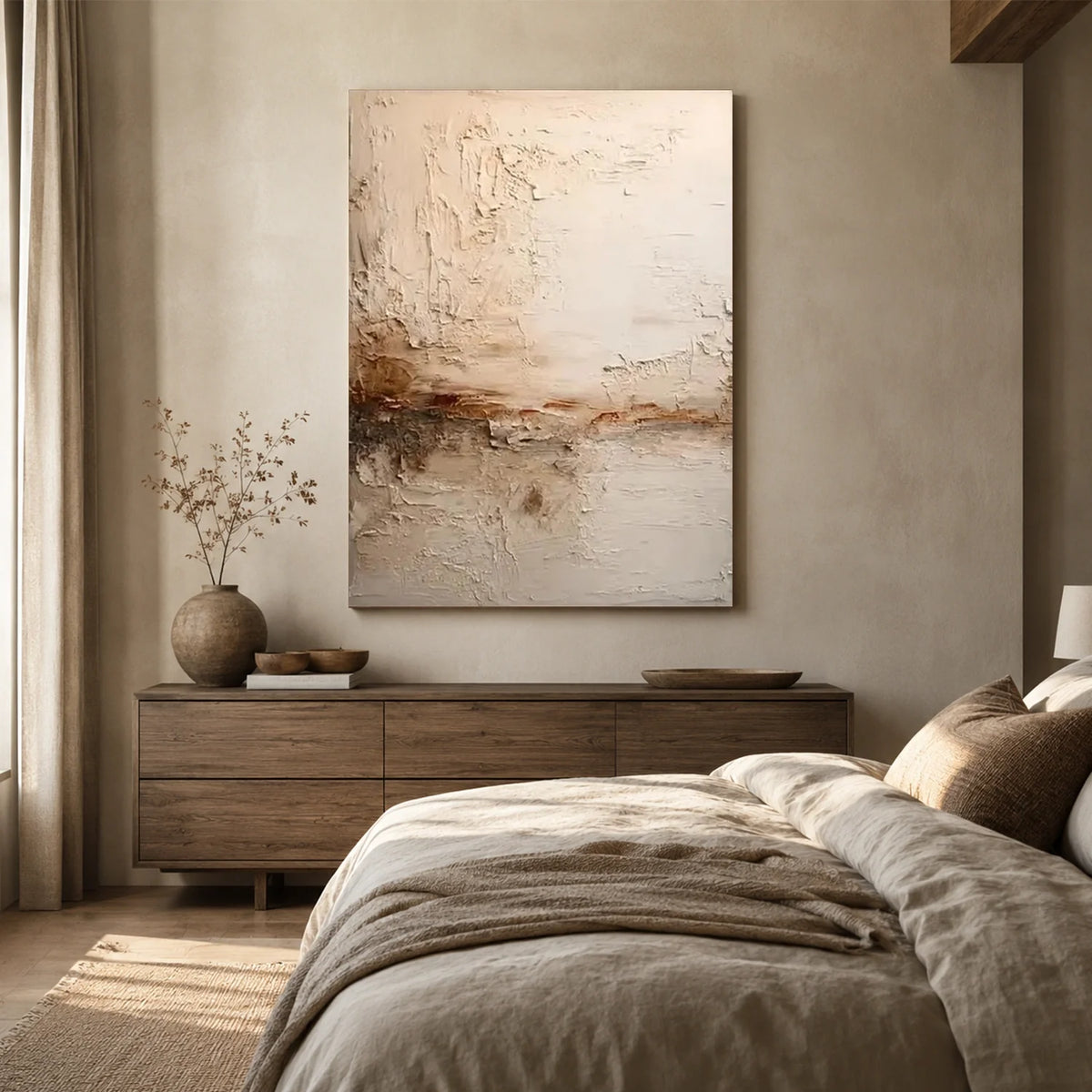
If you own textured or dimensional pieces, directional lighting can be especially effective in highlighting depth and detail. For example, handcrafted textured artworks from Eleanos Gallery are designed to interact beautifully with light, creating subtle shadows and visual interest that change throughout the day.
By choosing the right lighting strategy for your space, you can showcase your artwork at its best and create a home that feels both stylish and thoughtfully curated.




Leave a comment
This site is protected by hCaptcha and the hCaptcha Privacy Policy and Terms of Service apply.