

Choosing the right wall art is not just about finding a painting that matches your style. Its size, shape, and orientation can also affect how your room looks and feels. A horizontal painting can make a wall appear wider, while a vertical piece can draw the eye upward and add a sense of height.
But how do you know which one is right for your space?
The best choice depends on several factors, including your wall dimensions, furniture placement, ceiling height, and the overall look you want to create. In this guide, we'll explain the differences between horizontal and vertical wall art and share practical tips to help you find the best fit for your home.
What is Horizontal Art?
Horizontal art is wider than it is tall. Because our eyes naturally scan the world side-to-side, horizontal artwork feels expansive, stable, and calm.
Best Places for Horizontal Art:
- Above Wide Furniture: Placing a horizontal piece above a sofa, bed headboard, dining credenza, or fireplace mantel creates a grounded, balanced look.
- Long Hallways: A series of horizontal prints can guide the eye comfortably down a corridor.
- Low-Ceiling Rooms: Horizontal lines accentuate width, making cozy or low-ceilinged rooms feel wider and roomier.

What is Vertical Art?
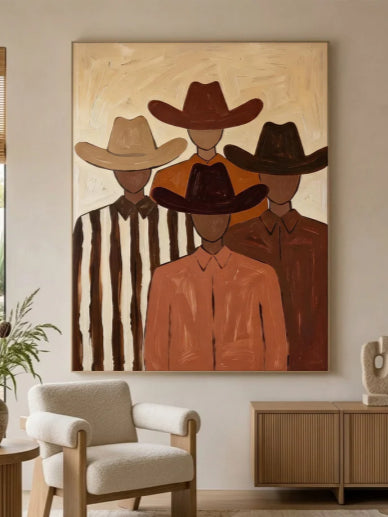
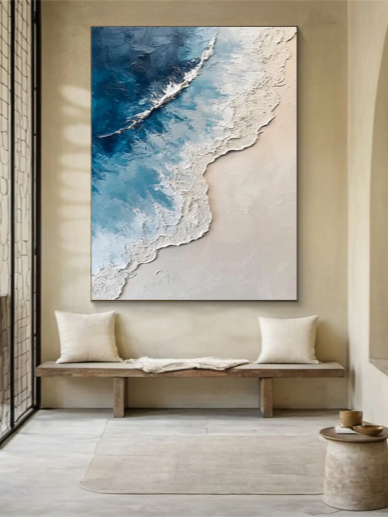
Vertical art is taller than it is wide. It draws the eye upward, creating a sense of height, energy, and elegance.
Best Places for Vertical Art:
- Tall, Narrow Walls: Empty accent walls, small nooks, or the space between two windows naturally complement a vertical layout.
- High Ceilings: If you have tall ceilings or dramatic architectural features, vertical art fills the height without crowding the sides.
- Entryways & Staircases: Vertical pieces add immediate drama and a welcoming height to entry foyers.

When Should You Choose Horizontal Art?
Horizontal artwork is a great choice when you want to create a sense of width and visual balance. Its wider shape naturally follows the lines of sofas, beds, dining tables, and other large furniture pieces.
Here are some spaces where horizontal art works particularly well.
Above the Sofa
A wide painting above a sofa creates a natural focal point in the living room. It helps fill the empty wall without making the arrangement feel too crowded.
As a general guideline, choose artwork that is around two-thirds to three-quarters of the sofa's width. This creates a balanced look without extending too far beyond the furniture.
Above the Bed
Horizontal art is also a popular choice for bedroom walls. A wide painting above the headboard creates a calm, balanced appearance and helps visually connect the artwork with the bed.
For a simple look, choose one large horizontal piece. You can also use two or three coordinated artworks to create a wider arrangement.
Above a Dining Table
A horizontal painting can complement the shape of a dining table and make the dining area feel more connected. Abstract art, landscapes, and minimalist compositions are all good options for this space.

When Should You Choose Vertical Art?
Vertical artwork draws attention upward, making it especially useful for narrow walls or rooms where you want to create a greater sense of height.
Consider vertical art in the following spaces.
In Narrow Hallways
Hallways often have limited wall width, so large horizontal paintings may feel out of place. Vertical artwork makes better use of the available space and adds visual interest without taking up too much horizontal room.
Beside Furniture or Windows
Vertical paintings work well in narrow spaces beside a bookshelf, cabinet, doorway, or window. They can fill an otherwise awkward empty area and make the room feel more complete.
In Rooms with Low Ceilings
If your room has relatively low ceilings, vertical art can help draw the eye upward. This creates a subtle sense of height and makes the wall feel less compressed.
Tall abstract paintings or minimalist artwork with vertical compositions are particularly suitable.

Horizontal vs. Vertical Art: Which One Is Better?
Neither orientation is universally better. The right choice depends on the space and the effect you want to achieve.
| Consideration | Horizontal Art | Vertical Art |
|---|---|---|
| Visual effect | Makes walls feel wider | Draws the eye upward |
| Best wall shape | Wide walls | Narrow walls |
| Ideal placement | Above sofas and beds | Hallways and narrow spaces |
| Common styles | Landscapes, abstract art | Portraits, tall abstracts |
| Overall feeling | Balanced and relaxed | Taller and more dynamic |
If you have a wide, empty wall, horizontal art is usually a natural fit. If you're decorating a narrow wall or want to add height, vertical art may be the better option.
Can You Mix Horizontal and Vertical Art?
Absolutely! Mixing horizontal and vertical artwork is a great way to create a more interesting and personalized wall display.
Here are three easy ways to combine different orientations.
Create a Gallery Wall
Combine different-sized horizontal and vertical paintings to create a gallery wall. Start with a larger piece as the focal point, then arrange smaller artworks around it.
Try to keep the spacing consistent and use a shared color palette to make the overall arrangement feel cohesive.
Hang Two or Three Pieces Together
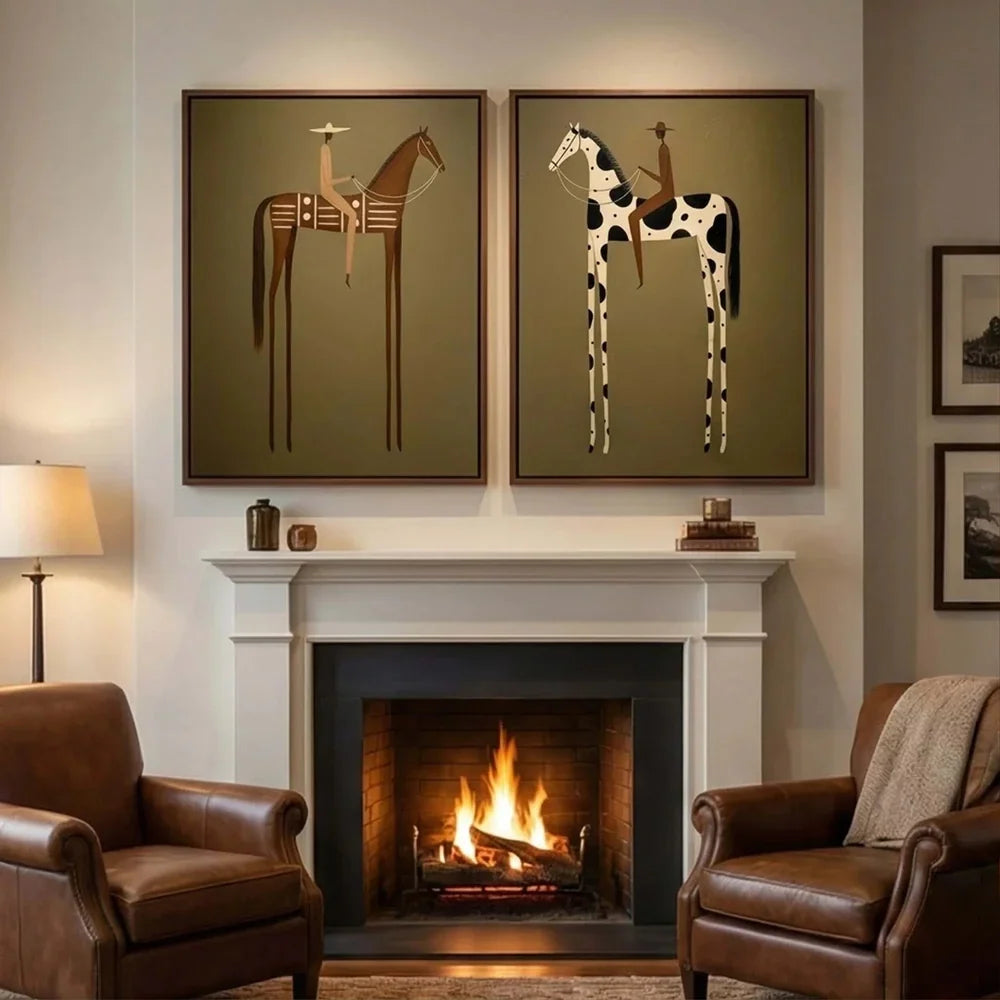
You can place two vertical paintings side by side or combine one horizontal painting with two smaller vertical pieces. This works especially well above sofas, beds, and long console tables.
Use Different Orientations in the Same Room
You don't have to stick to one orientation throughout your home. For example, use a horizontal painting above the living room sofa and a vertical artwork in the hallway.
The key is to maintain a consistent style or color scheme so the different spaces still feel connected.

How to Choose the Right Art Size and Orientation
Before buying artwork, take a few measurements and consider how the painting will fit into your space.
Measure the wall and furniture.
Pay attention to the available wall width and the size of nearby furniture. Artwork should feel proportional rather than too small or overwhelming.
Consider the ceiling height.
Horizontal artwork can visually widen a room, while vertical pieces help emphasize height.
Think about the surrounding decor.
Look at the shapes, colors, and proportions of nearby furniture, lighting, and decorative objects.
Plan the hanging position.
Artwork is generally best hung at eye level. When placing it above furniture, leave enough space between the bottom of the frame and the furniture below.
Don't ignore the artwork itself.
Some paintings naturally work better in one orientation because of their composition. Choose a format that allows the subject and design to look their best.

Final Thoughts: Horizontal or Vertical Art?
When choosing between horizontal and vertical art, start with your wall rather than the painting itself. Think about the available space, the furniture underneath, and the atmosphere you want to create.
Horizontal artwork is ideal for wide walls and larger furniture, while vertical pieces are better suited to narrow spaces and walls that need a little more height.
Most importantly, don't feel limited to one orientation. Mixing both styles can create a more balanced and visually interesting home. The best artwork is ultimately the one that fits your space and reflects your personal taste.
Whether you prefer a wide abstract painting or a tall minimalist piece, consider the proportions, colors, and overall composition to find the right fit for your space. Eleanos Gallery offers handcrafted textured wall art in abstract and minimalist styles, making it easy to find artwork that complements your interior and creates a cohesive look.
FAQs
Is horizontal or vertical art better for a living room?
Both can work well. Horizontal art is ideal above sofas and wide furniture, while vertical art works better on narrow walls or in corners.
Does horizontal art make a room look bigger?
Horizontal artwork can make a wall feel wider and create a greater sense of openness, especially in smaller rooms.
Does vertical art make ceilings look higher?
Yes. Vertical artwork draws the eye upward, which can create the impression of greater ceiling height.
Can I hang vertical art above a sofa?
Yes. You can hang a single vertical painting above a sofa, especially if the wall is narrow. Just make sure the artwork looks proportional to the furniture.




Leave a comment
This site is protected by hCaptcha and the hCaptcha Privacy Policy and Terms of Service apply.