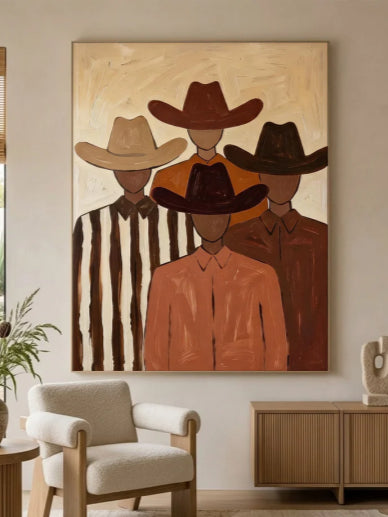
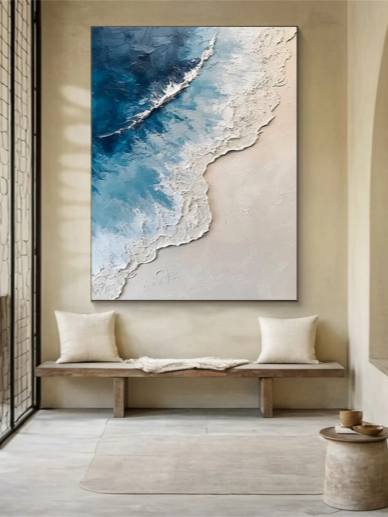
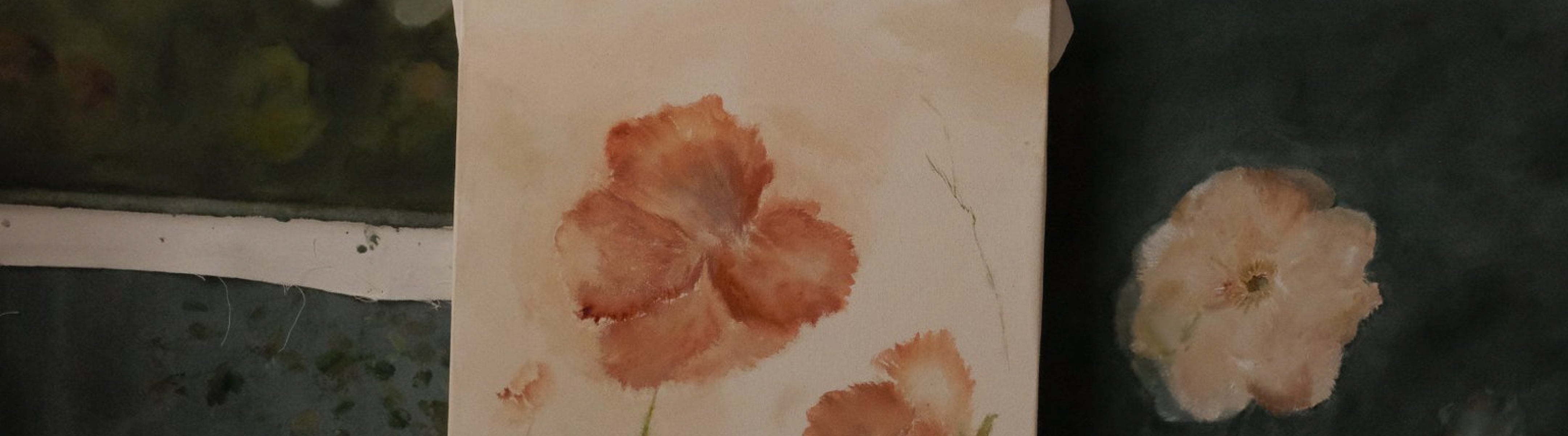


Choosing wall art is not only about style or size — color matters just as much. The right wall art color combination can completely change the mood of a living room. It can make a space feel calm, cozy, luxurious, modern, or full of energy.
But many people struggle with the same question:
What wall art colors actually look good together in a living room?
In this guide, we’ll go through the best wall art color combinations for living rooms, explain why they work, and show how to match them with different interior styles.
Why Color Combinations Matter More Than the Art Itself
Here’s a secret most people learn the hard way: a stunning piece of art can look completely wrong if its colors fight with your room. On the flip side, a simple, inexpensive print can look expensive and thoughtful if its colors work with your sofa, rug, and walls.
Wall art is not an island. It’s a bridge between your furniture, your wall paint, and the feeling you want in the room.
So before you buy anything, ask yourself three quick questions:
- What’s the dominant color in my living room?
- What feeling do I want?
- Do I want the art to stand out or blend in?
Once you have those answers, the color combinations below will make perfect sense.
3 Foolproof Color Strategies for Wall Art
You don’t need to learn color theory. Just pick one of these three approaches.
Strategy 1: Match Your Dominant Color
This is the easiest and most reliable method. Look at the biggest color in your living room – usually your sofa, your largest wall, or your area rug. Choose wall art that includes that same color somewhere in it.
When to use this: You want a calm, harmonious, no‑regrets look. Great for beginners or rental apartments.
Strategy 2: Use a Complementary Color
Complementary colors are opposites on the color wheel. They create contrast and energy. The most common pairs are:
- Blue + Orange
- Green + Red (or pink)
- Purple + Yellow
You don’t need bright, neon versions. Muted tones work beautifully.
When to use this: You want the art to be a focal point. The room feels a little flat, and you want to add visual excitement.
Strategy 3: Pull from a Secondary Color
Don’t match your sofa. Don’t use an opposite color. Instead, look at the smaller colors already in the room – the throw pillows, the books on your coffee table, the frame of a mirror, or a pattern in your rug.
Choose wall art that picks up one of those smaller accent colors and gives it a bigger role.
When to use this: You want a designer look. It feels intentional but not matchy‑matchy.
How to Choose the Right Wall Art Color Combination
Let’s get practical. Below are real combinations you can use right now, organised by the feeling they create.
For a Calm, Relaxing Living Room
These combinations lower visual noise. Great for rooms where you unwind, read, or watch TV.
|
Wall color or sofa color |
Wall art color combination |
|
Soft white or light grey |
Beige + sage green + warm taupe |
|
Light blue |
Dusty blue + cream + very pale peach |
|
Olive green |
Off‑white + soft brown + muted clay |
|
Warm beige |
Sand + ivory + pale terracotta |
What to look for: Abstract landscapes, botanical prints, or simple line drawings.
For a Warm, Cozy Living Room
These combinations add depth and make a large room feel more intimate.
|
Wall color or sofa color |
Wall art color combination |
|
Dark grey or charcoal |
Mustard yellow + rust + cream |
|
Brown leather sofa |
Terracotta + warm white + deep olive |
|
Cream or off‑white |
Burnt orange + chocolate brown + gold |
|
Navy blue |
Rust + camel + soft ivory |
What to look for: Abstract pieces with warm earthy tones, sunset photographs, or textured canvas art.
For a Bright, Energetic Living Room
These combinations wake up a space. Use them in living rooms that get good natural light.
|
Wall color or sofa color |
Wall art color combination |
|
White or very light grey |
Cobalt blue + bright yellow + white |
|
Light beige |
Coral + teal + cream |
|
Grey sofa |
Mustard + emerald green + charcoal |
|
Pale blue |
Tangerine + navy + soft pink |
What to look for: Pop art, geometric prints, or bold abstract expressionism.
For a Sophisticated, Modern Living Room
These combinations feel curated and expensive, even on a budget.
|
Wall color or sofa color |
Wall art color combination |
|
Black or very dark grey |
Gold + white + charcoal |
|
Deep green (forest or emerald) |
Blush pink + brass/gold + black |
|
Charcoal sofa |
Navy + copper + off‑white |
|
Warm white walls |
Black + white + one accent (e.g., deep red or ochre) |
What to look for: Black‑and‑white photography with a single color accent, metallic foil prints, or minimalist abstract shapes.
7 Best Wall Art Color Combinations for Living Rooms
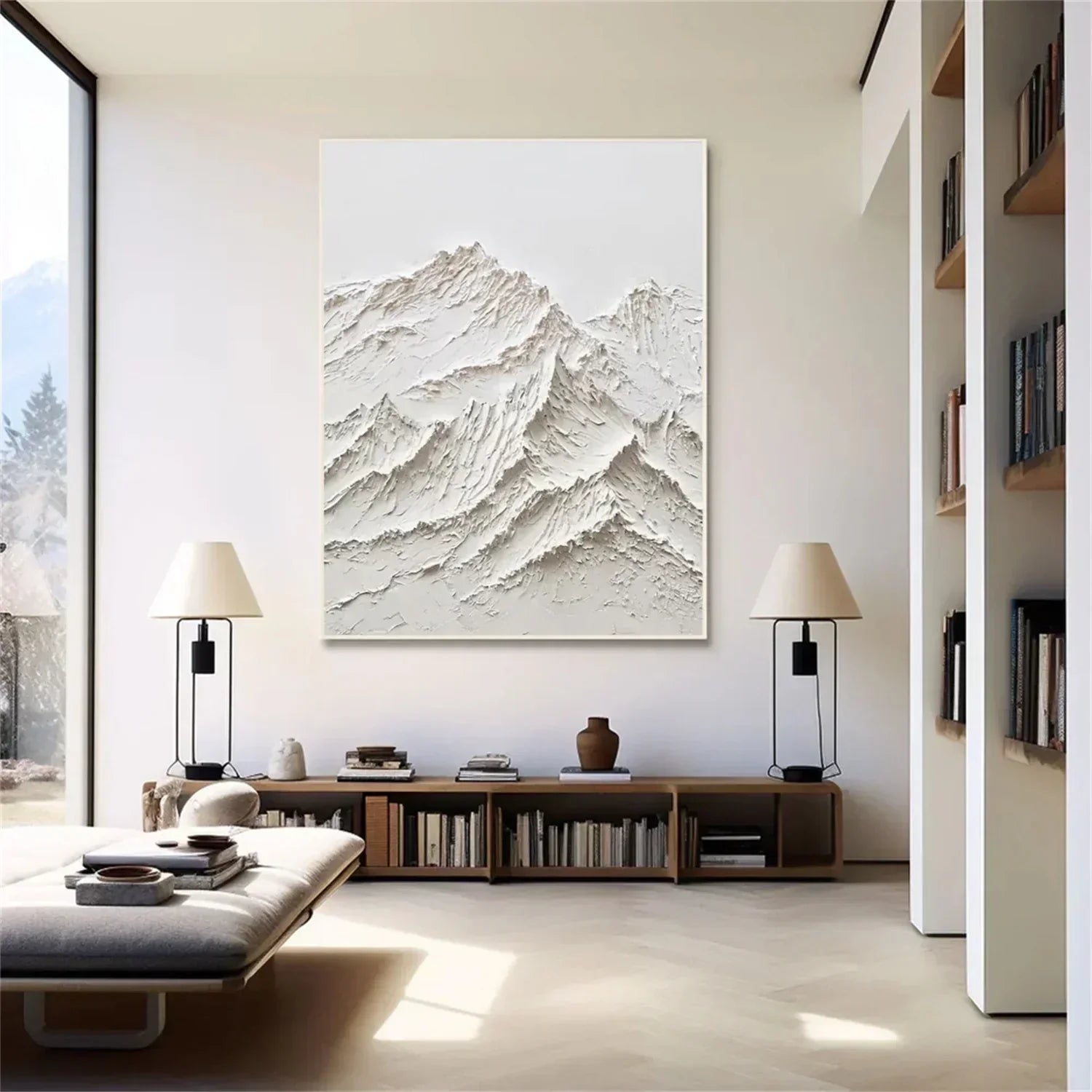
Beige and White Wall Art
Beige and white is one of the safest and most versatile combinations for modern living rooms.

It works especially well in:
- Minimalist interiors
- Scandinavian spaces
- Japandi homes
- Wabi-sabi inspired rooms
This combination creates a soft, airy atmosphere that feels peaceful and uncluttered.
Black and White Wall Art
Black and white wall art never goes out of style.This high-contrast combination creates a clean, sophisticated look that works in almost any modern interior.

It works especially well in:
- Modern living rooms
- Industrial interiors
- Minimal homes
- Apartments with neutral furniture
Blue and grey Wall Art
Blue and grey is one of the most relaxing color combinations for a living room.Blue naturally creates a calming effect, while grey adds sophistication and balance.

It works especially well in:
- Grey sofas
- White walls
- Coastal interiors
- Contemporary homes
If your living room already feels visually busy, blue and grey artwork can make the space feel calmer.
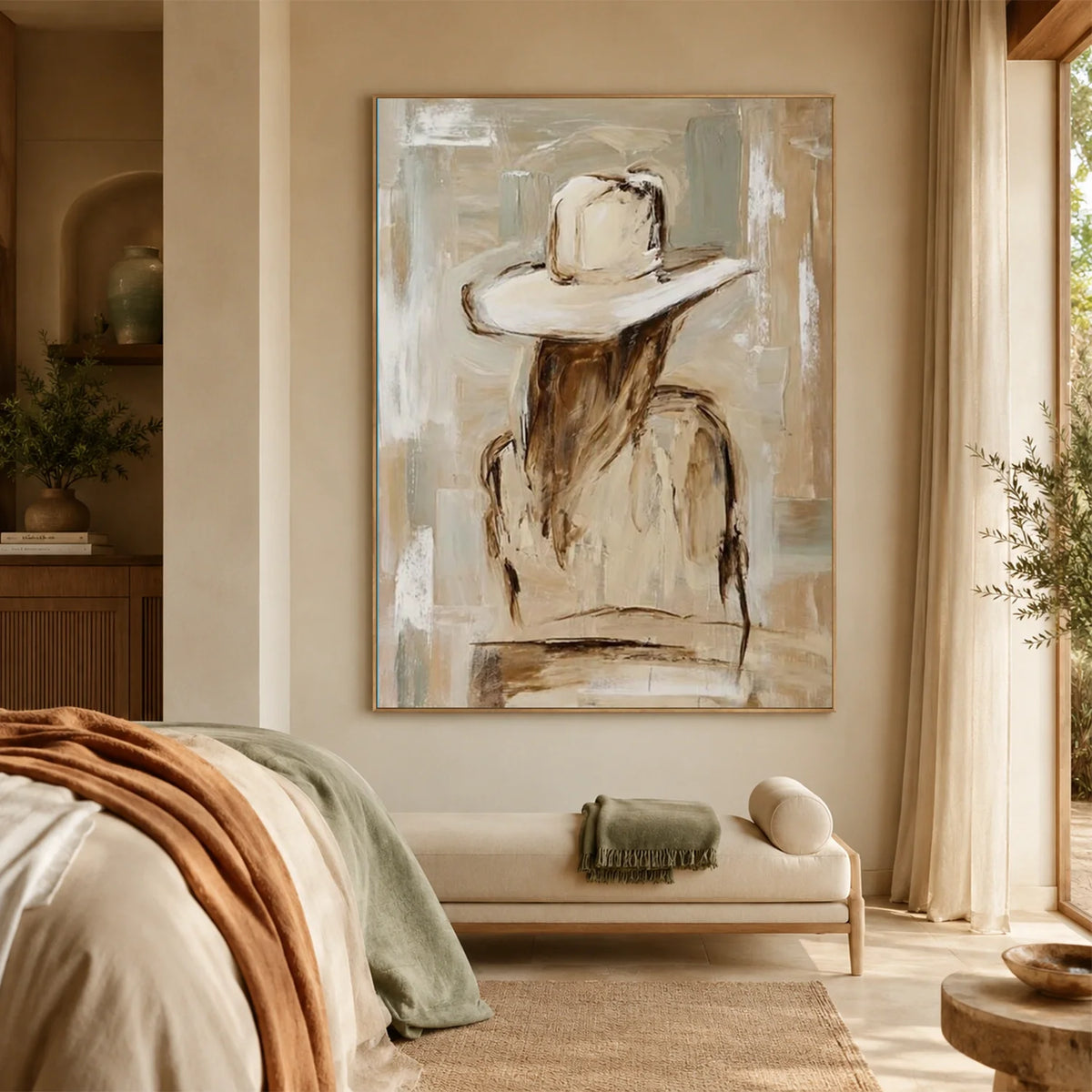
Green and Brown Wall Art
Earth-tone interiors have become extremely popular in recent years, and green + brown wall art fits perfectly into that trend.This combination brings a natural, grounded feeling into the room.

It works especially well in:
- Boho interiors
- Nature-inspired homes
- Wabi-sabi design
- Spaces with wooden furniture
Many designers use olive green artwork to soften modern interiors that otherwise feel too cold.
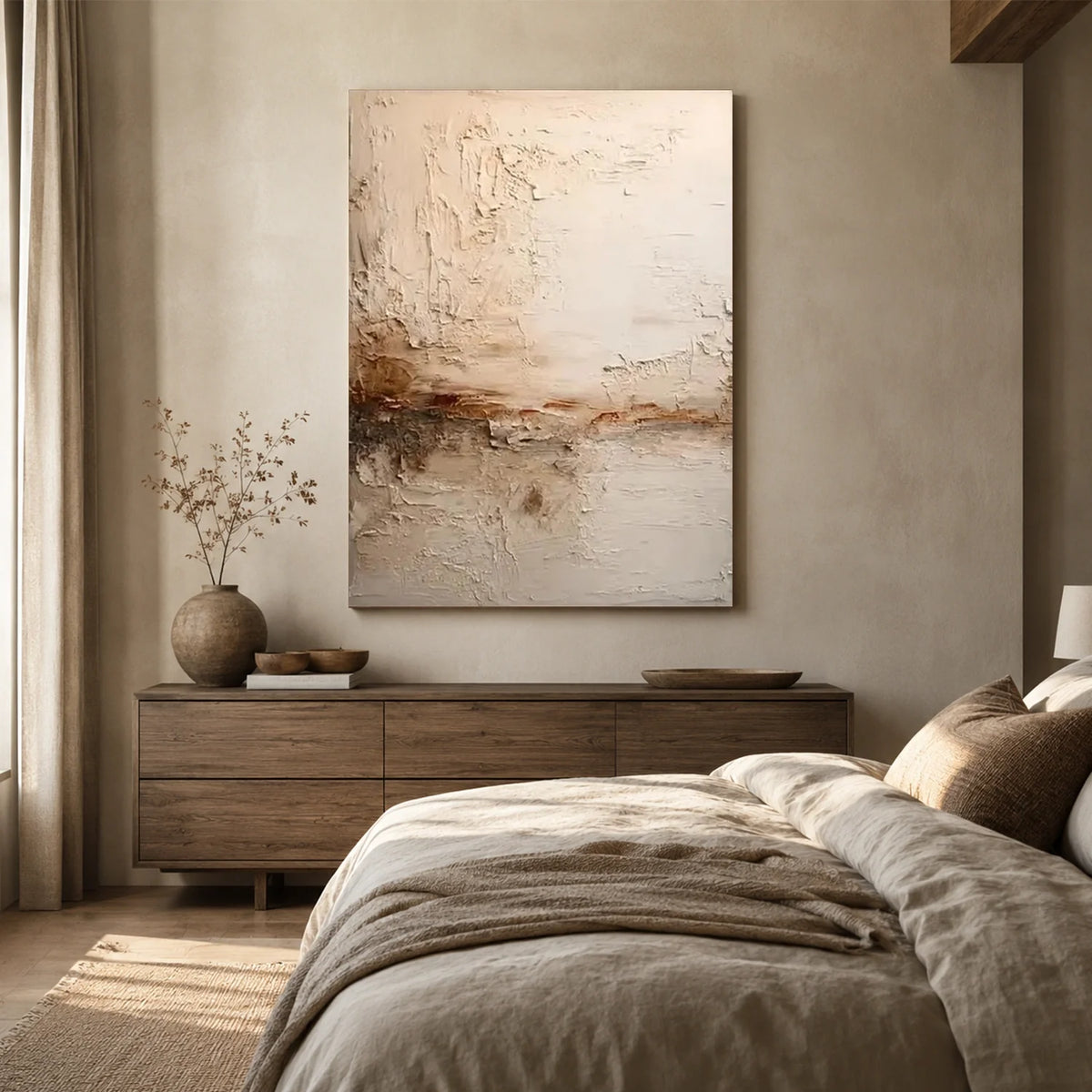
Terracotta and Cream Wall Art
Terracotta has become one of the most popular interior colors because it instantly adds warmth.When paired with cream tones, the result feels cozy, welcoming, and modern.

It works especially well in:
- Beige furniture
- Rustic wood
- Clay decor
- Warm lighting
This combination is especially popular in boho and Mediterranean-inspired living rooms.
Black and Gold Wall Art
If you want your living room to feel elegant and dramatic, black and gold is one of the best choices.

It works especially well in:
- Modern luxury interiors
- Dark-themed living rooms
- Glam interiors
- High-contrast spaces
The key is moderation. Too much gold can feel overwhelming, but subtle gold accents inside abstract art look very refined.
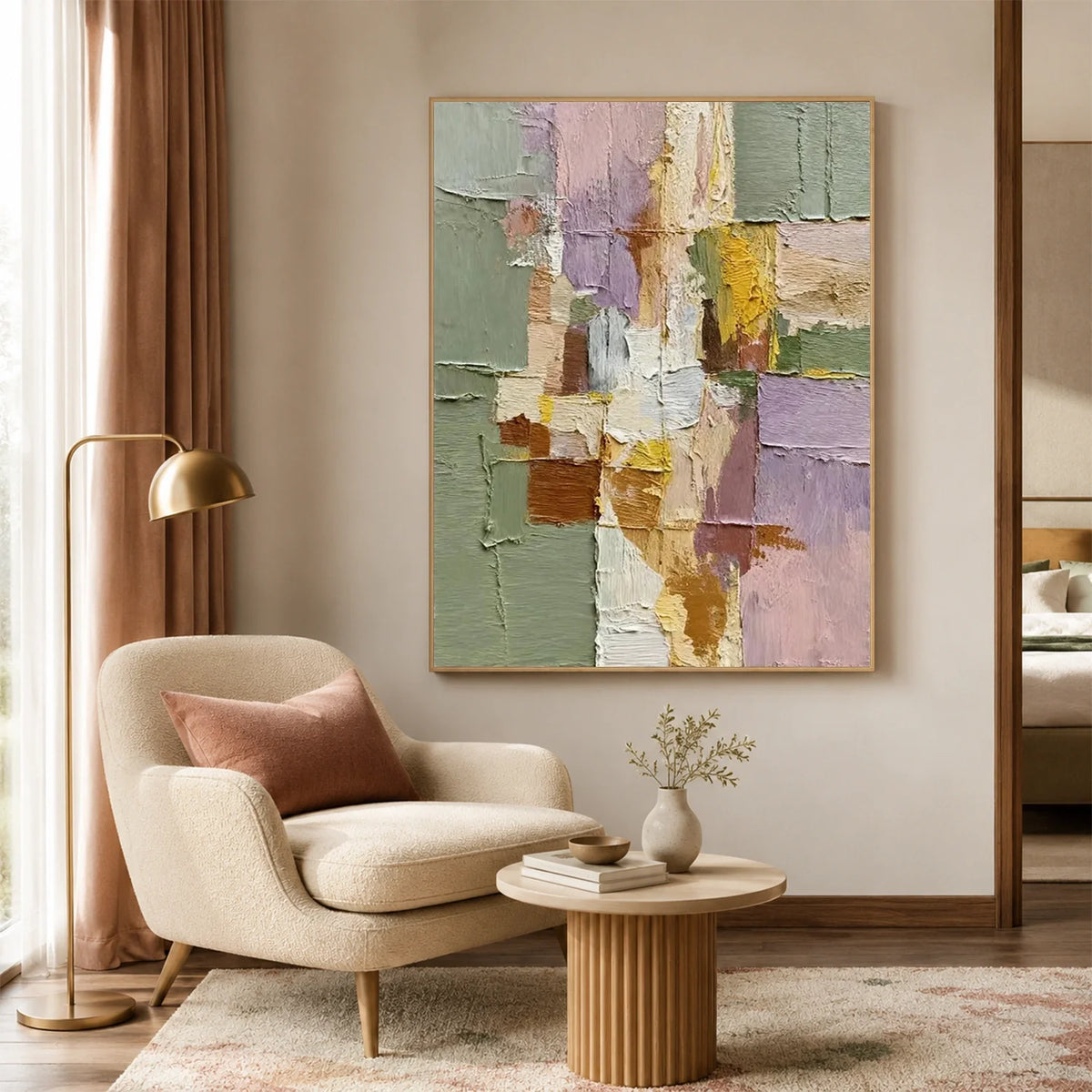
Sage Green and Beige Wall Art
Sage green has become incredibly popular in modern interiors because it feels soft, natural, and calming.Paired with beige, it creates a very balanced and peaceful aesthetic.

It works especially well in:
- Organic modern interiors
- Japandi design
- Minimalist homes
- Small living rooms
Popular Wall Art Color Trends Right Now
Based on current interior design trends and online discussions, these combinations are especially popular right now:
- Sage green + beige
- Terracotta + cream
- Charcoal + ivory
- Olive green + black
- Warm brown + white
- Dusty blue + sand tones
People are moving away from overly bright colors and choosing softer, earth-inspired palettes instead.
Common Mistakes to Avoid
Even with good color combinations, people make a few predictable mistakes. Here’s how to avoid them.
Mistake 1: The Art Is Too Small or Too Big
Color won’t save bad sizing. A tiny print on a large wall looks lost. An oversized canvas in a small room feels overwhelming.
Fix: As a general rule, your wall art should take up 60–75% of the available wall space above a sofa or console table. For a standard 72‑inch sofa, one large piece or a set of three smaller pieces works beautifully.
Mistake 2: Every Color Matches Perfectly
Some people take “matching” too literally. They buy art that exactly repeats the sofa color, the pillow color, and the rug color. The result? Boring and flat.
Fix: Introduce one new color that isn’t already in the room – just in a small amount.
Mistake 3: Ignoring Frames and Mats
A cream‑colored art print on a cream wall with a silver frame is fine. But a black or wood frame adds contrast and defines the art. Don’t forget that the frame itself adds a color.
Fix: Choose a frame color that either matches the darkest color in the art or contrasts with your wall. A dark frame on a light wall always looks intentional.
Mistake 4: Too Many Conflicting Colors in One Piece
Art that has red, blue, green, yellow, purple, and pink all at once is rarely the answer – unless your room is already very neutral and you want chaos.
Fix: Stick to art with 2–4 main colors.
QFA
What wall art colors make a living room feel cozy?
Earthy tones are the most recommended combination in Reddit home decor discussions. Colors like terracotta, beige, olive green, cream, and warm brown make a living room feel warmer and more inviting. Many users say these tones work especially well with wood furniture and soft lighting.
Should wall art match the sofa color exactly?
Not necessarily. A popular Reddit opinion is that wall art should “connect” with the room rather than perfectly match it. Most interior design enthusiasts recommend repeating one or two tones from the sofa or rug while adding some contrast to keep the space visually interesting.
What wall art colors make a small living room look bigger?
Light neutral artwork usually works best in smaller spaces. Soft beige, cream, white, pale grey, and muted sage green can make a room feel brighter and more open. Oversized dark artwork may make compact rooms feel heavier unless balanced with lighter decor.
Final Thought
Color combinations are guidelines, not laws. If a piece of art makes you happy every time you walk into the room, that matters more than any “rule.” But when you understand these simple color strategies, you stop guessing and start choosing with confidence.
Your living room should feel like you. And with the right wall art color combination, it will – just more polished, more peaceful, and more you.
Happy decorating.
If you want to add more depth and character to your space, check out Eleanos Gallery. It features modern minimalist, abstract, and Wabi-Sabi inspired wall art, designed to introduce subtle texture, balance, and a refined aesthetic to living rooms, bedrooms, or office spaces.





Leave a comment
This site is protected by hCaptcha and the hCaptcha Privacy Policy and Terms of Service apply.