
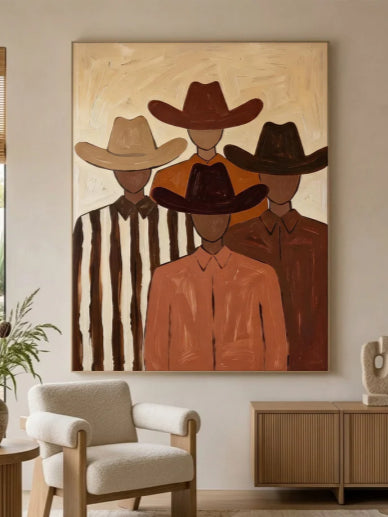
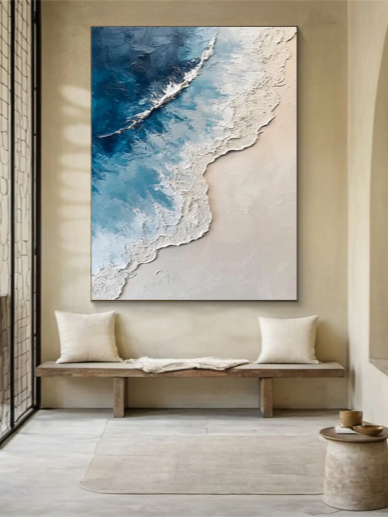


When decorating a room, one common question is how many walls should actually have something on them. Should you decorate every wall, focus on just one, or find a balance somewhere in between?
There is no one-size-fits-all answer. In most rooms, decorating one or two walls is enough to create visual interest and make the space feel complete. Larger rooms may benefit from decorating additional walls, while smaller spaces often look better with more open wall space.
The key is to create a balanced look without making the room feel overcrowded. In this guide, we'll explore how many walls you should decorate and what to consider when choosing where to add wall decor.
How Many Walls Should You Decorate in a Room?
For most rooms, decorating one to three walls is a good starting point. However, the right number depends on how much visual space your furniture and other decorative elements already occupy.
Here are some general guidelines:
- One decorated wall: A great choice for small rooms, minimalist interiors, or spaces where you want one clear focal point.
- Two decorated walls: Works well in most living rooms and bedrooms, adding visual interest without making the space feel crowded.
- Three decorated walls: Suitable for larger rooms with plenty of open space, especially when the decorations are relatively simple.
- All four walls: Can work in certain design styles, such as gallery-inspired interiors or rooms with wallpaper, but requires careful planning to avoid visual clutter.
You don't need to decorate every wall just because it looks empty. Sometimes, leaving a wall bare is exactly what makes the rest of the room look better.

Room-by-Room Wall Decorating Breakdown
Different rooms serve different functions, which changes how many walls need attention:
Living Room (2–3 walls)
Decorate the wall behind the main sofa as your focal point. Add a mirror or slim art piece above a console table on an adjacent wall, and let the TV wall or window wall stay minimal.
Bedroom (1–2 walls)
Focus on the wall behind the headboard. You can add a vertical mirror or a pair of small prints on the wall opposite the bed, keeping the side walls calm to promote relaxation.
Dining Room (2 walls)
A large statement piece or set of matching frames on the main wall paired with a mirror on a perpendicular wall reflects candlelight and makes the space feel larger.
Home Office (2 walls)
Prioritize the wall behind your desk (which also serves as your video-call backdrop) and the wall you face while working so you have something inspiring to look at during breaks.

3 Core Rules for Deciding Which Walls to Decorate
Instead of counting walls rigidly, professional interior designers rely on visual balance. Apply these three rules to choose the right walls every time.
Start With One Primary Focal Wall
Every room needs an anchor—the first thing your eye lands on when you walk through the door. This is usually the wall behind a sofa, behind a bed's headboard, or framing a fireplace.
Go bold here. Use an oversized framed print, a curated gallery wall, decorative wood paneling, or peel-and-stick wallpaper. Once your focal wall is established, the remaining walls should play supporting roles rather than competing for attention.
Balance Visual Weight Across the Room
Imagine your room sitting on a seesaw. If you place a massive, dark bookcase and heavy artwork on the left wall, leaving the opposite wall completely blank will make the room feel lopsided.
If you heavily decorate Wall A, add lighter, simpler decor to the wall directly across from it (Wall B) or adjacent to it. For example, pair a busy gallery wall on one side with a simple round mirror or two minimalist sconces on the opposite side.
Protect Your "Negative Space"
Blank wall space is not wasted space—it is a design tool. Empty wall areas give your eyes a place to rest and make your chosen artwork look intentional rather than accidental.
Aim to keep roughly 30% to 40% of your total wall space empty. Additionally, leave at least 6 to 12 inches of bare wall around the edges of furniture and door frames so pieces don't feel crammed into corners.

Walls You Should Usually Leave Bare
Sometimes the best decorating choice is knowing which walls to skip. You generally do not need to decorate:
Walls broken up by large windows or sliding doors
Natural light and outdoor views act as their own living artwork. Adding art to narrow strips of drywall between windows often looks forced.
High-traffic hallway walls or narrow walkways
Hanging bulky frames or floating shelves in tight passages creates visual clutter and physical hazards.
Walls featuring bold architectural details
If a wall already has exposed brick, shiplap, wainscoting, or built-in shelving, treat the texture itself as the decoration.

Should You Decorate Every Wall in an Open-Concept Room?
Open-concept layouts often combine the living room, dining room, and kitchen into one connected space. With fewer walls separating these areas, it's important to think about how the decorations work together.
You don't need to decorate every wall. Instead, focus on a few key areas to create visual interest without making the space feel crowded.
Create Separate Focal Points
Give each area its own focal point. For example, hang a large painting above the living room sofa and add a smaller gallery wall near the dining table. This helps define different areas without using physical dividers.
Keep a Consistent Style
The artwork doesn't have to match exactly, but try to use complementary colors, similar materials, or related styles to make the entire space feel connected.
Leave Some Walls Simple
Avoid filling every available wall with artwork or shelves. Since open-concept spaces are viewed as one continuous area, leaving some walls undecorated helps maintain a clean and balanced look.
The goal is to give each area its own character while keeping the overall space cohesive.
How to Make Multiple Decorated Walls Look Cohesive
If you decide to decorate more than one wall, it's important to make the overall design feel connected.
Use a consistent color palette
Choose artwork and decorations that share a few colors. They don't have to be identical, but repeating similar tones throughout the room helps create a unified look.
Mix different sizes
Avoid using the same size of artwork on every wall. Combine large statement pieces with smaller framed prints, mirrors, or decorative objects to create visual variety.
Keep a consistent style
You can mix different types of wall decor, but try to maintain a common design direction. For example, abstract paintings, minimalist prints, and textured artwork can work well together when they share similar colors and visual elements.
Leave some breathing room
Empty wall space is not wasted space. It gives the eye a place to rest and helps individual decorations stand out.
A room often looks more thoughtfully decorated when some walls are left partially or completely empty.

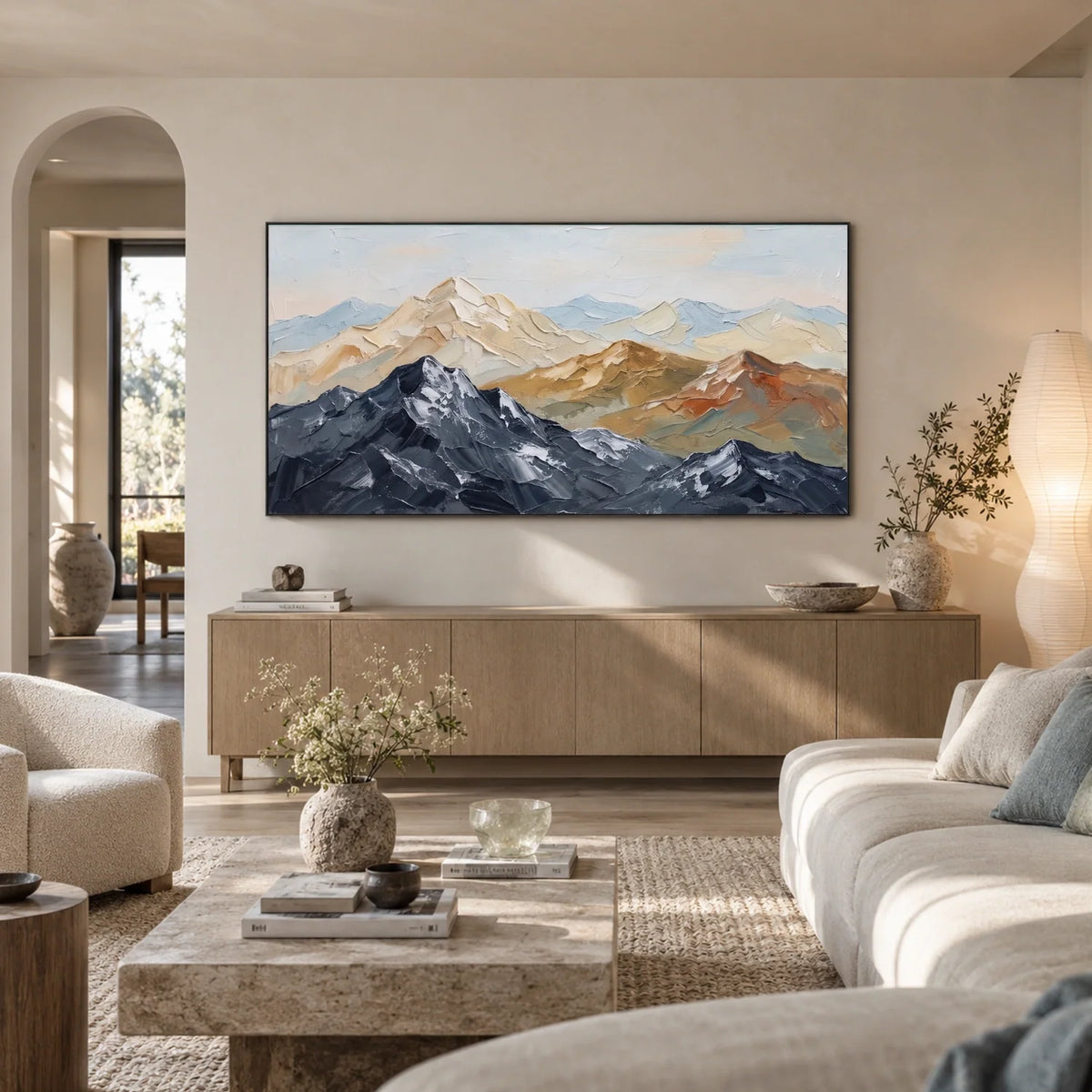
When decorating multiple walls, choosing artwork that works well with your room's overall style can make a big difference. Eleanos Gallery offers a variety of wall art in abstract, minimalist, and textured styles, making it easier to find pieces that complement different spaces and bring a cohesive look to your home.

Final Thoughts
So, how many walls should you decorate? For most rooms, one or two decorated walls are enough to create a balanced and inviting space. Larger rooms may benefit from more, while smaller spaces often look better with fewer decorations.
Rather than filling every empty wall, focus on choosing the right pieces and creating a look that feels natural, balanced, and connected to the rest of your room.
FAQs
Is It Okay to Leave One Wall Completely Empty?
Yes. Leaving one wall empty can help a room feel more open and less cluttered. It also allows other decorations to stand out. You don't need to fill every wall to create a finished look.
Should Wall Art Be the Same Size on Every Wall?
No. Mixing different artwork sizes can make a room feel more natural and interesting. You can use a large statement piece on the main wall and smaller prints or decorative items on other walls.
Can You Mix Different Art Styles in One Room?
Yes. Mixing abstract, minimalist, vintage, or textured artwork can add personality to your space. To keep everything cohesive, try to use complementary colors or repeating design elements.
Does a Small Room Need More Wall Decorations?
Not necessarily. In a small room, a few carefully chosen decorations are often more effective than filling every wall. One large piece of artwork or a small gallery wall can add visual interest without making the space feel crowded.




Leave a comment
This site is protected by hCaptcha and the hCaptcha Privacy Policy and Terms of Service apply.