

12 Creative Mixed Media Wall Ideas to Decorate a Blank Wall
A blank wall does not have to be filled with matching frames or a single type of artwork. Mixing different materials, textures, colors, and decorative pieces can make a room feel more personal and visually interesting.
A mixed media wall combines different types of wall decor in one arrangement. You can mix framed art with canvas, mirrors, photographs, sculptural pieces, textiles, or even decorative objects. The key is to create enough variety without making the wall feel cluttered.
If you are looking for inspiration, here are some mixed media wall ideas to try in your home.
Mix Framed Art With Canvas
One of the easiest ways to create a mixed media wall is to combine framed artwork with canvas pieces. The different surfaces add subtle contrast while keeping the overall look cohesive.
For example, you could use black-framed prints alongside a textured canvas painting. Keeping some colors consistent between the pieces will help the arrangement feel connected.
 Combine Paintings and Photographs
Family photographs can work surprisingly well with artwork. Instead of creating a gallery wall entirely from photos, mix a few personal pictures with paintings, illustrations, or abstract prints.
Black-and-white photographs are particularly easy to pair with colorful artwork because they add visual interest without competing with the other pieces.

Add a Mirror to Your Gallery Wall
A mirror can break up a collection of artwork while also reflecting light around the room. Try placing a round or organic-shaped mirror among rectangular frames to introduce a different shape.
This idea works especially well in living rooms, bedrooms, and entryways where you want the wall to feel decorative but functional.

Use Textured Wall Art
Mixed media does not have to mean adding lots of different objects. You can also create variety by combining flat artwork with pieces that have visible texture.
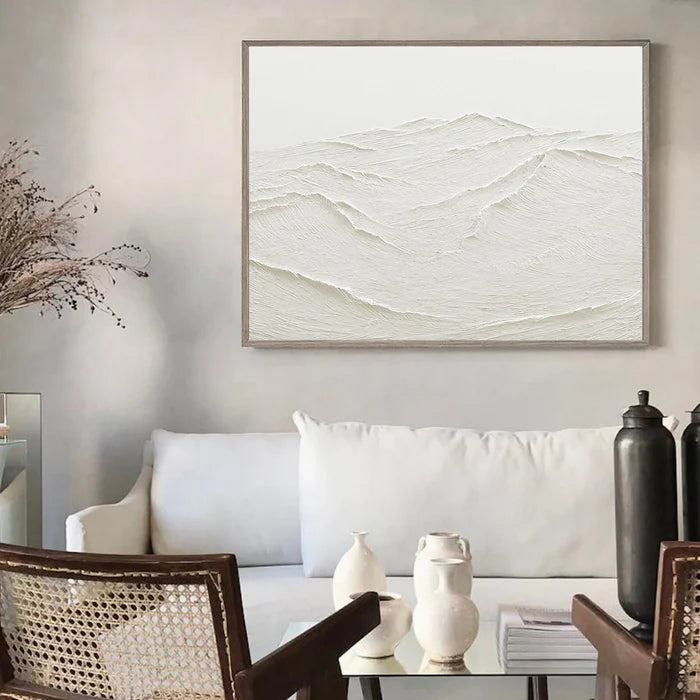
Textured paintings, plaster-style artwork, woven wall hangings, and three-dimensional art can add depth to an otherwise simple gallery wall. This can be especially effective in minimalist or neutral interiors.

Mix Wood and Metal
Different materials can give a mixed media wall more character. Natural wood frames can soften the look of black metal frames, while brass or other metallic finishes can add a subtle decorative accent.
You do not need every material to appear in equal amounts. Choosing one dominant material and using another as an accent can keep the wall from looking too busy.

Create a Gallery Wall With Different Frame Styles
Using different frames is another simple way to create a mixed media effect. You can combine thin black frames, natural wood frames, white frames, or vintage-style frames.
The important thing is to repeat certain elements. For example, different frame styles can still look cohesive if most of the artwork shares a similar color palette.

Add a Woven Wall Hanging
Textiles can soften a wall filled with hard surfaces such as glass, wood, and metal. A woven wall hanging, macramé piece, or textile artwork can introduce warmth and texture.
Place it between framed artwork or use it as the centerpiece of a larger arrangement. Neutral textiles work particularly well with earthy, minimalist, and boho-inspired interiors.

Mix Abstract Art With Decorative Objects
A mixed media wall can include more than traditional wall art. Small sculptural objects, decorative plates, baskets, or other wall-mounted pieces can be combined with paintings and prints.
For a balanced arrangement, vary the shapes and sizes rather than placing similar objects next to each other.

Try a Neutral Mixed Media Wall
You do not need bright colors to create an interesting wall. A neutral palette of cream, beige, taupe, brown, black, and white can still create plenty of visual depth when different textures are used.
For example, combine a beige abstract painting, a natural wood frame, a textured canvas, and a simple round mirror. The colors stay understated while the different materials add interest.

Create a Colorful Accent Wall
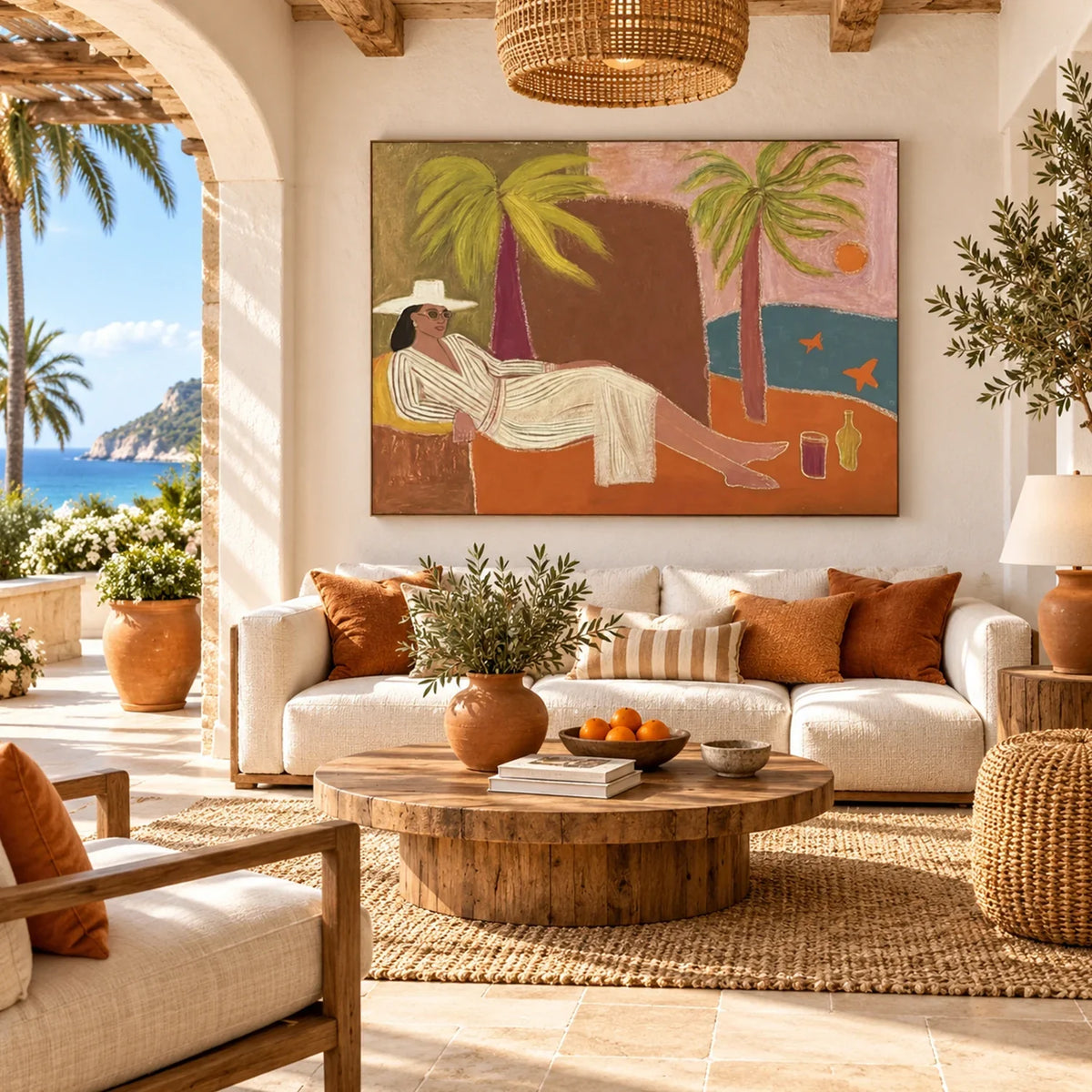
If you prefer a more energetic look, use mixed media pieces with complementary or related colors. Choose two or three main colors and repeat them throughout the arrangement.
A colorful painting can act as the starting point, while smaller prints, photographs, or decorative objects pick up colors from the main artwork.

Mix Vintage and Modern Pieces
Combining old and new pieces can give a gallery wall a more collected look. Try pairing vintage photographs or antique-style frames with modern abstract art.
The contrast between traditional and contemporary elements can make the wall feel less predictable and more personal.

Build a Mixed Media Wall Around One Large Piece
You do not need dozens of small pieces to create a mixed media wall. Start with one large painting, canvas, or textured artwork and build around it with smaller pieces.
The larger artwork becomes the visual anchor, while photographs, prints, mirrors, or decorative objects fill the surrounding space. This approach works particularly well on large living room walls.

How to Make a Mixed Media Wall Look Cohesive
The biggest challenge with mixed media wall decor is making different pieces look like they belong together. A few simple rules can help.
Choose a common color palette
Different types of artwork will feel more connected when they share a few colors.
Repeat materials or finishes
If you use a wood frame in one area, adding another wood element elsewhere can create visual consistency.
Vary shapes and sizes
Mixing rectangles with circles or organic shapes can make the arrangement more dynamic.
Leave some breathing room
Not every part of the wall needs to be filled. Space between pieces helps the arrangement feel intentional rather than cluttered.
Start with a focal point
Choose the largest or most eye-catching piece first, then arrange smaller pieces around it.
Where to Use Mixed Media Wall Decor
Mixed media wall decor can work in almost any room, and the right combination depends on the space and its function.
- Living Room: Mix paintings, framed prints, mirrors, and textured wall art above a sofa or on a large empty wall.
- Bedroom: Use soft colors, photographs, woven pieces, and simple artwork to create a calm and comfortable look.
- Dining Room: Combine artwork with mirrors, decorative plates, or textured pieces to add visual interest around the dining area.
- Entryway: A mirror paired with framed art can make the entryway both decorative and practical.
- Home Office: Mix artwork with functional pieces such as a pinboard, wall shelf, or calendar to create a workspace that feels personal.
- Hallway: Use a combination of smaller artworks, photographs, and decorative objects to make a narrow wall feel more interesting.
When choosing pieces, consider the size of the wall, the room's existing colors, and how much visual detail the space can handle. This will help the mixed media arrangement feel intentional rather than crowded.
Mixed Media Wall or One Large Piece?
Both options can work well, depending on the size of your wall and the look you want to create.
A mixed media wall is a good choice if you want to display different types of artwork, photographs, mirrors, or personal objects. It works especially well on large, empty walls where several smaller pieces can create a layered and collected look.
A single large piece of wall art can be a better option if you prefer a cleaner, more minimal look. One oversized painting or textured artwork can create a strong focal point without making the wall feel busy.
Consider the rest of the room before deciding. If the space already has plenty of patterns, colors, or decorative elements, one large piece may provide a more balanced look. If the room feels plain or you have several meaningful pieces to display, a mixed media wall can add more visual interest.
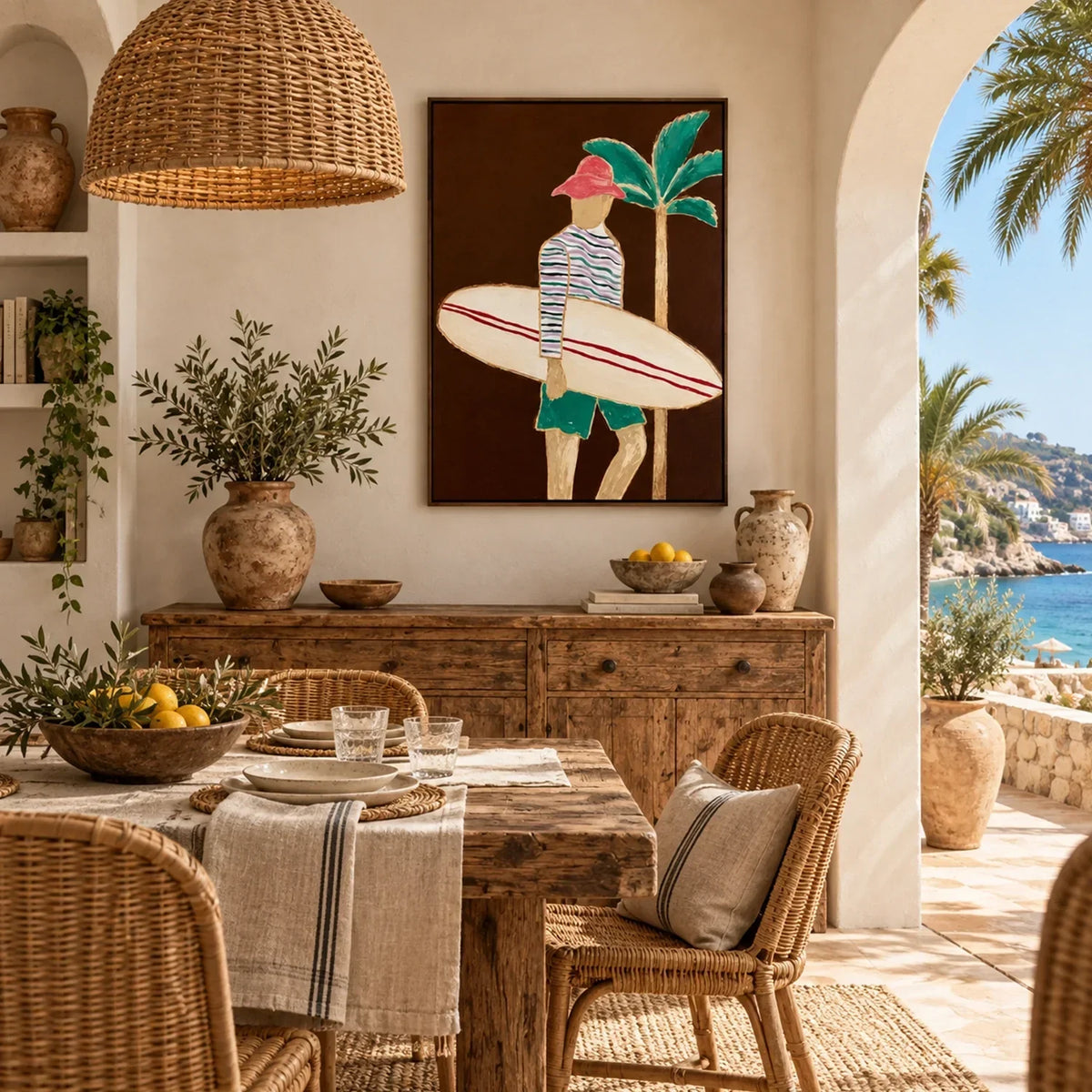
If you prefer a single large piece of wall art, handcrafted textured artwork from Eleanos Gallery can add warmth and dimension to a blank wall without the need for a full gallery arrangement. A textured piece can also serve as a focal point and be paired with smaller prints, photographs, or decorative objects to create a more layered mixed media look.

Final Thoughts
Mixed media wall ideas give you more freedom than a traditional gallery wall. Instead of choosing one type of artwork, you can combine paintings, photographs, mirrors, textiles, textured art, and decorative objects to create a wall that feels layered and personal.
You do not need to follow a strict formula. Start with a piece you love, choose a few complementary materials and colors, and build the arrangement gradually. The goal is to create enough variety to keep the wall interesting while maintaining a sense of balance.
Read more
How to Mix and Match Frames for a Gallery Wall Without Looking Messy
Mixing different frames can make a gallery wall feel more personal and collected. But if the colors, sizes, and styles are all different, the wall can quickly look messy. The trick is not to make e...
Read more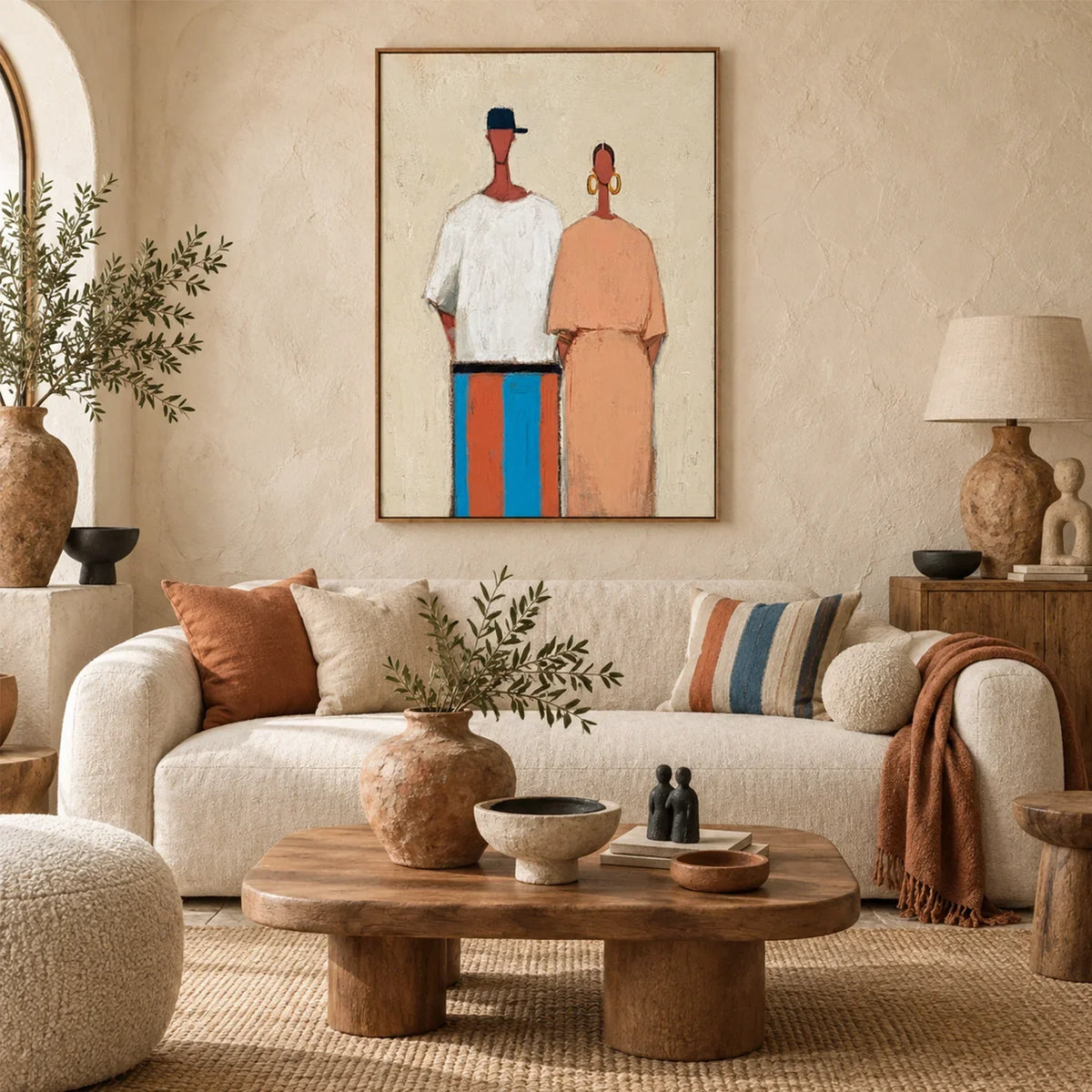
How to Tell If Wall Art Is High Quality: 10 Things to Look For
A piece of wall art can look stunning in a product photo but feel quite different when it arrives. The difference often comes down to details that are easy to miss, from print quality and materials...
Read more