
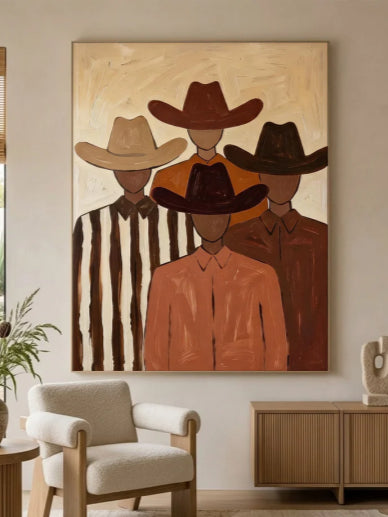
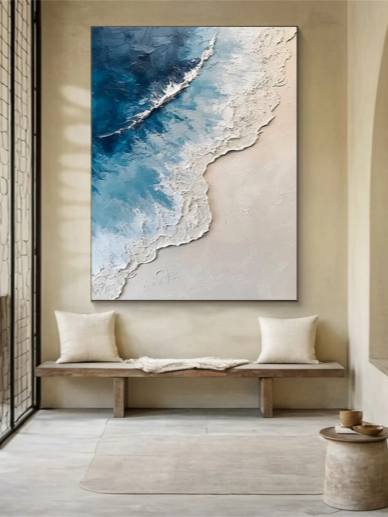


A gallery wall is one of the easiest ways to add personality, style, and visual interest to your home. Whether you want to display family photos, artwork, travel memories, or a mix of different pieces, a well-designed gallery wall can turn an empty wall into a stunning focal point.
However, creating a gallery wall is not just about hanging pictures randomly. The right layout, frame choices, spacing, and artwork combination can make the entire display look balanced and intentional.
In this guide, we’ll walk you through how to make a gallery wall step by step, from choosing artwork to arranging and hanging your pieces like a professional.
What Is a Gallery Wall?
A gallery wall is a collection of artwork, photographs, prints, or decorative objects arranged together on one wall. Unlike a single large piece of art, a gallery wall combines multiple elements to create a unique visual story.
Gallery walls can work in almost any room, including:
- Living rooms
- Bedrooms
- Dining rooms
- Hallways
- Entryways
- Home offices
They are especially useful for filling large blank walls and adding a personal touch to your space.

How to Make A Gallery Wall?
Step 1: Define Your Gallery Wall Style and Theme
Before choosing artwork or buying frames, it is important to decide what kind of style and atmosphere you want your gallery wall to create. One of the most common mistakes people make is purchasing random frames and artwork first, then trying to arrange everything together afterward. This often results in a wall that feels disconnected rather than thoughtfully designed.
Start by thinking about the overall feeling you want your space to have. Do you prefer a clean and minimalist look with simple artwork and neutral colors? Or do you want a warmer, more collected style that combines different pieces with personal meaning? Your answer will help guide your artwork choices, frame selection, and overall layout.
Popular Gallery Wall Styles
- A minimalist gallery wall focuses on simplicity, balance, and clean lines. Neutral colors, simple artwork, and matching frames work especially well in modern and contemporary interiors.
- An eclectic gallery wall creates a more relaxed and artistic atmosphere by combining different frame styles, artwork sizes, and textures. This approach feels more personal because it allows you to mix pieces collected over time.
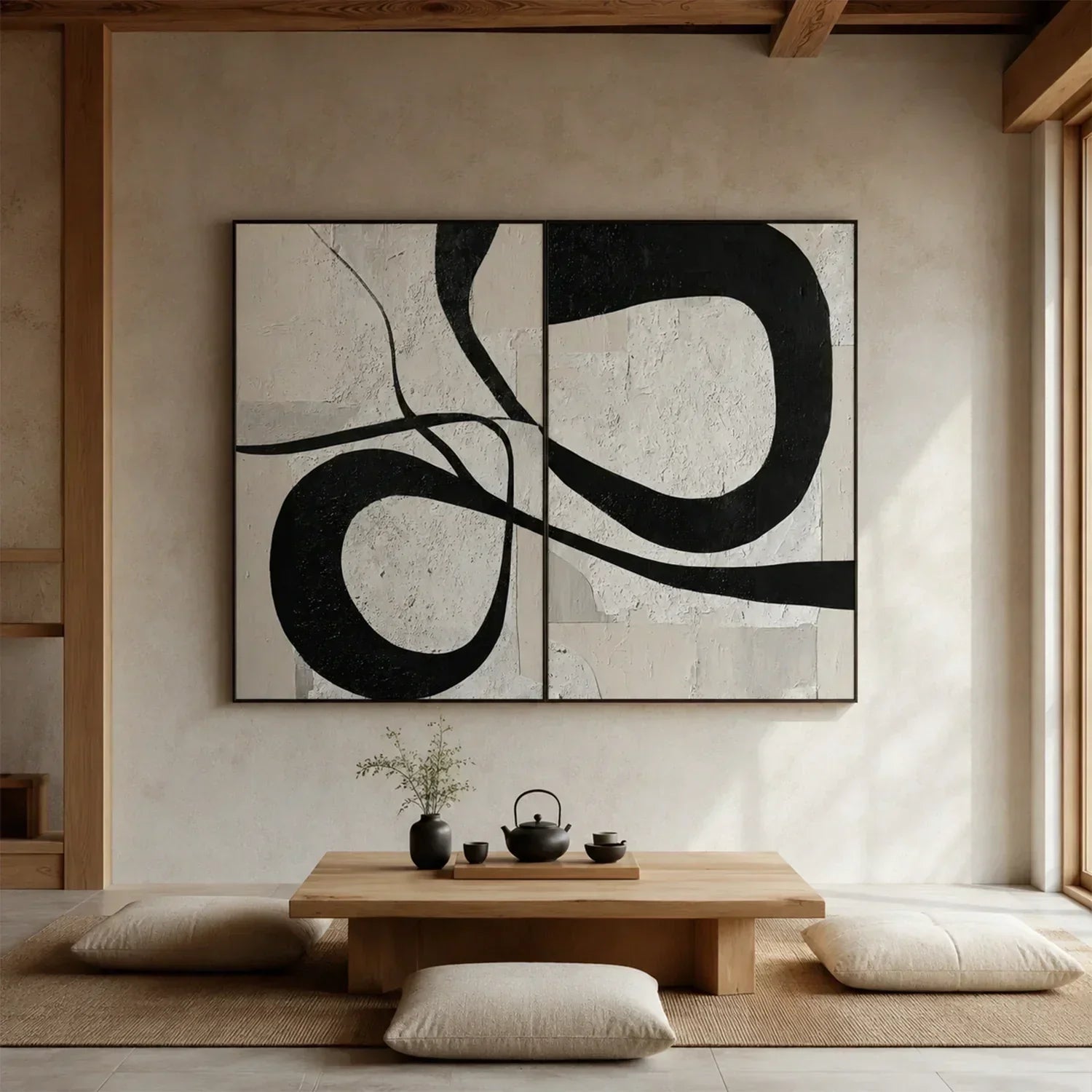
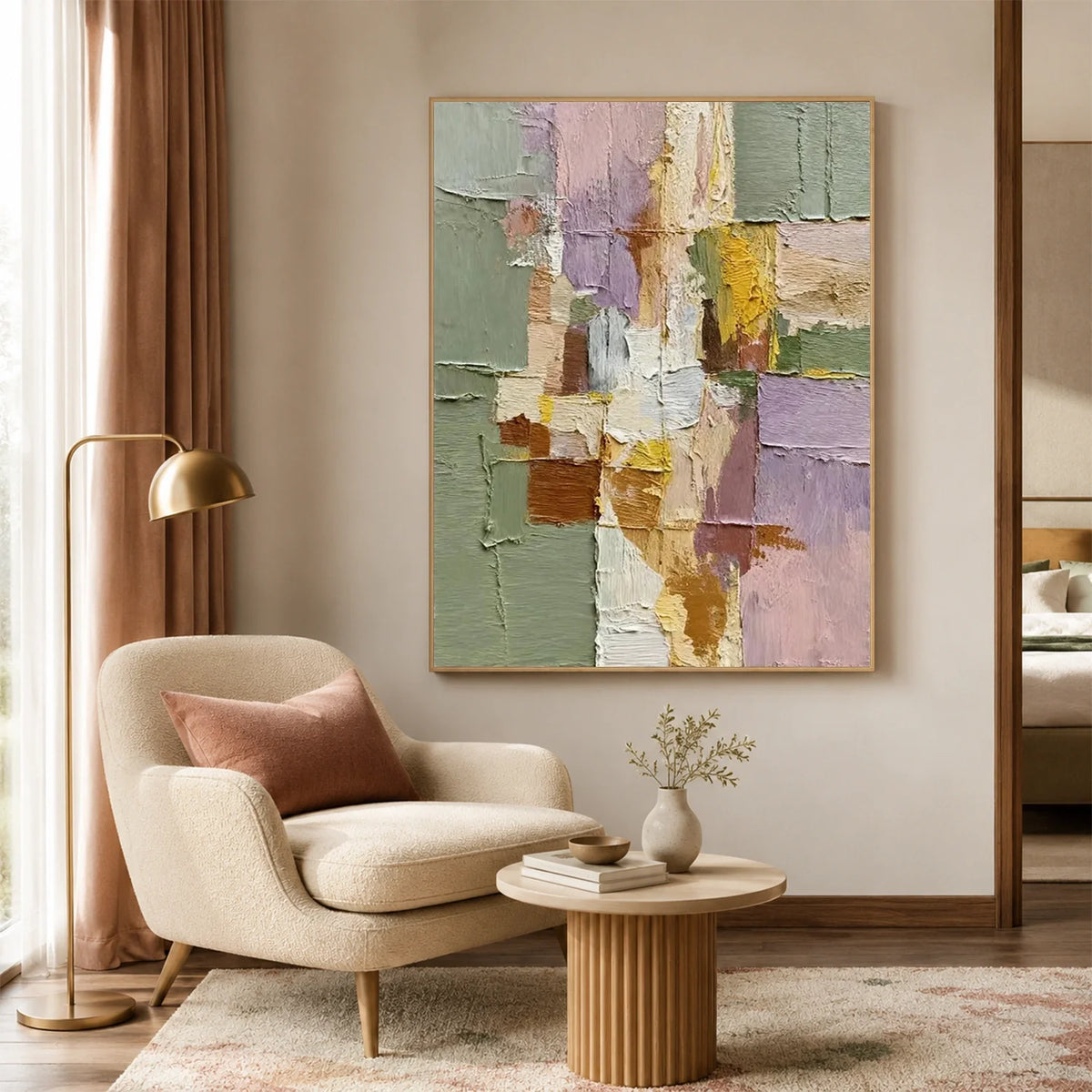
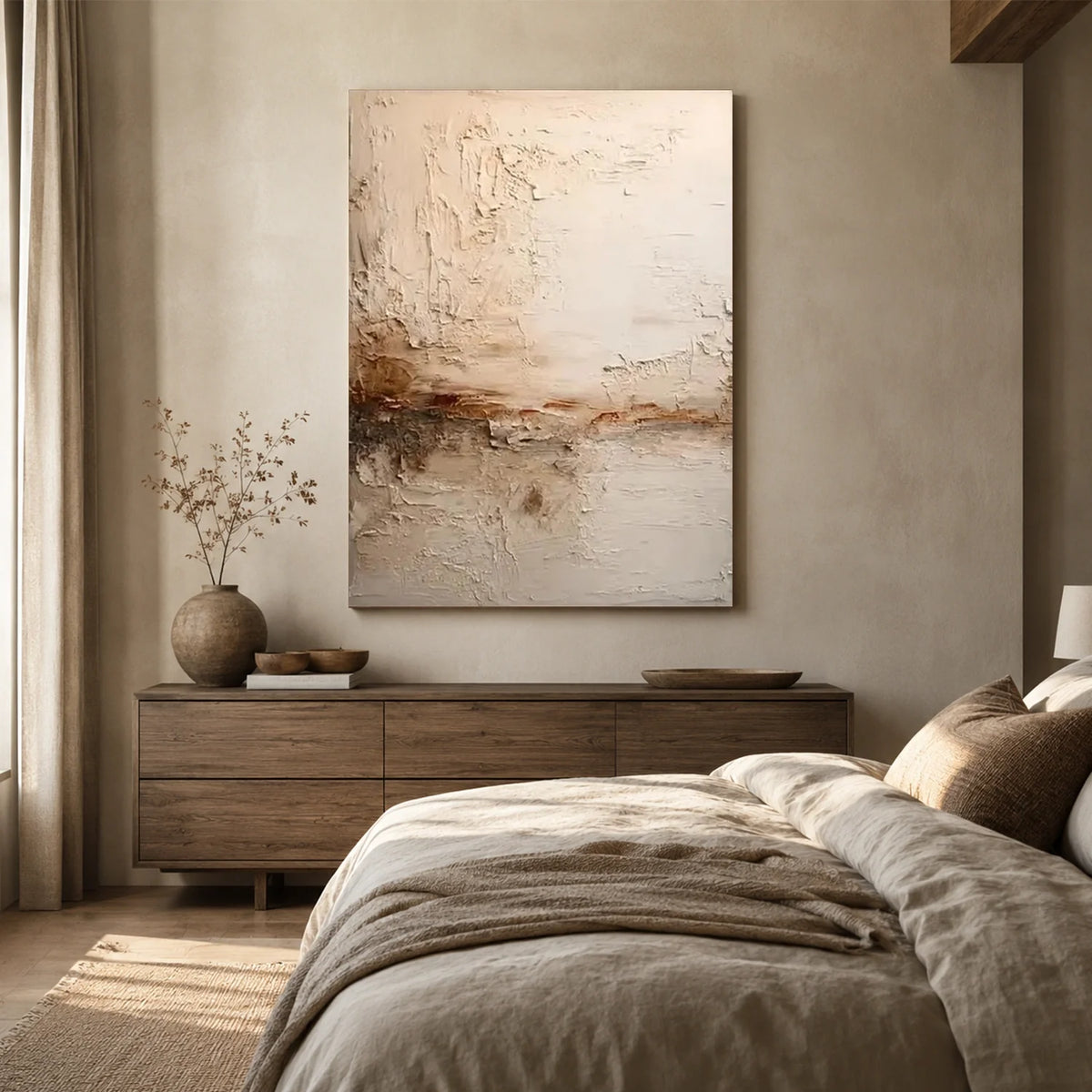
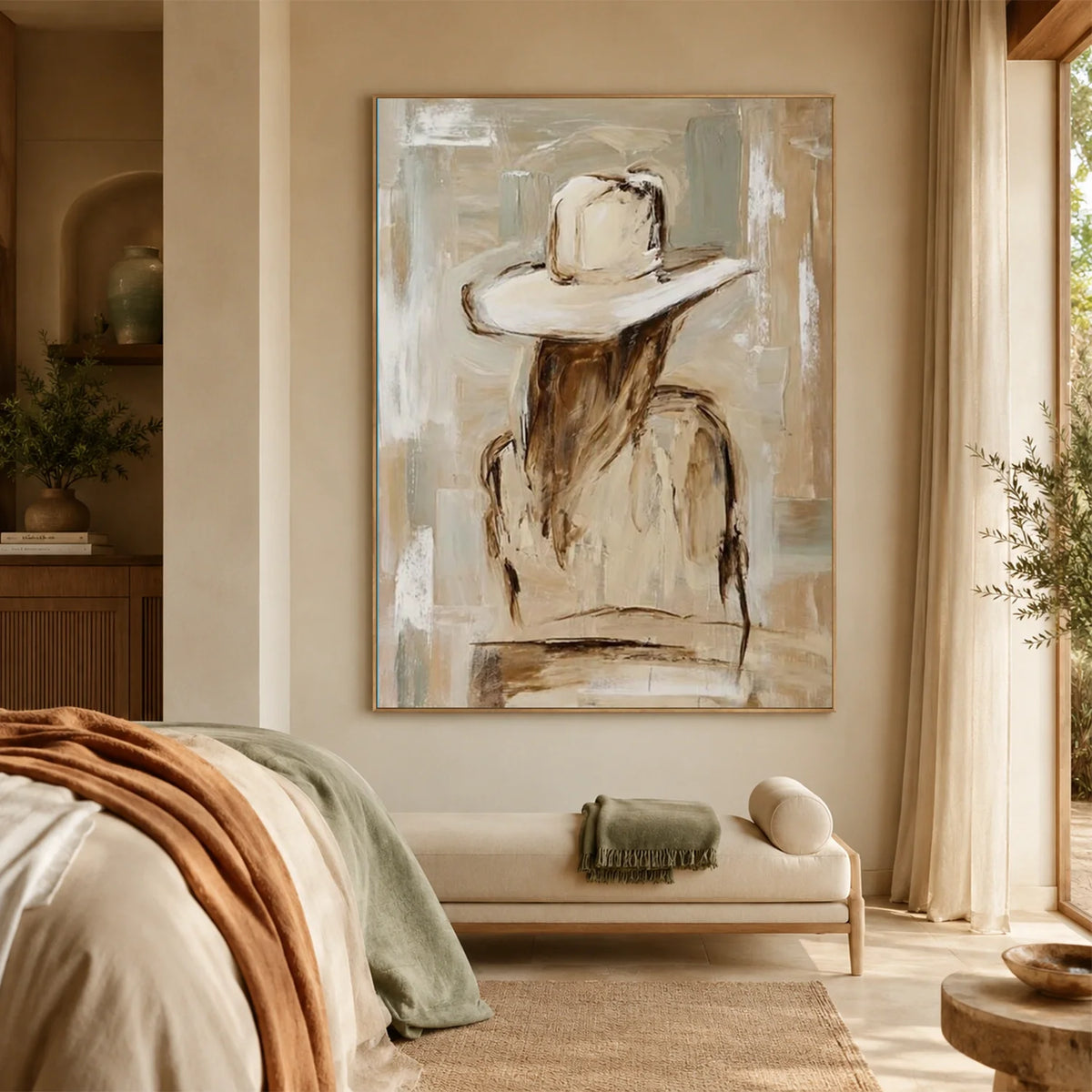
- An abstract art gallery wall uses paintings, textured artwork, and modern prints to create a strong visual statement. This style works beautifully above a sofa, bed, dining table, or home office wall because it adds personality without making the space feel cluttered.

Step 2: Choose Artwork and Frames That Create Balance
The secret to a successful gallery wall is finding the right balance between variety and cohesion. Your artwork should have enough differences to create visual interest, but there should also be a connection between each piece so the entire arrangement feels intentional.
Instead of choosing artwork that is all the same size or style, try mixing different proportions and formats. A large statement piece can act as the focal point, while medium and smaller pieces help create movement and fill the surrounding space.
Frames also play an important role in the overall appearance of your gallery wall. Matching frames create a clean and organized look, while mixing frame styles can add character and a more collected feel. However, too many different frame colors can make the wall appear chaotic.
To keep everything visually connected, choose one or two consistent elements, such as frame color, mat style, or artwork color palette. Black frames create a modern and sophisticated look, natural wood frames add warmth, and gold frames bring an elegant touch.

Step 3: Combine Different Elements to Add Depth and Personality
A gallery wall does not have to consist only of framed pictures. Mixing different types of artwork and decorative elements can make your display feel more layered and interesting.
Traditional artwork such as paintings, prints, photography, and botanical illustrations creates the foundation of your gallery wall. Adding textured pieces, such as textured canvas art, wooden artwork, or woven wall decorations, can introduce depth and prevent the arrangement from looking flat.
You can also include small decorative objects, such as mirrors, floating shelves, ceramic plates, or vintage finds. These unexpected elements help break up the repetition of rectangular frames and make the gallery wall feel more unique.
A useful guideline is the 60-30-10 rule. Around 60% of the display can be traditional artwork, 30% can include textured or decorative elements, and the remaining 10% can be more unexpected pieces that add personality and character.

Step 4: Plan Your Gallery Wall Layout Before Hanging
Once you have selected your artwork, the next step is planning the arrangement. Avoid hanging pieces immediately, as small mistakes in spacing and positioning can affect the entire look of your wall.
A simple way to start is by arranging your artwork on the floor. Think of this as a practice version of your wall display. Begin with the largest piece as the anchor point, then place medium-sized artwork around it before adding smaller pieces to fill the gaps.
When arranging your pieces, pay attention to balance rather than perfect symmetry. A gallery wall does not need to look identical on both sides, but it should feel visually balanced.
The visual triangle method is a useful technique for creating a natural flow. Place important elements in three different areas of the arrangement so your eyes move around the entire display instead of focusing on only one section.

Step 5: Use Paper Templates Before Making Holes
After finalizing your layout, transfer the arrangement to the wall using paper templates. This simple step can save you from making unnecessary holes and allows you to adjust the design before permanently hanging your artwork.
To create templates, trace each frame onto kraft paper or regular paper and cut out the shapes. Attach the paper pieces to the wall using painter’s tape and move them around until the spacing, height, and overall composition feel right.
This method is especially helpful for large gallery walls because it allows you to see the complete design in the actual room before committing to the final placement.

Step 6: Get the Spacing and Height Right
Even a carefully selected collection of artwork can look unfinished if the spacing and height are incorrect.
For most gallery walls, keeping around 2–4 inches between each piece creates a balanced appearance. The exact spacing depends on the size of your artwork, but consistency is more important than the specific measurement.
Artwork height is another common challenge. A general interior design guideline is to place the center of your gallery wall around 57–60 inches from the floor, which is close to average eye level.
If your gallery wall is placed above furniture, such as a sofa, console table, or bed, leave approximately 6–8 inches between the furniture and the bottom of the artwork. This helps the artwork and furniture feel connected instead of separated.

Step 7: Consider a Leaning Gallery Wall for a Flexible Display
If you are renting, prefer a temporary solution, or enjoy changing your decor frequently, a leaning gallery wall can be a great alternative to traditional hanging.
Instead of attaching every piece to the wall, place a large frame against the wall and layer smaller frames in front of it. Adding books, decorative objects, or small sculptures can create different heights and a more relaxed designer-inspired look.
This approach is also a great way to experiment with different artwork combinations before deciding on a permanent arrangement.

Step 8: Edit Your Gallery Wall and Make It Personal
Creating a gallery wall is not finished once the artwork is installed. The final step is stepping back and evaluating how everything works together.
Look at the wall from different angles and consider whether any piece feels too heavy or attracts too much attention. If one area feels darker or more crowded than another, try moving larger or stronger pieces toward the edges to improve balance.
If the display feels too flat, add more dimension through textured artwork, mirrors, shelves, or decorative objects. These details can make the wall feel more dynamic and professionally designed.
Most importantly, your gallery wall should reflect your personality. Include artwork that represents your experiences, memories, interests, or pieces that you genuinely love. The best gallery walls do not look perfectly staged—they look like they have developed naturally over time and belong to the people who live there.

Common Gallery Wall Mistakes to Avoid
Creating a gallery wall is a creative process, but small design mistakes can affect the final result. Understanding common problems before you start can help you create a display that feels balanced, intentional, and connected to your space.
Buying Frames Before Planning
One of the most common mistakes is purchasing frames before deciding on your overall gallery wall style and layout.
Frames should support your design, not determine it. If you buy random frames first, you may end up choosing artwork that does not fit the size, color, or style of the frames you already have.
Instead, start by thinking about the mood you want to create, the size of your wall, and the type of artwork you want to display. Once you have a clear direction, choose frames that enhance the overall look.
Using Too Many Matching Pieces
While matching frames and artwork can create a clean appearance, using too many identical elements can make your gallery wall feel flat and predictable.
A display with the exact same frame, size, and artwork style may look more like a showroom display rather than a personalized collection.
To create more visual interest, try mixing different sizes, orientations, and textures while keeping one or two consistent elements, such as frame color or artwork theme. The goal is to create variety without losing harmony.
Ignoring Balance and Composition
A gallery wall should feel balanced, even if the arrangement is not perfectly symmetrical.
A common mistake is placing all large or dark pieces together, which can make one side of the wall feel heavier than the other. Similarly, leaving too much empty space in one area can make the entire arrangement feel incomplete.
Before hanging your artwork, step back and look at the overall shape. Make sure the visual weight is distributed evenly and that smaller pieces help balance larger statement artwork.
Hanging Artwork Too High
Hanging artwork too high is one of the easiest ways to make a room feel disconnected.
When artwork is placed too far above furniture, such as a sofa, bed, or console table, the wall and furniture appear like separate elements instead of one cohesive design.
As a general guideline, keep your gallery wall around eye level and leave approximately 6–8 inches between the bottom of the artwork and the furniture below.
The right height helps create a more comfortable and professionally designed look.
Trying to Make It Too Perfect
Many people believe a gallery wall needs to look perfectly symmetrical and carefully styled, but overly perfect arrangements can sometimes feel cold or artificial.
The most beautiful gallery walls often look like they have been built over time, combining artwork, memories, and objects that have personal meaning.

Gallery Wall Ideas for Different Rooms
A gallery wall can work in almost any room, but the best artwork choices depend on the atmosphere you want to create. Consider the function, size, and existing style of each space when planning your display.
Living Room Gallery Wall Ideas
The living room is one of the most popular places for a gallery wall because it often has the largest open wall space.
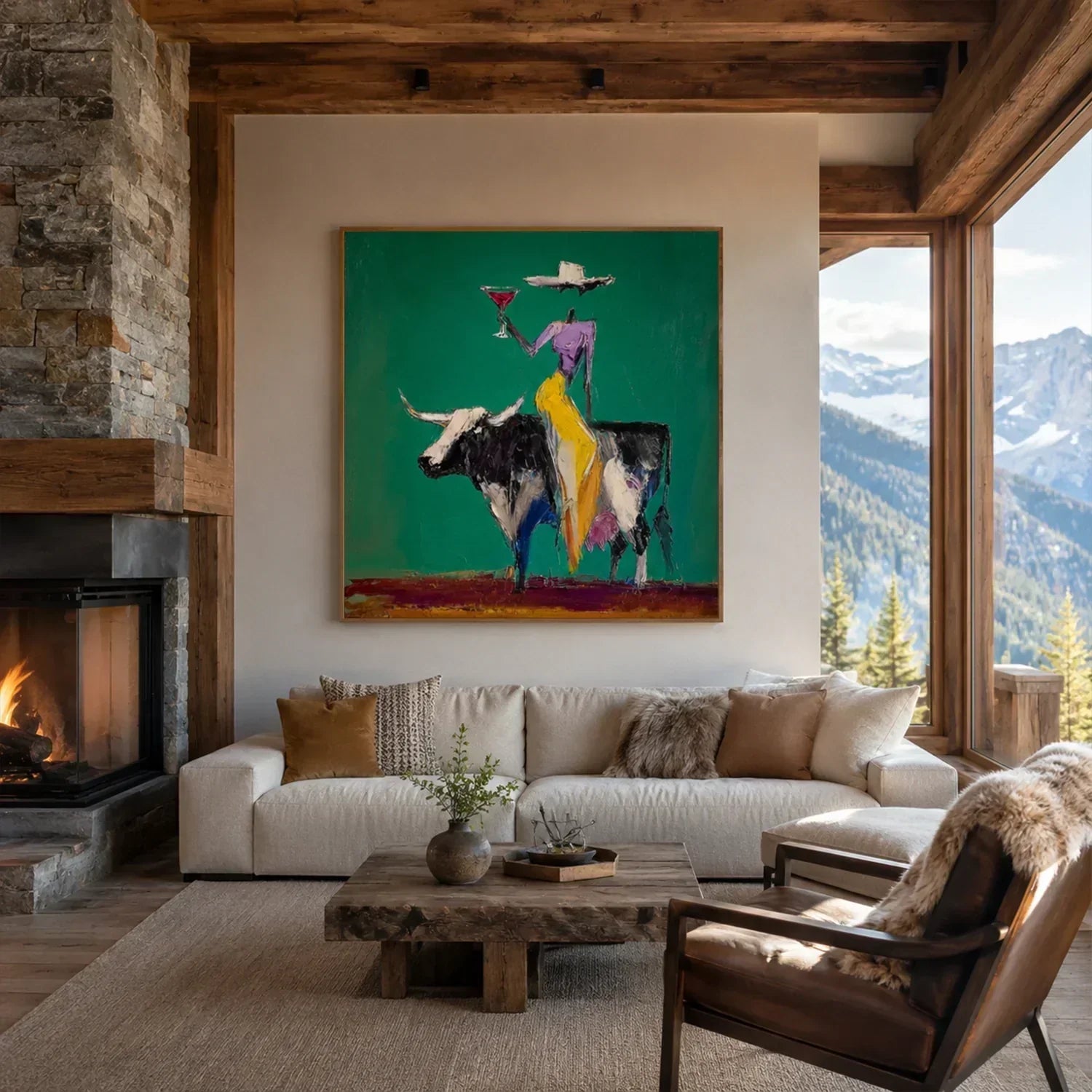
A combination of abstract art, textured paintings, modern prints, and decorative pieces can create a strong focal point above a sofa or entertainment area.
For larger living rooms, consider using one oversized statement artwork combined with smaller supporting pieces. This creates a balanced display without making the wall feel crowded.
Neutral abstract artwork works well in modern spaces, while colorful paintings or mixed textures can add warmth and personality to more traditional interiors.
Bedroom Gallery Wall Ideas
A bedroom gallery wall should create a calm and relaxing atmosphere.
Choose artwork with soft colors, simple designs, or personal meaning. Minimalist prints, nature-inspired artwork, and abstract paintings with neutral tones are popular choices for bedrooms.
A symmetrical arrangement above the bed can create a sense of balance, while a smaller collection of meaningful pieces can make the space feel more personal and cozy.
Avoid overly busy artwork if you want your bedroom to feel peaceful and restful.
Dining Room Gallery Wall Ideas
The dining room is a great place to add artistic and sophisticated wall decor.
Large artwork, botanical prints, textured wall art, and abstract paintings can make the dining area feel more elegant and inviting.
Because dining rooms are often used for entertaining guests, choose artwork that creates conversation and complements the overall atmosphere of the space.
A gallery wall above a buffet table or dining bench can also help fill empty wall space while adding a decorative focal point.
Entryway Gallery Wall Ideas
The entryway is the first impression of your home, making it a perfect place for a small but meaningful gallery wall.
A combination of family photos, artwork, mirrors, and decorative objects can create a warm and welcoming feeling.
Since entryways are often smaller spaces, avoid overcrowding the wall. A simple arrangement of three to five carefully selected pieces can make the area feel stylish without overwhelming the space.
Home Office Gallery Wall Ideas
A gallery wall in a home office can make the workspace feel more inspiring and personalized.
Consider combining motivational artwork, abstract designs, photography, or creative pieces that reflect your interests.
For a productive environment, choose artwork that complements your desk area rather than creating too much visual distraction. Minimalist layouts and calming color palettes can help maintain a focused atmosphere.
Do not be afraid to mix old and new pieces, combine different textures, or include artwork that reflects your personality. A gallery wall should feel like a reflection of your home, not a staged hotel display.
How Many Pieces Should Be in a Gallery Wall?
There is no perfect number of pieces required for a gallery wall. The right amount depends on the size of your wall, the size of your artwork, and the overall style you want to achieve.
A small collection can create just as much impact as a large one if the arrangement is carefully planned.
As a general guideline:
- Small wall: 3–5 pieces
- Medium wall: 5–9 pieces
- Large wall: 9 or more pieces
For smaller spaces, fewer larger pieces often look better than many tiny frames because they create a stronger visual impact. For larger walls, combining different sizes can help fill the space while maintaining balance.
FAQ
Do gallery wall frames have to match?
No. Matching frames create a clean look, while mixed frames add personality. Just keep some consistency in color, material, or style.
How many pieces should be in a gallery wall?
The number depends on your wall size. Small walls often need 3–5 pieces, while larger walls may require 9 or more pieces.
Can I make a gallery wall without nails?
Yes. A leaning gallery wall using frames, shelves, or picture ledges is a great option for renters or anyone who likes to change their decor.
What artwork works best for a gallery wall?
Popular choices include abstract art, photography, prints, botanical artwork, and textured wall art. Mixing different sizes and textures creates more visual interest.
Final Thoughts
Creating a gallery wall is not just about filling an empty wall—it is about creating a display that reflects your personal style and makes your space feel complete.
The key is to choose artwork that works well together, balance different sizes and textures, and plan your layout before hanging. Whether you prefer minimalist designs, personal photos, or abstract artwork, the best gallery walls feel natural and meaningful.
Adding unique pieces like textured art and abstract paintings can bring more depth and character to your display. Eleanos Gallery offers handcrafted textured wall art and modern abstract pieces that can help create a stylish focal point for living rooms, bedrooms, dining spaces, and home offices.
A beautiful gallery wall does not have to be perfect—it just needs to tell your story.




Leave a comment
This site is protected by hCaptcha and the hCaptcha Privacy Policy and Terms of Service apply.