

Have you ever looked at a painting and felt an overwhelming urge to run your fingers across its surface? If so, you’ve likely encountered textured art.
In recent years, textured art has taken the interior design and contemporary art worlds by storm. From minimalist white plaster canvases on TikTok to high-end gallery masterpieces, this tactile medium is redefining how we experience visual art.
But what is textured art, exactly? Why has it become so popular, and how can you bring it into your own home? In this ultimate guide, we will break down everything you need to know about this captivating 3D art form.
What Is Textured Art?
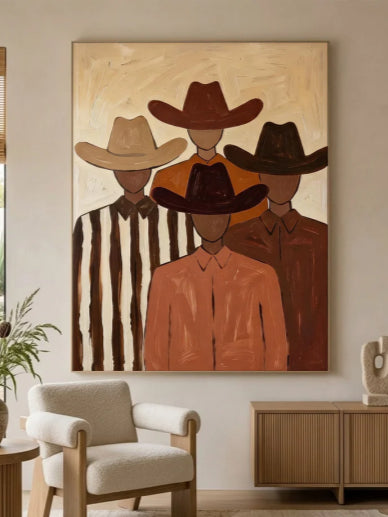
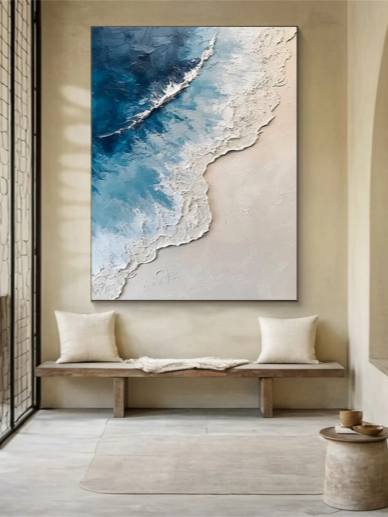
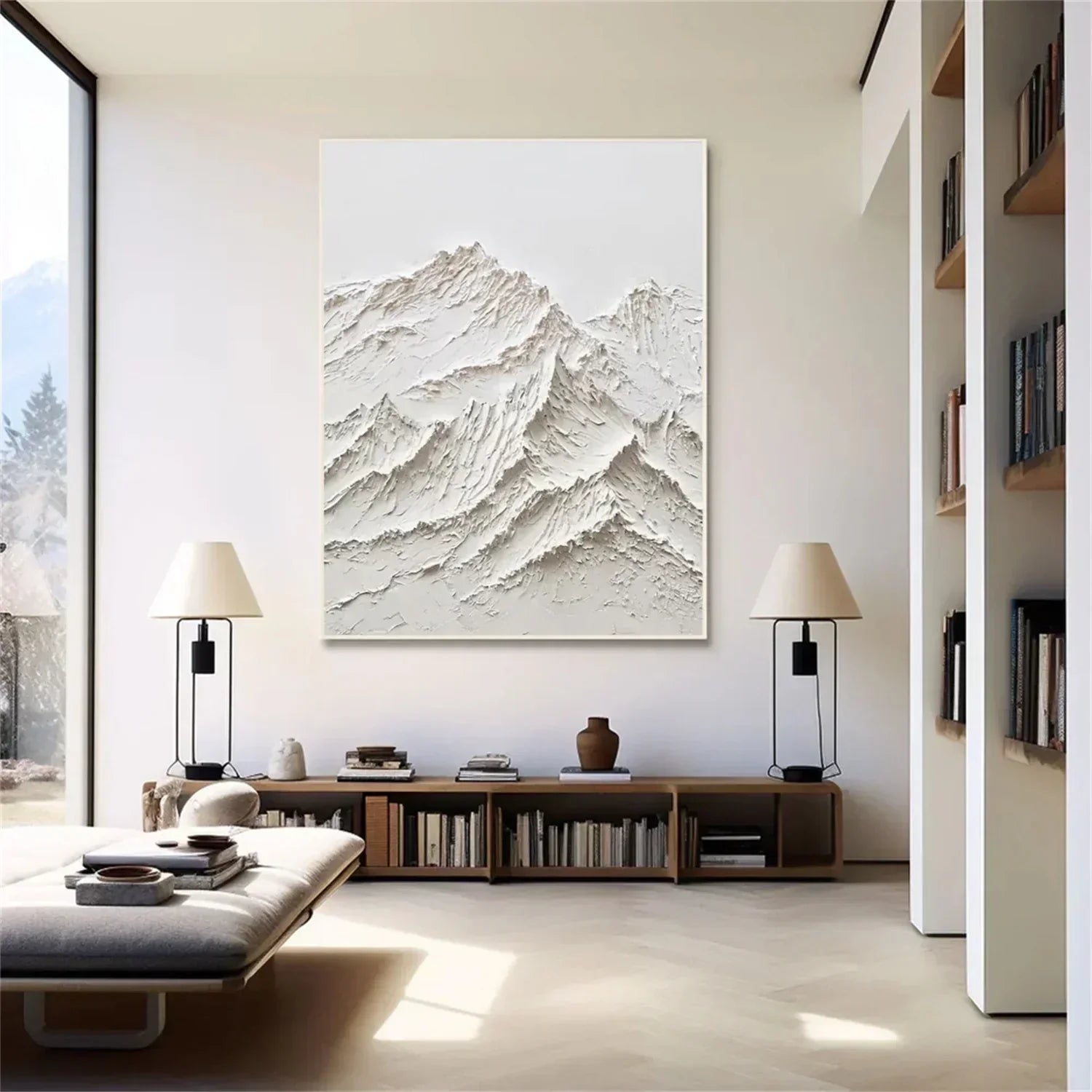
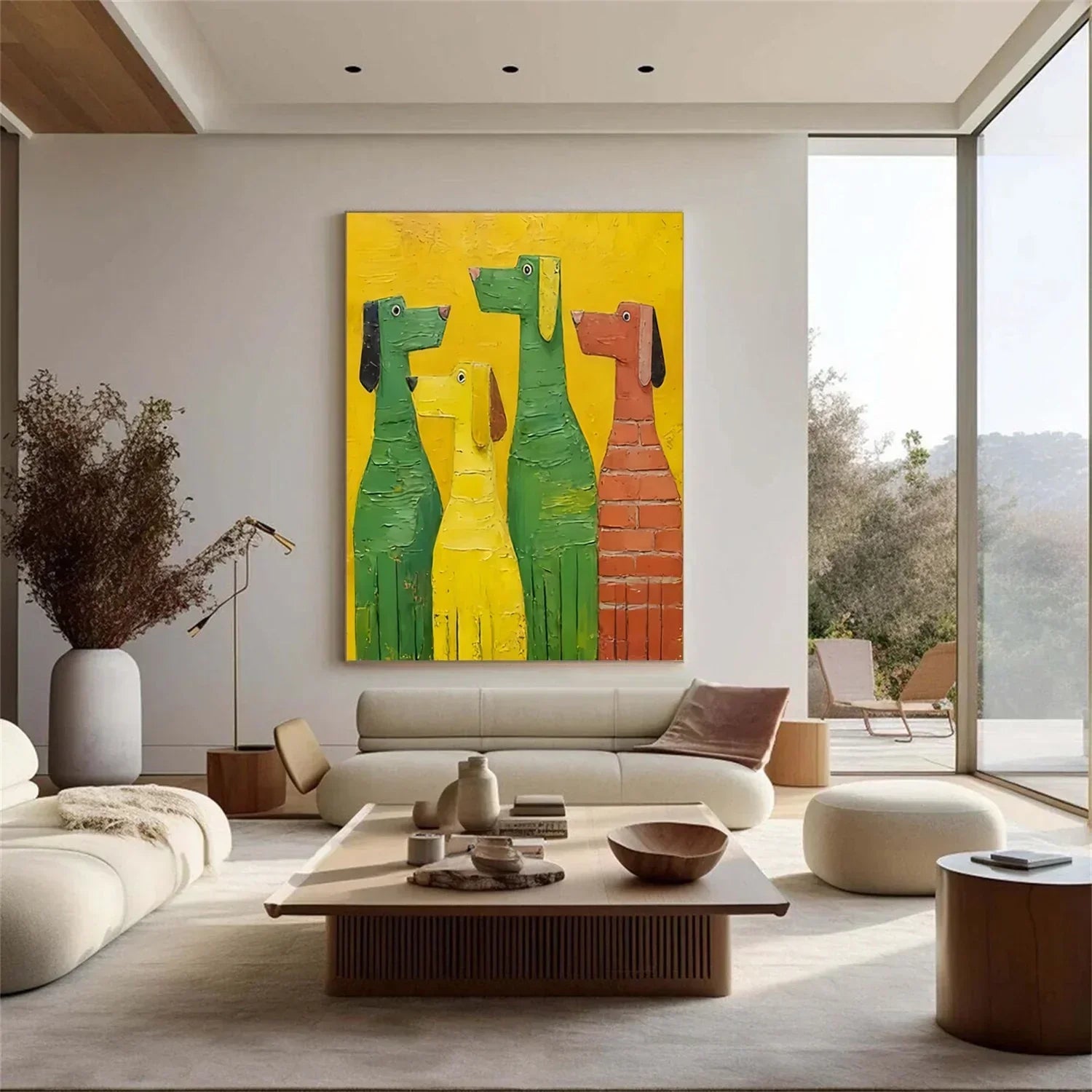
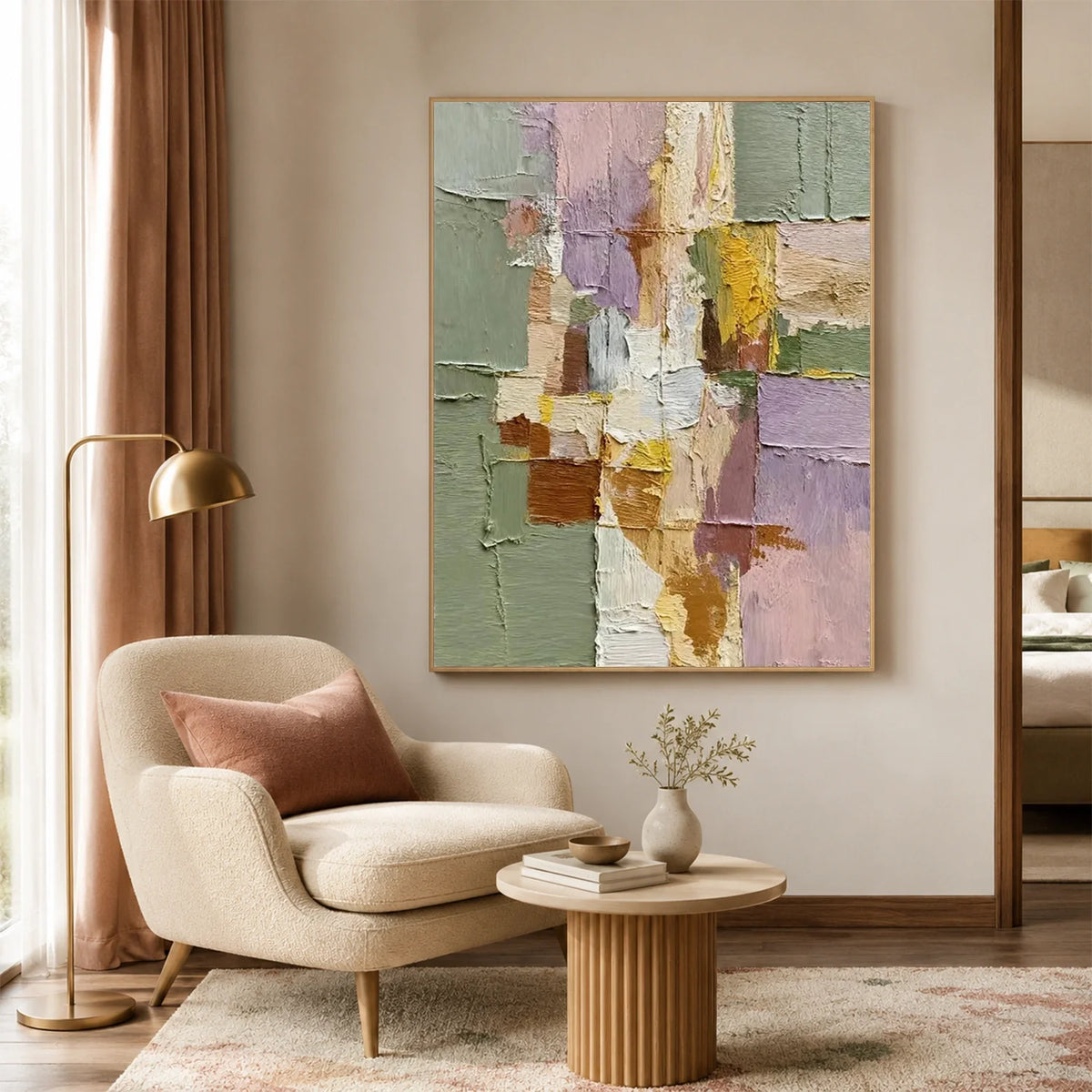
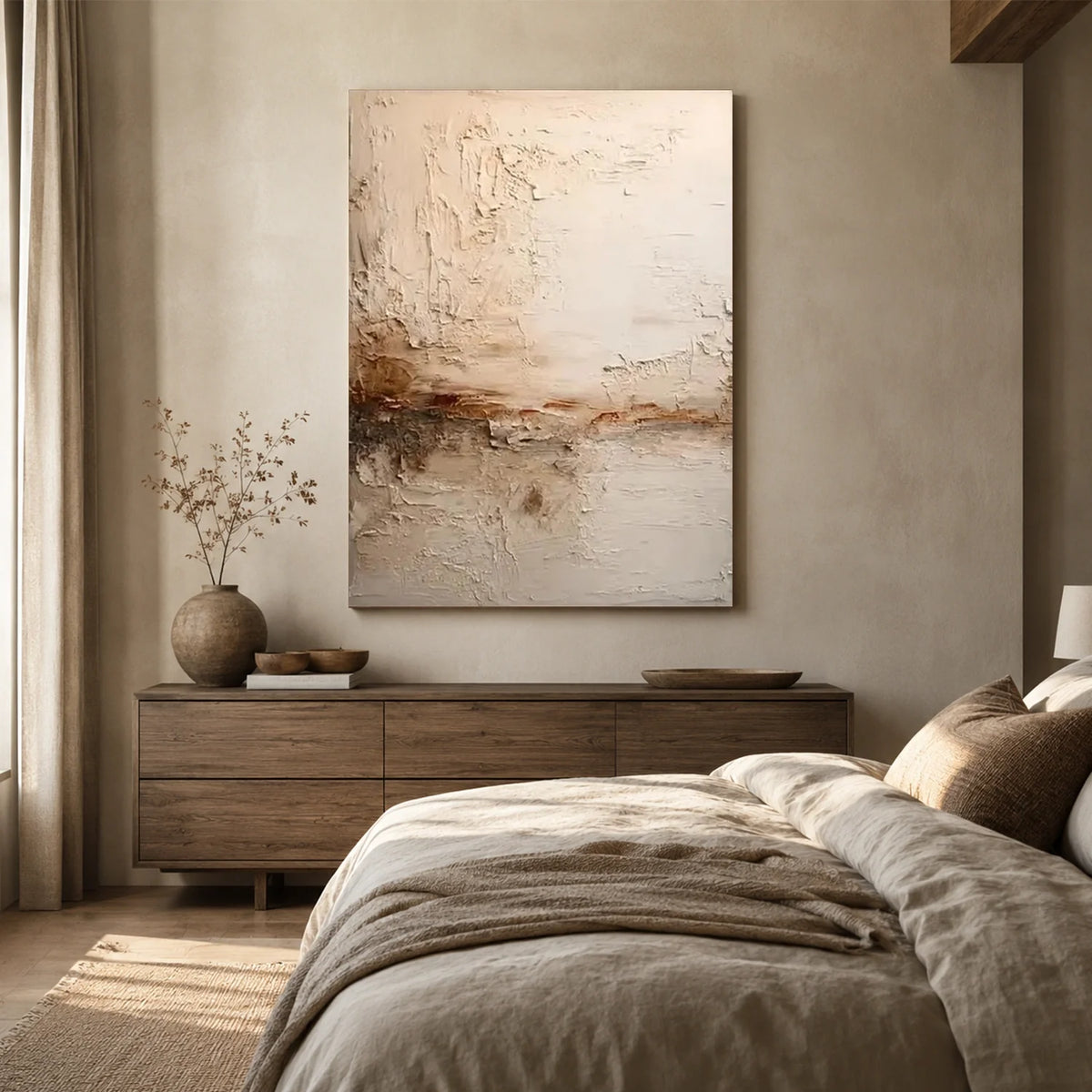
At its core, textured art (also known as texture art or 3D canvas art) is any artwork where the materials are applied thickly to create a raised, three-dimensional surface. Unlike traditional flat paintings, textured art plays with depth, shadows, and light, inviting the viewer to experience the piece through both sight and touch.
In art theory, texture is divided into two categories:
- Visual Texture: An illusion of depth created by clever shading and color blending (the canvas remains perfectly flat).
- Physical (Tactile) Texture: The literal, physical roughness or ridges on the canvas that you can actually feel. This is what we mean by textured art today.

Why Is Textured Art So Popular Right Now?
Textured art has become a massive trend. Here is why.
- Social media loves it. Watching someone spread plaster across a canvas and carve patterns into it is mesmerizing. Short videos of the process get millions of views. The finished piece looks dramatic and expensive.
- It is beginner-friendly. You do not need drawing skills. You do not need to paint realistic portraits. You can create stunning abstract pieces with just a palette knife and some paste.
- It looks high-end. Textured art adds depth and sophistication to a room. It catches light in interesting ways. A simple white-on-white textured piece can look like it cost thousands of dollars.
- It is relaxing to make. The physical act of spreading, carving, and shaping is almost meditative. Many people make textured art as a form of stress relief.
A Very Brief History of Texture in Art
Texture is not new. Artists have been adding physical depth to their work for centuries.
In the 1600s, Rembrandt used thick paint to make the wrinkles in his portraits feel real. In the late 1800s, Vincent van Gogh painted with such heavy brushstrokes that you can still see the ridges in his work today. That technique is called impasto—a fancy word for "thick paint."
In the 20th century, artists started gluing sand, fabric, newspaper, and even broken glass onto their canvases. This is called mixed media. It pushed textured art even further.
Today, textured art has exploded in popularity thanks to social media. Short videos of artists spreading plaster across a canvas have billions of views. People love watching texture come to life.

What Are the Different Types of Textured Art?
Textured art is a big category. Here are the most common types you will see today.
Impasto Painting
The artist applies thick layers of paint using a palette knife or brush. The paint holds its shape like frosting on a cake. Oil and acrylic paints work best because they dry slowly or stay firm.
Plaster and Modeling Paste Art
The artist spreads plaster, joint compound, or a special paste called modeling paste across a canvas. They shape it with tools, combs, or even household objects like forks and credit cards. Once dry, they paint over it.
Collage and Mixed Media
The artist glues different materials onto the surface—paper, fabric, lace, cardboard, or found objects. The layers create natural texture without any carving or sculpting.
Clay and Air-Dry Clay Art
The artist shapes clay directly onto a board or canvas. They can create flowers, geometric shapes, or abstract patterns. Air-dry clay hardens without a kiln, making it perfect for beginners.
Natural Texture Art
The artist uses sand, crushed stone, coffee grounds, or dried leaves mixed into the paint or glue. This creates an organic, earthy feel.
Sculptural Canvas Art
The artist stretches canvas over a frame that is not flat. The canvas itself has bumps, dips, or waves before the artist even adds paint.
Common Materials Used in Textured Art
Artists use a variety of mediums to achieve that signature 3D look. If you are looking to buy or create your textured art, these are the most common materials you will encounter:

How to Buy Textured Art ?
Textured art can completely change how a room feels — adding depth, softness, and a more “finished” look without needing bold colors. When buying textured wall art, the most important things to look for are real texture vs printed texture, size, material quality, and how the piece interacts with light.
Understand the Difference Between Real and Printed Texture
Many textured artworks online only look textured but are actually flat prints. Look for terms like “hand-textured,” “plaster finish,” or “mixed media.” Real textured art should show visible depth and shadows under light.
Choose the Right Size
The size of textured art greatly affects the overall look of a room. Pieces that are too small can feel awkward, while oversized artwork creates a more modern and luxurious appearance. A good rule is to choose art that covers about 60–75% of the furniture width below it.
Neutral Colors Are Easier to Style
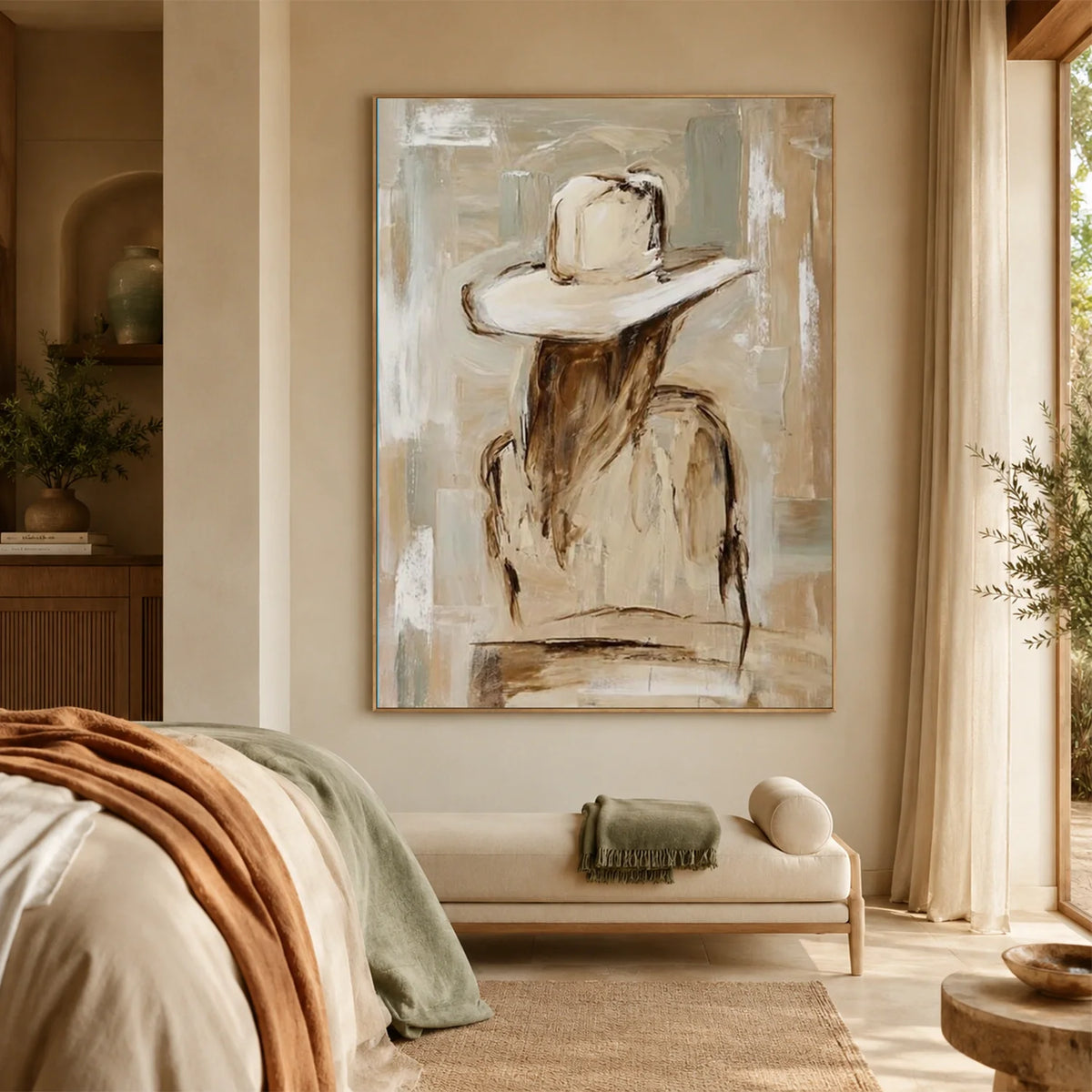
Neutral textured art in beige, cream, ivory, or taupe works well in most interiors, especially minimalist, modern, and Japandi spaces. These tones add depth without overwhelming the room.
Lighting Makes a Big Difference
Textured wall art looks best with natural light or warm spotlights. Good lighting highlights the raised texture, shadows, and brush details, making the artwork feel more dimensional and premium.
Check the Materials
Canvas with plaster texture is the most common option, but some artworks also use wood, fabric, sand, or layered acrylic materials. Handcrafted mixed-media pieces usually feel more unique and higher quality than printed canvases.
Read Customer Reviews
Reviews and buyer photos can help confirm whether the texture is real or printed. They also give a better idea of color accuracy and overall quality before purchasing.
Focus on Quality Over Quantity
Instead of buying multiple cheap prints, investing in one well-made textured artwork often creates a stronger and more timeless visual impact.

Finding durable, high-quality 3D Textured Art can be a challenge, which is why we highly recommend Eleanos Gallery. They offer handcrafted, made-to-order pieces featuring calming neutrals and rich, stony textures instead of mass-produced molds. Each artwork arrives ready to hang in a premium wooden float frame, perfectly protecting the delicate 3D edges while maximizing the visual depth on your wall.
FAQ
Q: What is the best type of frame for textured wall art?
A: Float frames are the absolute best choice. They feature a small gap between the artwork and the wooden edge, which beautifully showcases the 3D depth of the piece and prevents the raised textured edges from being crushed.
Q: Is textured art durable, and does it yellow over time?
A: It is highly durable if sealed properly. However, raw plaster or cheap hardware materials can yellow or become brittle over time. To ensure longevity, always seal the finished artwork with a UV-resistant professional matte or satin acrylic varnish.
Q: How long does textured art take to dry?
A: Depending on the thickness of the layers and the humidity, textured art usually takes 24 to 72 hours to dry completely. Very thick layers of modeling paste or joint compound may take up to a full week to cure completely through to the center.
Final Thoughts
Textured art bridges the gap between traditional painting and sculpture. Whether you prefer a dramatic, colorful impasto landscape or a serene, monochrome plaster wave, this art style brings an undeniable richness to any wall it touches. It proves that art doesn't just have to be looked at—it is something to be felt.




Leave a comment
This site is protected by hCaptcha and the hCaptcha Privacy Policy and Terms of Service apply.