

Mixing different art styles can make a room feel more personal and interesting. You might love modern abstract paintings, vintage prints, minimalist drawings, or colorful photography. But how do you bring them together without making your walls look cluttered?
The secret is to create a few visual connections while giving each piece enough space to stand out. Here are some simple ways to mix different art styles and keep your home looking balanced.
How to Mix Art Styles in Your Home
1. Stick to a Consistent Color Palette
Different artwork doesn't need to look identical, but sharing a few colors can help create a connection. For example, combine a modern abstract painting with vintage prints that feature similar shades of beige, brown, or green.
You don't need to match every color. Repeating two or three shades throughout the arrangement is often enough.

2. Choose a Focal Point
When displaying different art styles together, start with one main piece that catches attention. It could be a large abstract painting, a colorful canvas, or an oversized vintage print.
Place smaller and simpler artwork around it. This creates a natural visual hierarchy and prevents every piece from competing for attention.

3. Mix Art Styles Around a Shared Theme
A shared subject can bring different art styles together. For example, botanical illustrations, abstract floral paintings, and nature photography all have a connection, even though their artistic approaches are different.
You can also combine travel posters, architectural sketches, and city photography for an urban-inspired collection.

4. Balance Bold Pieces with Minimalist Artwork
Too many colorful or detailed paintings can make a wall feel overwhelming. Try pairing bold artwork with simpler designs, such as line drawings, neutral prints, or minimalist illustrations.
The contrast creates visual breathing room and allows statement pieces to stand out without making the entire arrangement feel busy.

5. Mix Different Frame Styles Carefully
Frames can help connect artwork from different periods and styles. Black, white, natural wood, and gold frames are versatile choices that work well with many types of artwork.
You can also mix frame finishes for a more eclectic look. Just avoid using too many competing colors and decorative details in one small area.

6. Pay Attention to Scale and Spacing
A good gallery wall usually includes a mix of large, medium, and small artwork. One larger piece can anchor the arrangement, while smaller prints fill the surrounding space.
Keep the gaps between frames relatively consistent. Around 2–3 inches is a good starting point for many gallery walls.

7. Consider the Furniture and Room Layout
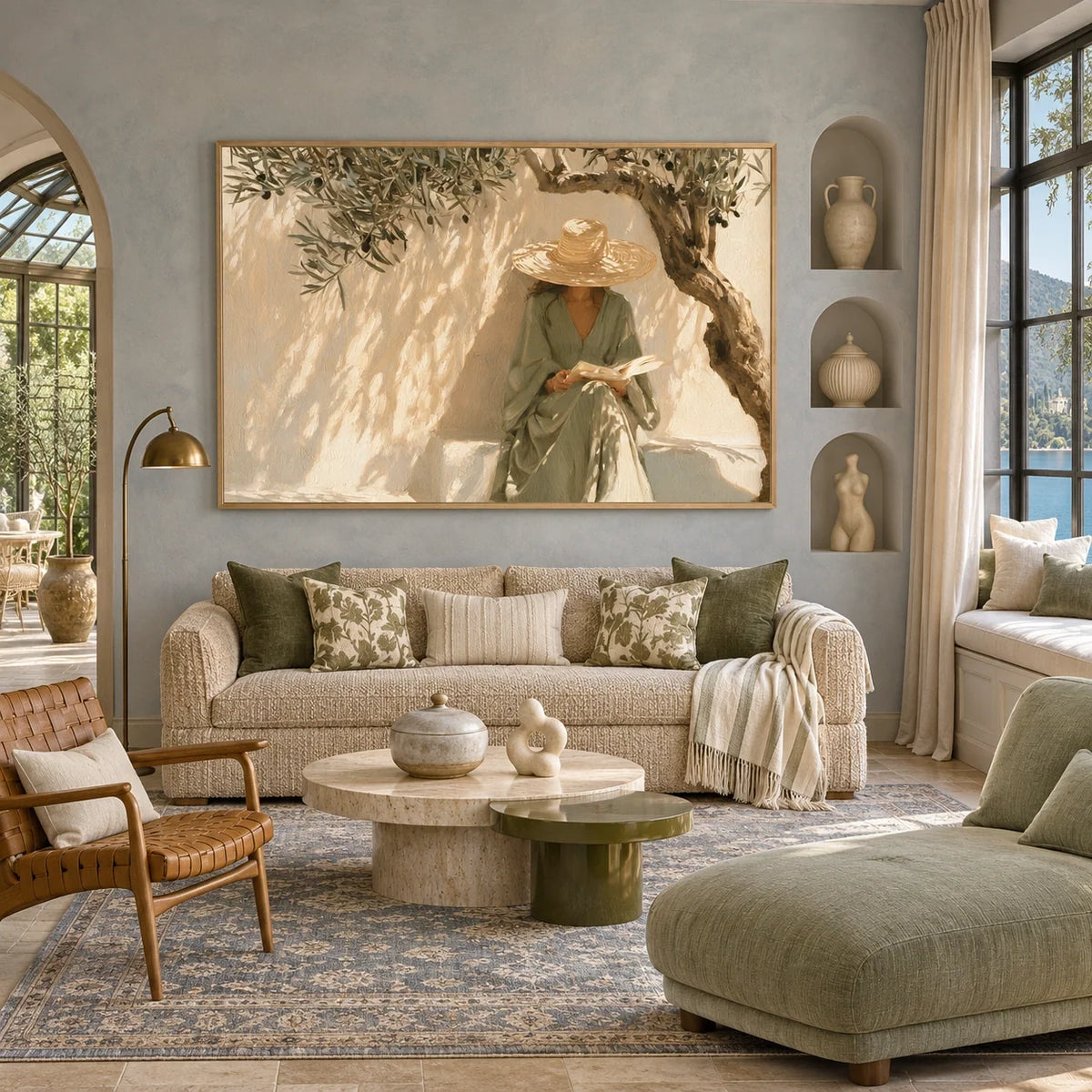
Artwork should work with the furniture and surrounding space, not just with other paintings. For example, a large abstract canvas above a sofa can serve as the main focal point, while smaller vintage prints add variety nearby.
Also consider the proportions of your furniture. A collection that is too small above a large sofa may look disconnected, even if the artwork itself matches perfectly.

8. Mix Different Materials and Textures
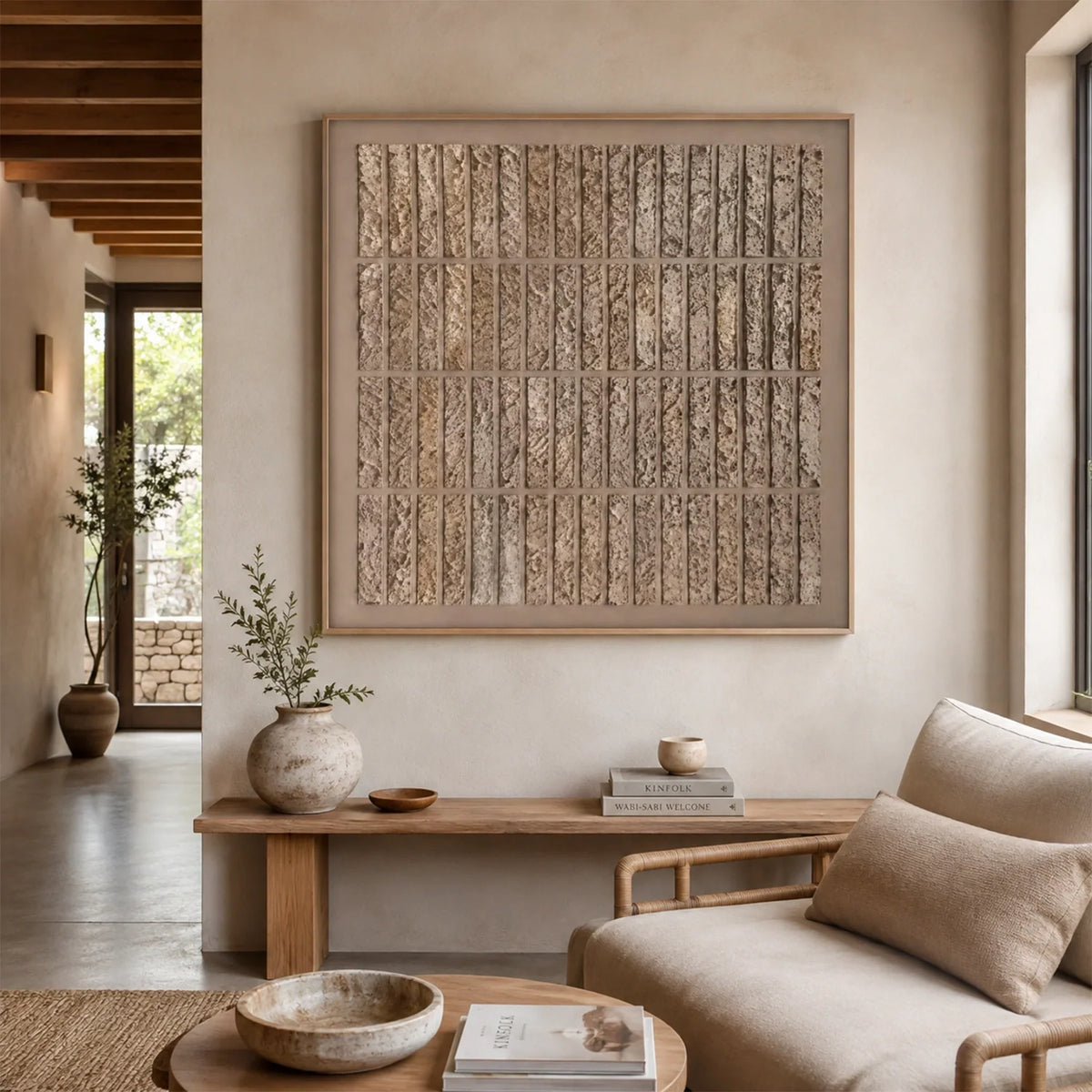
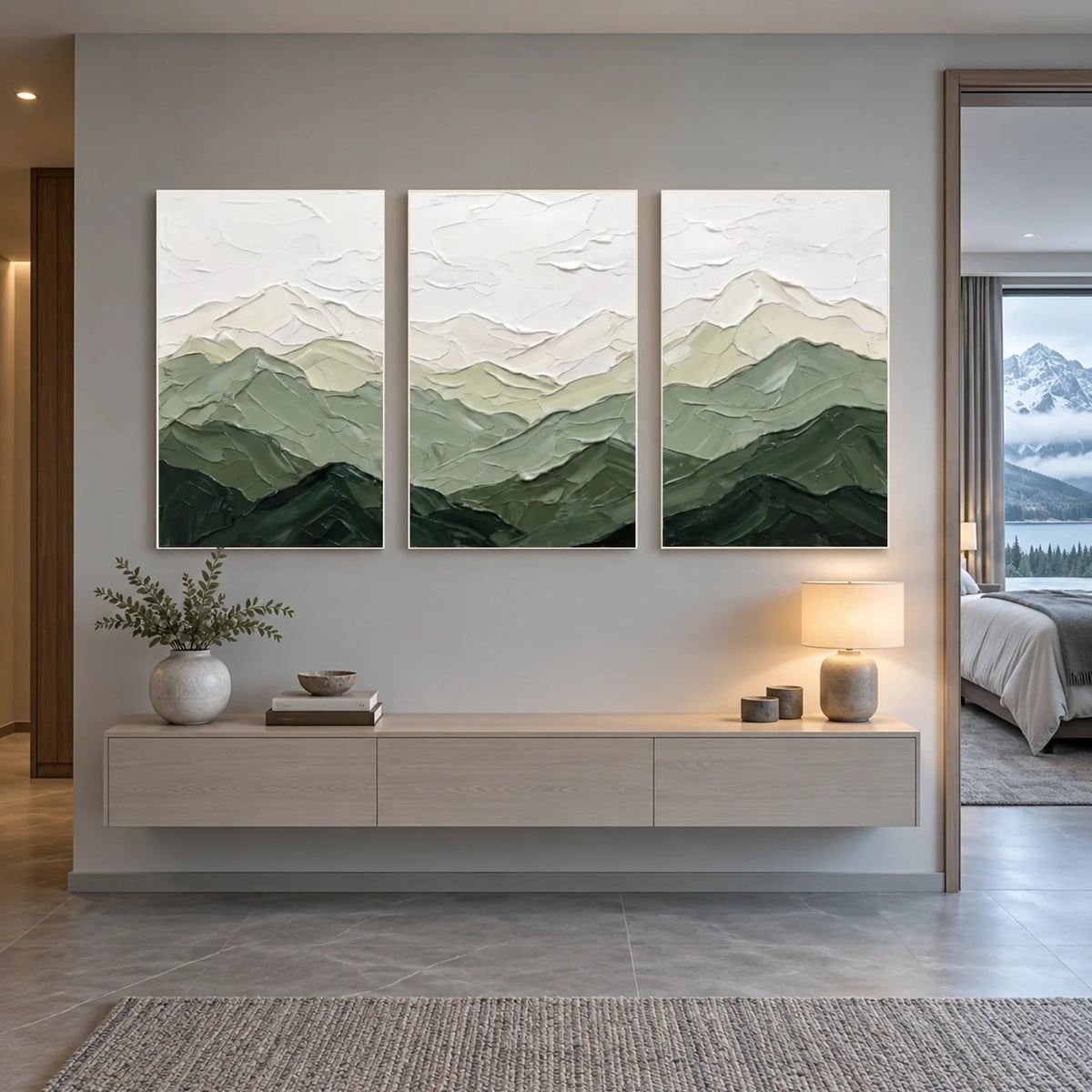
Combining different art mediums can make a wall more interesting. Try pairing canvas paintings with framed photography, watercolor prints, handmade artwork, or three-dimensional textured pieces.
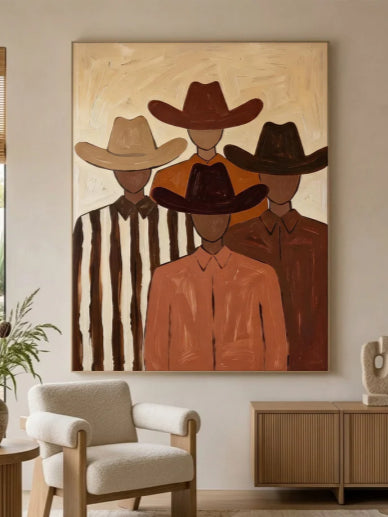
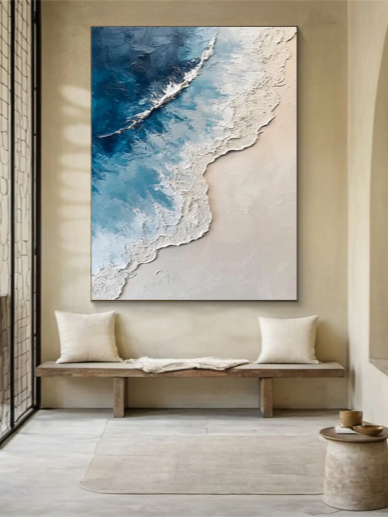
Textured wall art is particularly useful for adding depth to a collection of flat prints. Eleanos Gallery offers handcrafted textured wall art in abstract and minimalist styles, making it easy to introduce subtle texture without overwhelming the space.

9. Leave Some Empty Space
You don't have to fill every inch of a wall. Empty space gives each artwork room to breathe and helps the entire arrangement feel less crowded.
If your gallery wall already has several statement pieces, avoid adding more decorations just to fill small gaps. Sometimes, leaving an area blank creates a cleaner and more balanced look.

10. Combine Personal Collections with Decorative Art
A room feels more interesting when it includes things that reflect your personality. You can mix traditional paintings with travel souvenirs, family photographs, vintage posters, or handmade pieces.
These items don't have to follow the same artistic style. A shared color scheme or a thoughtful arrangement can help them work together naturally.

11. Spread Different Art Styles Across the Room
Not every artwork needs to be displayed on the same wall. If you have several different styles, consider spreading them throughout the room.
For example, place a large abstract painting above the sofa, display vintage prints near a reading corner, and use minimalist artwork in a hallway. This creates variety without overcrowding one area.

12. Step Back and Remove What Doesn't Work
After arranging your artwork, take a few steps back and look at the entire wall. Check whether the colors, sizes, and spacing feel balanced.
If something looks out of place, try removing a piece rather than adding another one. You can also take a photo to spot awkward gaps or areas that feel too crowded.

How to Mix Art Styles in Small Spaces
1. Choose a Few Statement Pieces
In a small room, you don't need too many paintings to make an impact. Choose two or three pieces in different styles, such as a bold abstract painting and a simple vintage print. A few well-chosen artworks can make the space feel interesting without overcrowding the walls.
2. Use Vertical Wall Space
When floor space is limited, make better use of your walls. Try arranging different-sized artwork vertically or creating a narrow gallery wall above a console table. This adds visual interest without taking up valuable room.
3. Keep the Color Palette Simple
Mixing different art styles in a small space works better when the colors feel connected. Choose artwork with similar neutral tones or repeat a few accent colors throughout the arrangement. This helps different pieces blend naturally without making the room feel too busy.
4. Try One Large Piece with Smaller Prints
Instead of displaying several equally sized paintings, combine one larger artwork with a few smaller prints. The larger piece creates a focal point, while the smaller ones add variety. This arrangement works particularly well above a sofa, desk, or bed.
5. Make Use of Corners and Narrow Walls
Small corners and narrow walls are often overlooked when decorating. A small combination of framed prints, minimalist artwork, or vintage illustrations can turn these areas into attractive display spaces without overwhelming the room.
6. Leave Some Breathing Room
Avoid filling every available wall space with artwork. Leaving some empty areas around your display helps each piece stand out and makes the room feel more open. This is especially important when combining several different art styles in a small space.

Choosing the right artwork can make mixing different styles much easier. Eleanos Gallery offers handcrafted textured wall art in abstract and minimalist styles, with subtle surface details and versatile color palettes. These pieces can complement different types of artwork while adding depth and character to your walls.
Common Mistakes to Avoid When Mixing Art Styles
1. Avoid Matching Everything Too Perfectly
Making every piece of artwork match can sometimes make a room feel too uniform. Using the same colors, sizes, and frames throughout may leave little room for visual interest. Try introducing one or two contrasting pieces to add variety and personality.
2. Don't Follow Every Interior Design Trend
It's easy to choose artwork based on popular interior design trends, but not every style will suit your space or personal taste. Instead of following every trend, focus on pieces you genuinely enjoy and find ways to combine them naturally.
3. Consider the Lighting Around Your Artwork
Lighting can change how artwork looks in a room. Natural light helps bring out colors, while wall lights and picture lights can highlight specific details. For textured paintings, angled lighting can also emphasize their raised surfaces and create more visual depth.
Final Thoughts
Mixing different art styles doesn't mean everything has to match. The key is to create visual connections through color, size, texture, and arrangement while leaving enough space for each piece to stand out.
Start with artwork you genuinely love, experiment with different combinations, and adjust the layout until it feels right. A balanced collection should reflect your personal taste without making your home feel cluttered.
FAQs
Can You Mix Modern and Traditional Art in the Same Room?
Yes. Modern and traditional artwork can work well together. Try using complementary colors, similar frame finishes, or a shared theme to create a connection between the two styles.
How Many Different Art Styles Should You Mix in One Room?
There is no fixed number, but two or three main styles are usually a good starting point. You can introduce additional styles through smaller decorative pieces without making the room feel too busy.
Should All the Artwork in a Room Have Matching Frames?
No. Matching frames create a more uniform look, but mixing different frame styles can add personality. To keep the arrangement balanced, try repeating a few frame colors or materials.




Leave a comment
This site is protected by hCaptcha and the hCaptcha Privacy Policy and Terms of Service apply.