

There is something incredibly magical about vintage wall art. Unlike mass-produced modern prints, vintage pieces carry a sense of history, soul, and character. Whether it is a moody 19th-century oil painting, a vibrant mid-century travel poster, or a delicate botanical sketch, vintage art instantly makes a house feel like a home.
But if you have ever scrolled endlessly through online marketplaces or stared blankly at stacks of frames at a thrift store, you know that choosing the right piece can feel overwhelming.
How do you make sure it matches your room? How do you tell a good find from junk? This step-by-step guide breaks down exactly how to choose vintage wall art that elevates your space.
How to Choose Vintage Wall Art
1. Identify the Vintage Style You Love
Before choosing vintage wall art, it's helpful to understand which design era appeals to you most. Vintage art spans more than a century, and each period has its own distinctive character. Choosing a style that complements your home will create a more cohesive look.
Some of the most popular vintage styles include:
- Victorian & Edwardian (Late 1800s–Early 1900s): Rich oil portraits, dramatic landscapes, and ornate gold frames create a timeless, elegant atmosphere.
- Art Deco (1920s–1930s): Bold geometric patterns, streamlined shapes, and luxurious metallic details offer a sophisticated, glamorous feel.
- Mid-Century Modern (1950s–1960s): Abstract compositions, organic forms, and warm retro color palettes bring a clean yet nostalgic aesthetic.
- Retro & Pop Culture (1970s–1980s): Vintage advertisements, movie posters, bold typography, and colorful graphic prints add personality and energy.
You don't have to limit yourself to a single era. Mixing artwork from different periods can create a curated, collected-over-time appearance. To keep the display harmonious, look for pieces that share similar colors, themes, or frame styles.
2. Match the Artwork to Your Room
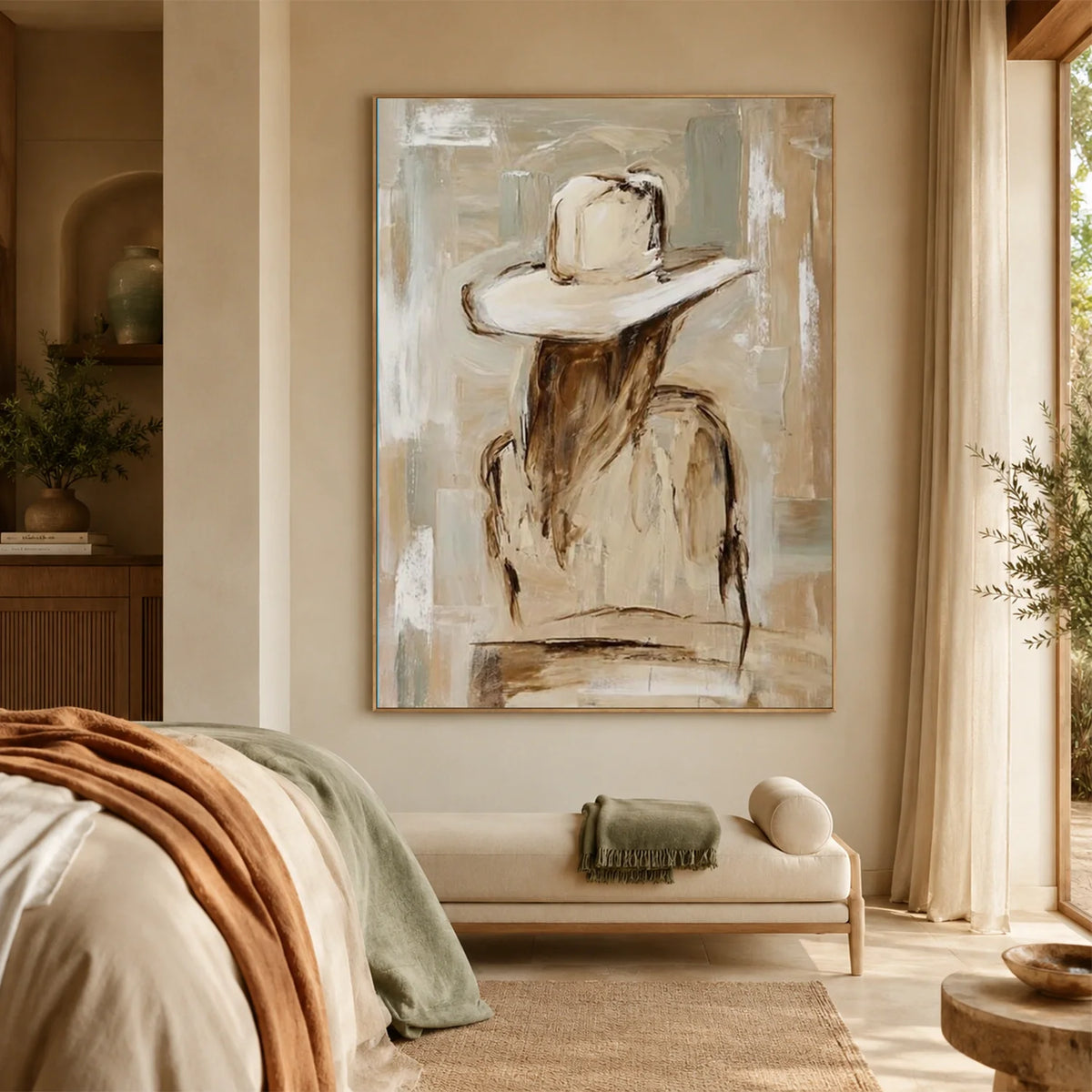
Vintage wall art should enhance the room rather than compete with it. Before making a purchase, consider both your existing color palette and the atmosphere you want to create.
Coordinate the Colors
Choose artwork that incorporates one or two colors already found in your space, such as those in your furniture, rugs, curtains, or decorative accessories. This creates visual continuity without making the room feel overly coordinated.
If your interior features mostly neutral tones, a colorful vintage print can become a striking focal point and add warmth and personality.
Consider the Mood
Different rooms call for different types of artwork.
- Bedrooms feel more relaxing with botanical illustrations, vintage florals, or peaceful landscapes.
- Living rooms often benefit from larger statement pieces that become conversation starters.
- Dining rooms pair beautifully with vintage food illustrations, wine posters, or countryside scenes.
- Home offices work well with antique maps, architectural drawings, or classic travel posters that inspire creativity without overwhelming the space.
Choosing artwork based on both color and mood helps create a room that feels balanced and intentional.

3. Choose the Right Size and Placement
Even the most beautiful vintage artwork can look out of place if it isn't properly sized. Paying attention to scale ensures your artwork complements both the wall and the surrounding furniture.
Here are a few simple guidelines:
|
Placement |
Recommended Size |
|
Above a sofa or bed |
Artwork should measure approximately two-thirds to three-quarters of the furniture's width. |
|
Eye-level display |
Hang the center of the artwork about 57–60 inches from the floor. |
|
Small walls or narrow spaces |
Display smaller prints individually or create a vertical arrangement of two or three matching pieces. |
If you're unsure about sizing, use painter's tape or paper templates to outline the artwork on the wall before purchasing. It's an easy way to visualize how the final arrangement will look.

4. Decide Between Original Vintage Art and Reproductions
One of the biggest decisions is whether to invest in original vintage artwork or purchase high-quality reproductions. Both options have their advantages, and the right choice depends on your budget, decorating goals, and personal preferences.
Original Vintage Artwork
Original pieces were created decades ago and often carry unique signs of age, such as natural patina, faded colors, or textured paper. They can be found in antique stores, estate sales, flea markets, auctions, and specialty galleries.
Advantages
- One-of-a-kind character
- Historical and collectible value
- Authentic aging and texture
Considerations
- Higher prices
- Limited availability
- May require restoration or special care
Vintage Reproductions and Digital Prints
Modern reproductions make classic artwork more accessible. Many public-domain paintings and illustrations have been professionally restored and reproduced as museum-quality prints on paper or canvas.
Advantages
- More affordable
- Available in multiple sizes
- Easy to replace or customize
- Excellent print quality with modern archival materials
Considerations
- They don't have the historical value of an original piece.
- Texture depends on the printing material you choose.
For most homeowners, premium reproductions offer the perfect balance between affordability, appearance, and durability.
5. Complete the Look with the Right Frame
A frame does much more than protect your artwork—it also influences how the piece is perceived. The right frame can elevate even a simple vintage print, while the wrong one can diminish its visual impact.
Traditional wood frames, distressed finishes, and ornate gold designs naturally complement vintage artwork, while slim black frames offer a cleaner, more contemporary interpretation.
If you enjoy thrift shopping, don't overlook old picture frames. An inexpensive vintage frame can often be reused with a new print, creating a custom look that feels authentic without exceeding your budget.
When chosen thoughtfully, the frame becomes an extension of the artwork itself, helping vintage pieces blend seamlessly into your home's overall design.
Popular Vintage Wall Art Themes
Choosing a theme is one of the easiest ways to find vintage wall art that suits your home. These classic styles have remained popular for years and work well in a variety of interiors.
Botanical Prints
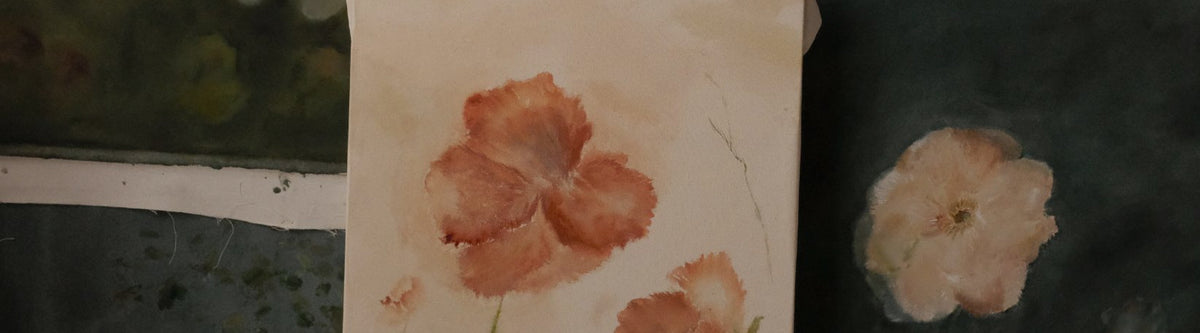
Vintage botanical prints feature flowers, leaves, and plants with delicate illustrations. They bring a fresh, elegant look and are perfect for bedrooms, bathrooms, or farmhouse-inspired spaces.
Vintage Landscapes
From rolling hills to peaceful lakes, vintage landscapes create a warm and relaxing atmosphere. They're a great choice for living rooms, bedrooms, and home offices.
Travel Posters
Vintage travel posters showcase famous cities, national parks, and vacation destinations with bold colors and nostalgic designs. They add personality to entryways, hallways, and offices.
Antique Maps
Old maps add both history and character to a space. They pair especially well with traditional, industrial, and vintage-style interiors.
Wildlife Art
Vintage illustrations of birds, horses, deer, and other animals bring the beauty of nature indoors. They work well in rustic, cabin, or farmhouse décor.
Vintage Americana Art
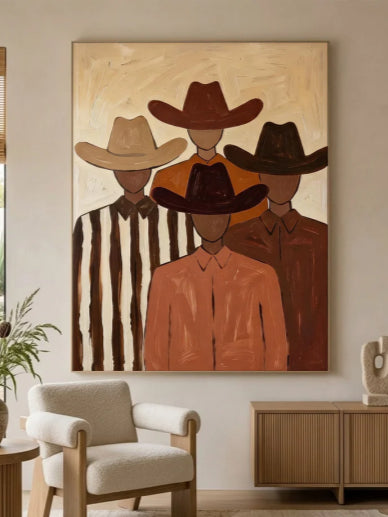
Featuring classic American landscapes, rural scenes, and historic landmarks, vintage Americana art creates a warm, nostalgic feel. It's a popular choice for farmhouse, rustic, and traditional homes.

Where to Buy Vintage Wall Art
Today, you can find vintage wall art from antique stores, art fairs, online marketplaces, independent artists, and specialty galleries.
If you're looking for timeless vintage-inspired artwork, Eleanos Gallery offers a curated collection of high-quality prints, including classic landscapes and Vintage Americana Art. Printed on premium, fade-resistant materials, each piece is designed to bring warmth, character, and lasting style to your home.

Common Mistakes to Avoid When Choosing Vintage Wall Art
Choosing vintage wall art is exciting, but a few common mistakes can prevent your space from reaching its full potential. Keeping these tips in mind will help you create a collection that feels balanced, cohesive, and timeless.
Choosing Artwork That's Too Small
One of the most common decorating mistakes is selecting artwork that is too small for the wall. A tiny print above a large sofa or bed can make the entire space feel unbalanced. If you have a large wall to fill, consider an oversized piece or combine several prints into a gallery wall for greater visual impact.
Matching Everything Too Perfectly
While it's important for artwork to complement your décor, matching every color and style exactly can make a room feel flat and predictable. Instead, aim for coordination rather than perfection. A vintage print that introduces a few new colors or textures can add depth and personality without disrupting the overall design.
Ignoring the Frame
The frame plays a significant role in the final appearance of vintage wall art. A frame that clashes with the artwork can reduce its visual impact, while a well-chosen frame enhances its character. Wood, antique-inspired, or classic metal frames are often the best choices for achieving an authentic vintage look.
Buying Only Because It's Trendy
Trends come and go, but artwork is something you'll likely live with for many years. Instead of choosing a print simply because it's popular on social media, focus on pieces that genuinely reflect your taste and fit your home's style. Timeless designs tend to remain enjoyable long after decorating trends have changed.
Overcrowding the Wall
Displaying too many pieces in one area can make even beautiful artwork feel overwhelming. Leave enough space between frames so each piece can stand out. If you're creating a gallery wall, keep consistent spacing and use a shared color palette or theme to maintain a cohesive appearance.
Forgetting About Lighting
Lighting can dramatically affect how vintage artwork looks throughout the day. Natural light helps reveal colors and details, but prolonged exposure to direct sunlight may cause fading over time. Whenever possible, display valuable artwork away from harsh sunlight or use UV-protective glass to help preserve its appearance.
FAQ
What is considered vintage wall art?
Vintage wall art includes artwork inspired by earlier decades or original pieces created in the past. Popular styles include botanical illustrations, travel posters, antique maps, historical paintings, and retro advertisements.
Should vintage wall art match my furniture?
Not exactly. Instead of matching every color or style, choose artwork that complements your furniture and enhances the room's overall atmosphere.
Is canvas or paper better for vintage wall art?
Both are excellent choices. Canvas offers a more traditional gallery appearance, while fine art paper often preserves intricate details and works well with framed prints.
How many pieces of vintage wall art should I hang?
The number depends on your wall size. Large walls often benefit from oversized artwork or gallery walls, while smaller spaces usually look best with one or two carefully selected pieces.
Final Thoughts
Choosing vintage wall art is about more than decorating a wall. The right artwork brings history, personality, and warmth into your home while reflecting your individual taste.
By considering your interior style, room function, artwork size, color palette, subject matter, and print quality, you can confidently select pieces that remain beautiful for years to come. Whether you prefer rustic Americana, antique botanical prints, or nostalgic travel posters, thoughtfully chosen vintage wall art can transform an ordinary room into a space filled with timeless character.




Leave a comment
This site is protected by hCaptcha and the hCaptcha Privacy Policy and Terms of Service apply.