

When most people think of a painting, they imagine a flat canvas with colors blended smoothly together. But some of the world's most memorable artworks are anything but flat. They feature thick layers of paint, visible brushstrokes, and raised surfaces that give them a sense of movement and depth.
These are known as textured paintings. From classic masterpieces by Vincent van Gogh to contemporary abstract art, textured paintings have remained popular because they engage both the eye and the imagination.
In this guide, we'll explain what famous textured paintings are, explore some of the best-known examples, and discover why textured art continues to inspire artists, collectors, and interior designers today.
What Exactly Is a Textured Painting?
At its core, a textured painting is any artwork where the paint is applied thickly enough that it creates a three-dimensional, physical presence on the canvas.
Historically, artists achieved this using a technique called impasto—a Italian word meaning "mixture" or "dough." Instead of thinning the paint down, artists applied thick, heavy strokes of oil or acrylic paint using stiff brushes or palette knives. When these heavy layers dry, they stand out from the canvas, casting tiny shadows and catching the light differently depending on where you stand in the room.
In modern art, texture isn't just created with paint alone. Contemporary artists often blend heavy-body acrylics with modeling pastes, plaster, sand, or even marble dust to create deep, sculptural ridges.
The Most Famous Textured Paintings You Should Know
While many artists have used impasto, a handful of works stand out as definitive examples of the technique.
The Starry Night by Vincent van Gogh (1889)
If you think of textured paintings, this is likely the first image that comes to mind. Van Gogh is almost synonymous with impasto, and The Starry Night is his most famous example. He applied paint in dramatic, swirling ridges that seem to pulse with energy, making the night sky feel alive and in motion . His bold, directional strokes weren't just decorative—they were deeply emotional, conveying a sense of turbulence that a smooth surface could never achieve. It's said he sometimes applied paint directly from the tube and mixed it with his fingers .

Rembrandt's Self-Portraits (17th Century)
Long before Van Gogh, the Dutch master Rembrandt van Rijn was using impasto with astonishing subtlety. He didn't cover his whole canvas in thick paint but saved it for areas he wanted to highlight, like the glint of a jewel, the texture of wrinkled skin, or the intricate folds of a fabric collar. In his Self-Portrait with Two Circles, he used thick, sculptural layers to add depth and richness to his face and clothing, creating a stunning interplay of light and shadow . He demonstrated that texture could be used not just for expression but also for incredible realism.

Monet's Water Lilies Series (Late 19th - Early 20th Century)
The Impressionist Claude Monet used impasto brilliantly in his later years, particularly in his famous Water Lilies series. As his eyesight worsened, his brushwork became more physical. The paint is applied in dense, layered strokes that give the canvas an almost mosaic-like quality . Standing close to one of these massive canvases, you become aware not just of the colour but of the physical ridges and peaks of paint that catch the light and change with your perspective, mimicking the rippling surface of the water itself .

Willem de Kooning's Woman Series (1950s)
In the 20th century, the Abstract Expressionists made texture central to their work. Willem de Kooning's Woman series features paint that is ferociously applied, scraped back, and reworked until the surface is a landscape of its own . He used large brushes and palette knives interchangeably, building up layers of pigment that recorded every gesture and revision. For de Kooning, the physical act of painting was the subject, and the thick, aggressive texture reflected that .

Anselm Kiefer's Mixed-Media Works (Late 20th Century)
German artist Anselm Kiefer pushed texture into extreme territory. His works are more than just paintings; they're heavily built surfaces incorporating materials like straw, sand, lead, ash, and even found objects . This thick, often brutalist texture serves a conceptual purpose, conveying the weight of history and the painful past of postwar Germany. Kiefer's work shows that texture can evolve from being just a painting technique to an integral part of the artwork's meaning .

Jackson Pollock‘s Drip Paintings (1940s–1950s)
Jackson Pollock fundamentally rewrote the rules of texture. Instead of building up paint with brushes, he pioneered the “drip technique” —laying his canvas flat on the floor and flinging, pouring, and dripping industrial enamels and aluminum paints across its surface. The result was an “allover” composition with no single focal point, where the entire canvas is covered in a dense, energetic web of interlaced lines.

8 famous artists known for their texture paintings
Vincent van Gogh
Vincent van Gogh is perhaps the best-known artist associated with textured paintings. Using the impasto technique, he applied thick layers of paint to create expressive brushstrokes that added movement and emotion. Famous works like The Starry Night and Sunflowers are iconic examples of textured painting.
Rembrandt
Although best known for his portraits, Rembrandt often used thick paint to emphasize highlights, fabrics, and facial features. His subtle use of impasto gave his paintings greater depth and realism.
Jackson Pollock
Jackson Pollock revolutionized modern art with his drip painting technique. By pouring and splashing layers of paint onto canvas, he created richly textured surfaces that captured energy and movement.
Claude Monet
In his later works, especially the Water Lilies series, Claude Monet built up layers of paint with loose brushstrokes. While less dramatic than Van Gogh's impasto, these textures helped create shimmering light and atmosphere.
Frank Auerbach
Frank Auerbach is famous for applying paint in exceptionally thick layers, sometimes reworking the same canvas many times. His heavily textured portraits and landscapes almost resemble sculptures.
Anselm Kiefer
Anselm Kiefer combines paint with materials such as straw, ash, clay, and lead to create dramatic, highly textured works. His paintings blur the line between painting and sculpture and often explore themes of history and memory.
Leonid Afremov
Leonid Afremov created vibrant landscapes using a palette knife instead of brushes. His bold, textured strokes and bright colors give his paintings a distinctive, three-dimensional appearance.
Nicolas de Staël
Nicolas de Staël was known for applying thick blocks of paint with a palette knife. His semi-abstract landscapes and still lifes feature rich textures that balance simplicity with depth.
Different Types of Textured Paintings
Not all textured paintings are created in the same way. Artists use different techniques and materials to achieve unique surface effects, giving each style its own look and character.
Impasto Paintings
Impasto is one of the most recognizable textured painting techniques. Thick layers of paint are applied with brushes or palette knives, leaving visible brushstrokes that add movement and depth. Artists such as Vincent van Gogh, Rembrandt, and Frank Auerbach are well known for using this technique.
Palette Knife Paintings
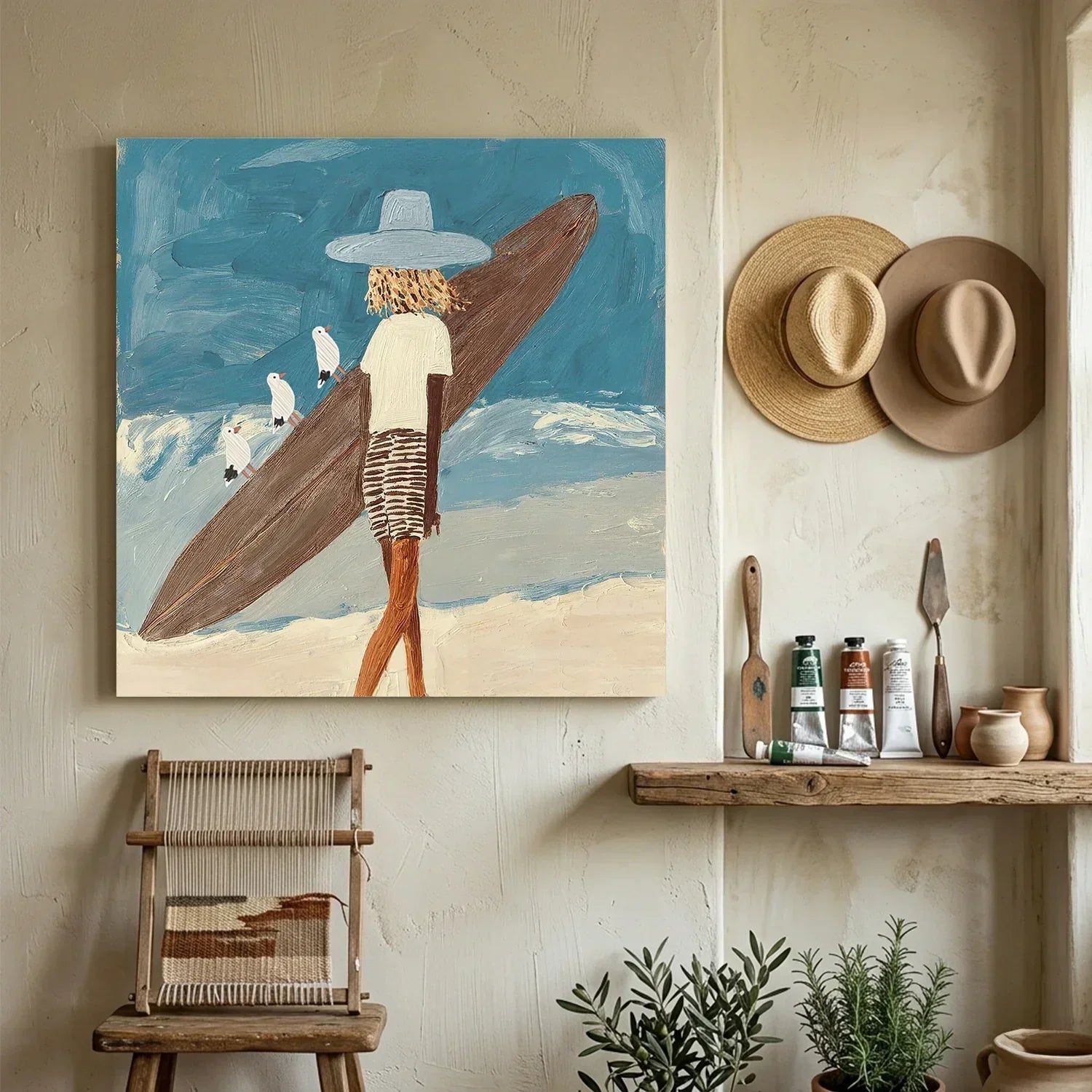
Palette knife paintings are created by applying paint with a metal knife instead of a brush. This method produces bold ridges, sharp edges, and rich textures, making it a popular choice for modern abstract art.
Mixed Media Textured Paintings
Mixed media artists combine paint with materials like plaster, modeling paste, sand, or fabric to create layered, sculptural surfaces. The result is artwork with added depth and a distinctive handcrafted feel.
Abstract Textured Paintings
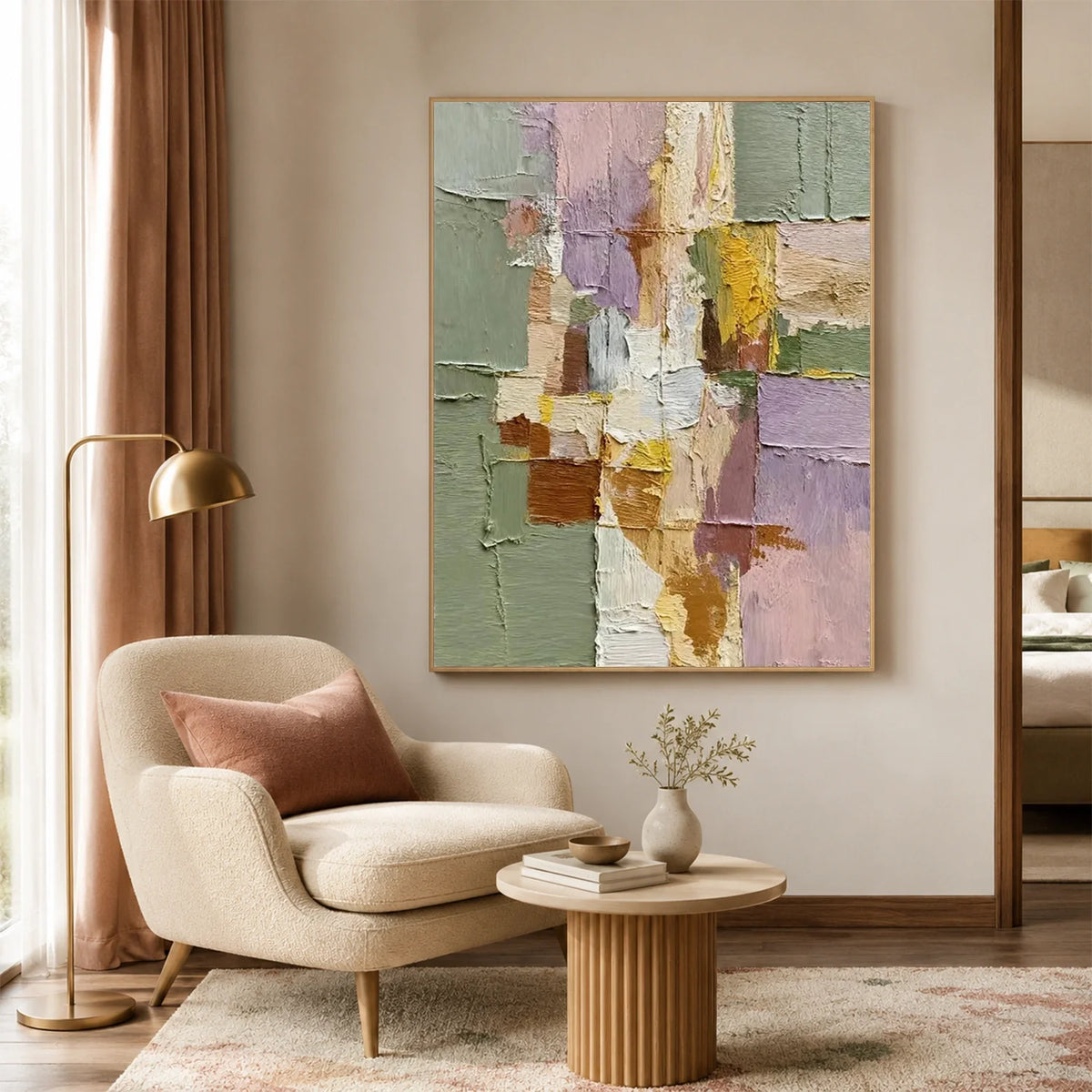
Abstract textured paintings use layers, patterns, and surface variations instead of realistic subjects. They emphasize texture and composition, making them a popular choice for contemporary interiors.

Why Textured Art Is Dominating Modern Home Decor
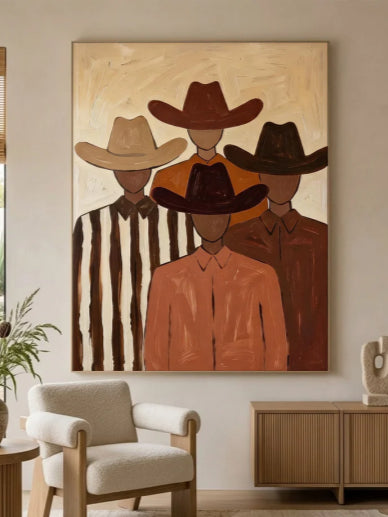
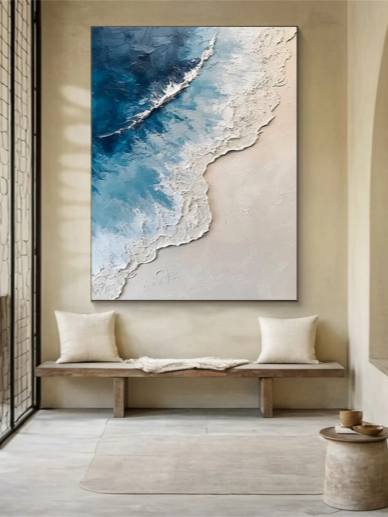
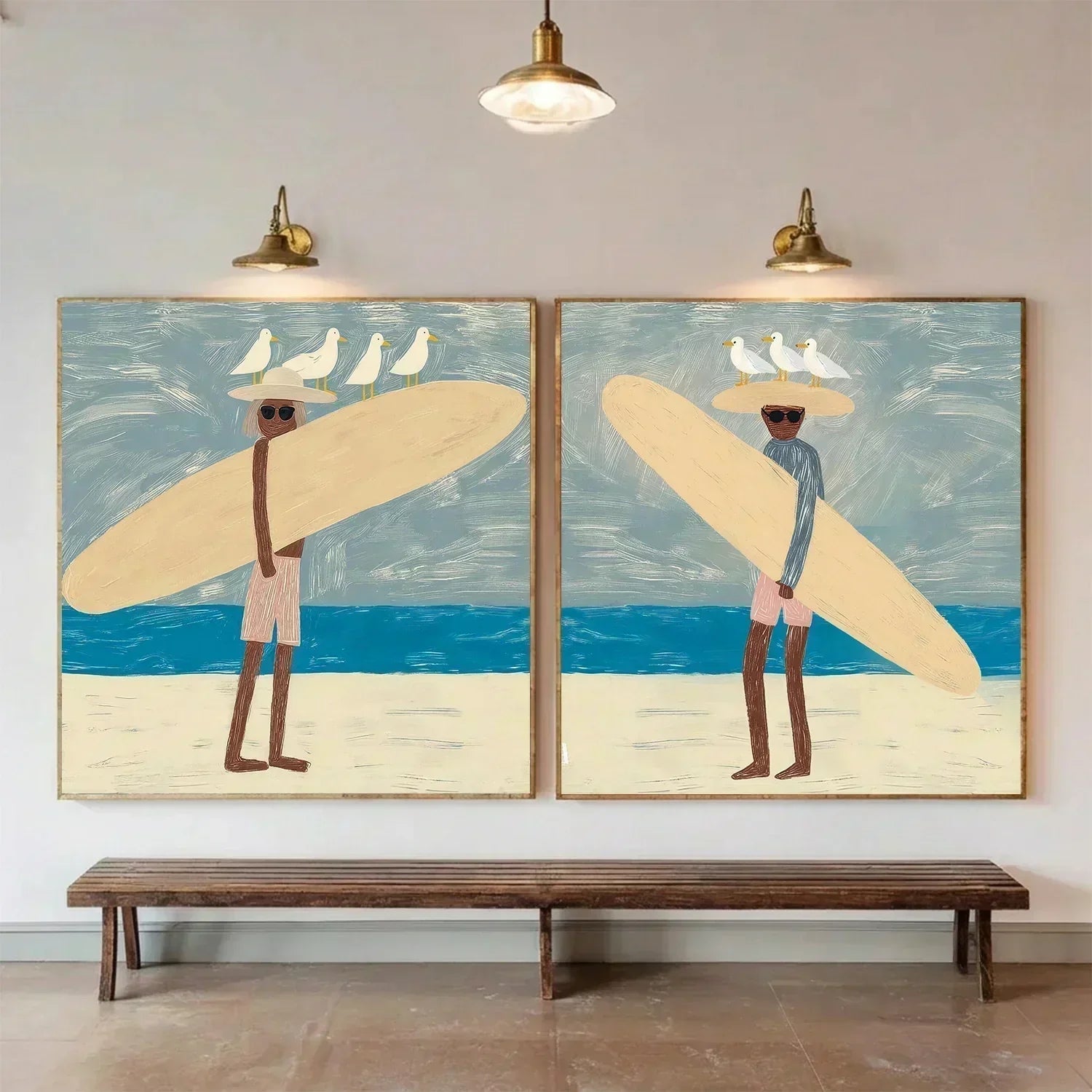
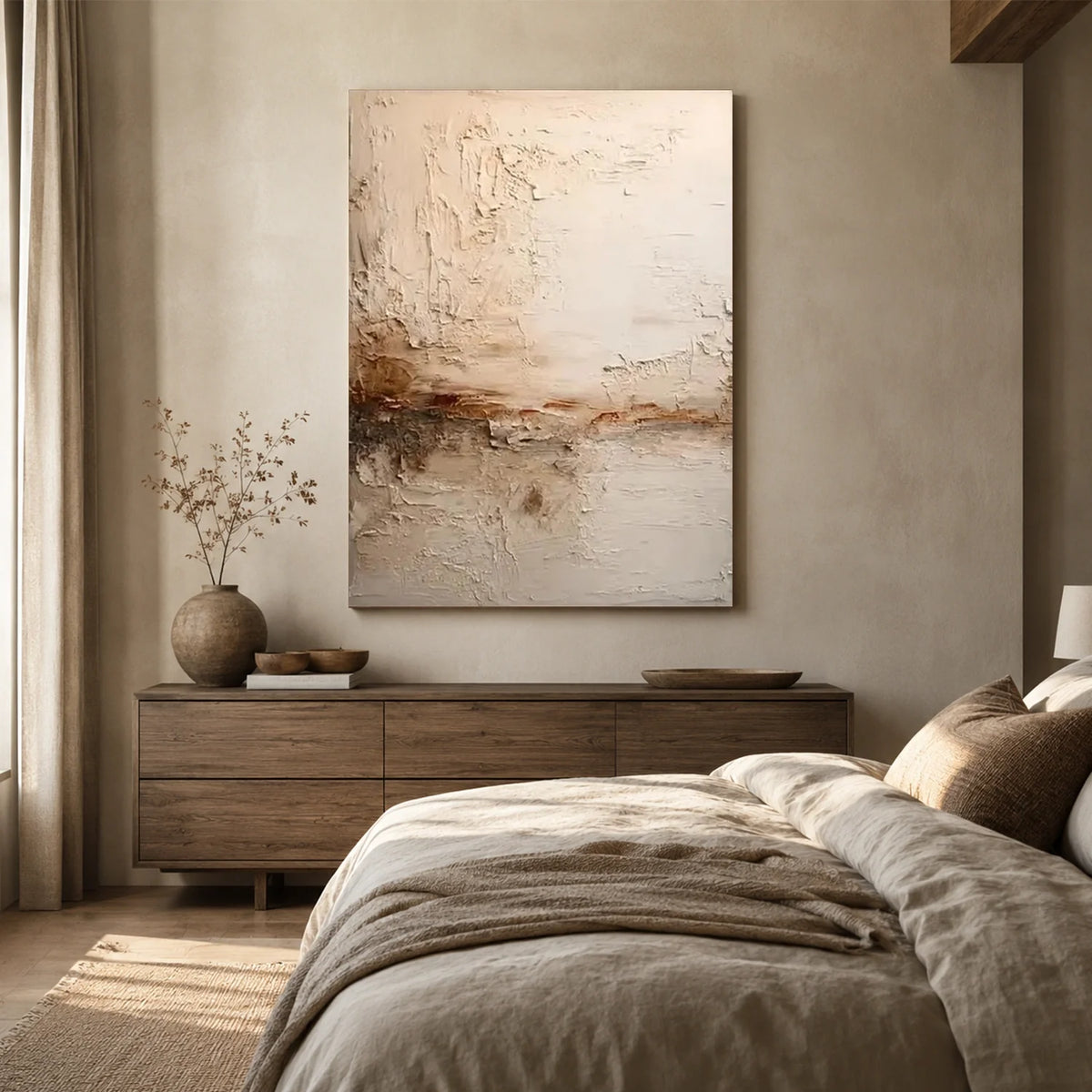
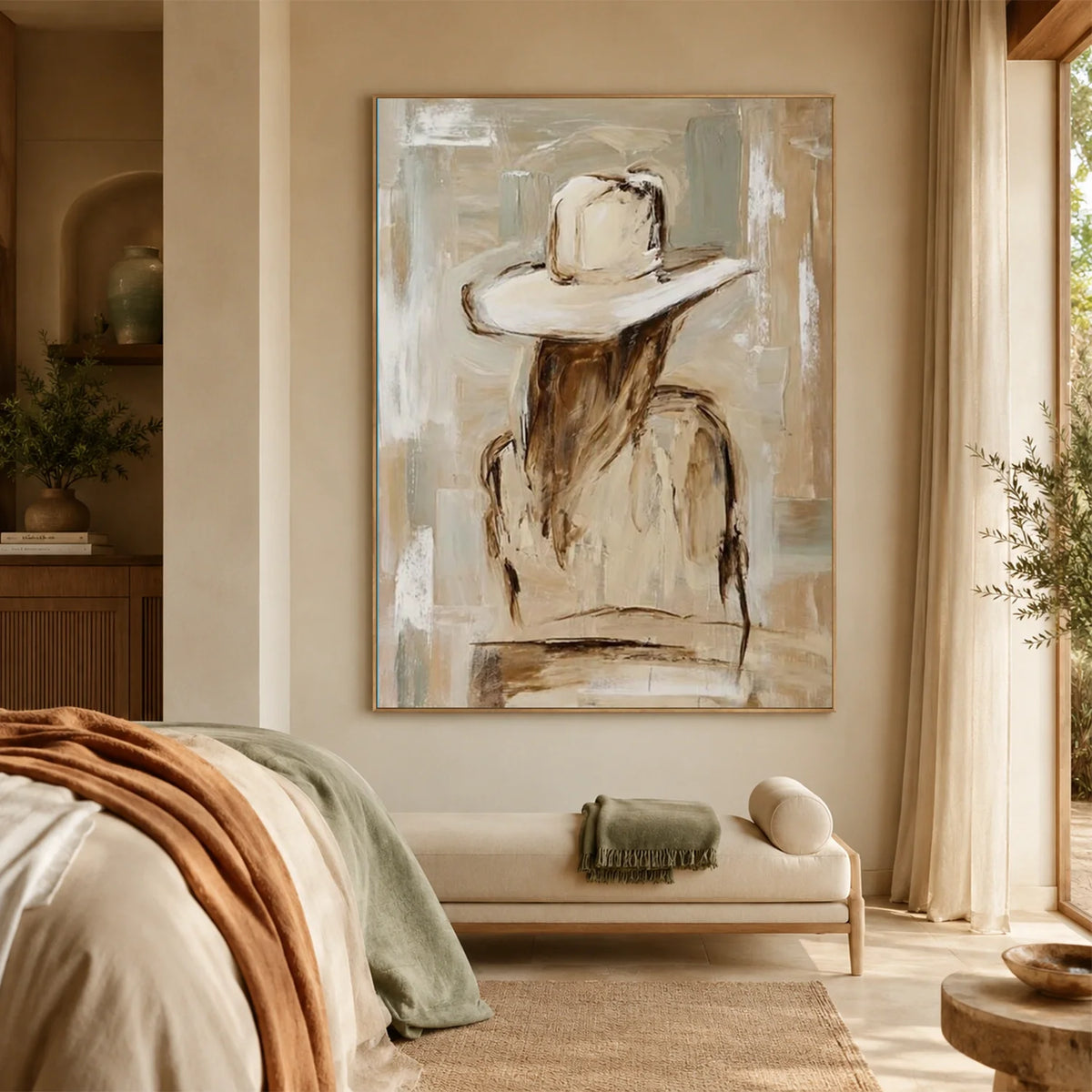
While these historic masterpieces live in museums, the textured art style has successfully transitioned from traditional galleries straight into modern residential spaces. Walk into any high-end interior design showroom today, and you are bound to see large-scale, minimalist textured canvas art.
There are a few reasons why this specific style has become a go-to for interior designers:
It Breaks Up Flat Minimalist Spaces
Modern interior trends like Wabi-Sabi and Japandi rely heavily on neutral color palettes (whites, creams, and warm beiges). Without texture, these rooms can feel cold or boring. A large piece of 3D textured art adds instant visual interest without relying on loud, distracting colors.
It Interacts with Natural Light
Because textured paintings have raised ridges and valleys, they look different throughout the day. As natural sunlight moves through a room, the changing angles cast soft new shadows across the painting’s surface, making the art feel alive and evolving.
It Brings an Organic, Handcrafted Feel
In a world filled with mass-produced, digital poster prints, a textured painting proudly shows its human touch. The visible ridges left behind by a palette knife remind anyone who looks at it that a real person physically sculpted the piece by hand.

Final Thoughts
Famous textured paintings remind us that art is about more than color and composition. The surface itself can communicate movement, emotion, and personality.
From Van Gogh's expressive impasto masterpieces to Jackson Pollock's energetic drip paintings and today's minimalist textured wall art, artists have used texture for centuries to create works that feel alive.
If you're inspired by these iconic paintings and want to bring a similar sense of depth into your own space, contemporary textured wall art offers an accessible way to enjoy this timeless artistic tradition. At Eleanos Gallery, you'll find handcrafted textured paintings inspired by modern minimalism, natural materials, and sculptural design—perfect for adding warmth, dimension, and character to your home.
FAQs
What technique creates texture in paintings?
Artists commonly use impasto, palette knives, modeling paste, plaster, and mixed media materials to build raised surfaces on a canvas.
Are textured paintings considered modern art?
Not always. Artists have been using texture for hundreds of years. While many contemporary artworks feature texture, famous historical painters like Van Gogh and Rembrandt also relied on thick paint to create expressive effects.
Why do textured paintings look different under different lighting?
Raised surfaces create highlights and shadows. As natural or artificial light changes throughout the day, the texture becomes more or less visible, giving the artwork a dynamic appearance.




Leave a comment
This site is protected by hCaptcha and the hCaptcha Privacy Policy and Terms of Service apply.