
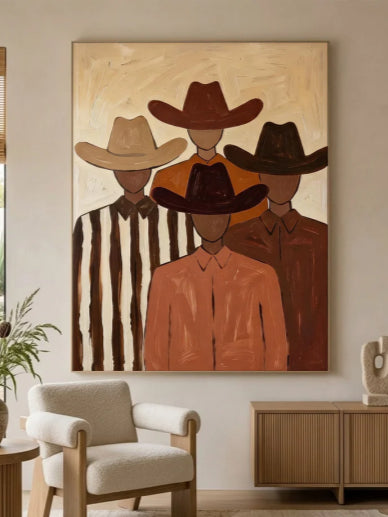
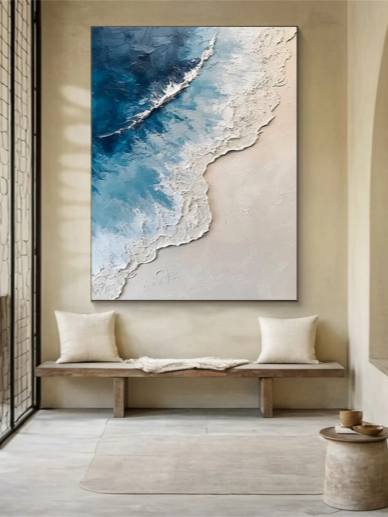


Decorating a room can feel a lot like putting together a puzzle. You find the perfect sofa, a gorgeous coffee table, and a cozy rug, but then you’re left staring at a big, blank wall. You know you need wall art, but how do you make sure it actually looks good with the furniture you already own?
Choosing artwork that complements your furniture doesn’t require an interior design degree. It’s all about balancing a few basic elements: scale, color, and style.
In this straightforward guide, we’ll break down exactly how to match your wall art to your furniture to create a beautiful, cohesive space you’ll love coming home to.
Why Matching Wall Art With Furniture Matters
Wall art and furniture are the two most visible elements in any room. When they work together, the space feels intentional, balanced, and professionally designed. When they don’t, even expensive furniture can look disconnected from the room.
Matching wall art with furniture helps:
- Create visual harmony in interior design
- Improve room balance and proportion
- Strengthen a specific design style (modern, rustic, minimalist, etc.)
- Make the space feel more complete and cohesive

How to Choose Wall Art That Matches Furniture
1. Match Wall Art With Furniture Style
Your furniture sets the foundational "vibe" of the room. Your wall art should either match that vibe or intentionally elevate it.
Here is how to pair popular furniture styles with art:
| Furniture Style | Best Wall Art Matches | Why It Works |
|---|---|---|
| Modern / Minimalist | Large-scale abstract, monochrome photography, or 3D textured paintings. | Keeps the space feeling clean, airy, and uncluttered while adding physical depth. |
| Traditional / Rustic | Landscapes, botanical sketches, or oil painting reproductions in ornate frames. | Complements the warm tones and rich textures of dark woods and leather. |
| Mid-Century Modern | Geometric prints, retro color blocks, or bold graphic design. | Mirrors the clean lines and playful, architectural shapes of MCM furniture. |
2. Use Color Coordination to Create Visual Balance
Color plays a major role in making wall art and furniture feel connected. A well-balanced color palette creates harmony throughout the room, while poor color coordination can make even beautiful artwork look out of place.
Match Similar Colors for a Cohesive Look
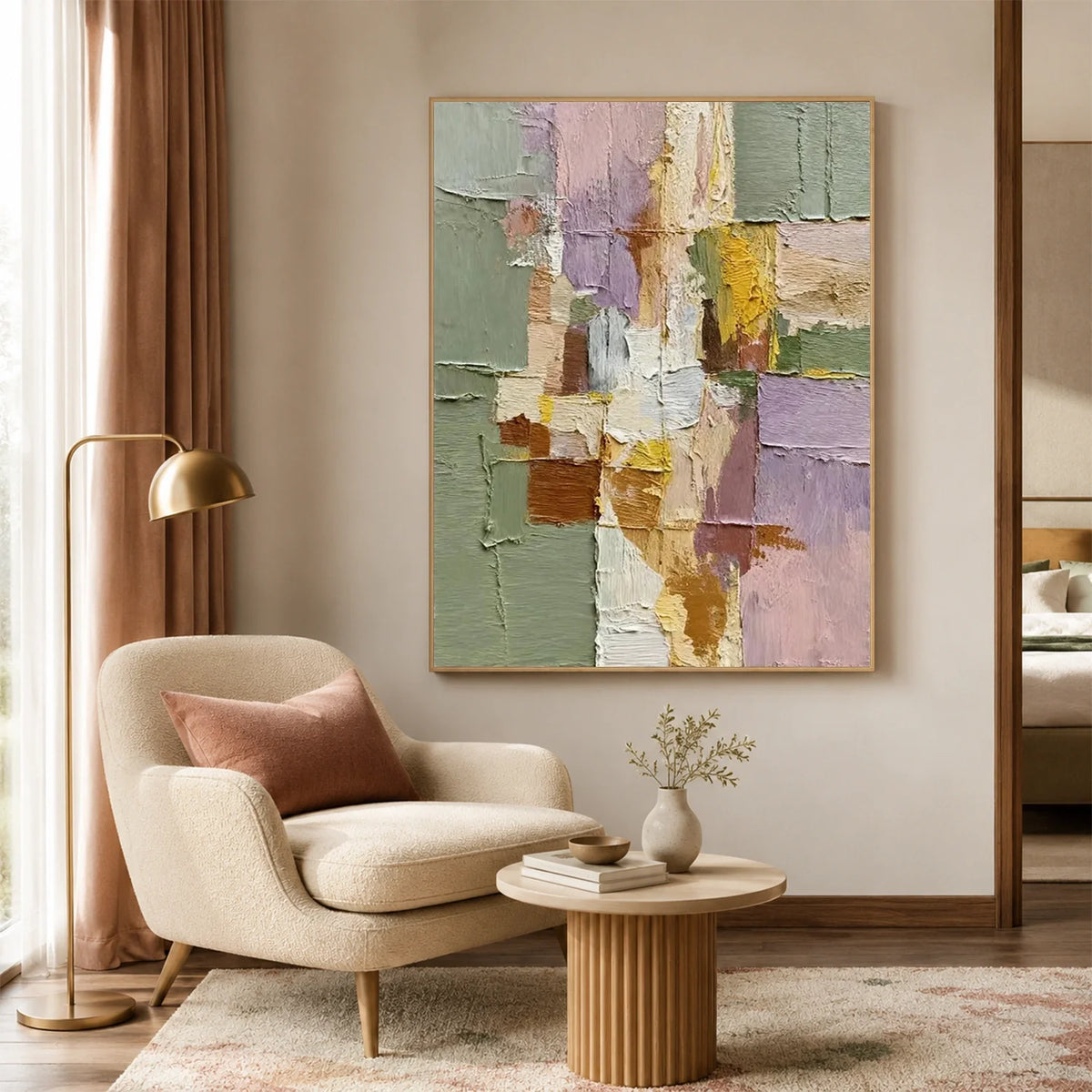
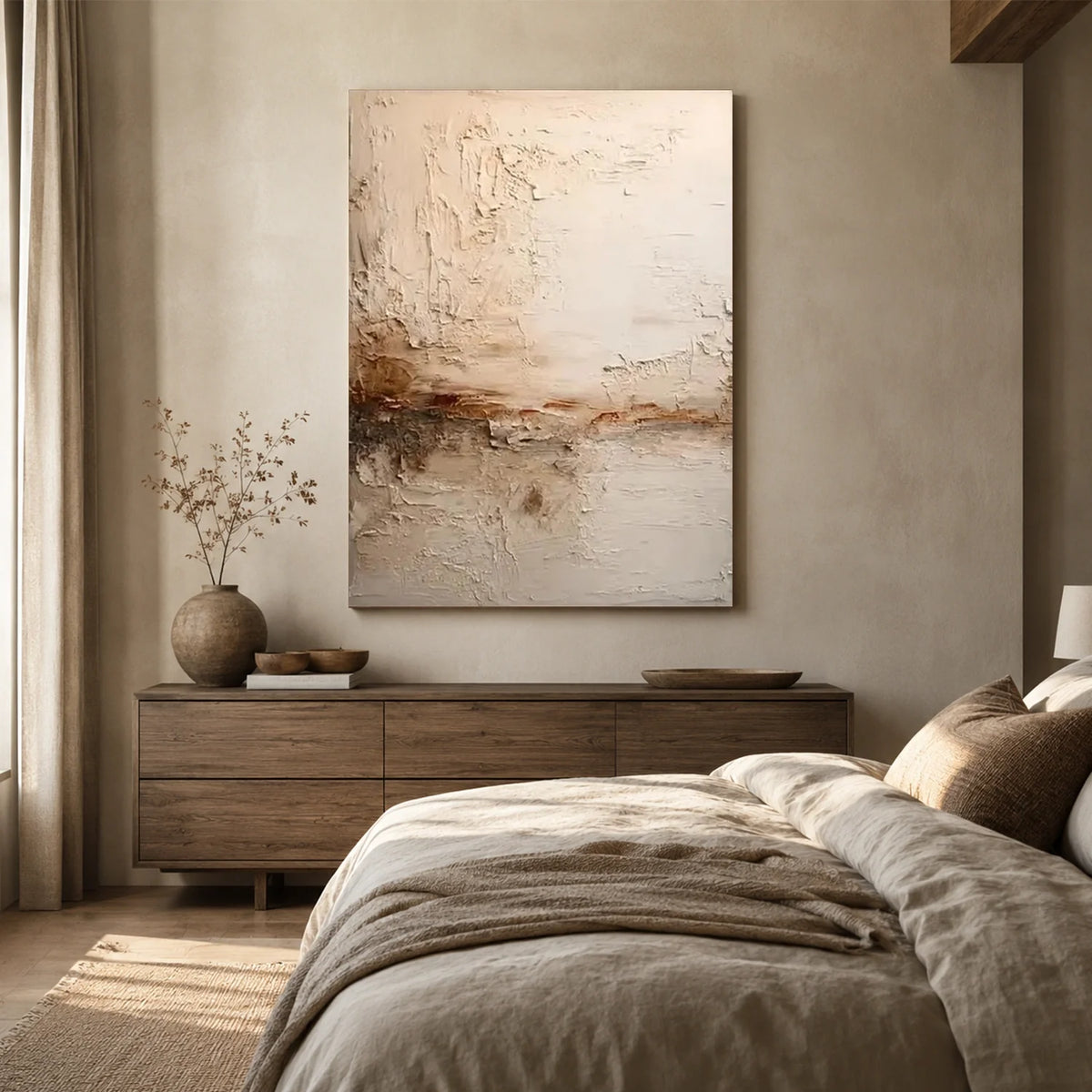
Choosing wall art that shares similar tones with your furniture is the easiest way to create a cohesive interior. For example, beige sofas pair well with warm neutral artwork, gray furniture complements cool-toned pieces, and natural wood furniture works beautifully with earthy color palettes. This approach creates a calm, timeless look that suits most interior styles.
Add Contrast for More Visual Interest
If your furniture is neutral, wall art can introduce contrast and become the room's focal point. Bright abstract artwork above a white sofa or light-colored artwork above dark furniture adds depth without overwhelming the space. The key is to use contrast intentionally while keeping the overall color palette balanced.
Balance Is Better Than a Perfect Match
The best interiors rarely match every color exactly. Instead, choose artwork that reflects some of your furniture's existing colors while introducing one or two complementary accent tones. This creates a space that feels both coordinated and visually interesting.

3. Pay Attention to Wall Art Size and Furniture Proportion
One of the most common design mistakes is hanging a tiny piece of art over a massive piece of furniture—or vice versa. When art and furniture are out of proportion, the whole room feels off-balance.
To get the perfect fit, follow these simple rules of thumb:
The 60-75% Rule
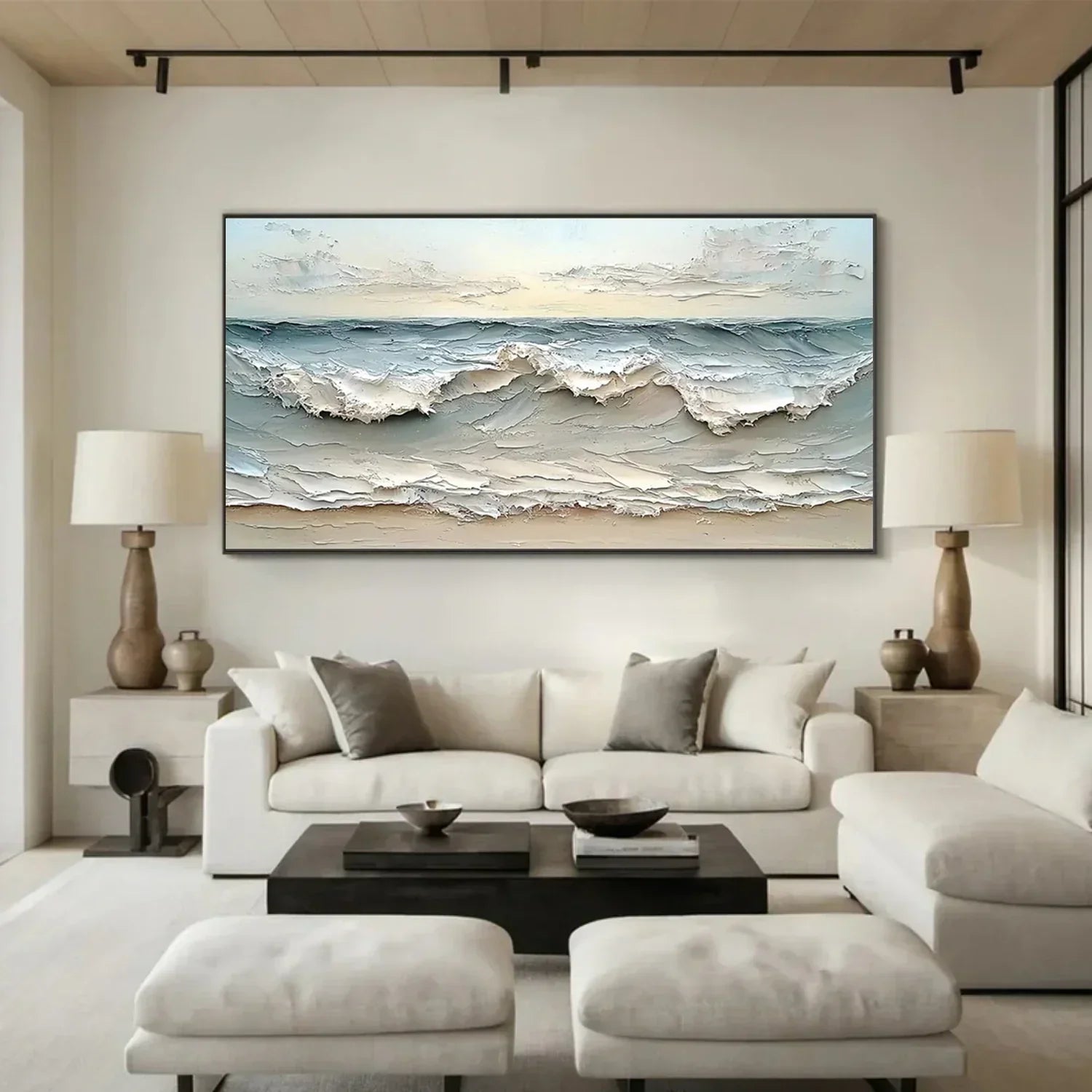
When hanging art directly above a large piece of furniture (like a sofa, bed, or sideboard), the artwork should span roughly 60% to 75% of the furniture's total width. For example, if your sofa is 8 feet wide, your artwork or gallery wall should be about 5 to 6 feet wide.
Leave Some Breathing Room
Ensure the bottom of the artwork hangs about 6 to 8 inches above the top of the furniture. Hanging it too high makes the art look like it’s floating away; hanging it too low makes the space feel cramped.
Think in Clusters
If you fall in love with a piece of art that is too small for your sofa, don't panic. You can pair it with two or three smaller pieces to create a cohesive gallery wall that meets the width requirements.
4. Match Wall Art With the Mood of Your Furniture
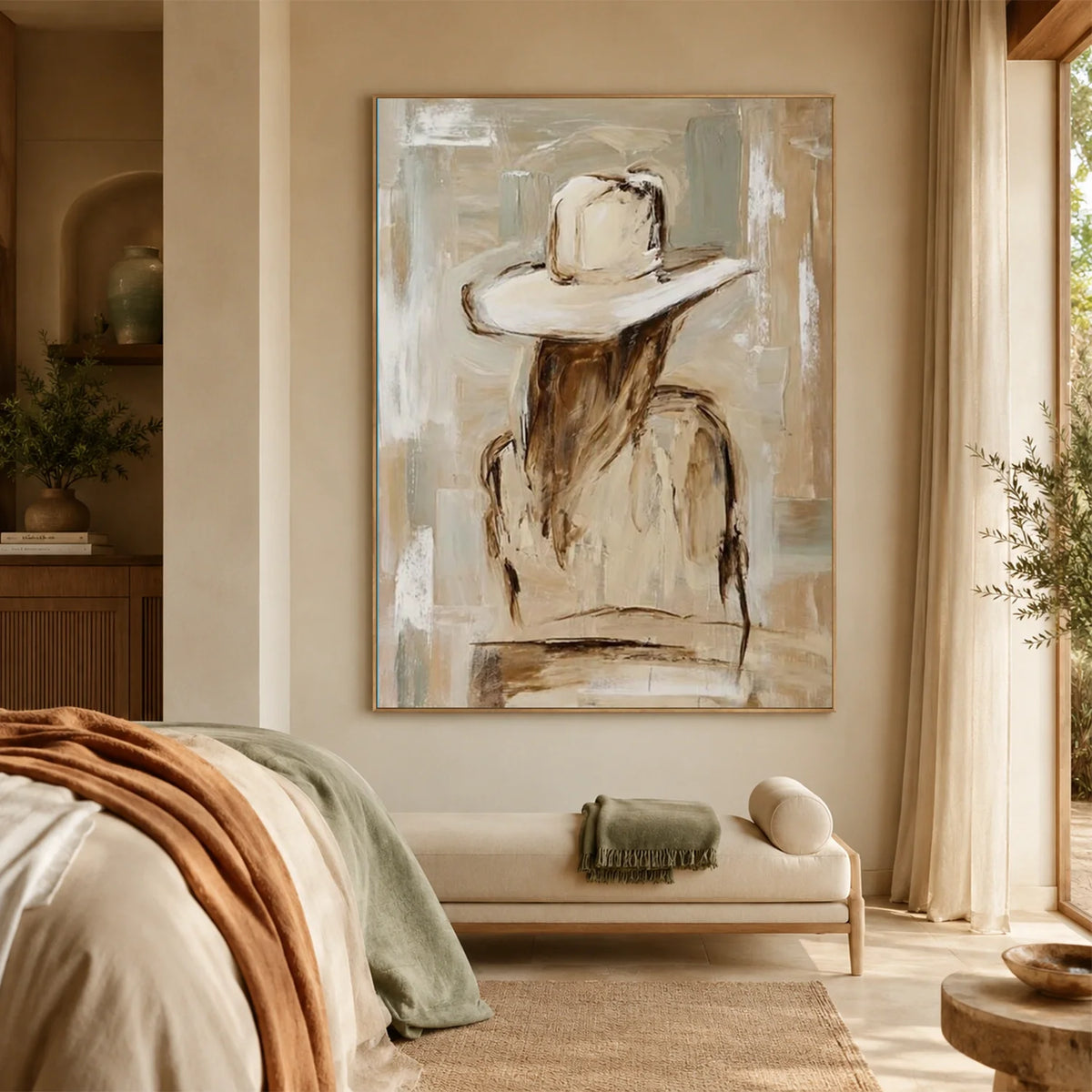
Wall art should reflect not only the style of your furniture but also the atmosphere you want to create. Soft abstract artwork in neutral tones works well for calm, relaxing spaces, while earthy colors and nature-inspired pieces add warmth to cozy interiors. If your goal is a more vibrant room, choose artwork with bold colors and strong contrast. When the mood of the artwork matches the furniture, the entire space feels more cohesive.

5. Align Shapes, Lines, and Layout Direction
The shapes of your furniture can help determine the best type of wall art. Horizontal artwork complements long sofas, while vertical pieces work well in narrow wall spaces. Likewise, geometric artwork pairs naturally with clean-lined furniture, whereas fluid abstract designs soften curved furniture. Matching these visual lines creates better balance and flow throughout the room.
6. Use Wall Art as a Focal Point Above Furniture
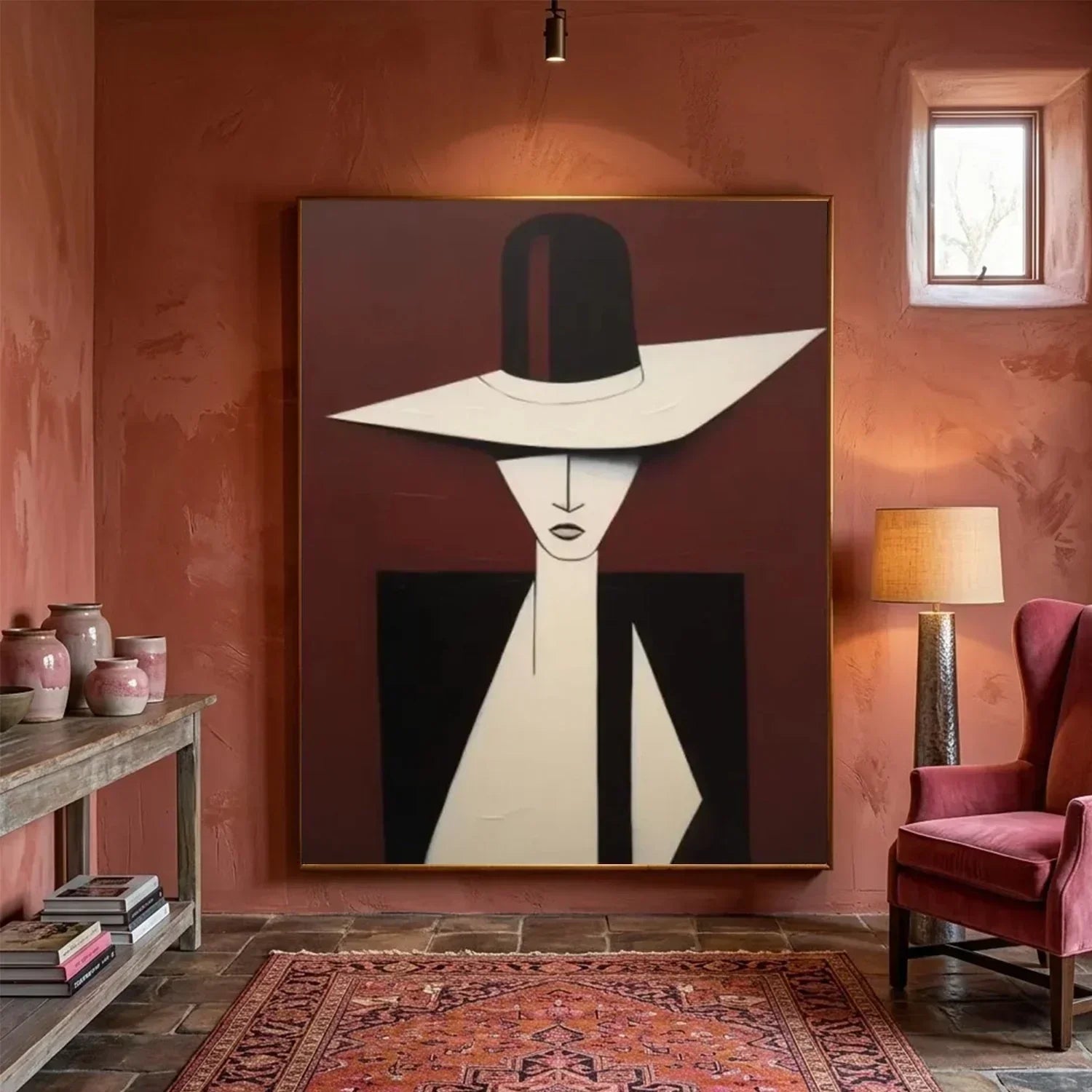
One of the easiest ways to create a polished interior is to use a statement piece of wall art above your main furniture, such as a sofa, bed, or console table. A large artwork naturally draws attention, anchors the furniture, and gives the room a clear focal point. In many cases, a single oversized piece creates a stronger visual impact than several small, unrelated artworks.

7. Avoid Over-Matching Furniture and Wall Art
While coordination is important, matching everything too closely can make a room feel flat or overly staged. Instead, aim for a balance between harmony and contrast by repeating a few colors or design elements while allowing either the furniture or the artwork to stand out. This approach creates a space that feels both cohesive and visually interesting.
Common Mistakes When Matching Wall Art and Furniture
Even high-quality furniture and beautiful artwork can look out of place if they're not paired thoughtfully. Avoiding these common decorating mistakes will help create a more balanced and cohesive interior.
Ignoring Scale and Proportion
Choosing artwork that's too small is one of the most common decorating mistakes. A tiny frame above a large sofa or bed can make the wall look empty and the furniture feel oversized. As a general rule, wall art should be about 60% to 75% of the furniture's width to create the right visual balance.
Matching Everything Too Closely
Many people assume wall art should perfectly match the furniture, but this often makes a room feel flat and predictable. Instead of copying the same colors and materials, repeat a few key tones while introducing subtle contrast through the artwork. This creates a space that feels coordinated without looking overly staged.
Forgetting the Overall Room Style
Wall art should complement the overall atmosphere of the room, not just the furniture. For example, bold abstract artwork may look out of place in a soft, rustic interior, while traditional paintings might clash with a minimalist space. Before choosing artwork, consider the room's style, color palette, and mood to ensure everything works together naturally.
FAQ
What type of wall art matches most furniture styles?
Abstract and minimalist wall art tends to be the most versatile. It works well with modern, Scandinavian, and even transitional interiors.
Should wall art match furniture exactly?
No. Wall art should complement furniture, not replicate it. A balance of coordination and contrast creates a more natural and stylish look.
How big should wall art be above a sofa?
A general guideline is that wall art should be 60% to 75% of the sofa’s width to maintain proper visual proportion.
Can I mix different art styles in one room?
Yes, but consistency in color palette or theme is important. Mixing styles works best when there is a unifying visual element.
Conclusion
Learning how to choose wall art that matches furniture is about balancing style, color, scale, and mood. When these elements work together, your space feels more cohesive and professionally designed. By following the structure and principles in this guide, you can confidently select wall art that enhances your furniture and overall interior aesthetic.
If you're looking for wall art that complements a variety of interior styles, Eleanos Gallery offers a curated collection of modern abstract paintings, textured wall art, and handcrafted designs. Whether you're decorating a living room, bedroom, or office, you can explore pieces that make it easier to create a balanced and cohesive space with confidence.




Leave a comment
This site is protected by hCaptcha and the hCaptcha Privacy Policy and Terms of Service apply.