
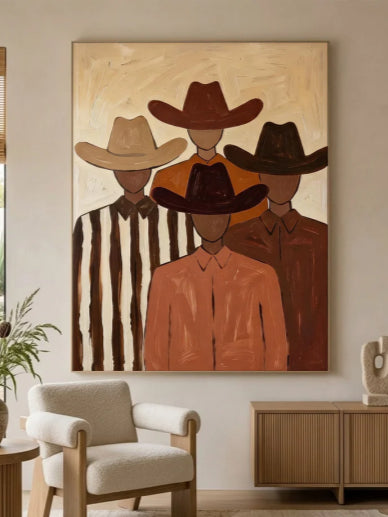
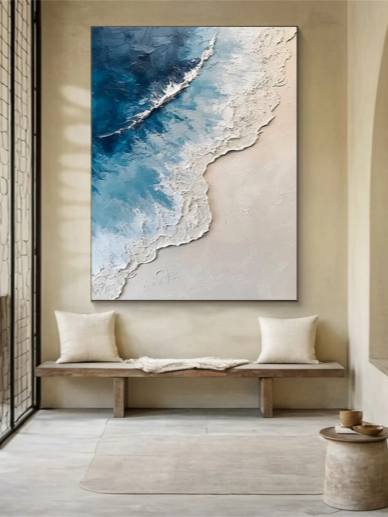



Choosing the right color is one of the easiest ways to change the look and feel of a kids' room. The right shade can make the space feel brighter, calmer, more playful, or more comfortable.
But with so many colors to choose from, it can be difficult to know where to start. Should you choose a soft neutral, a cheerful pastel, or a bold color that reflects your child's personality?
If you're looking for inspiration, here are some of the most popular kids room colors and simple ideas for using them in a stylish and practical way.
What Are the Most Popular Colors for Kids' Rooms?
Popular kids' room colors often include soft, calming shades as well as playful colors that add personality. Some of the most versatile options include:
- Soft blue
- Sage green
- Warm beige
- Light pink
- Lavender
- Cream
- Soft yellow
- Terracotta
- Navy blue
- Warm gray
- Peach
- Muted teal
The best choice depends on the size of the room, natural lighting, furniture, and your child's age and preferences.
1. Soft Blue
Soft blue is a classic choice for a kids' room. It creates a calm and comfortable atmosphere without making the space feel too plain.
Pale blue works especially well with white furniture, light wood, cream bedding, and simple wall decor. For a more modern look, consider a dusty or muted blue instead of a bright primary blue.
Blue can also work well as an accent color if you don't want to paint the entire room.

2. Sage Green
Sage green has become a popular choice for modern children's rooms because it feels natural, soft, and easy to decorate around.
Unlike brighter greens, sage has a muted appearance that works well with neutral furniture and natural materials. Pair it with beige, cream, white, or light wood for a relaxed look.
You can also introduce green through bedding, curtains, rugs, or wall art instead of using it as the main wall color.
3. Warm Beige
If you prefer a neutral kids' room, warm beige is an excellent option.
Beige creates a cozy background and gives you plenty of freedom when choosing furniture and accessories. It can also grow with your child, making it a practical choice if you don't want to repaint the room every few years.
To prevent beige from feeling boring, add different textures and a few playful accents through rugs, pillows, artwork, and bedding.
4. Light Pink
Light pink remains a popular kids' room color, but today's interiors often use softer and more muted versions of pink.
Blush, dusty rose, and pale pink can add warmth without overwhelming the room. They pair beautifully with white, cream, beige, light wood, and even sage green.
For a more balanced design, use pink as an accent color rather than covering every wall.

5. Lavender
Lavender can bring a soft and playful feeling to a child's bedroom. It works particularly well in rooms where you want a little color without using a very bright shade.
Soft lavender looks beautiful with white and cream, while deeper purple accents can add more contrast.
If painting the walls lavender feels like too much, try introducing the color through bedding, artwork, cushions, or a small accent wall.
6. Cream
Cream is another versatile choice for a kids' room. It feels warmer than pure white and creates a soft background for colorful decorations.
A cream-colored room can easily be changed as your child grows. Simply switch the artwork, bedding, or accessories to give the space a completely different personality.
Cream also works well with natural wood, woven baskets, textured fabrics, and handmade wall decor.
7. Soft Yellow
Yellow can make a kids' room feel cheerful and energetic. However, very bright yellow may feel overwhelming when used across an entire room.
For a more comfortable look, choose pale yellow, buttery yellow, or muted mustard. These shades add warmth while remaining easy to live with.
Soft yellow works especially well with white, beige, light blue, and natural wood.
8. Terracotta
For parents looking for something a little different, terracotta can add warmth and character to a kids' room.
This earthy color works particularly well with boho, vintage, and nature-inspired interiors. Combine it with cream, beige, warm white, or natural wood for a cozy look.
Because terracotta is relatively strong, you don't necessarily need to use it on every wall. An accent wall or smaller decorative elements may be enough.

9. Navy Blue
Navy blue creates a stronger and more dramatic look than pale blue. It can work particularly well in larger kids' rooms or as an accent color.
Instead of painting all four walls navy, consider using it on one wall and keeping the remaining walls light. White bedding, light wood furniture, and warm neutral accessories can help balance the darker shade.
Navy can also be introduced through curtains, rugs, pillows, or artwork.
10. Warm Gray
Warm gray is a simple option for parents who want a modern and neutral kids' room.
Unlike cooler gray shades, warm gray has subtle beige or brown undertones that make the room feel more inviting. It also provides a flexible background for colorful furniture and accessories.
If you choose gray walls, add warmth through wood furniture, soft textiles, colorful artwork, and layered lighting.
11. Peach
Peach is a cheerful alternative to traditional pink. It brings warmth and personality to a kids' room while still feeling soft and welcoming.
Muted peach works well with cream, beige, white, light brown, and natural wood. It can also be paired with soft green for a nature-inspired color palette.
For a subtle effect, use peach on one wall or introduce it through decorative accessories.
12. Muted Teal
Muted teal combines the calming qualities of blue with the natural feeling of green. It is a great choice if you want a kids' room to feel colorful but not overly bright.
Teal works well with cream, white, tan, and natural wood. It can also create an interesting contrast with warm colors such as terracotta or mustard yellow.
Because teal can be visually strong, it is often best used as an accent wall or through smaller decorative pieces.

How to Choose the Best Kids Room Color
Choosing a color is not only about picking your favorite shade. A few practical factors can help you make a better decision.
Consider the Room's Natural Light
Look at the room at different times of the day before choosing a paint color.
A room with plenty of natural light can handle deeper or stronger colors, while a darker room may benefit from lighter shades such as cream, pale blue, or warm beige.
Think About the Room Size
Light colors can make a small room feel more open and airy. Darker colors can make a large room feel warmer and more intimate.
However, this doesn't mean you have to avoid dark colors in a small bedroom. Using a darker shade on one wall can create a cozy focal point without making the entire room feel closed in.
Consider Your Child's Personality
A kids' room should feel personal. If your child loves bright colors, you don't have to create a completely neutral space just because neutral interiors are popular.
You can keep the walls relatively simple and use your child's favorite colors in artwork, bedding, rugs, and accessories.
Choose Colors That Can Grow With Your Child
Children's tastes change quickly. A room designed for a toddler may not suit a school-age child a few years later.
For this reason, versatile colors such as sage green, cream, beige, soft blue, and warm gray can be practical choices. You can update the room later without changing the entire color scheme.
Should You Paint All Four Walls the Same Color?
Not necessarily.
Painting all four walls the same color creates a cohesive look and is often the easiest approach. But an accent wall can add more visual interest without requiring a dramatic makeover.
For example, you could use:
- Sage green on one wall with cream on the others
- Soft blue with white trim
- Terracotta as an accent behind the bed
- Navy blue on one wall with warm beige elsewhere
- Lavender paired with soft white
Another option is to keep all the walls neutral and bring color into the room through artwork and accessories.

How to Add Color Without Painting the Walls
Paint isn't the only way to introduce color into a kids' room.
If you're renting or simply don't want to repaint, try using colorful decor instead. Bedding, curtains, rugs, cushions, storage baskets, and wall art can all add personality to the space.
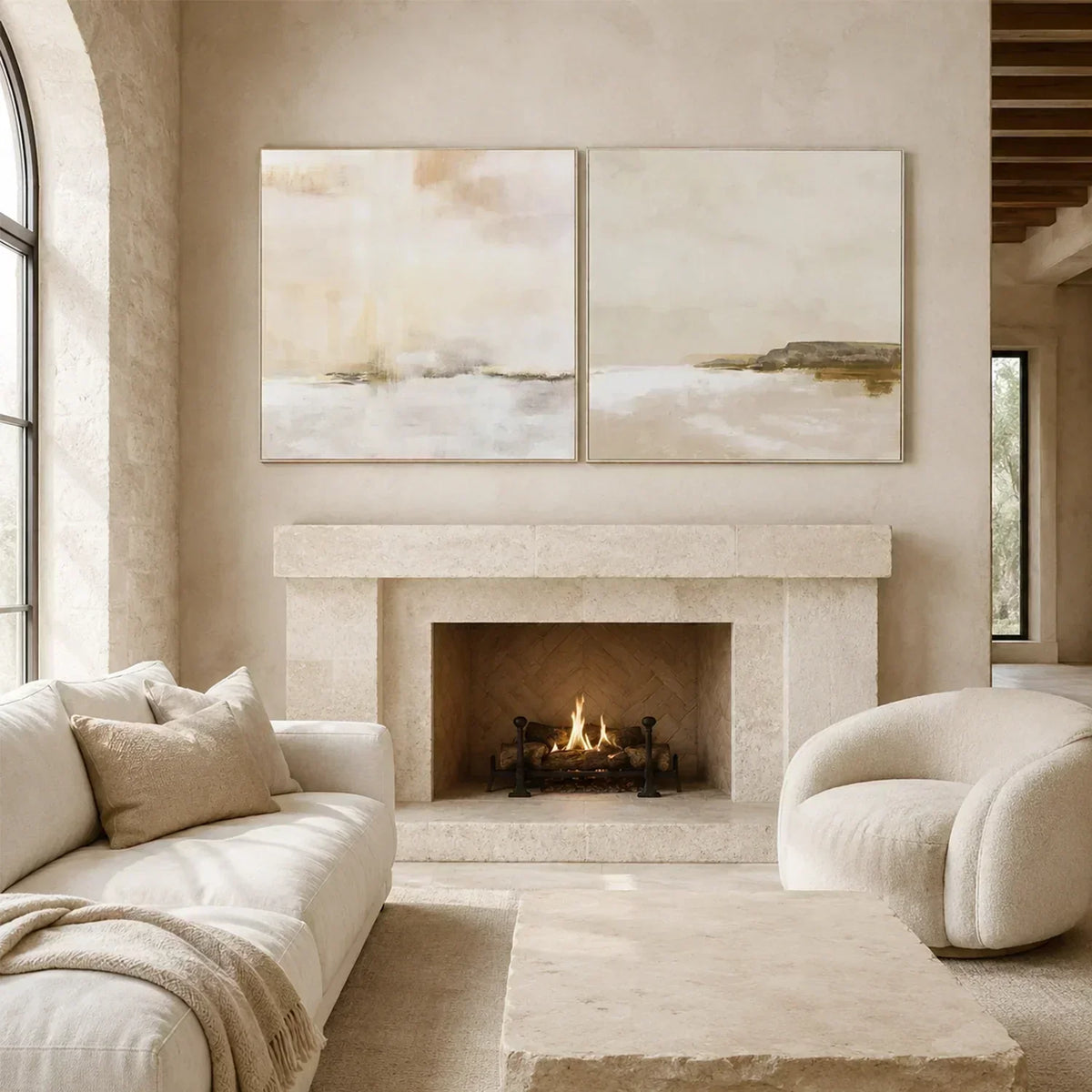
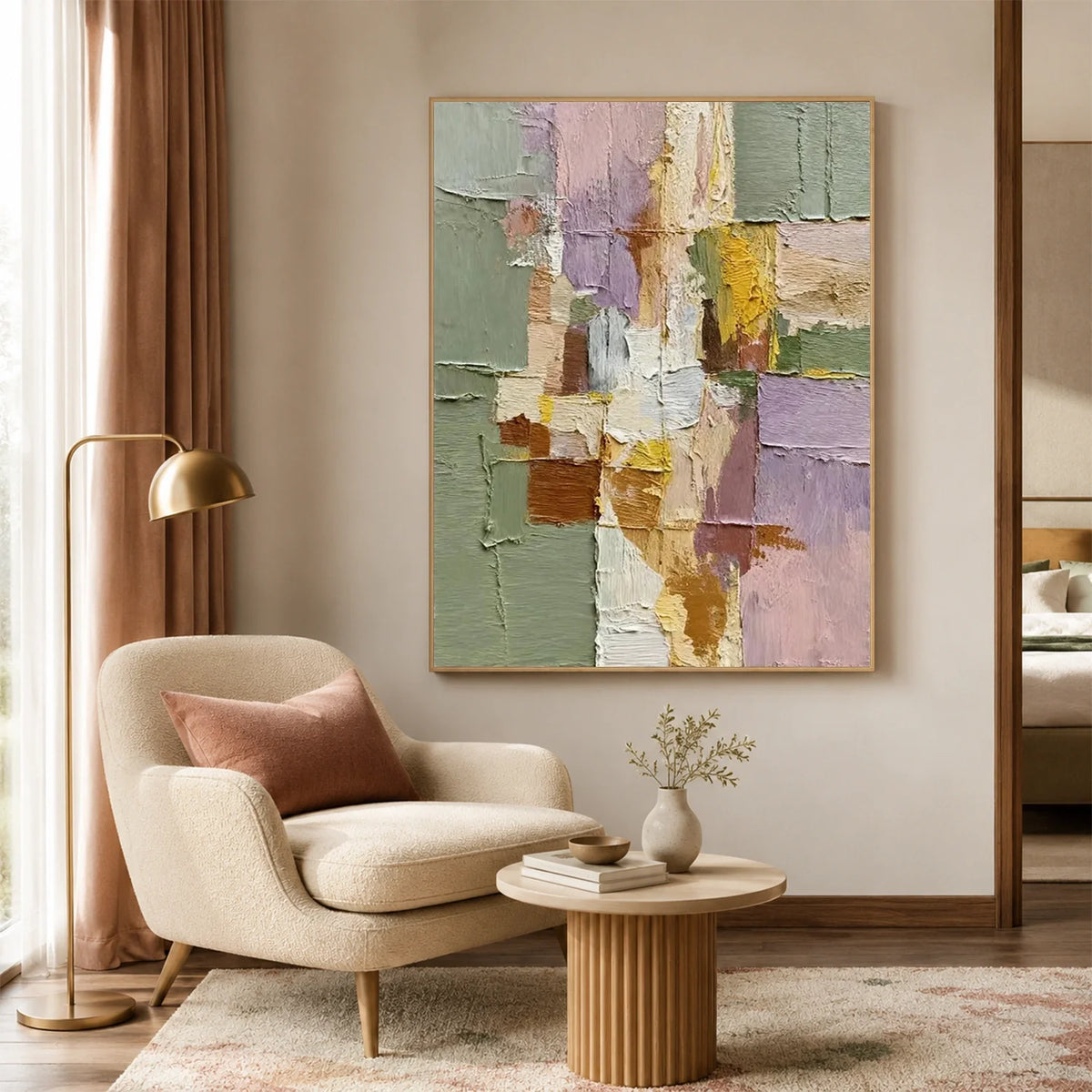
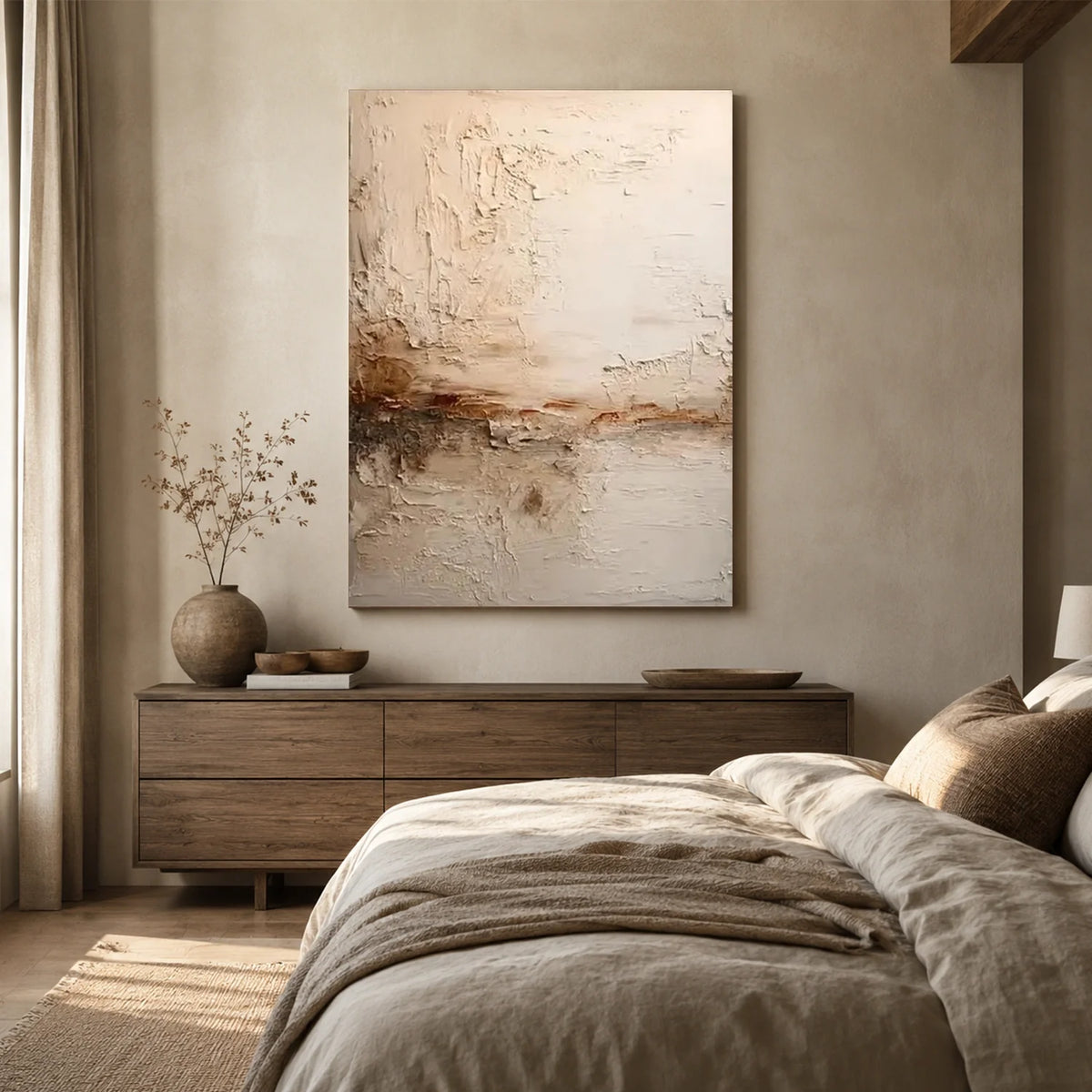
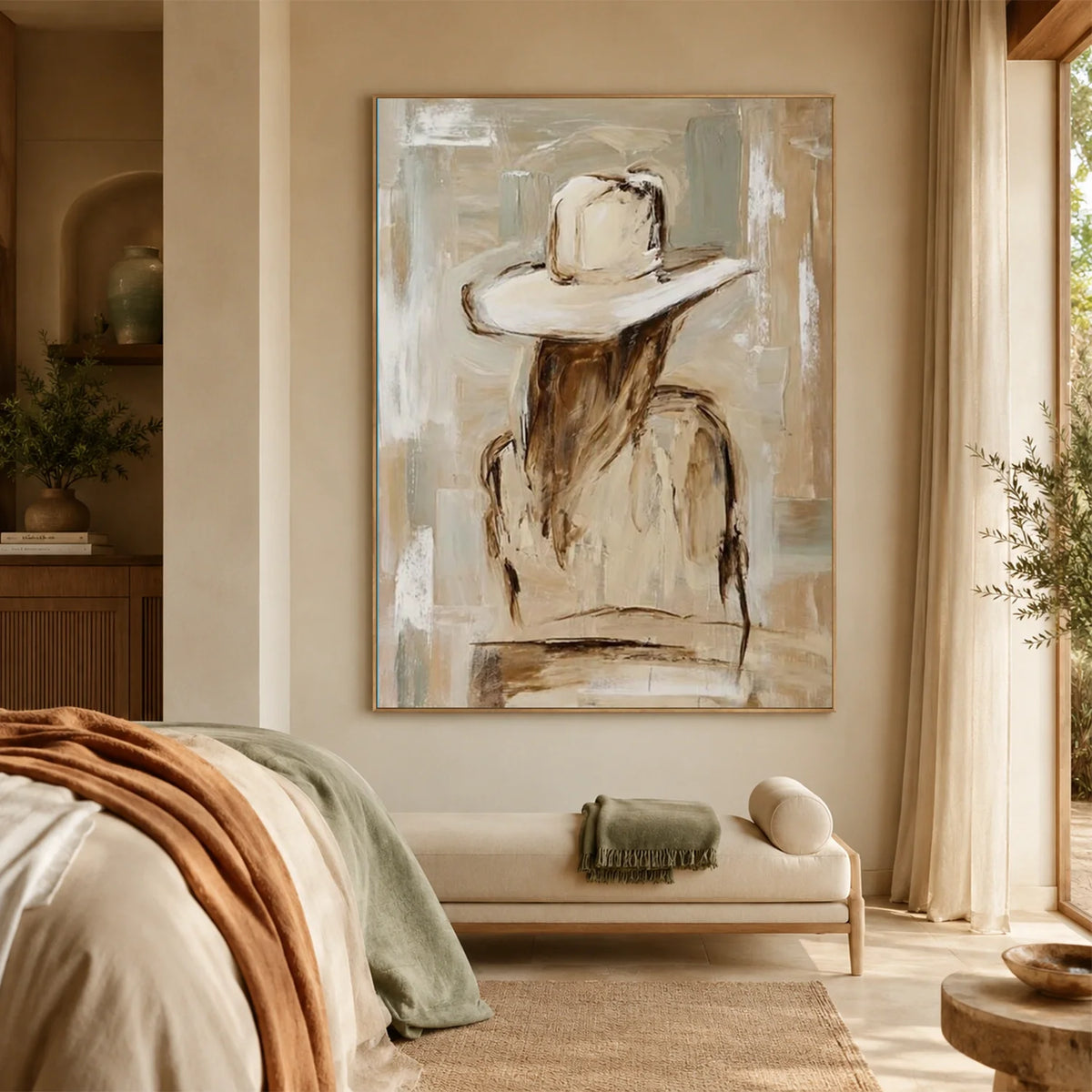
Wall art can be especially useful because it is easy to replace as your child's interests change. For a simple way to bring texture and personality into a kids' room, you can also explore Eleanos Gallery's wall art collection, which includes artwork that can complement both colorful and neutral interiors.
You can also combine several colors through a gallery wall instead of choosing one dominant shade for the entire room.

Popular Kids Room Color Combinations
If choosing one color feels difficult, consider using a simple color combination instead.
Sage Green + Cream
This combination creates a calm, natural, and modern atmosphere. Add light wood furniture for extra warmth.
Soft Blue + White
A timeless combination that keeps the room feeling fresh and bright. Add beige or natural wood to make it feel less cold.
Blush Pink + Beige
Soft pink and warm beige create a cozy and gentle look without making the room feel overly colorful.
Lavender + Cream
This combination feels playful but still sophisticated. It works particularly well with simple white furniture.
Terracotta + Warm White
Terracotta adds warmth and personality, while warm white keeps the overall room balanced.
Navy + Beige
Navy provides contrast and depth, while beige prevents the room from feeling too dark.
FAQs
What colors make a kids room feel cozy?
Warm neutrals such as beige, cream, warm gray, and terracotta can make a kids room feel cozy. Soft lighting, natural wood, and textured fabrics can make the space even more inviting.
Should a kids room be bright or neutral?
Both can work well. Neutral colors create a flexible background, while brighter colors can add energy and personality. A good balance is to use a neutral wall color and introduce brighter shades through bedding, rugs, artwork, and accessories.
What are good neutral colors for a kids room?
Warm beige, cream, warm gray, and soft taupe are good neutral choices. They are easy to pair with different furniture styles and can be updated with colorful decor as your child grows.
What color is best for a small kids room?
Light colors such as cream, soft blue, pale green, and warm beige can help a small kids room feel brighter and more open. You can still use darker colors as accents to add depth and personality.
Final Thoughts
The best kids room colors are not necessarily the brightest or trendiest shades. A good color should make the room feel comfortable, match the existing furniture, and give you enough flexibility to update the space as your child grows.
Soft blue, sage green, warm beige, cream, light pink, lavender, and muted earthy colors are all versatile choices. If you prefer a more colorful room, use stronger shades such as navy, terracotta, or teal as accents.
Most importantly, don't feel limited to one color. Combining paint with bedding, rugs, lighting, and wall art can create a kids' room that feels fun, comfortable, and uniquely theirs.





Leave a comment
This site is protected by hCaptcha and the hCaptcha Privacy Policy and Terms of Service apply.