



Designing a kids' room is about more than choosing cute furniture and colorful decorations. A good kids' room should be comfortable, practical, and easy to change as your child grows.
Whether you are decorating a small bedroom, updating an older child's space, or starting from scratch, the right kids room ideas can help you create a room that feels personal without becoming cluttered.
From wall art and storage to color schemes and flexible furniture, here are 15 simple ideas to make a kids' room more inviting and functional.
15 Kids Room Ideas to Inspire Your Space
1. Start With a Simple Color Scheme
You do not need to cover every wall in bright colors to make a kids' room feel fun. Choose a simple base color and add brighter shades through bedding, artwork, rugs, or accessories.
Soft neutrals, light blue, warm beige, pale green, and muted pink can create a calm background that works well as your child gets older.
A simple color scheme also makes it easier to update the room without repainting everything.

2. Create a Wall Art Focal Point
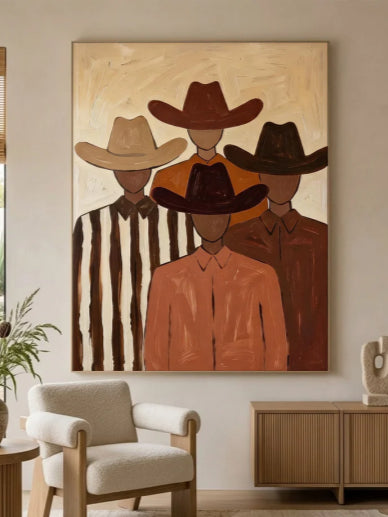
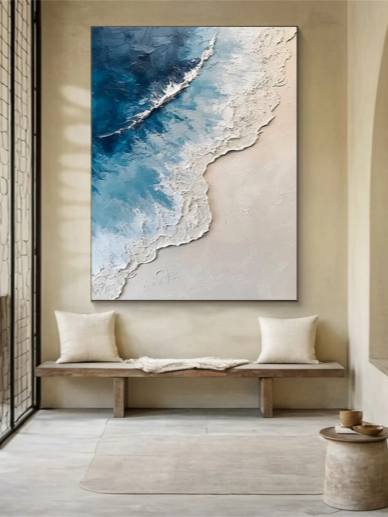
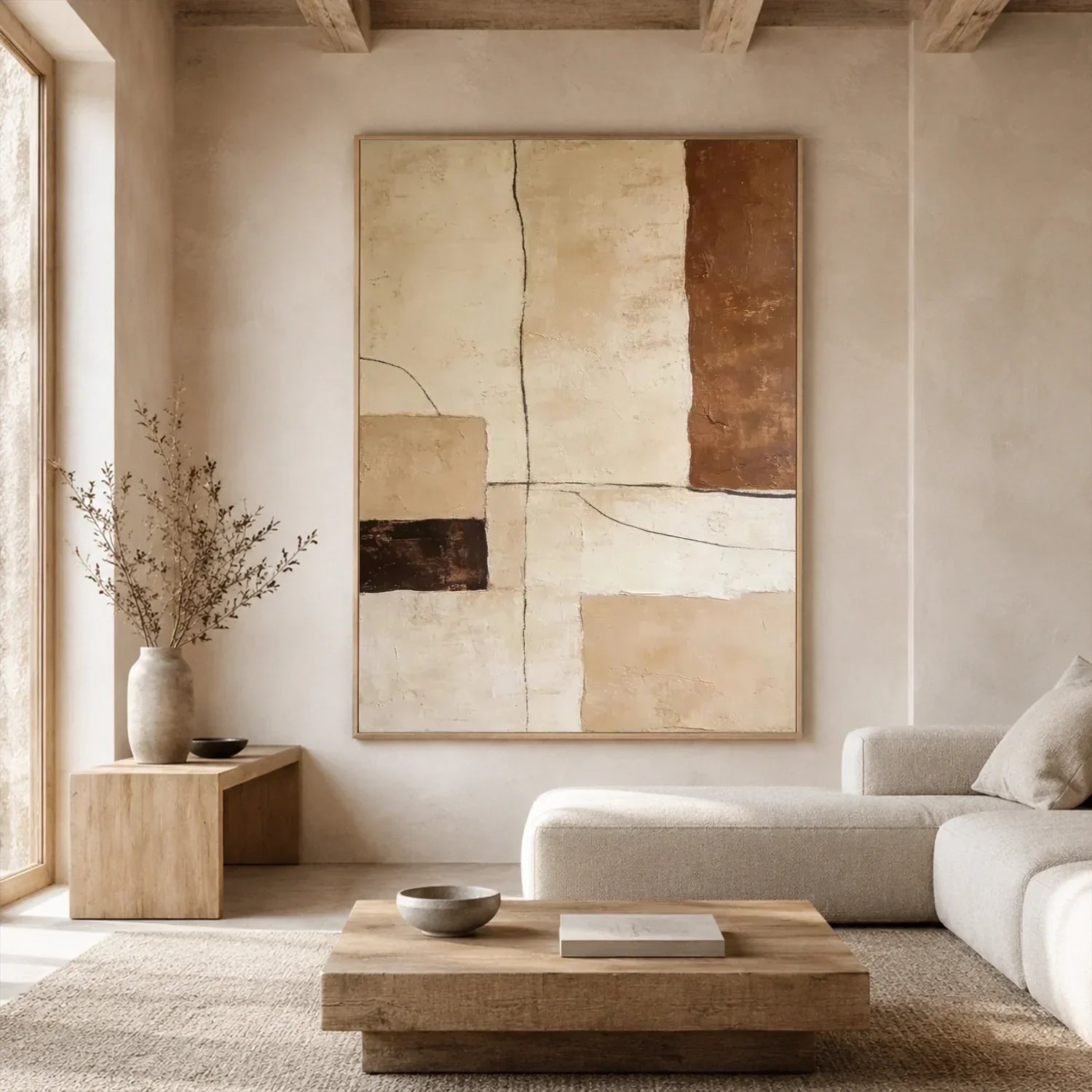
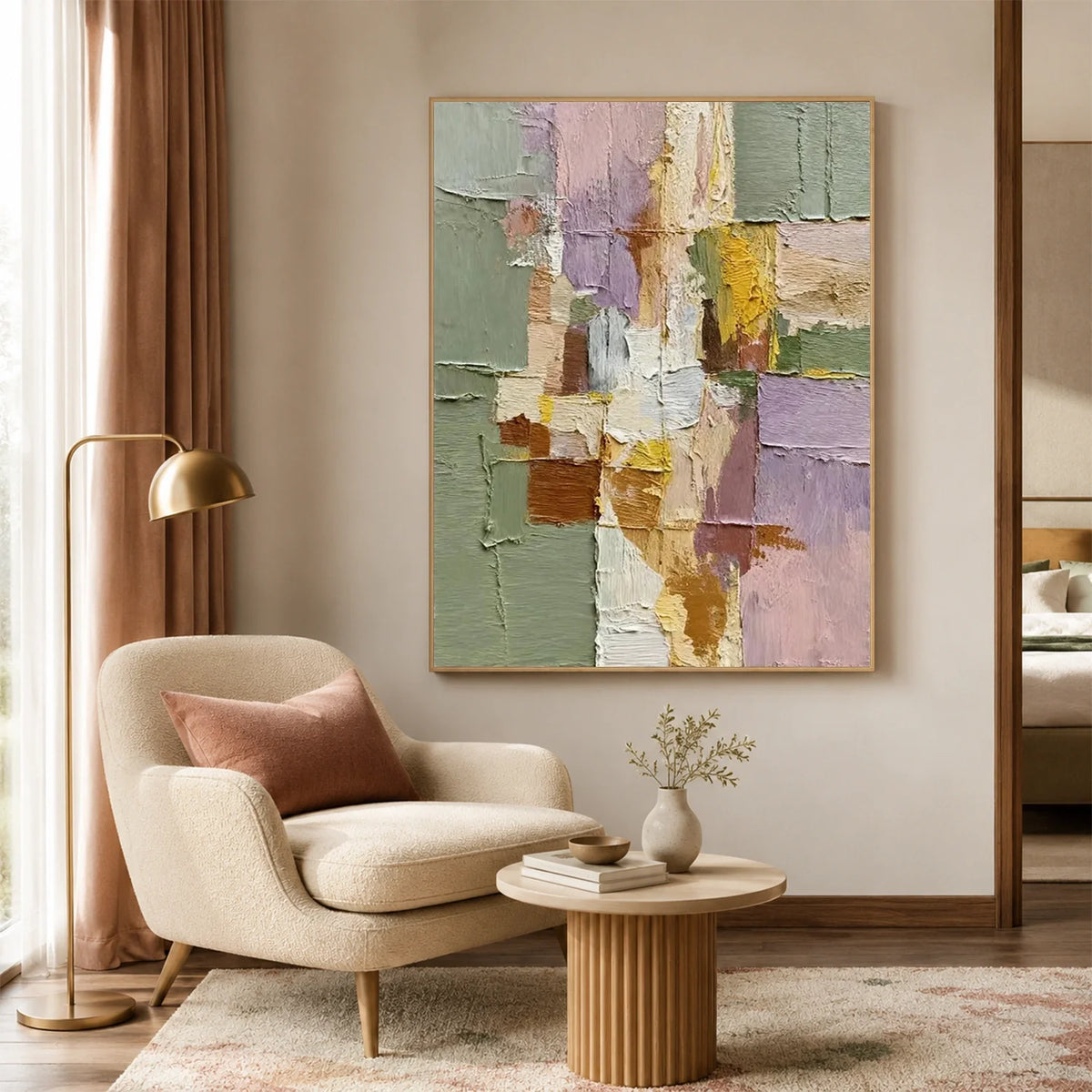
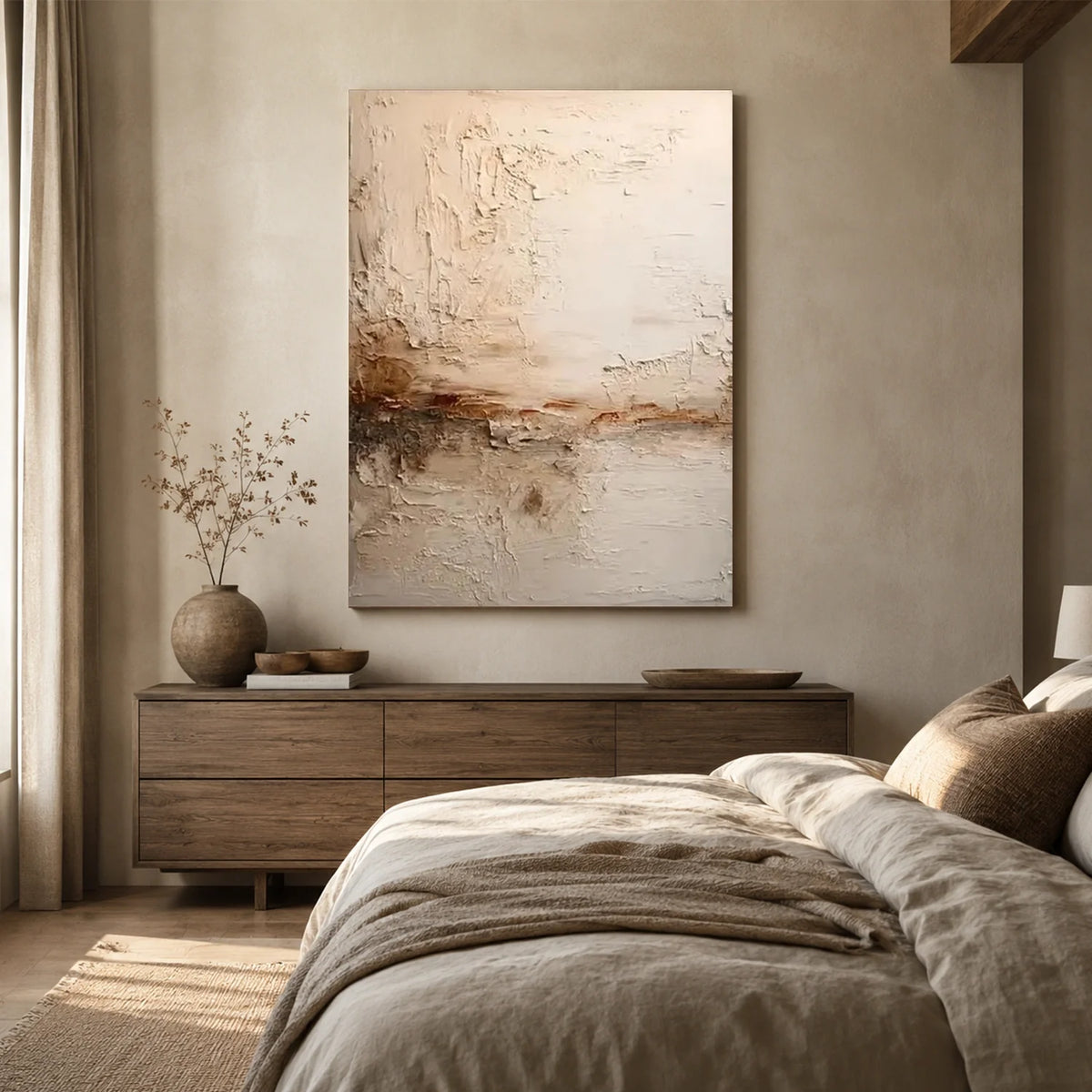
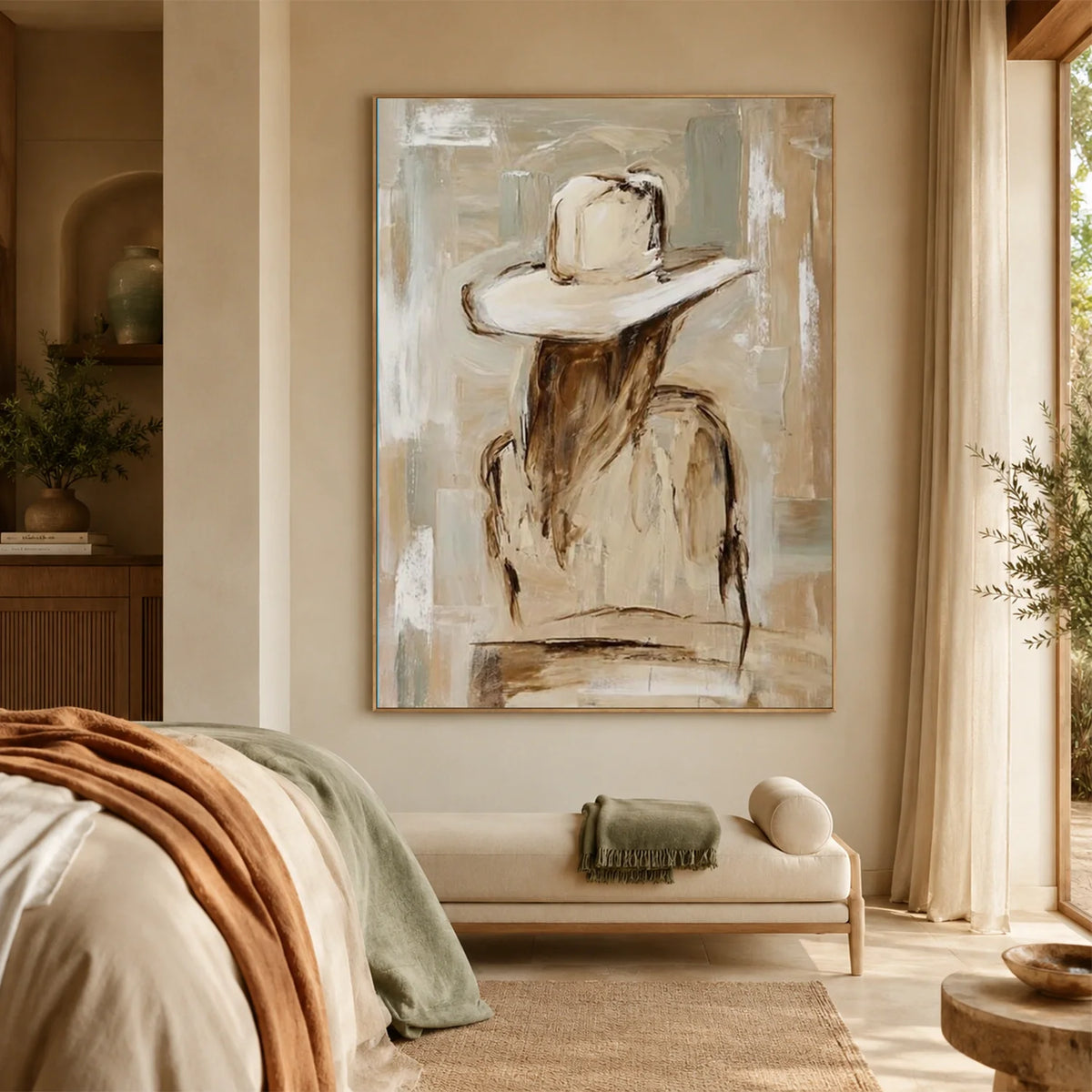
An empty wall can make a kids' room feel unfinished, so consider creating a simple focal point instead of decorating every wall. A large piece of wall art can add personality, while framed prints or a small gallery wall work well in smaller rooms.
 If you're looking for a simple statement piece, Eleanos Gallery offers handcrafted textured and minimalist artwork that can add visual interest without making the room feel overly themed. Choose a design that complements the room's colors and can still work as your child grows.
3. Let Kids Display Their Own Artwork
Children often enjoy seeing their drawings and crafts displayed in their own rooms.
Create a small art display using frames, clips, or a picture ledge. This gives your child a place to show their work and makes the room feel more personal.
The display can also be changed regularly, so the decor grows with your child's interests.

4. Add a Reading Corner
A small reading area can turn an unused corner into a useful part of the room.
You can keep it simple with a comfortable chair, floor cushion, small bookshelf, and reading lamp. In a smaller room, a wall-mounted bookshelf can save valuable floor space.
Keep the books within easy reach so children can choose what they want to read on their own.

5. Use the Walls for Storage
When floor space is limited, look up.
Wall-mounted shelves, pegboards, hooks, and narrow bookcases can provide extra storage without taking up much room. They are especially useful for books, toys, small decorations, and everyday items.
Just make sure shelves and other wall-mounted furniture are securely installed and appropriate for the child's age.

6. Choose Furniture That Can Grow With Your Child
Children's needs change quickly, so it is worth thinking beyond the current stage.
Instead of choosing furniture that only works for a toddler, consider pieces that can remain useful for several years. A simple desk, adjustable chair, neutral dresser, or larger bed can make future updates easier.
This approach can also reduce the need to completely redesign the room every few years.

7. Make a Small Kids' Room Feel Bigger
A small kid's room does not have to feel cramped.
Use light colors, keep furniture to a minimum, and take advantage of vertical space. Wall shelves and tall storage units can help keep the floor clear.
You can also use one larger decorative piece instead of filling the walls with many small items. This often makes the room feel more organized.

8. Create a Dedicated Play Area
If your child uses the bedroom for playing, give toys a specific place.
A soft rug can visually define the play area, while baskets or low storage units make cleanup easier. You do not need a large amount of furniture. A clear section of floor can be enough.
For shared bedrooms, defining separate play, sleep, and storage areas can also make the room easier to manage.

9. Try a Nature-Inspired Kids Room
Nature-inspired decor can create a relaxing atmosphere without feeling too childish.
Think about earthy colors, simple botanical artwork, animal prints, wooden furniture, and natural textures. These elements can work for both younger children and older kids.
A nature-inspired theme is also easy to update because you can change individual accessories instead of replacing the entire room.

10. Design a Room Around Your Child's Interests
Your child's favorite animals, sports, hobbies, or activities can provide inspiration for the room.
However, you do not have to turn the entire bedroom into a themed space. Instead, use a few removable or replaceable elements, such as artwork, bedding, posters, or accessories.
This gives the child a room that feels personal while making future changes much easier.

11. Use a Gallery Wall
A gallery wall is a simple way to fill a large blank wall.
Mix different sizes of artwork instead of using identical frames throughout. You can combine illustrations, photographs, quotes, and your child's own artwork.
Before hanging everything, arrange the pieces on the floor first. This makes it easier to find a layout that feels balanced.

12. Add a Cozy Bed Area
The bed is usually the largest piece of furniture in a kids' room, so it naturally becomes a visual focal point.
Keep the area comfortable with soft bedding, a few pillows, and a blanket. You can also decorate the wall behind the bed with artwork or a simple accent wall.
Avoid adding too many objects around the bed. A clean and comfortable setup is usually more inviting than an overcrowded one.

13. Make Storage Easy to Use
Kids are more likely to put things away when storage is simple.
Use clearly defined places for different types of items. Baskets can hold toys, shelves can hold books, and drawers can store clothing or smaller objects.
For younger children, keep frequently used items at a height they can reach. This encourages independence and makes everyday cleanup easier.

14. Use Lighting to Change the Mood
Good lighting can make a kids' room feel warmer and more comfortable.
Start with general lighting for the whole room, then add task lighting near a desk or reading area. A small bedside or accent light can also make the room feel cozy in the evening.
If possible, make use of natural light during the day and avoid blocking windows with large furniture.

15. Keep the Design Flexible
One of the best kids room ideas is to avoid making permanent design choices based entirely on a temporary interest.
Your child may love dinosaurs today and space next year. Instead of repainting the whole room every time their interests change, keep the main elements relatively neutral and use artwork, bedding, rugs, and accessories to introduce personality.
This creates a room that can easily evolve over time.

How to Design Kids' Room Walls?
Kids' room walls are a great way to add personality without taking up floor space. From artwork to shelves, a few thoughtful choices can make the room feel more complete.
Create a Simple Gallery Wall
Combine framed artwork, family photos, illustrations, or your child's drawings. Keep the frames or colors consistent for a more cohesive look.
Hang One Large Piece of Wall Art
One oversized piece can turn a blank wall into a focal point without making the room feel crowded. Choose artwork that complements the room and reflects your child's interests.

Display Your Child's Artwork
Frame a few favorite drawings or use clips and picture ledges to create an easy-to-update display. It adds a personal touch without requiring much extra decor.
Try Removable Wall Decor
Wall decals and removable wallpaper are easy ways to introduce fun themes. They can also be replaced as your child's interests change.
Use Wall Shelves for Decor and Storage
Wall shelves can display books, toys, and small decorations while keeping the floor clear. Make sure shelves are securely installed, especially in rooms used by younger children.
The goal is to create balance rather than fill every wall. A few well-chosen pieces can add personality while keeping the room comfortable and uncluttered.
How to Design a Kids Room That Grows With Your Child?
Children's interests can change quickly, so a room that works perfectly today may feel outdated a few years later. Instead of designing the entire space around one age or theme, choose flexible elements that can easily be updated over time.
Keep the Main Design Simple
Use relatively neutral colors and timeless furniture for the larger, more expensive elements of the room. This creates a flexible foundation that can work through different stages of childhood.
You can then introduce brighter colors and personal touches through smaller, easier-to-replace items.
Choose Decor That Is Easy to Change
Wall art, bedding, rugs, curtains, and accessories can all be changed without redesigning the entire room. This makes them useful for expressing a child's current interests.
For example, a room with neutral walls can work with dinosaur artwork for a young child and more sophisticated artwork as they get older.

Invest in Flexible Furniture
Choose furniture based on how it can be used in the future, not just how it looks today. A desk can start as a creative space and later become a homework station, while a larger dresser can continue to work as your child's storage needs change.
Whenever possible, look for furniture that can serve more than one purpose.
Give Your Child Room to Personalize the Space
A growing child will naturally want more control over their surroundings. Leave some areas open for them to add their own artwork, photos, collections, or other personal items.
This allows the room to evolve with their personality without requiring a complete makeover.
Avoid Overly Specific Themes
A full room based on one character or short-term interest can be fun, but it may not age well. Instead, use smaller decorative elements to bring in a favorite theme.
This makes it much easier to update the room when your child's interests change.
Think Beyond the Current Age
When planning a kids' room, consider how the space might work two or three years from now. Will there still be enough storage? Can the desk accommodate schoolwork? Is there enough space for changing interests and activities?
A flexible design may not look dramatically different today, but it can save time, money, and effort in the future.
FAQs
What are some easy kids room ideas?
Simple updates like adding wall art, changing bedding, creating a reading corner, or adding better storage can quickly refresh a kids' room without a complete makeover.
What should I put on a kids' bedroom wall?
Popular options include framed wall art, gallery walls, your child's artwork, removable decals, posters, and wall shelves. Choose pieces that match the room's style without overcrowding the walls.
How can I decorate a small kids' room?
Use vertical wall space for shelves and storage, choose multifunctional furniture, and keep the floor as open as possible. A simple color scheme can also make a small room feel more spacious.
How can I make a kids' room look less cluttered?
Give toys, books, and clothes designated storage spaces and avoid adding too many decorative items. Keeping some open wall and floor space can make the room feel more organized.
Final Thoughts
The best kids room ideas balance personality with practicality. You do not need an elaborate theme or dozens of decorations to create a great space.
Start with a simple color scheme, add storage where you need it, make room for play and reading, and use wall decor to bring personality to the space. Most importantly, leave some flexibility so the room can change as your child grows.
A well-designed kids' room should not only look good today. It should continue to work for your child for years to come.




Leave a comment
This site is protected by hCaptcha and the hCaptcha Privacy Policy and Terms of Service apply.