

When it comes to decorating your home, you may find yourself drawn to two very different looks. Maybe you love clean, uncluttered rooms with plenty of open space. Or perhaps you prefer colorful walls, layered textures, artwork, and objects that show off your personality.
These two approaches are often described as minimalism and maximalism. But choosing between them is not simply about deciding whether to have more or less decor. It is also about how you want your home to feel, how much visual clutter you enjoy, and how much time you want to spend maintaining the space.
And you do not necessarily have to choose one style. Understanding what works for your lifestyle can help you create a home that feels comfortable, personal, and easy to live in.
What Is Minimalist Interior Design?
Minimalist interiors usually emphasize clean lines, simple forms, limited visual clutter, and plenty of breathing room.
A minimalist room might include:
- A simple furniture layout
- Neutral or restrained colors
- Open surfaces
- A few carefully selected decorative pieces
- Simple artwork instead of multiple layers of decor
- Furniture with clean, uncomplicated shapes
But minimalism does not necessarily mean having an empty room or using only white and beige.
One interesting point that often comes up in online home-decor discussions is that minimalism as a mindset and minimalist aesthetics are not always the same thing. You can own fewer unnecessary things while still using bold colors, artwork, natural materials, or interesting textures.
In other words, minimalist design is often more about editing than simply owning less.

What Is Maximalist Interior Design?
Maximalism takes a more expressive approach. Instead of reducing the number of visual elements, it uses color, pattern, texture, artwork, and personal objects to create a richer environment.
A maximalist room might include:
- Bold wall colors
- Patterned rugs or curtains
- Multiple pieces of artwork
- Books and collections
- Vintage furniture
- Plants
- Decorative objects
- Different textures and materials
But there is an important distinction: Maximalism is not the same as clutter.
A room can contain a lot of things and still feel intentional. The key is having some kind of connection between the elements, whether that comes from color, material, style, shape, or personal meaning. Without that connection, adding more objects can simply create visual noise.
Think of maximalism as curated abundance, rather than simply putting everything you own on display.

Minimalism vs. Maximalism: What's the Real Difference?
At first glance, the difference seems simple: minimalism removes things, while maximalism adds them.
In reality, the difference is more about visual intensity.
| Minimalism | Maximalism | |
|---|---|---|
| Color | Restrained or neutral | Bold and varied |
| Furniture | Simple and functional | More varied and expressive |
| Artwork | Few carefully chosen pieces | Multiple or layered pieces |
| Patterns | Limited | Mixed and noticeable |
| Accessories | Selective | More abundant |
| Visual feeling | Calm and open | Energetic and layered |
| Maintenance | Generally simpler | Usually requires more organizing |
| Personality | Subtle | More immediately visible |
Neither style automatically makes a home more comfortable. It depends on what you enjoy seeing every day.
How to Choose Between Maximalism and Minimalism
The right decor style depends less on trends and more on how you live and what you want from your space. Consider these factors before choosing between maximalism and minimalism.
Consider Your Lifestyle
If you prefer a calm, organized environment with fewer distractions, minimalism may suit you better. If you enjoy collecting artwork, decorating, and changing your space, maximalism gives you more room for creativity.
Consider Your Space
Minimalist decor can help small rooms feel more open and less crowded. Larger rooms can accommodate more layers, making maximalist decor easier to balance.
Consider Maintenance
Think about how much time you want to spend cleaning and organizing. Minimalist spaces usually require less upkeep, while maximalist rooms may need more attention because of the number of decorative elements.
Consider Your Personality
Minimalism works well for people who prefer simplicity and visual order. Maximalism may feel more natural if you like bold colors, patterns, artwork, and personal collections.
Consider Your Budget
Minimalism doesn't necessarily mean spending less, and maximalism doesn't always mean spending more. The difference is often in how you allocate your budget. A minimalist room may focus on a few quality pieces, while a maximalist space can build its look gradually with smaller decorative items.
You also don't have to choose one style completely. A neutral room with a statement artwork or a colorful space with simple furniture can combine elements of both styles.

Minimalism vs. Maximalism by Room
The best approach can vary from room to room. You can use minimalist principles in one space and bring more color and personality into another.
Living Room
Minimalism: Choose simple furniture, a neutral palette, and one or two statement pieces of wall art.
Maximalism: Layer artwork, patterns, textures, and decorative objects to create a more expressive space.
Bedroom
Minimalism: Keep colors soft and furniture simple to create a calm, uncluttered atmosphere.
Maximalism: Add layered bedding, patterned textiles, colorful artwork, or decorative accents for a richer look.
Home Office
Minimalism: Keep the desk and walls relatively clear to reduce visual distractions and maintain focus.
Maximalism: Use artwork, books, plants, and decorative pieces to make the workspace feel more personal and inspiring.
Dining Room
Minimalism: Focus on a simple dining table, understated lighting, and limited wall decor.
Maximalism: Introduce a statement wall, bold artwork, patterned textiles, or decorative tableware to create more visual interest.
Entryway
Minimalism: Use a few functional pieces, such as a mirror, console, and simple artwork, to keep the entrance clean and welcoming.
Maximalism: Use a gallery wall, bold colors, or layered accessories to make a stronger first impression.

Minimalist vs. Maximalist Wall Art
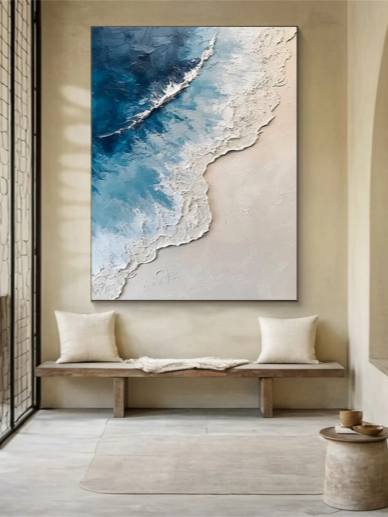
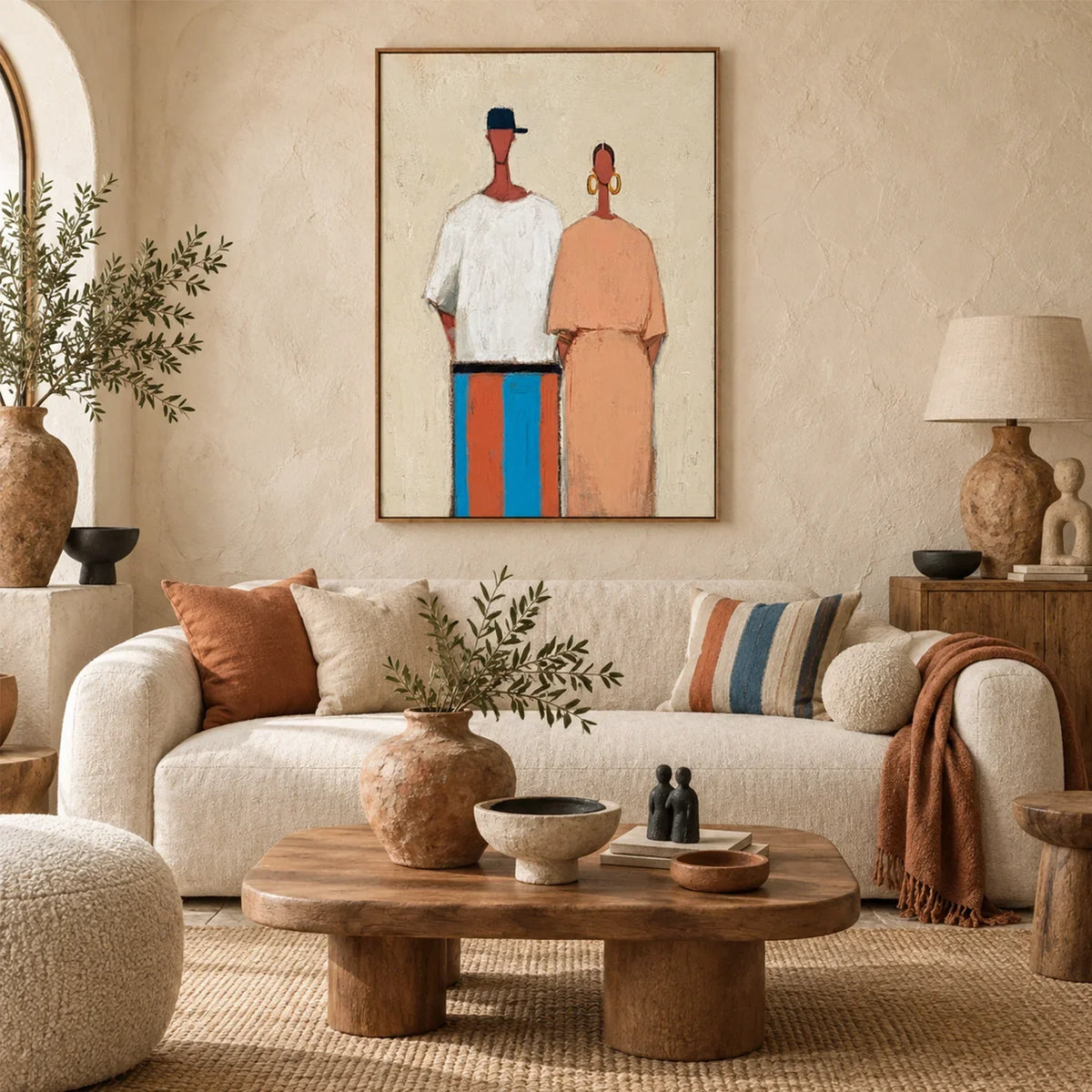
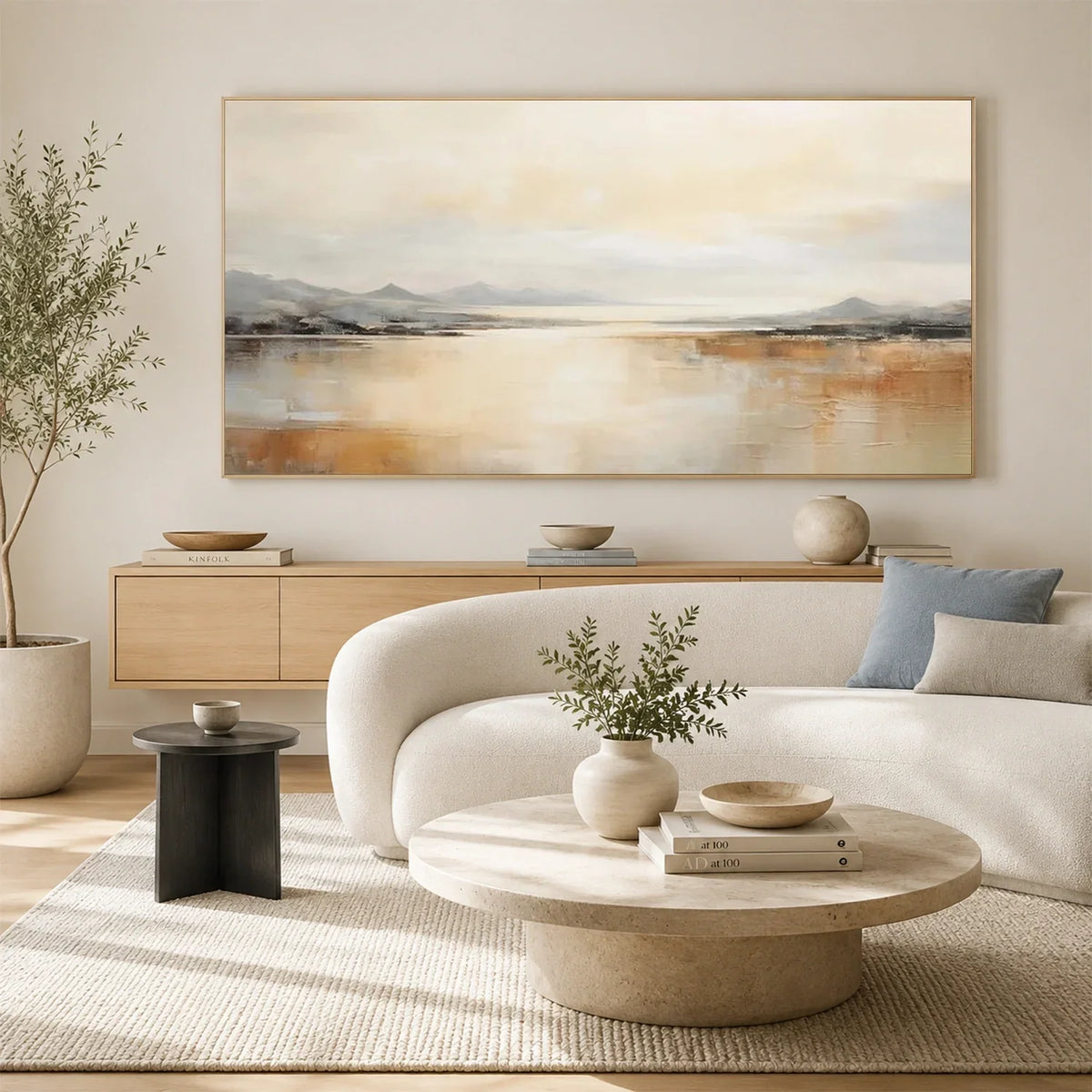
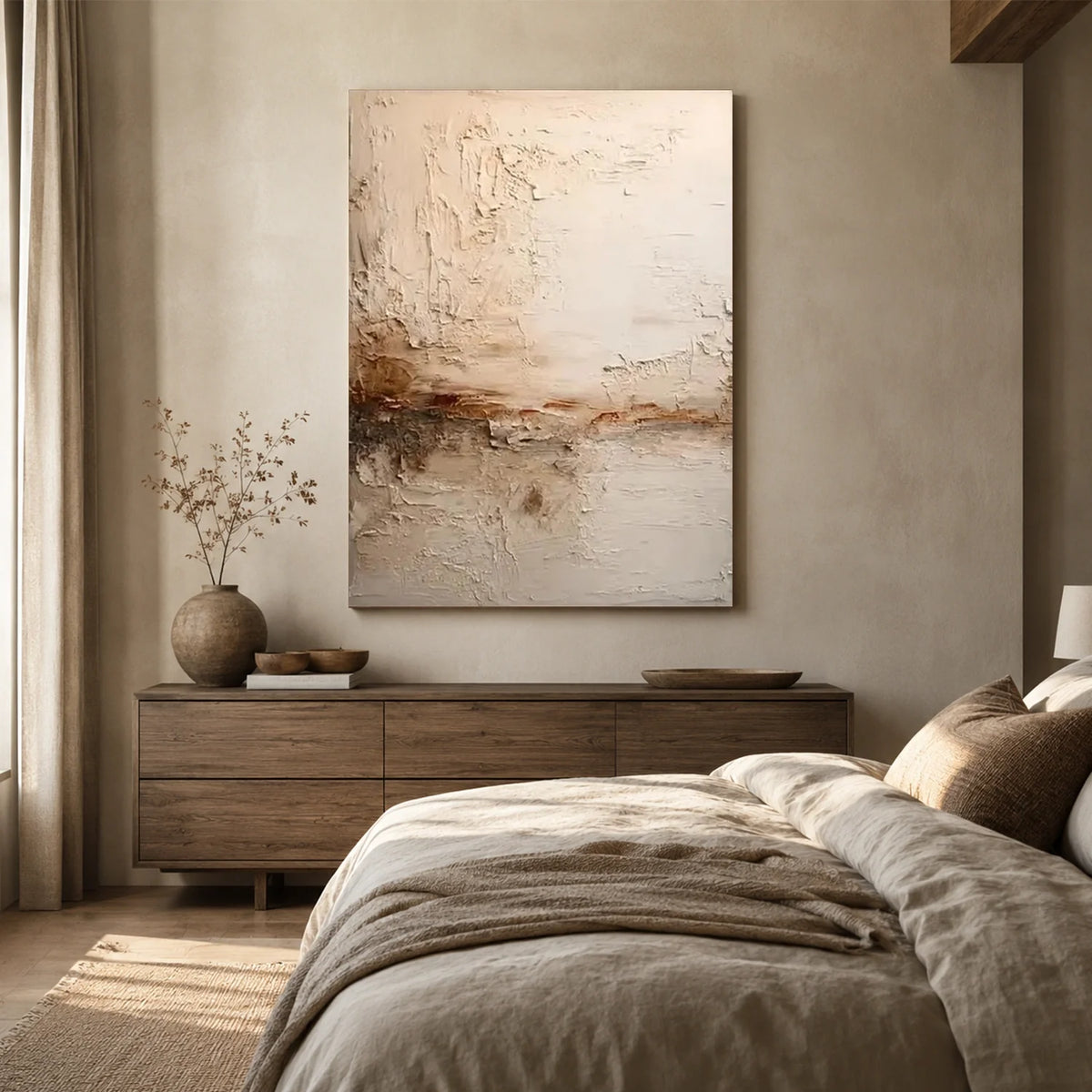
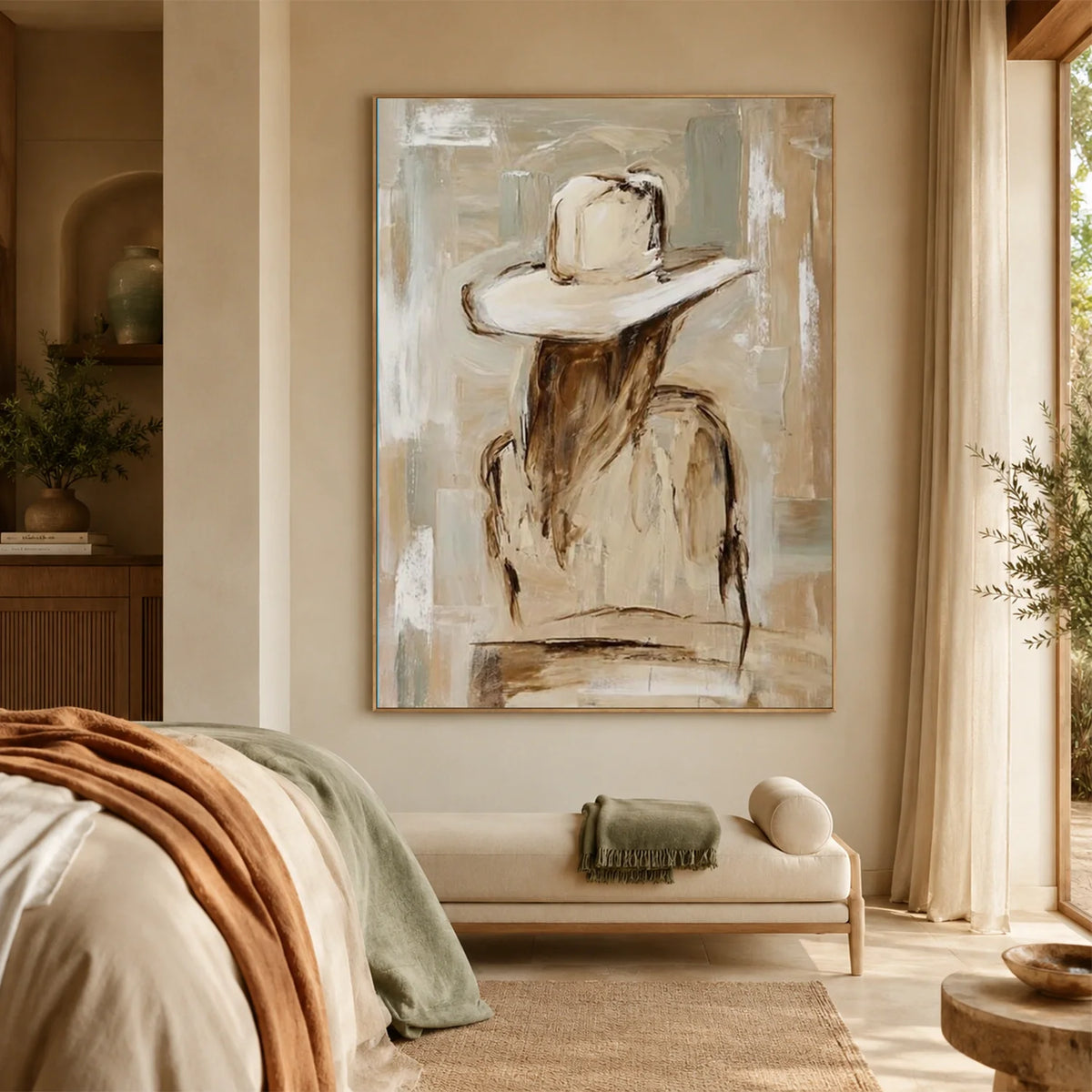
Wall art is one of the easiest ways to show the difference between minimalist and maximalist decor. Minimalist interiors often work well with simple designs, neutral colors, and subtle textures. One large artwork can create a focal point without making the room feel cluttered.
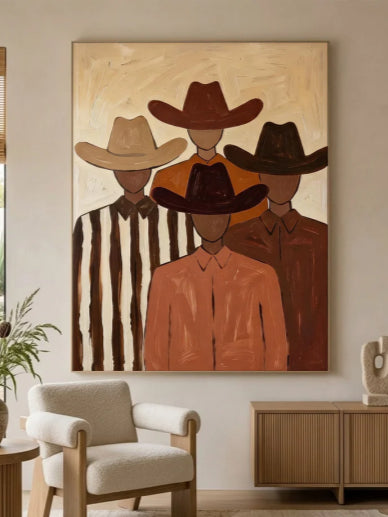
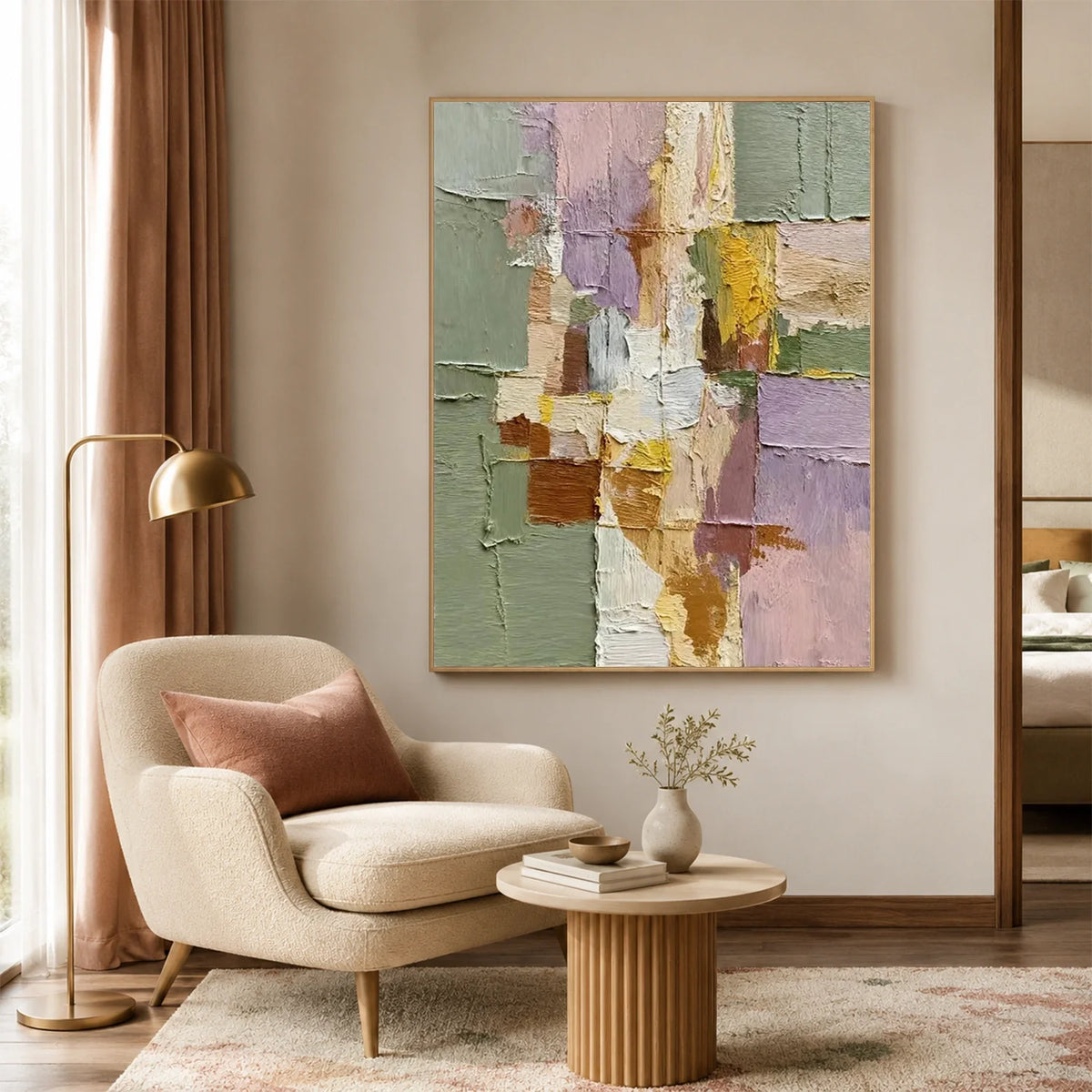
Maximalist interiors offer more freedom to experiment with bold colors, different sizes, patterns, and multiple pieces. A gallery wall or a mix of framed artwork can add layers and personality to the space.
If you want to combine both styles, handcrafted textured wall art can be a simple way to add visual interest without overwhelming the room. Eleanos Gallery offers handcrafted textured artwork in abstract and minimalist styles, with subtle details and versatile color palettes that can work well in both understated and more layered interiors.
The key is to choose artwork that adds personality while still fitting the overall balance of the room.

![]() How to Mix Minimalist and Maximalist Decor
How to Mix Minimalist and Maximalist Decor
You don't have to choose between a completely minimalist or maximalist home. Mixing the two styles can create a space that feels both calm and personal.
Keep the Main Elements Simple
Start with neutral walls, simple furniture, or a clean layout. This creates a calm foundation that allows bolder decor to stand out.
Add One or Two Statement Pieces
Instead of filling the room with decorations, use a few eye-catching pieces. A large artwork, colorful rug, or statement light can add personality without overwhelming the space.
Balance Bold and Simple Elements
Pair a colorful gallery wall with simple furniture, or place understated textured artwork in a room with patterned textiles. The contrast keeps the space visually interesting without feeling chaotic.
Repeat Colors and Textures
Choose two or three colors or textures and repeat them throughout the room. This helps different decorative elements feel connected, even when they come from different styles.
Leave Some Empty Space
Even a maximalist room benefits from visual breathing room. Leaving some walls, surfaces, or areas relatively uncluttered can make the bolder elements feel more intentional.
FAQ
Can minimalist and maximalist decor work together?
Yes. Simple furniture, neutral colors, and open space can be combined with bold artwork, patterns, and decorative accents.
How do you balance minimalist and maximalist decor?
Keep the main elements simple and use a few bold pieces as focal points. Repeating colors or textures can also create visual consistency.
Can you have a minimalist room with colorful wall art?
Absolutely. A colorful or textured artwork can become a focal point while the rest of the room remains simple and uncluttered.
How do you make maximalist decor look cohesive?
Use a consistent color palette and repeat similar colors, materials, or patterns throughout the room. Leave some empty space to prevent the room from feeling overwhelming.
Final Thoughts
Maximalism and minimalism are not strict rules, but two different ways of creating a home. Minimalism brings simplicity and visual calm, while maximalism leaves more room for color, personality, and self-expression.
You can also combine the two—a simple room with one bold artwork, a colorful space with limited clutter, or different styles in different rooms. Instead of choosing a label, focus on what feels comfortable, works with your lifestyle, and makes your home feel like your own.




Leave a comment
This site is protected by hCaptcha and the hCaptcha Privacy Policy and Terms of Service apply.