
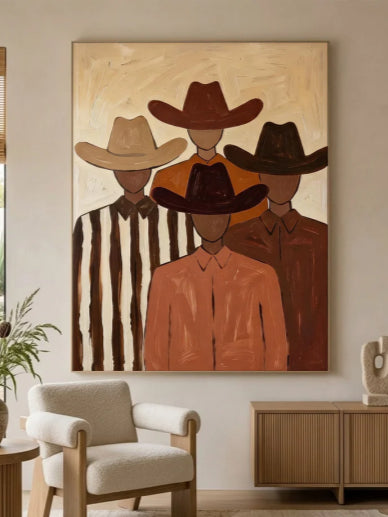
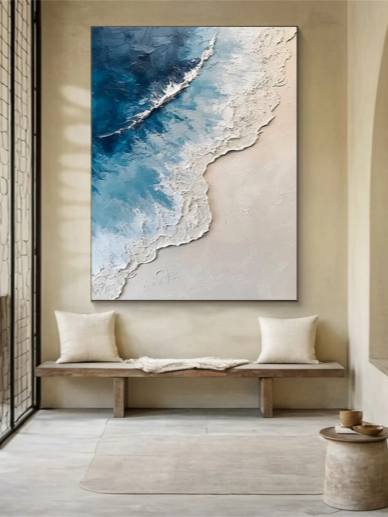
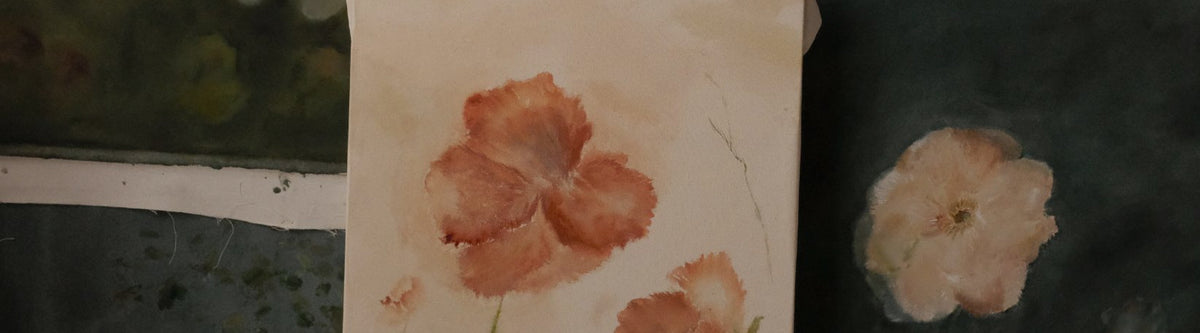


A piece of wall art can look stunning in a product photo but feel quite different when it arrives. The difference often comes down to details that are easy to miss, from print quality and materials to texture, construction, and finishing.
Whether you're buying a canvas print, framed artwork, or handmade wall decor, knowing what to look for can help you choose a piece that is not only beautiful but also well made.
A piece of wall art can look beautiful in a product photo and still feel disappointing once it arrives. The difference often comes down to details such as print quality, materials, texture, construction, and finishing.
Whether you're buying a canvas print, framed artwork, or handmade wall decor, a few simple checks can help you understand whether a piece is actually well made.
How to Tell If Wall Art Is High Quality
Check the Image Quality
For printed wall art, start with the image itself. A high-quality print should look sharp and detailed, without obvious pixelation, blurry edges, or digital artifacts.
This becomes especially important for large artwork. An image that looks fine on a phone screen may look noticeably blurry when enlarged.
When shopping online, look for close-up photos that show the actual print rather than relying only on room mockups.

Look at Color Accuracy
Color can make a big difference in how artwork looks in person.
A good print should have clean colors, smooth gradients, and enough detail in both light and dark areas. Overly saturated colors or muddy shadows can make artwork look less refined.
For higher-quality prints, check whether the seller provides information about the inks and printing process. Pigment inks and archival materials are often used for fine-art printing.
Check the Material
The artwork's material affects both its appearance and durability.
For paper prints, look at the paper type, weight, texture, and finish. Terms such as acid-free, archival, and cotton rag can provide useful information.
For canvas artwork, check the canvas material, surface texture, and overall construction.
There is no single material that automatically means better quality. The key is whether the material is appropriate for the artwork and properly made.

Examine the Canvas Construction
If you're buying canvas wall art, don't only look at the front.
A well-made canvas should be evenly stretched without obvious sagging, waves, or dents. The stretcher bars should feel sturdy, and the canvas should be securely attached.
If product photos show the back, check the corners, staples or attachments, and hanging hardware. These small details can reveal a lot about the overall construction.
Pay Attention to the Frame
The frame is part of the artwork's overall quality.
Check whether the corners are clean, the finish is even, and the frame feels suitable for the size of the artwork. For framed prints, also look at how securely the artwork is mounted.
A simple frame can look excellent when it is well made. You don't necessarily need an expensive or elaborate frame.

Understand Terms Like “Giclée” and “Archival”
Terms such as giclée, archival, and museum quality are common in higher-end wall art, but they should not be treated as guarantees of quality.
Look for specific information instead, such as:
- Archival pigment inks
- Acid-free paper
- Cotton rag paper
- Fade-resistant canvas
- UV-protective glazing
Specific material and production details are more useful than vague claims like “premium quality.”
Look at the Surface Texture
Texture is particularly important for canvas and textured wall art.
A canvas should have a consistent surface without looking overly glossy or plasticky. For textured or handmade artwork, the texture should look intentional and work naturally with the design.
When buying online, close-up images can help you understand the surface much better than a standard room photograph.
Consider How the Artwork Was Made
Handmade and mass-produced artwork can both be high quality, but they have different characteristics.
Handmade pieces may show subtle variations in texture, brushwork, or paint application. These variations can be part of their character.
Printed artwork should generally have clean and consistent reproduction.
Before buying, make sure you understand whether the piece is an original, handmade work, or a printed reproduction.

Check the Finishing Details
Small details on the back of the artwork can tell you how carefully it was made.
Look at:
- Hanging hardware
- Frame joints
- Backing material
- Canvas attachment
- Protective backing
You may not see these parts once the artwork is on the wall, but clean and secure finishing usually indicates better overall construction.
Don't Judge Quality by Price Alone
Expensive wall art isn't automatically high quality, and affordable artwork isn't necessarily poorly made.
Instead of looking only at the price, consider what you're paying for: the artwork, materials, printing process, craftsmanship, framing, and finishing.
A reasonably priced print made with good materials can offer excellent quality, while a higher price does not always guarantee better construction.

How to Tell If Wall Art Is High Quality When Shopping Online
Buying artwork online makes it harder to judge quality because you cannot touch or inspect the piece yourself. Before ordering, look for three things.
Check the Product Details
Look for clear information about the material, printing method, frame, dimensions, finishing, and hanging hardware.
The more specific the product description is, the easier it is to understand what you're actually buying.
Look for Close-Up Photos
Try to find images showing:
- Surface texture
- Print detail
- Frame edges
- Canvas corners
- Side profile
- Back construction
These details can reveal quality issues that aren't visible in lifestyle photos.
Read Reviews Carefully
Don't focus only on star ratings. Look for comments about color accuracy, texture, frame quality, packaging, and whether the artwork looks like the product photos.
Reviews that describe the physical product in detail are usually more useful than short comments about delivery alone.
High-Quality Wall Art vs. Cheap Wall Decor
Price alone does not determine the quality of wall art. A better way to compare pieces is to look at the materials, printing, construction, and finishing details.
|
Feature |
High-Quality Wall Art |
Lower-Quality Wall Decor |
|
Image quality |
Sharp details and clean edges |
Blurry or pixelated details |
|
Color |
Balanced and consistent |
May look overly bright or muddy |
|
Materials |
Carefully selected paper, canvas, or other materials |
Thin or basic materials |
|
Texture |
Natural and consistent |
May look overly glossy or artificial |
|
Construction |
Secure, neat, and carefully finished |
Loose, uneven, or poorly assembled |
|
Frame |
Clean joints and durable finish |
Rough edges or basic construction |
|
Back |
Neat backing and secure hardware |
Exposed or loosely attached components |
|
Overall appearance |
Feels cohesive and well finished |
May look flat or less refined |
The difference is often easiest to notice when you look beyond the main image. Close-up photos, side views, and customer reviews can reveal details that are difficult to see in a standard product photo.
A lower-priced piece can still be well made, while an expensive piece may not necessarily have better materials or craftsmanship. Instead of judging by price alone, compare what you are actually getting for the money.

What Should You Look for in Wall Art Reviews?
Customer reviews can give you a better idea of what wall art looks and feels like in person, but not every review is equally useful. Instead of looking only at the star rating, pay attention to comments about the actual product.
Color Accuracy
Look for reviews mentioning whether the colors match the product photos. This is especially important for artwork with neutral, pastel, or subtle tones, which can look different on different screens.
Texture and Material
Reviews may tell you whether the canvas, paper, or textured surface feels substantial or looks different from what was shown online.
Size and Proportion
Check whether buyers feel the artwork looks true to the listed dimensions. Customer photos can also help you understand how large the piece looks on an actual wall.
Frame Quality
If the artwork comes framed, look for comments about the frame, corners, finish, and overall sturdiness. A few reviews may also mention whether the artwork arrived properly assembled.
Overall Appearance
Pay attention to reviews that describe how the artwork looks from a normal viewing distance, rather than only close-up details. Customer-uploaded photos can be particularly useful for this.
Packaging and Condition
Wall art can be damaged during shipping, especially large framed pieces. Look for comments about packaging and whether the artwork arrived without dents, scratches, broken glass, or damaged corners.
The most useful reviews usually include specific details or customer photos. A short comment such as “Looks great!” tells you very little, while a review that discusses the color, texture, size, and frame gives you a much clearer

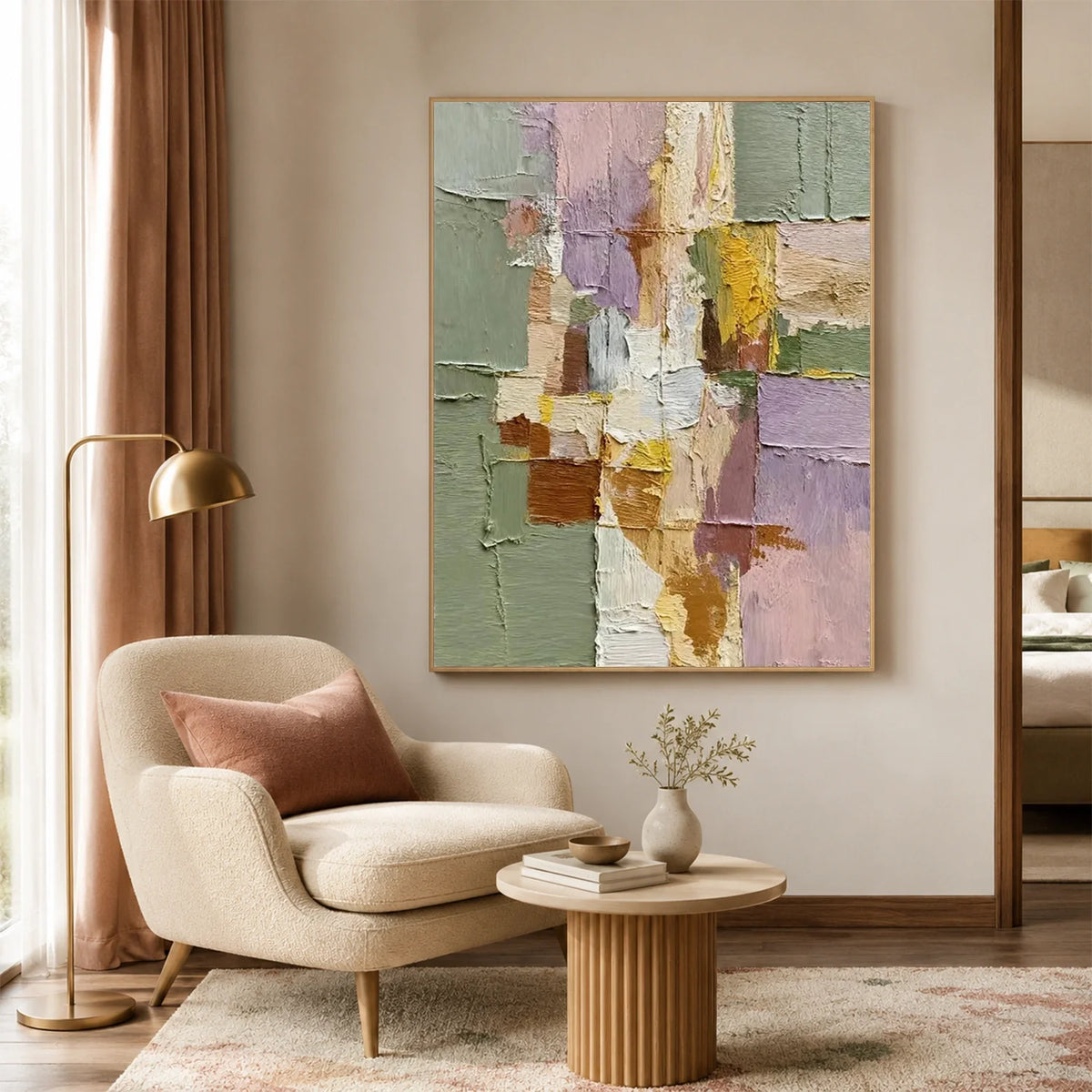
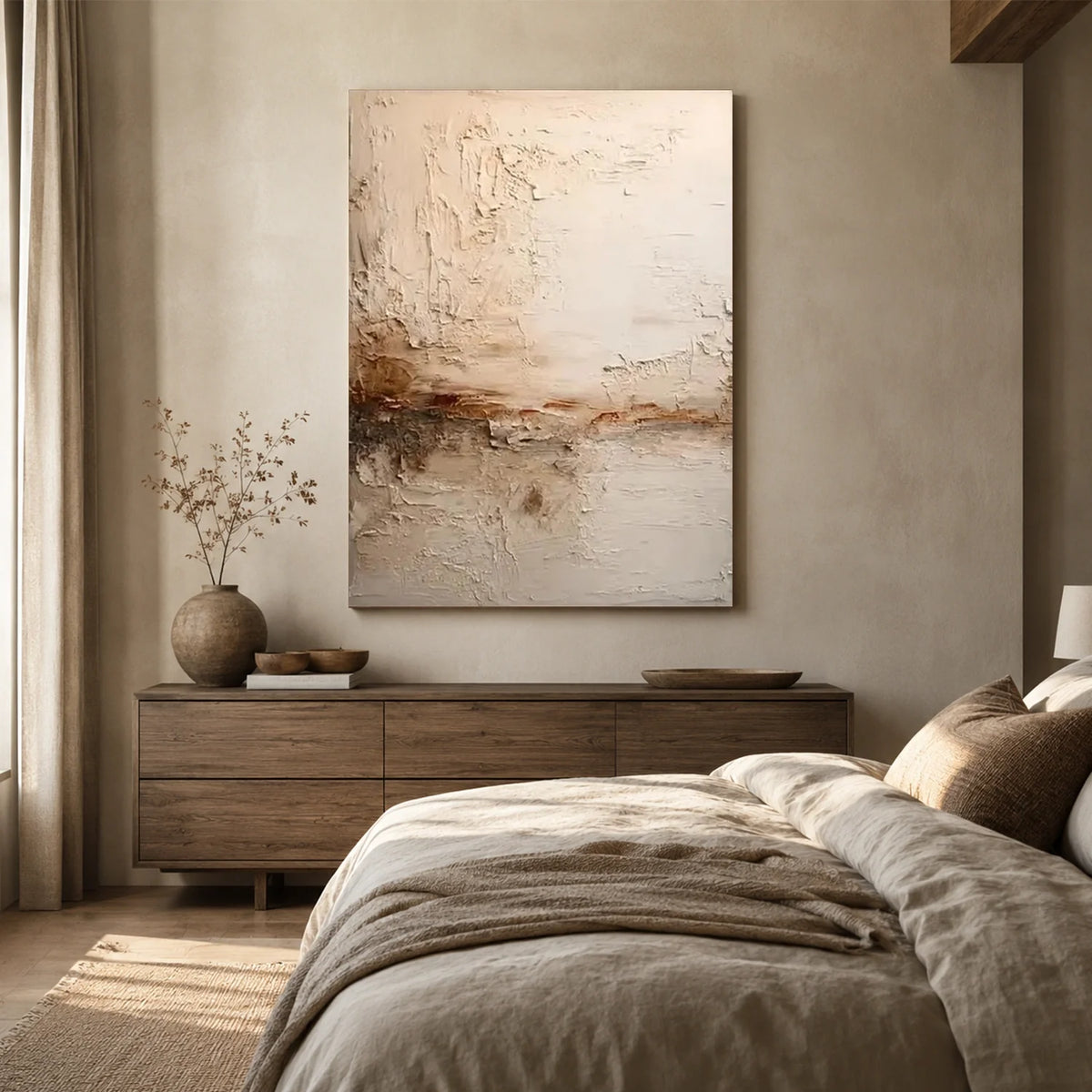
If you prefer wall art with more texture and dimension, handcrafted pieces can be an alternative to traditional flat prints. Eleanos Gallery offers handcrafted textured wall art in abstract and minimalist styles, combining subtle surface details with neutral, versatile color palettes. This type of artwork can add visual interest to a blank wall without relying on an overly busy design.

FAQ
What makes a canvas print high quality?
A high-quality canvas print typically has a sharp image, consistent color, properly stretched canvas, sturdy stretcher bars, and neat finishing.
Is expensive wall art always better quality?
Not necessarily. Price can reflect materials, craftsmanship, framing, or the artist, but it does not automatically guarantee better quality.
What is the best material for high-quality wall art?
There is no single best material. Fine-art paper, canvas, wood, and other materials can all work well when they are appropriate for the artwork and properly made.
Final Thoughts
High-quality wall art is about more than an attractive design. The print or artwork itself, the materials, texture, construction, and finishing all contribute to how a piece looks and feels over time.
When shopping online, take a closer look at the details instead of relying only on the main product photo. Once you know what to check, spotting well-made wall art becomes much easier.





Leave a comment
This site is protected by hCaptcha and the hCaptcha Privacy Policy and Terms of Service apply.