
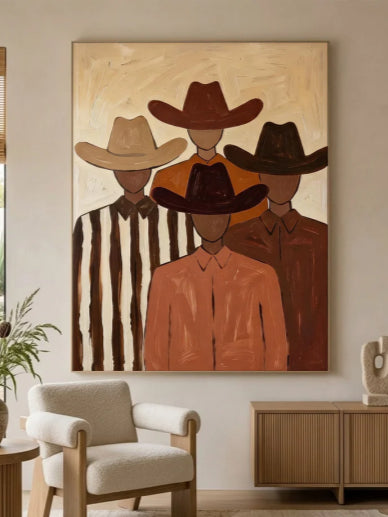
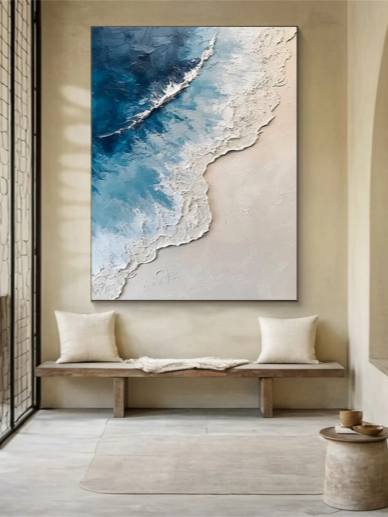


Framing can make a big difference in how artwork looks on your wall. The right frame can highlight the details of a piece, complement your interior style, and give even simple artwork a polished appearance. On the other hand, a frame that is too large, too small, or poorly matched can distract from the art itself.
Whether you're framing a canvas painting, a fine art print, a photograph, or a piece of textured wall art, a few simple guidelines can help you get the look right. This guide covers how to choose a frame, measure your artwork, and frame it properly.
Understand the Different Types of Frames
Before buying a frame, consider the type of artwork you're working with. Prints, photographs, and canvas paintings may require different framing methods.
Standard Frames
Standard frames typically consist of a frame, a backing board, and a front cover made of glass or acrylic. They are commonly used for paper prints, posters, photographs, and illustrations.
Glass offers a clear viewing surface, while acrylic is lighter and less likely to shatter. Both can work well, but UV-protective glazing is worth considering for artwork that may be exposed to sunlight.
Frames With Mats
A mat is a border of paperboard placed between the artwork and the frame. It creates visual space around the image and can make a small piece feel more substantial.
A white or off-white mat is a versatile option for many types of artwork. A colored mat can also work, but it should complement the artwork without drawing too much attention away from it.
Mats are especially useful for photographs, drawings, and prints on paper. They also help keep the artwork from touching the glazing.
Canvas Frames
Canvas paintings and prints stretched over wooden bars can be displayed in several ways.
- Gallery-wrapped canvas: The canvas extends around the sides of the stretcher bars, allowing it to be displayed without an additional frame.
- Floating frame: A small gap separates the canvas from the surrounding frame, creating a subtle floating effect.
- Traditional canvas frame: A conventional frame surrounds the canvas and gives it a more finished appearance.
For thick or heavily textured canvas art, make sure the frame has enough depth to accommodate the artwork without pressing against its surface.

How to Frame Art Like a Professional
Match the Frame to the Art Style
Different types of artwork work well with different frames.
- Minimalist art: Thin black, white, or natural wood frames can keep the look clean and simple.
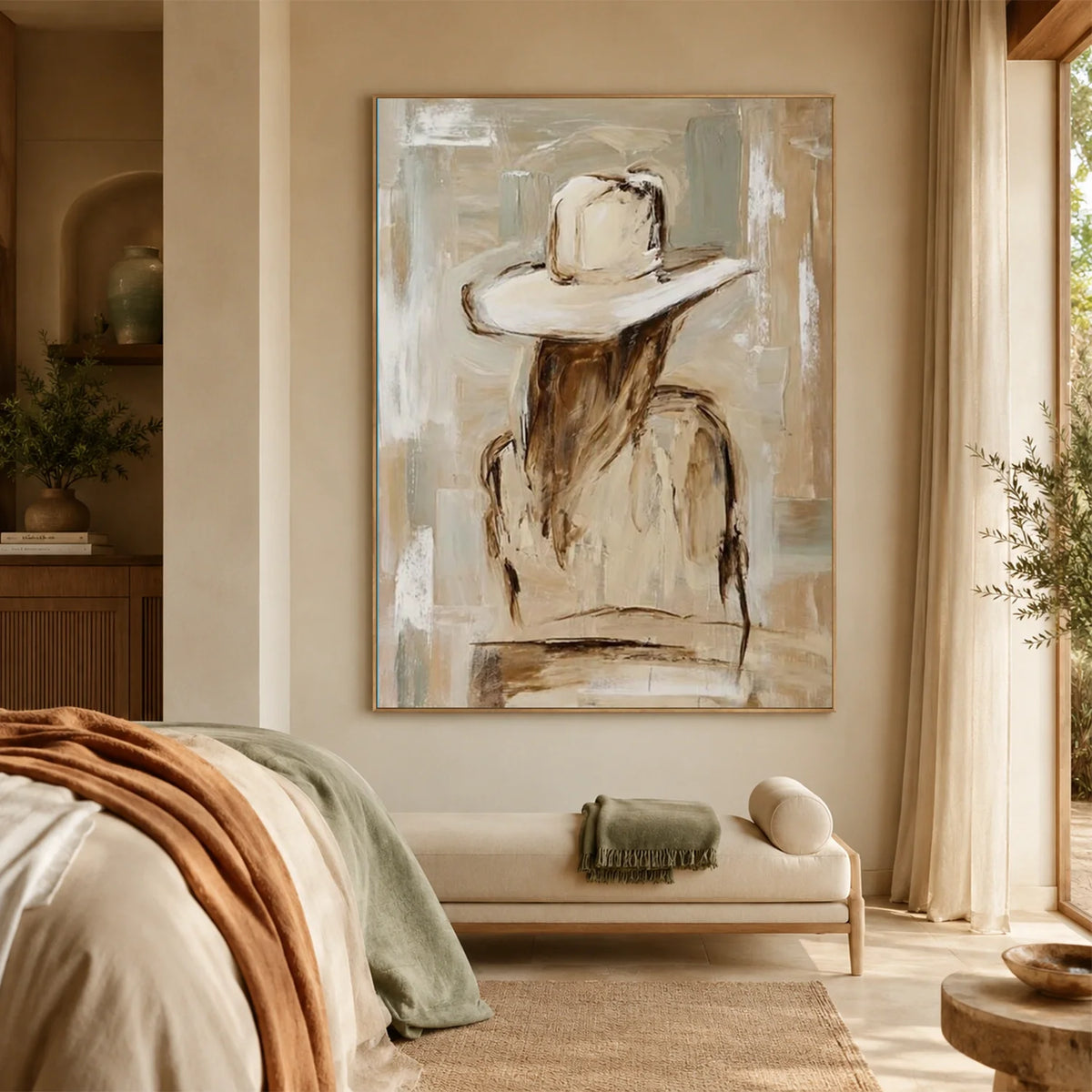
- Abstract art: Black, white, metallic, or wood frames can work well, depending on the colors and mood of the piece.
- Traditional paintings: Ornate gold or dark wood frames can complement classic artwork.
- Photography and line art: Slim black or white frames can create a crisp, modern appearance.
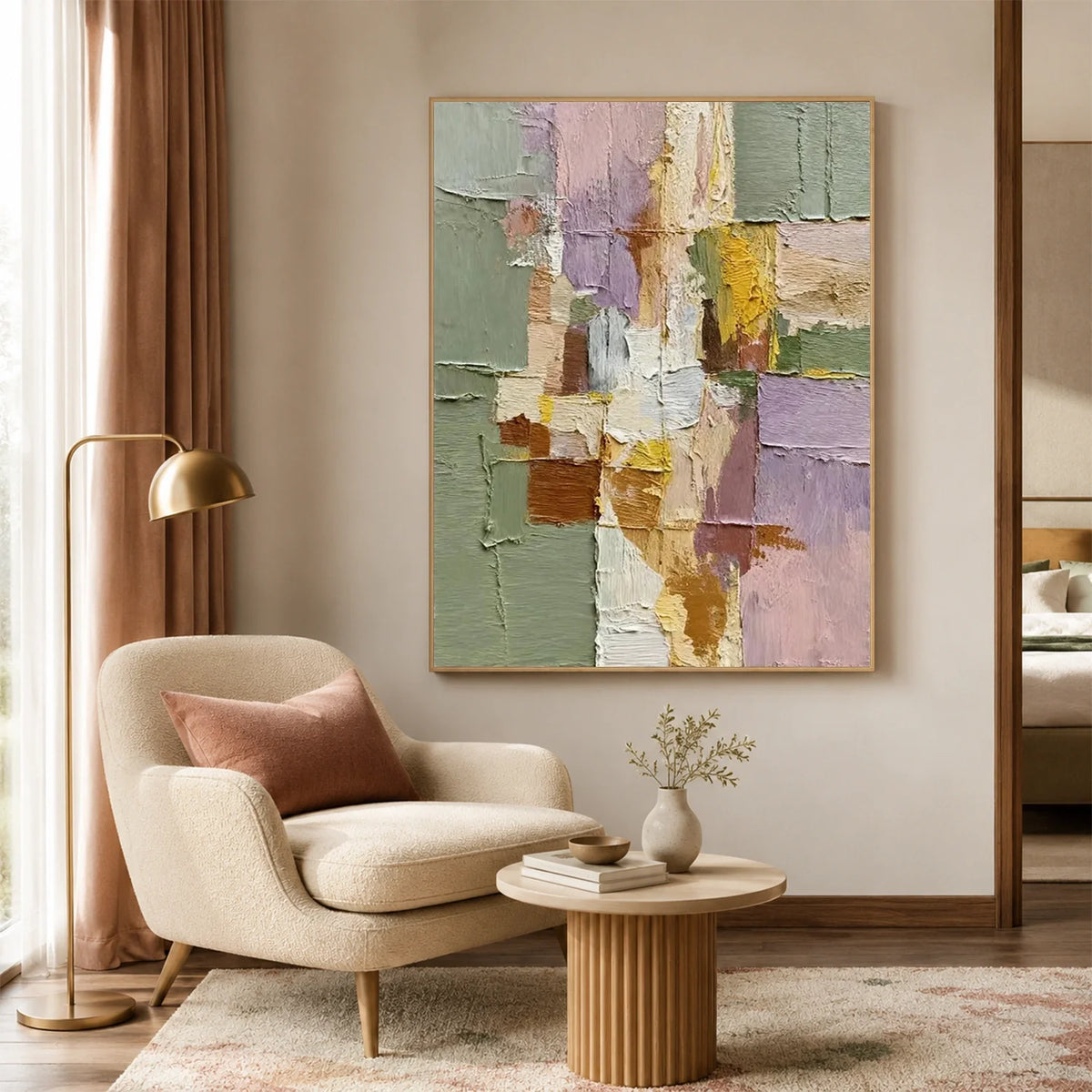
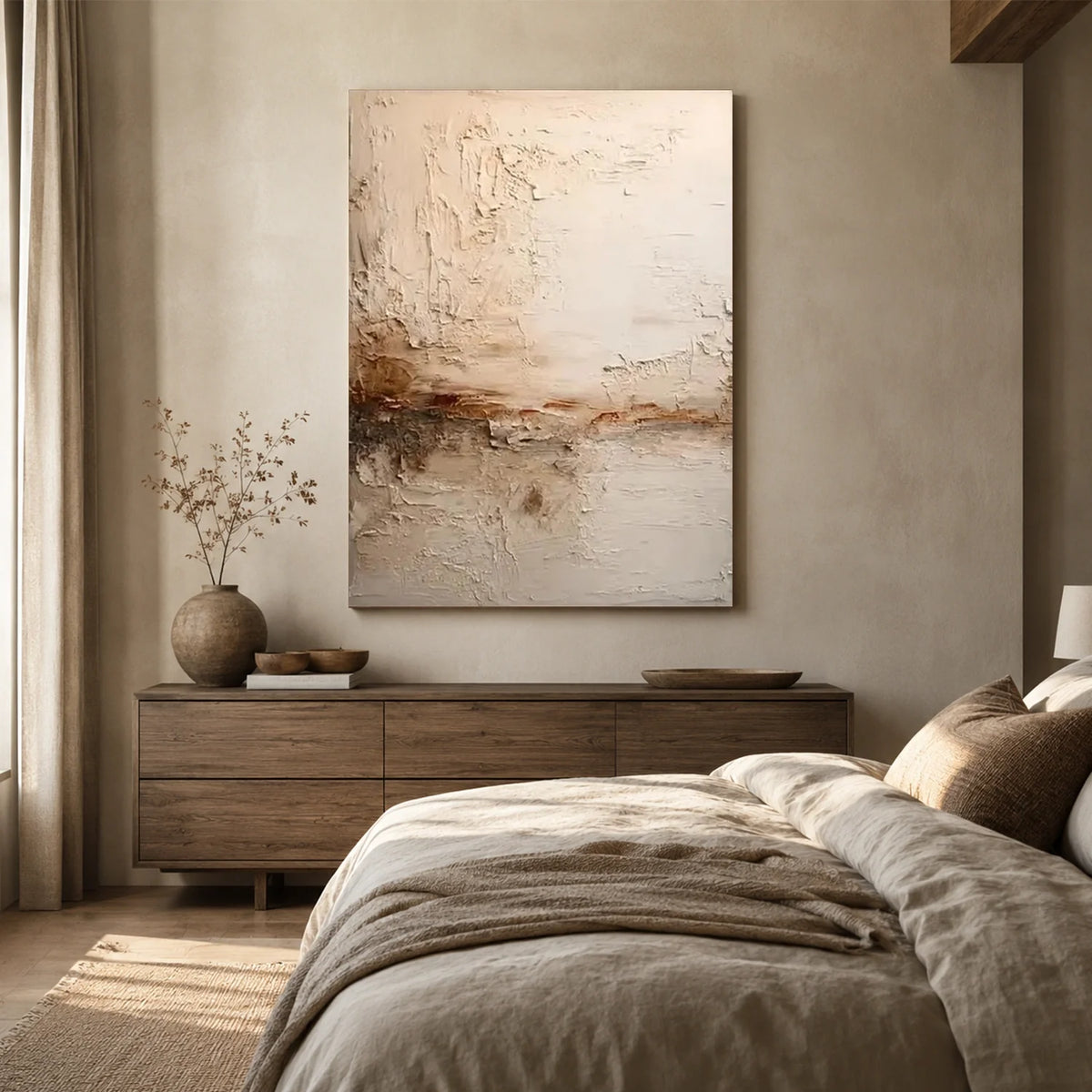
- Textured artwork: Simple frames often work best because they let the artwork's surface and dimensional details stand out.
You don't have to match the frame perfectly to the artwork's style. Sometimes, a simple modern frame can give a traditional painting a fresh look.
Consider the Colors
Frame color can change how your artwork looks and how well it fits your room.
- Black frames: Create contrast and make the artwork stand out. They work well with photography, graphic art, and modern prints.
- White frames: Give the artwork a clean, soft look. They're a good match for light-colored art and neutral interiors
- Natural wood frames: Add warmth and pair well with minimalist, abstract, and nature-inspired art.
- Gold frames: Add an elegant touch and work well with warm colors and traditional decor.
When choosing a frame color, consider the artwork's main colors and the finishes already present in your room. You don't need to match everything exactly. A frame that complements both the artwork and your decor will create a more balanced look.
Measure Your Artwork Before Buying a Frame
Getting the measurements right is essential. A frame that is too small won't fit, while one that is too large may leave unwanted gaps.
Measure the Artwork
Use a tape measure or ruler to record the width and height of the artwork.
For a paper print, measure the actual sheet if you want to display the entire paper. If you plan to use a mat, measure the visible image area as well.
For stretched canvas, measure the outer dimensions, including the canvas depth if you're choosing a frame designed to fit around it.
Check the Frame Size
Frame sizes generally refer to the artwork or image size they are designed to hold, not necessarily the frame's total outside dimensions.
For example, an 8 × 10-inch frame is usually designed to hold an 8 × 10-inch piece of artwork. The finished frame will be larger because of the frame's width.
If you're using a mat, check both the outer frame size and the mat's opening. The opening is often slightly smaller than the artwork to help hold the edges in place.
Decide Whether Your Artwork Needs a Mat
A mat isn't necessary for every piece of art. Whether you use one depends on the artwork's size, style, and material.
A mat can be helpful when:
- You want to give a small print more visual presence.
- You want to create breathing room around a detailed image.
- You're framing a photograph, drawing, or paper print.
- You want a more traditional or gallery-style presentation.
Skipping the mat can be a better choice when you're working with bold graphic prints, full-bleed images, or artwork that already fills the available space.
For canvas art, a mat is generally unnecessary. A floating frame or a clean, frameless display can work better.
Protect Your Artwork With the Right Materials
A good frame should not only look attractive but also help protect the artwork from damage.
Choose the Right Glazing
Glass and acrylic are common choices for covering framed artwork.
Glass is scratch-resistant and offers a clear, solid viewing surface. Acrylic is lighter and more shatter-resistant, making it useful for large frames or areas where breakage is a concern.
If the artwork is valuable or will hang in a bright room, consider UV-filtering glazing. Keep in mind that UV protection reduces certain types of light damage but does not prevent all fading.
Use Acid-Free Materials
For artwork on paper, acid-free mats and backing materials can help reduce the risk of discoloration and deterioration over time.
Avoid letting the artwork sit directly against unsuitable backing materials. For valuable or delicate pieces, professional framing can provide better protection and more appropriate mounting options.
Keep Artwork Away From Moisture and Direct Sunlight
Even a well-framed piece can be damaged by poor placement. Avoid hanging artwork in areas with excessive humidity, frequent temperature changes, or direct sunlight.
Bathrooms and kitchens can be particularly challenging because of moisture and heat. If you want to display art in these rooms, choose suitable materials and keep the artwork away from steam, splashes, and direct heat.

How to Frame Art at Home
Framing a standard print can be a straightforward DIY project. Before you begin, make sure your frame fits the artwork and that you have a clean, flat workspace.
Step 1: Clean the frame and glazing.
Remove dust, fingerprints, and smudges from the glass or acrylic. Follow the manufacturer's cleaning instructions, especially for acrylic, which can scratch easily.
Step 2: Prepare the artwork.
Make sure the print is clean, dry, and free of wrinkles. Handle it with clean, dry hands, and avoid touching the printed surface unnecessarily.
Step 3: Add the mat if needed.
Center the artwork within the mat opening. For valuable or delicate pieces, use suitable archival mounting methods rather than ordinary tape or adhesive.
Step 4: Assemble the frame.
Place the glazing, mat, artwork, and backing in the order specified by the frame manufacturer. Make sure everything sits flat without forcing the artwork into place.
Step 5: Secure the backing.
Close the frame's tabs or fasteners and check that the artwork is aligned. Clean the front one more time if necessary.
Step 6: Attach the hanging hardware.
Use suitable hardware for the frame's weight and the type of wall. Check that the hanging wire or brackets are secure before putting the frame on the wall.
If you're framing an original painting, a valuable print, or fragile artwork, consider using a professional framer to avoid accidental damage.

How to Frame Textured or Three-Dimensional Art
Textured art requires a little more attention because its raised surface may extend beyond the depth of a standard frame.
For example, a thick acrylic painting, a handmade plaster artwork, or a three-dimensional wall piece may not fit safely behind glass.
Consider these options:
- Floating frames: These can showcase the edges of a canvas while leaving a small gap between the artwork and the frame.
- Deep frames: These provide additional space for artwork with raised surfaces or substantial depth.
- Frameless displays: Some canvas and panel artworks look best without an outer frame, allowing their texture and shape to remain the focus.
Before choosing a frame, check the artwork's depth and mounting requirements. Avoid pressing glazing against raised paint, plaster, or other textured materials, as this can damage the surface.
If you're buying handmade textured wall art, check whether the piece is designed to be displayed as is or requires additional framing.

You May Also Like:How to Mix and Match Frames for a Gallery Wall Without Looking Messy
Common Art Framing Mistakes to Avoid
Choosing the wrong frame style
An overly decorative frame can distract from simple artwork. Choose a style that complements the piece rather than competing with it.
Ignoring the artwork's depth
Thick canvases and textured art may not fit standard frames. Check the frame's depth before purchasing.
Using the wrong frame size
Measure the artwork carefully and check the frame's opening dimensions to avoid unwanted cropping or gaps.
Using unsuitable adhesives
Ordinary tape and permanent glue can leave marks or damage artwork. Use appropriate mounting materials, especially for valuable prints and photographs.
Overlooking glare and lighting
Reflections from windows and overhead lights can make artwork difficult to see. Consider the lighting and frame placement before hanging.
Exposing artwork to harsh conditions
Direct sunlight, excessive heat, and humidity can cause fading or deterioration. Choose a suitable location to help preserve your artwork.
Paying attention to these details can improve the appearance of framed art and help protect it over time.
Final Thoughts
The best way to frame art is to choose a frame that suits the artwork's style, size, and material. Simple frames work well for many modern pieces, while mats can give paper prints more breathing room. Canvas and textured artwork may need deeper frames or a frameless display.
Start by measuring your artwork, considering how you want it to look, and choosing materials that suit its needs. With the right approach, framing can help your artwork feel like a natural part of your home.
If you'd prefer artwork that's ready to display, Eleanos Gallery offers wall art with framing options to suit your needs. Depending on your selection, your artwork can be framed before shipping, saving you the extra step of finding a suitable frame and assembling it yourself.
FAQs
How do I choose the right frame for my art?
Consider the artwork's style, colors, size, and material. Choose a frame that complements the piece without distracting from it, and make sure the frame is designed for the artwork's dimensions and depth.
Should art be framed with or without glass?
Paper prints, photographs, and drawings are often displayed behind glass or acrylic for protection. Canvas paintings and textured artwork are commonly displayed without glazing, especially when their surfaces are raised.
Should a frame be bigger than the artwork?
The frame's outside dimensions should be larger than the artwork, but its opening should fit the artwork properly. If you use a mat, the outer frame needs to accommodate both the artwork and the mat.
What color frame works best for most artwork?
Black, white, and natural wood are versatile options. The best choice depends on the artwork's colors, style, and the room where it will be displayed.





Leave a comment
This site is protected by hCaptcha and the hCaptcha Privacy Policy and Terms of Service apply.