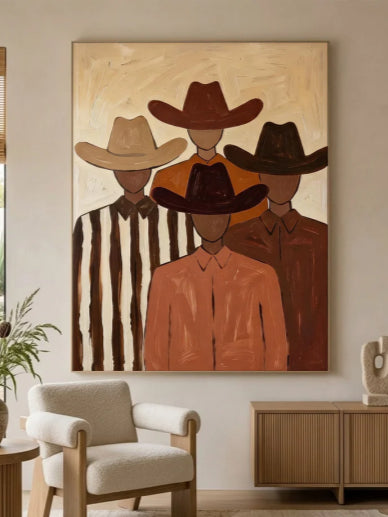
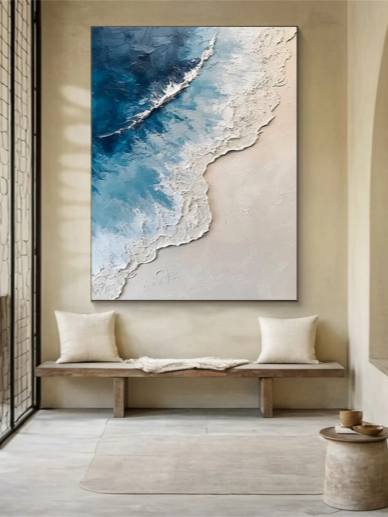


Imagine walking into a room where the artwork doesn't just hang on the wall—it reaches out, catches shadows, and transforms as the light moves throughout the day. This is the magic of wall art in 3D. Unlike flat prints that merely decorate, 3-dimensional pieces create an experience. They add physical depth, tactile interest, and a sculptural presence that turns blank walls into dynamic focal points.
In recent years, interest in dimensional art has surged dramatically. Homeowners and designers alike are discovering that 3d art in wall applications bring something irreplaceable to interior spaces: the ability to engage both sight and touch, creating environments that feel richer, more intentional, and deeply personal. Whether you're drawn to bold geometric patterns or organic, flowing forms, understanding this medium opens up exciting possibilities for your home.
This comprehensive guide explores everything you need to know about 3d artwork—from understanding its fundamental appeal to choosing the perfect piece for your space and even creating your own. We'll examine how 3d art on the wall interacts with light, how different styles complement various design aesthetics, and where to find exceptional pieces that will transform your interior for years to come.

Part 1: What Exactly Is 3D Textured Wall Art?
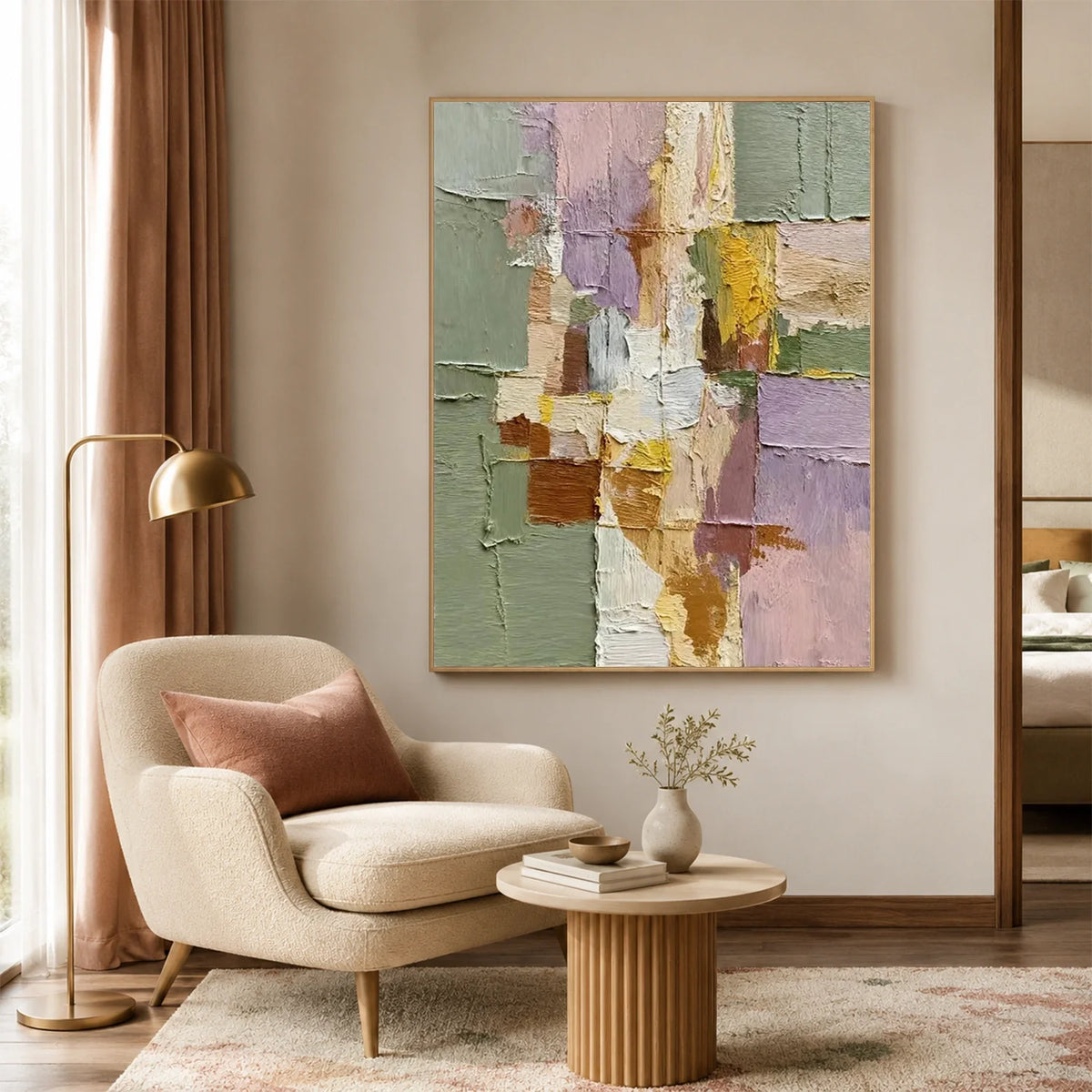
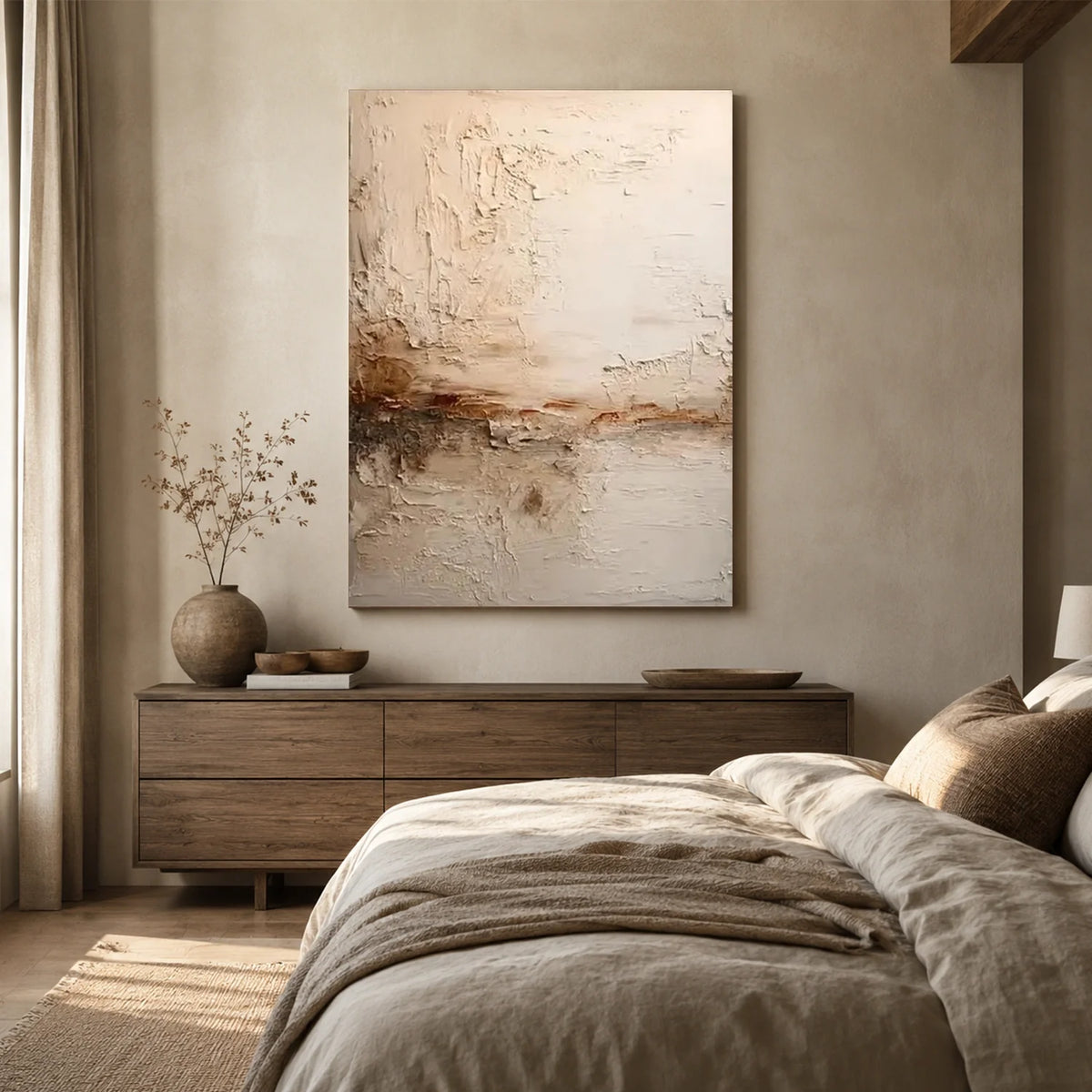
At its most fundamental level, 3d textured wall art is artwork that extends physically from the canvas, creating genuine depth rather than the illusion of it. Unlike a standard painting where the surface is essentially flat, 3d wall canvas art uses materials like modeling paste, plaster, gel mediums, and layered acrylics to build up a surface you can see and feel.
The Difference Between Actual and Implied Texture
Understanding 3d textured wall art requires distinguishing between two concepts:
Actual texture refers to the physical build-up on the surface—the ridges, grooves, and bumps that you could feel if you ran your fingers across the piece. This is the essence of genuine dimensional work. When an artist applies thick layers of paint with a palette knife or builds up modeling paste into peaks and valleys, they're creating actual texture that defines the best 3d artwork.
Implied texture, by contrast, creates the visual illusion of texture on an otherwise smooth surface. A hyperrealistic painting of tree bark might look rough but feel completely flat. While impressive, this lacks the physical presence that makes 3d art in wall pieces so captivating.
Common Materials Used in 3D Wall Canvas Art
Artists working in this medium draw from a rich palette of materials:
- Modeling paste: A thick, white compound that can be shaped, carved, and sanded to create varied surfaces for 3d wall canvas art
- Heavy gel mediums: Transparent or translucent substances that add body to paint while allowing light to pass through
- Plaster: Used for more architectural, textured effects that feel timeless
- Acrylic paints: Applied in thick impasto layers that hold their shape
- Mixed media elements: Sand, fabric, paper, or found objects embedded in the surface for unique 3d textured wall art effects
The pieces you'll find in dedicated collections of modern 3d wall art prioritize actual texture. They're constructed layer by layer, often taking days or weeks to complete as each application must dry before the next can be added. This patient craftsmanship results in works that reward close viewing with endless discoveries.

Part 2: Why 3D Art on the Wall Has Become an Interior Design Essential
The rising popularity of 3d art on the wall isn't accidental. It addresses several fundamental desires in contemporary home design.
Creating Visual Weight and Presence
In interior design, "visual weight" refers to an object's ability to command attention within a space. A piece of 3d artwork inherently carries more visual weight than a flat piece because its shadows and depth create natural contrast against the wall. This is particularly valuable in rooms with minimalist furniture or neutral color schemes, where the artwork becomes the undisputed focal point.
The Dance of Light and Shadow
Perhaps the most magical quality of wall art in 3D is how it transforms throughout the day. Morning light might emphasize one set of ridges, while afternoon sun casts entirely different shadows. Evening spotlights create dramatic, moody effects that flat art simply cannot achieve. This dynamic quality means your 3d art on the wall never looks exactly the same twice.
Tactile Engagement in a Digital World
As our lives become increasingly digital and screen-based, there's a growing hunger for tactile, physical experiences. 3d textured wall art satisfies this craving by offering something you can almost feel even from across the room. The knowledge that texture exists, that the surface has been shaped by human hands, creates a connection that digital reproductions cannot replicate.
Architectural Integration
One of the most exciting developments in recent years is the integration of 3d art in wall designs directly into architectural planning. Some homeowners now commission large-scale modern 3d wall art pieces that function almost like sculptural wall installations, becoming integral to the space rather than merely hung upon it.

Part 3: How to Choose the Perfect 3D Artwork for Your Space
Selecting modern 3d wall art involves more than simply picking something visually appealing. Consider these factors to ensure your choice harmonizes with your home.
Consider Scale and Proportion
Size matters enormously with dimensional art. A piece that's too small will get lost on a large wall, while an oversized piece can overwhelm a compact room. As a general rule, your 3d wall canvas art should cover approximately two-thirds to three-quarters of the available wall space where it will be viewed.
For living rooms, large statement pieces work beautifully above sofas or consoles. For hallways, consider vertical compositions that draw the eye upward and make narrow spaces feel taller. The best 3d artwork for any given space is the one that feels proportionate—neither swimming in empty wall nor crowding the edges.
Match the Style to Your Interior
Different styles of wall art in 3D complement different design aesthetics:
Minimalist and Scandinavian interiors shine with white-on-white textured paintings or subtle, organic forms in neutral tones. These pieces add depth without disrupting the clean, calm aesthetic.
Modern and contemporary spaces can handle bold modern 3d wall art with dramatic geometric compositions and high contrast. These pieces reinforce the architectural feel of modern design.
Bohemian and organic interiors come alive with nature-inspired 3d textured wall art that incorporates natural materials and earth tones. The tactile quality enhances the collected, layered look.
Industrial and loft spaces pair beautifully with 3d art in wall pieces that incorporate metal elements or rough, concrete-like textures that echo the architectural materials.
Color Considerations
While neutral 3d wall canvas art offers timeless sophistication and works in virtually any setting, don't shy away from color. Consider whether you want your 3d artwork to:
- Harmonize with your existing palette by pulling colors already present in your furnishings.
- Contrast dramatically by introducing a bold accent color.
- Provide neutrality through whites, creams, or blacks that ground the space.
White and off-white textured paintings have become particularly popular for their ability to add interest without introducing competing colors—ideal for spaces where you want texture to do the talking.
Quality Indicators for 3D Textured Wall Art
When investing in 3d textured wall art, quality matters enormously. Look for:
- Even application: Texture should feel intentional, not accidental or sloppy.
- Secure construction: Thick applications should be properly cured and stable.
- Substantial materials: Quality modeling pastes and professional acrylics resist cracking and yellowing over time
Finished edges: Canvases should be painted on the sides or properly framed.
Beware of "textured prints"—digital images printed to look textured and then coated with a thin layer of gel. These lack the depth, soul, and permanence of genuinely hand-crafted 3d art on the wall.
Part 4: Lighting Your 3D Wall Canvas Art for Maximum Impact
The relationship between 3d wall canvas art and lighting is inseparable. Proper illumination transforms good pieces into extraordinary ones.
Directional Lighting: The Game-Changer
Unlike flat art that simply needs to be well-lit, wall art in 3D benefits enormously from directional light sources. Track lighting, adjustable picture lights, or strategically placed spotlights create shadows that emphasize depth and texture. The angle matters—light striking from above and slightly to the side typically produces the most dramatic results for 3d artwork.
Natural Light Considerations
If your chosen wall receives direct sunlight at certain times, position your 3d textured wall art to take advantage of it. The changing angle of the sun throughout the day will create an ever-shifting display of shadows and highlights. Just ensure the piece is protected from excessive UV exposure, which can damage some materials over time.
Evening Atmosphere
In the evening, dimmable lighting allows you to adjust the drama level of your 3d art on the wall. Lower light levels can make shadows more pronounced and create a moodier, more intimate atmosphere—perfect for living rooms and bedrooms where modern 3d wall art can truly shine.

Part 5: Where to Place 3D Art Throughout Your Home
Different rooms offer unique opportunities for showcasing 3d art in wall installations.
Living Room: The Statement Wall
The living room is the most common location for significant 3d wall canvas art investments. Position your piece where it naturally draws the eye—above the sofa, opposite the main seating area, or on the largest available wall. Consider how the 3d artwork interacts with your furniture arrangement and whether it will be visible from entry points.
Bedroom: Personal Sanctuary
In bedrooms, 3d textured wall art creates a sense of refined comfort. Above the headboard is the classic choice, but don't overlook side walls where the piece might be the first thing you see upon waking. Softer textures and calming color palettes work particularly well in sleeping spaces.
Hallway: The Often-Overlooked Opportunity
Hallways are perfect for 3d art on the wall because they're typically narrow spaces where depth and dimension can make a significant impact without overwhelming. Vertical compositions work beautifully here, drawing the eye along the path of travel and making the space feel more intentional
Dining Room: Conversation Catalyst
A striking piece of modern 3d wall art in the dining room becomes a natural conversation starter during meals. Position it where it's visible from all seating positions, and consider how it interacts with candlelight during evening entertaining.
Part 6: Caring for Your 3D Textured Wall Art
Proper maintenance ensures your 3d textured wall art remains beautiful for generations.
Regular Dusting
Dust naturally settles into textured surfaces. Use a soft, dry paintbrush, a feather duster, or a hairdryer on a cool, low setting to gently remove dust from crevices. Never use water or cleaning fluids, which can damage the surface of fine 3d artwork.
Avoiding Damage
Keep 3d wall canvas art out of direct, harsh sunlight to prevent fading. Maintain moderate humidity levels to prevent cracking.
Handle with care during moving or cleaning—the texture is durable but not indestructible.
When transporting, protect the surface with bubble wrap that doesn't press into the texture.
Long-Term Preservation
Quality 3d art in wall pieces created with professional materials should last indefinitely. The flexible modeling pastes used by experienced artists are designed to expand and contract with the canvas, preventing the cracking that plagued earlier textured works. This durability means your modern 3d wall art can become a family heirloom, passed down through generations.
Part 7: Curating Your Collection – Where to Find Exceptional 3D Art
While creating your own wall art in 3D is rewarding, there's something special about acquiring pieces from professional artists who have dedicated years to mastering their craft.
What to Expect from Professional Galleries
Quality-focused galleries offer several advantages when you're seeking 3d textured wall art:
- Curated selection: Pieces are vetted for quality and artistic merit
- Artist backgrounds: You learn the story behind each 3d artwork
- Material guarantees: Professional-grade materials ensure longevity
- Custom options: Many galleries can accommodate specific size or color requests.
At Eleanos Gallery, the 3D Textured Art collection exemplifies what to look for—pieces that combine artistic vision with technical mastery, created by artists who understand both the aesthetic and structural demands of dimensional work. Their selection of modern 3d wall art spans diverse styles and techniques, making it easy to find something that resonates with your personal taste.
Part 8: The Future of Dimensional Decor
As we look ahead, the popularity of wall art in 3D shows no signs of diminishing. Artists continue to push boundaries, experimenting with new materials and techniques that expand what's possible in dimensional work.
Emerging Trends
- Sustainable materials: Eco-friendly modeling pastes and recycled components
- Interactive elements: Pieces that invite touch and engagement
- Integrated lighting: 3d artwork with built-in illumination
- Modular systems: Composable 3d art in wall that can be reconfigured.
These innovations ensure that modern 3d wall art will remain fresh and exciting for years to come, offering homeowners ever more ways to personalize their spaces.
Conclusion
Wall art in 3D represents more than a decorative choice—it's a commitment to experiencing your space in a richer, more textured way. Whether you're drawn to the quiet sophistication of minimalist texture, the bold statements of geometric 3d artwork, or the organic flow of nature-inspired forms, these pieces reward daily viewing with new discoveries. For those ready to bring home a piece of dimensional art, explore the carefully curated selection at Eleanos Gallery's 3D Textured Art collection. Each piece of 3d wall canvas art represents hours of skilled craftsmanship and a unique artistic vision—ready to transform your wall into something extraordinary.





Leave a comment
This site is protected by hCaptcha and the hCaptcha Privacy Policy and Terms of Service apply.