


A kitchen wall can be a great place to add personality, color, and warmth. But because kitchens already have cabinets, appliances, shelves, and cooking essentials, it is easy for wall decor to make the space feel busy.
The key is not to leave every wall empty or fill every available space. Instead, choose a few pieces that complement your kitchen and create a sense of balance.
Here are practical ways to decorate a kitchen wall without making it look cluttered.
How to Decorate a Kitchen Wall Without Making It Look Cluttered?
1. Start With a Clear Focal Point
Before adding decor, decide which part of the wall you want to highlight. A large blank wall may only need one statement piece, while a smaller area can work with a few simple accents. Focusing on one main point keeps the kitchen looking organized rather than overly decorated.

2. Choose One Large Piece of Wall Art
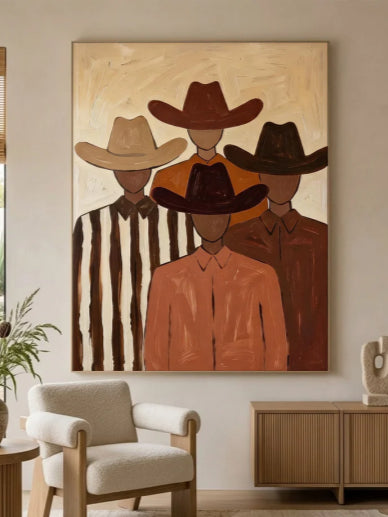
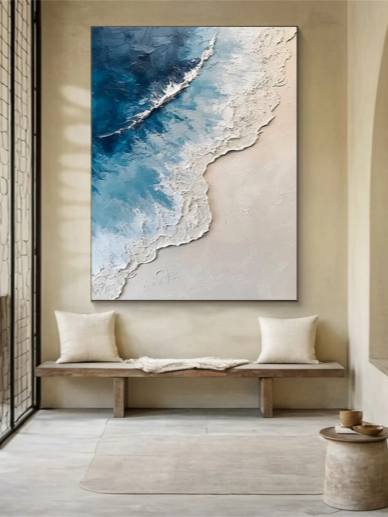
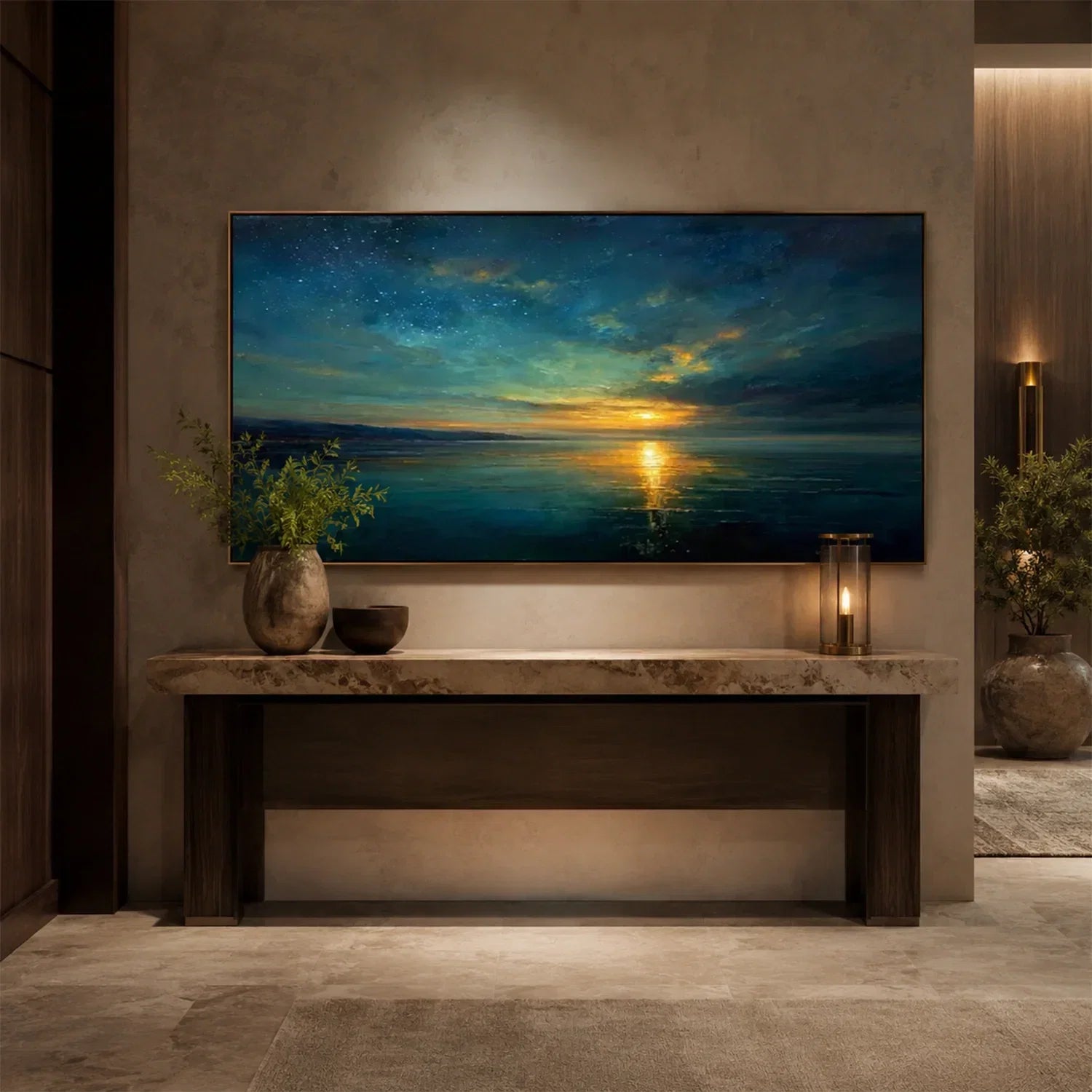
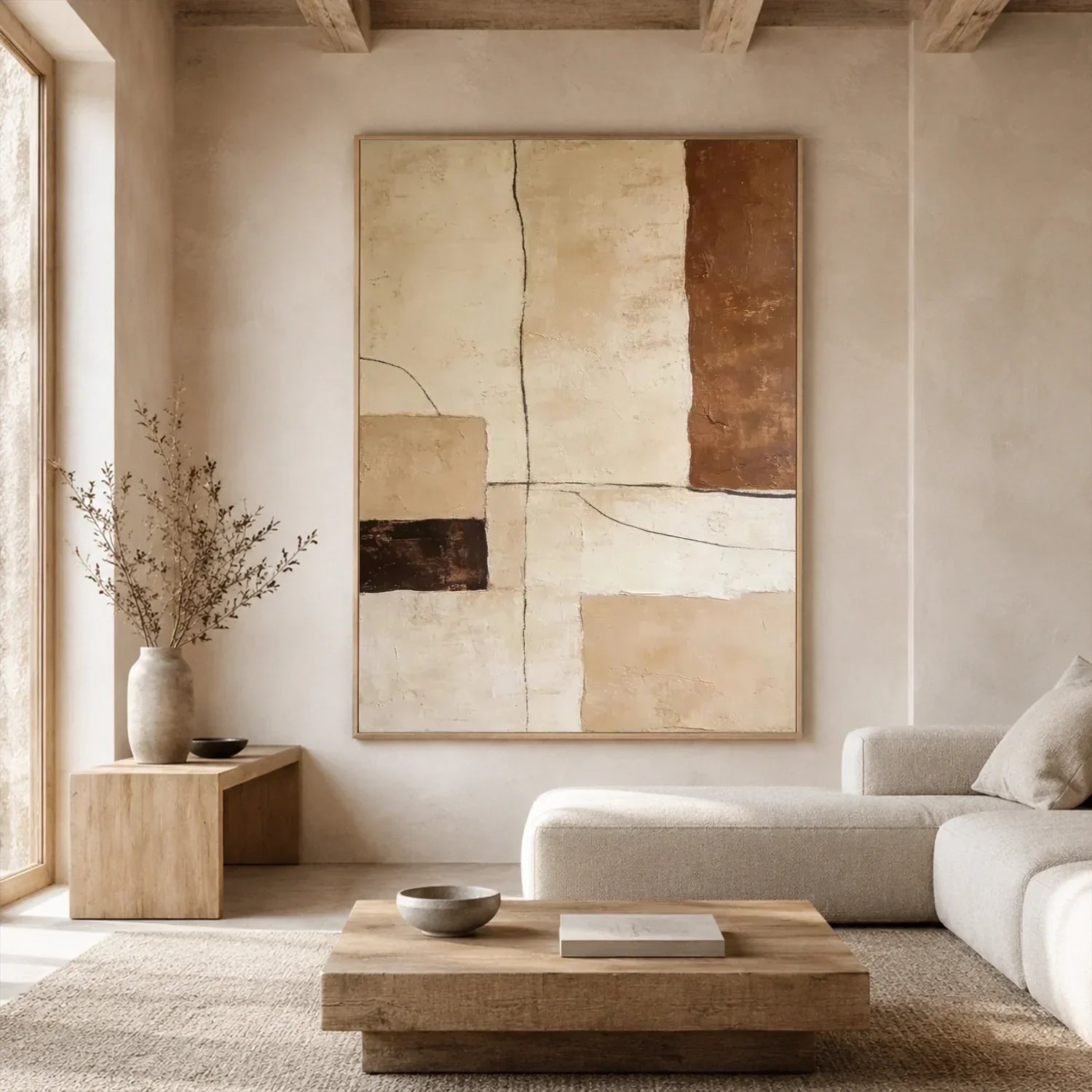
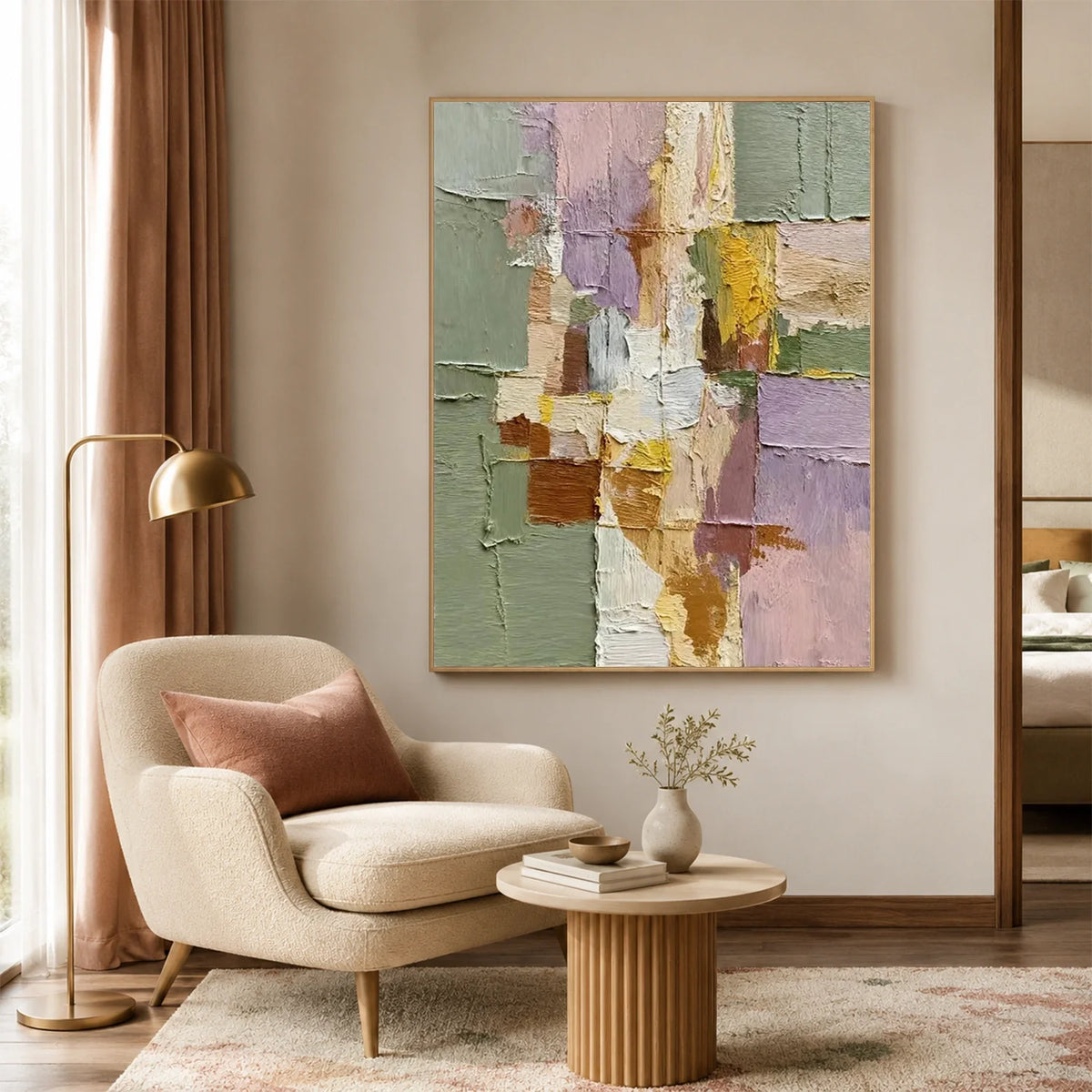
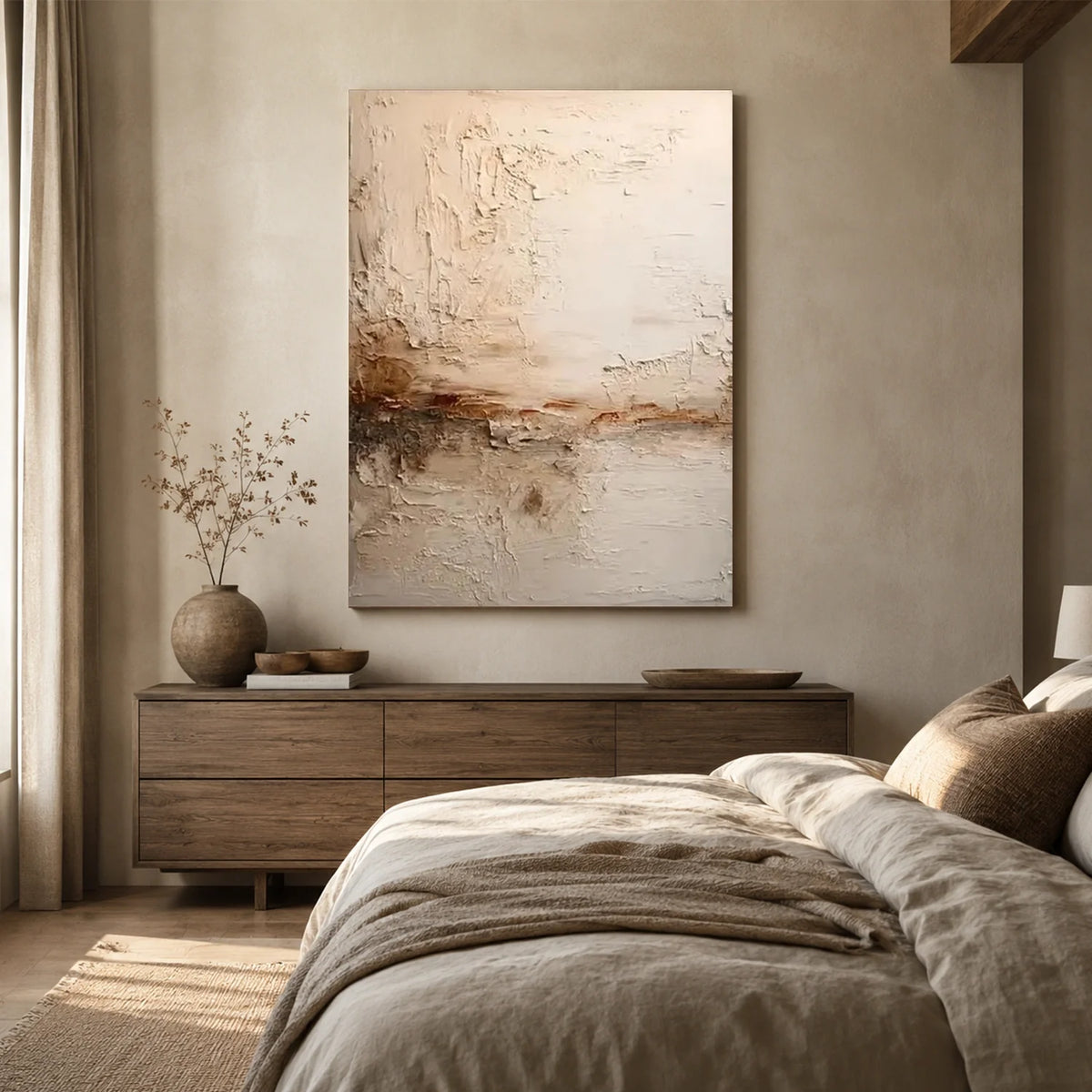
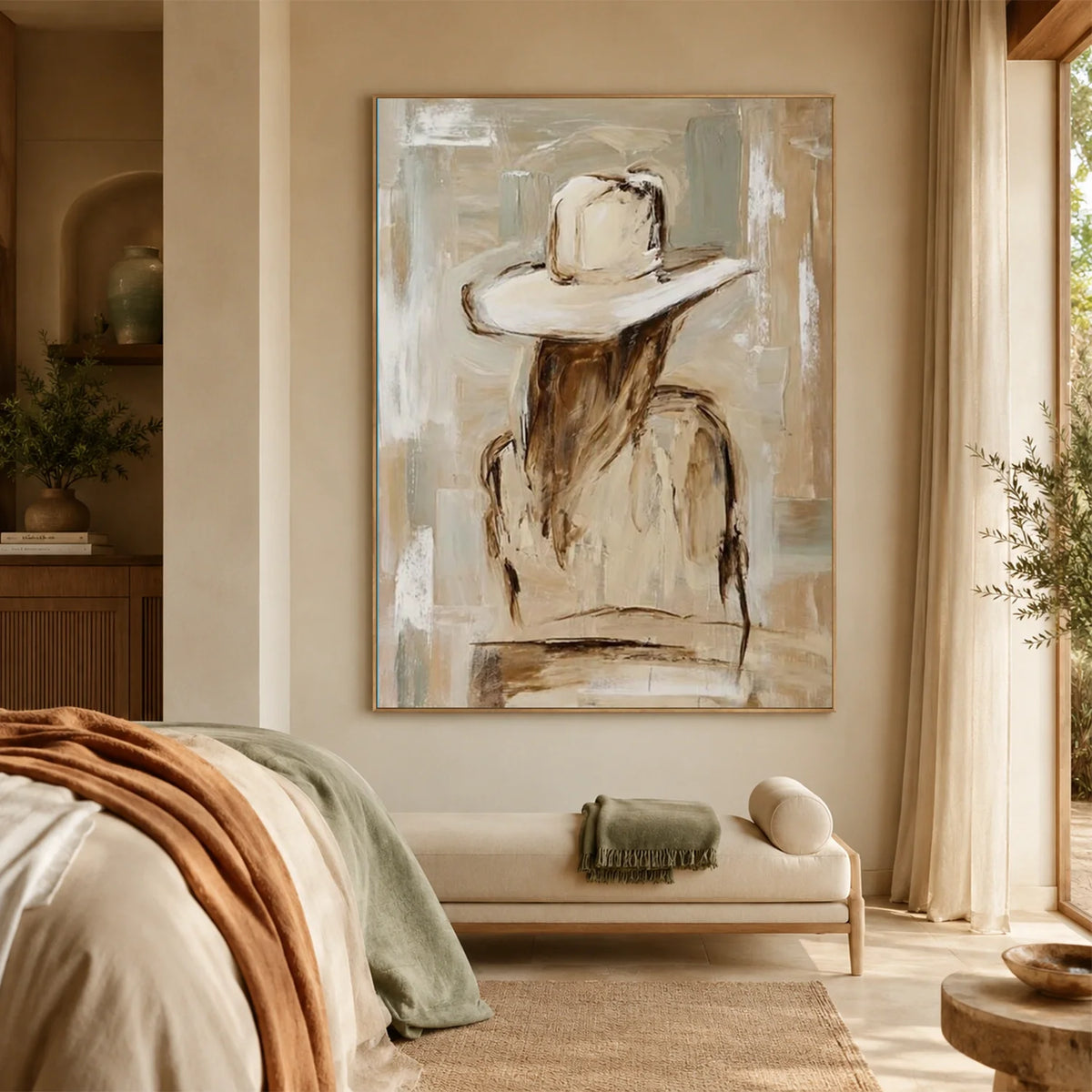
Oversized wall art can be an easy way to fill an empty kitchen wall without creating clutter. An abstract painting, minimalist artwork, or textured canvas can add personality while keeping the space clean. Choose colors that complement your cabinets, countertops, or backsplash rather than competing with them.
If you are looking for wall art for your kitchen, Eleanos Gallery offers handcrafted pieces that can add warmth and character without making the space feel overcrowded.

3. Keep the Color Palette Simple
Too many colors can make kitchen decor feel busy. Try using two or three colors that already appear in the room, then repeat them through artwork, frames, or decorative objects. You can add visual interest with different textures and shapes instead of introducing too many new colors.

4. Use a Gallery Wall Carefully
A gallery wall can bring personality to a blank kitchen wall, but too many pieces may create visual clutter. Keep the arrangement cohesive by using similar frame styles, colors, or spacing. In a smaller kitchen, a simple arrangement of three to five artworks is often enough.

5. Leave Some Empty Wall Space
You do not need to fill every inch of a blank wall. Leaving space around artwork or decorative objects allows each piece to stand out and gives the kitchen a more open, relaxed feel. Negative space can be just as important as the decor itself.

6. Decorate Around Existing Features
Consider the kitchen's existing cabinets, shelves, lighting, backsplash, and appliances before adding wall decor. New pieces should complement these features rather than compete with them. If your open shelves are already filled with dishes and plants, for example, one simple artwork on another wall may be all you need.

7. Try Textured Artwork
Texture is a great way to add depth without filling the wall with multiple decorative objects. Textured paintings can work especially well in modern, minimalist, and warm contemporary kitchens.

8. Use a Narrow Wall for Vertical Decor
Narrow spaces between cabinets, doors, or windows can be difficult to decorate with standard artwork. A tall, slim piece can make better use of these areas while maintaining a clean visual line. Avoid adding too many small objects, which can make a narrow wall feel crowded.

9. Add a Small Amount of Greenery
A little greenery can make a kitchen feel fresher and more welcoming. One or two small plants on a shelf or a simple hanging planter can add natural color without overwhelming the space. If your kitchen already has plenty of plants, let the wall art take the spotlight instead.

10. Use Open Shelves With Restraint
Open shelves can combine storage and decoration, but they can easily become cluttered. Mix everyday kitchen items with a few decorative pieces such as ceramics, artwork, or plants, and leave some space between them. Displaying fewer items can make the entire wall look more intentional.

11. Match the Scale to the Wall
Choose decor that fits the size of the wall. A small artwork can look lost on a large empty wall, while oversized pieces may overwhelm a narrow space. For larger walls, consider one substantial artwork or a balanced gallery wall; for smaller areas, fewer and smaller pieces usually work better.

12. Avoid Mixing Too Many Decor Styles
Too many competing styles can make a kitchen feel disconnected. Instead, choose a general design direction, such as modern, minimalist, rustic, or contemporary, and let most of your wall decor support it. You can still add contrast through texture, shape, or a subtle accent color.

13. Think About Function Before Decoration
Kitchen walls are often exposed to heat, steam, grease, and splashes, so practicality matters. Keep delicate artwork and hard-to-clean decorations away from cooking areas whenever possible. Walls near a dining area or away from the stove are usually better suited for decorative artwork.

How to Make a Kitchen Wall Look Expensive Without Overdecorating
Choose Quality Over Quantity
A well-made piece of artwork can instantly make a kitchen feel more refined. Look for interesting textures, quality frames, and materials that complement the overall style of your kitchen.
Stick to a Refined Color Palette
Neutral and earthy tones often create a sophisticated look without overwhelming the space. Choose artwork and accessories that coordinate with your cabinets, countertops, and backsplash rather than introducing too many contrasting colors.
Pay Attention to Scale
Proper proportions can make a bigger difference than the price of your decor. For a large blank wall, choose artwork that has enough visual weight to fill the space. For a smaller wall, one appropriately sized piece may be all you need.
Embrace Negative Space
Leaving part of the wall empty can actually make your decor look more intentional and expensive. Give each artwork or decorative piece enough surrounding space so it can stand out instead of competing with other elements.
Add Texture Instead of More Decor
If the wall still feels too plain, consider adding visual interest through texture rather than additional objects. Textured artwork, natural materials, and subtle finishes can create depth while keeping the overall design clean.
Ultimately, a sophisticated kitchen wall comes down to simplicity, balance, and thoughtful choices. One beautiful statement piece with the right scale and color can often have a greater impact than a wall filled with decorations.

Common Kitchen Wall Decorating Mistakes
Filling Every Empty Space
A blank wall does not always need decoration. Too many pieces can make even a large kitchen feel crowded.
Using Too Many Small Decorations
Small signs, frames, baskets, and shelves can quickly create visual clutter when grouped together without a clear plan.
Ignoring the Existing Color Scheme
Wall decor should complement your cabinets, countertops, flooring, and backsplash instead of introducing too many unrelated colors.
Choosing Decor That Is Too Small
Small artwork can disappear on a large wall. Consider the overall proportions before buying anything.
Decorating Without a Focal Point
When everything is trying to attract attention, nothing stands out. Choose one main feature and let the surrounding decor play a supporting role.
FAQ
What should I put on a blank kitchen wall?
A large artwork, gallery wall, open shelves, or a few simple decorative accents can work well.
How do I decorate my kitchen without making it look cluttered?
Choose fewer, larger pieces, keep the color palette simple, and leave enough negative space.
Is wall art a good idea for a kitchen?
Yes. Wall art can add personality without taking up valuable counter space.
What kind of art looks good in a kitchen?
Abstract, minimalist, botanical, and textured artwork are all popular choices.
Final Thoughts
The best kitchen wall decor is not necessarily the most decorative. It is the decor that fits the size, style, and function of your kitchen.
Start with one focal point, keep your color palette controlled, choose pieces that are properly scaled, and leave enough negative space around them. Whether you choose a large abstract painting, a small gallery wall, or textured artwork, less can often create a more stylish result.




Leave a comment
This site is protected by hCaptcha and the hCaptcha Privacy Policy and Terms of Service apply.