


Large Wall Art: How to Avoid Costly Mistakes
A vast, empty wall can feel like both an opportunity and an intimidating challenge. Choosing the wrong piece of large wall artwork—whether it’s too small, too overwhelming, or mismatched in style—is a costly error that can disrupt the harmony of your entire room. This guide cuts through the uncertainty. We provide a clear, step-by-step framework used by interior stylists to help you select large artwork that fits perfectly, feels personal, and transforms your space.

Part 1: The Golden Rules – Sizing Your Large Wall Art Perfectly
The most common mistake is choosing a piece that is undersized. Large artwork for the wall must command space, not just occupy it. Follow these professional formulas to get it right:
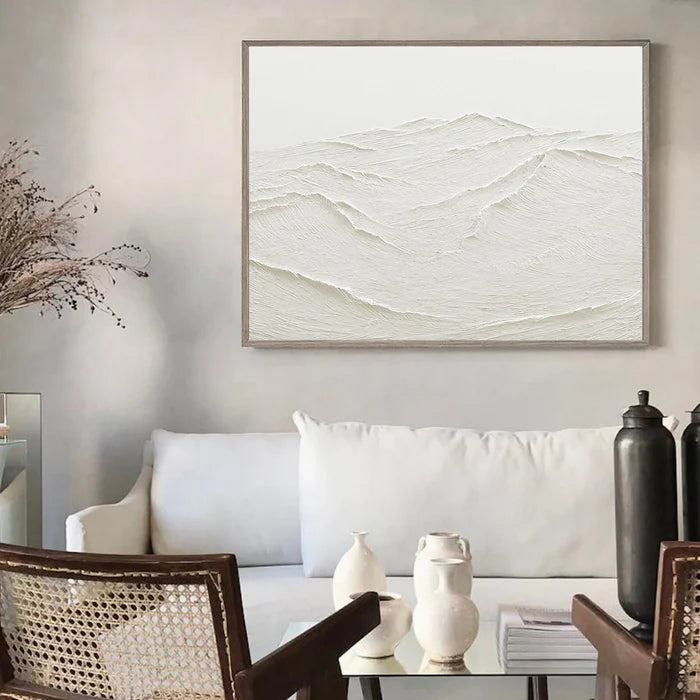
The Furniture Proportionality Rule: For art above a sofa, console, or bed, the artwork’s width should be between 50% to 75% of the furniture’s width. This creates a balanced, anchored look rather than a floating, insignificant one.
The Wall Coverage Rule: Aim for your large canvas artwork to cover 60-75% of the available wall space from which it’s intended to be viewed. This fills the visual field effectively.
The Hanging Height Principle: The center of the artwork should hang approximately 57 to 60 inches (145-152 cm) from the floor. This “gallery standard” aligns with the average human eye level and creates a natural sightline, even for best extra large wall art for living room installations.
The Importance of Negative Space: Always leave more breathing room between the artwork and surrounding furniture than between the art and the ceiling. This grounds the piece within the space.
Part 2: Style & Impact – Choosing Large Artwork That Speaks
Once size is determined, style defines the room’s emotion. Your choice of large artwork for living room walls should initiate a dialogue with the space.
Define Your Visual Language:
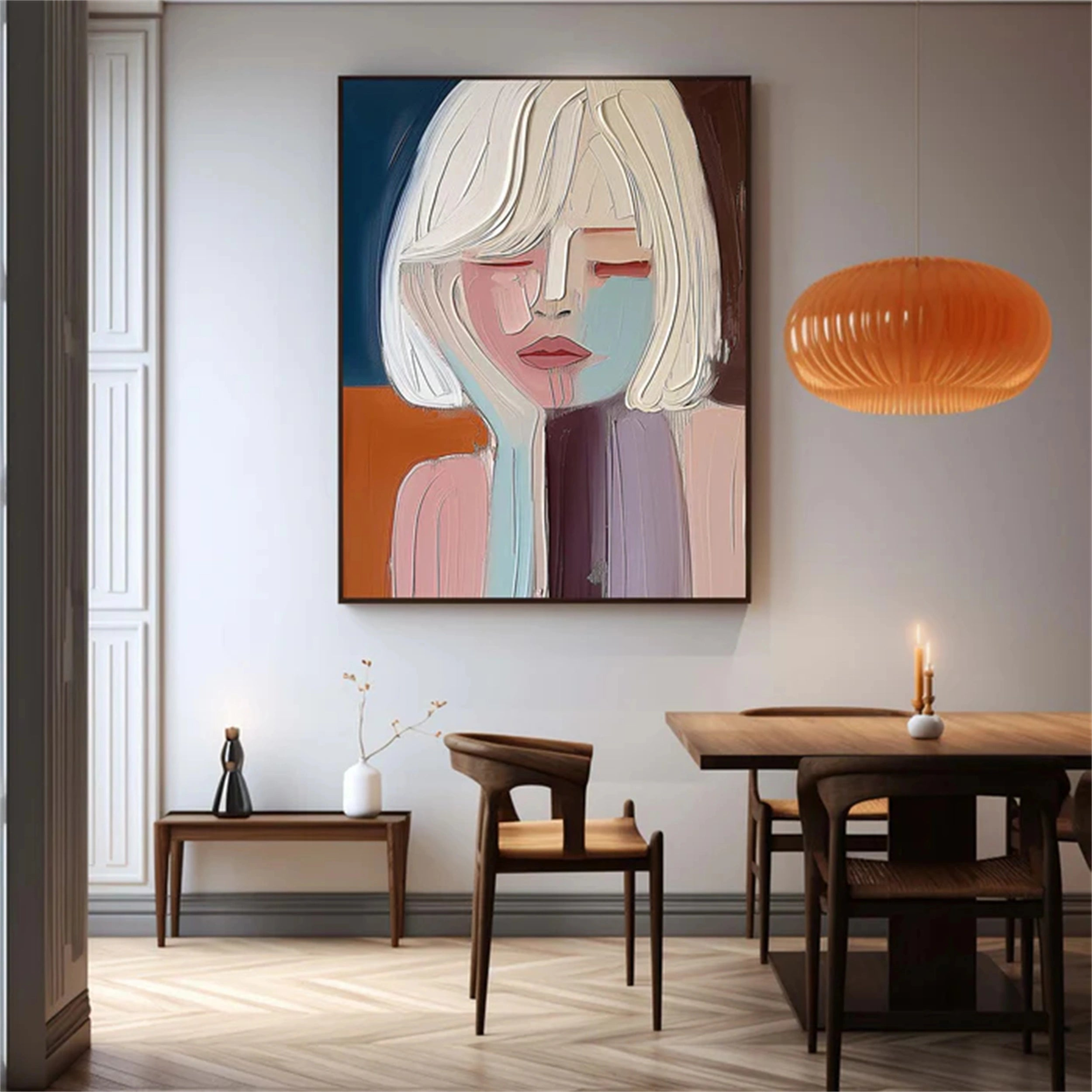
Modern Abstract: Uses color, form, and texture to evoke mood. Ideal for creating a focal point with emotion.
Minimalist & Line Art: Offers calm, sophistication, and a sense of order. Powerful in monochrome.
Photographic & Realist: Brings drama, narrative, or a window to another place. High-impact in black and white.
Botanical & Organic: Introduces serenity and a timeless, natural connection.
The Color Strategy: Decide if your artwork will be the hero (introducing a new, bold color palette for the room to follow) or the harmonizer (pulling tones from your existing décor, like your rug or upholstery).
Single Statement vs. Gallery Grid: A single, massive piece delivers undeniable drama. A curated grid of smaller, related works can offer a more personalized, dynamic energy. For very large walls, a diptych or triptych (multi-panel art) can provide scale with intriguing visual rhythm.

Part 3: Budget Smart – Finding Inexpensive Large Wall Art That Doesn’t Look
It“Inexpensive” should mean value-smart, not cheap-looking. Quality lies in the materials and execution.
Reframe "Inexpensive": Focus on Cost-Per-Impact. A single, well-made large piece is a better investment than several mediocre ones.
Smart Sources for Scale:
Limited Edition Prints: Many artists offer large-scale, signed reproductions on quality paper or canvas at a fraction of an original’s cost.
Emerging Artists: Platforms showcasing new talent often have more accessible pricing for original large canvas artwork.
Digital Archives & Museums: High-resolution downloads from museum collections can be printed locally on a large scale for a custom, cultured look.

Part 4: The Source Code – Where to Buy Large Canvas Art
Understanding the landscape helps you match the source to your needs for quality, uniqueness, and budget.
Mass Retailers & Home Decor Chains: Best for trendy, affordable, and readily available pieces. Consistency is high, but uniqueness is low. Check return policies for large items.
Online Artisan & Artist Marketplaces (e.g., Etsy, Society6): Excellent for discovering independent artists and commissioning custom sizes or colors. Quality can vary, so scrutinize reviews and material descriptions.
Dedicated Online Art Platforms: These sites vet artists and offer a wide range of styles and sizes, often with framing services. They bridge the gap between mass market and gallery.
Professional Galleries – The Curated Advantage: For those prioritizing uniqueness, artistic integrity, and investment quality, galleries are paramount. They offer curated selections, archival materials, and a direct connection to the artist’s practice. Exploring a comprehensive collection, such as the diverse range of large format and statement pieces available at Eleanos Gallery's All Paintings collection , allows you to filter precisely by size, style, and color. This professional curation saves time and ensures the artwork is conceived and executed for maximum impact in a significant space.

Part 5: Pro Checklist – Before You Commit
Use this final list to ensure your decision is sound.
Material Matters: Is it a giclée print on canvas, an original painting, or a poster? The surface texture and ink quality affect perception.
Framing & Finish: A floater frame adds a clean, modern edge to canvas. Framed prints require matting and quality glass. Consider the frame color—does it tie the art to your room?
Hanging Hardware: Large artwork is heavy. Use D-rings and braided wire (for wider weight distribution) and secure into wall studs or with heavy-duty anchors. Do not use sawtooth hangers.
Lighting: A dedicated picture light or adjustable track spotlight can transform your artwork from daytime decor to a nighttime masterpiece.
The Virtual Test: Use photo-editing software or simply tape up butcher paper in the artwork’s exact dimensions on your wall. Live with the “mock-up” for a few days.

Conclusion
Selecting large wall artwork is a powerful act of curation for your personal environment. It’s not merely about decoration, but about declaring what inspires you. By following this framework—measuring methodically, defining your style, sourcing intelligently, and checking the details—you move beyond guesswork to confident choice. Invest in a piece that you will not only fill a space but will also fuel your spirit for years to come.
For room-specific layouts, check this guide:How to Arrange Wall Art in Every Room: A Designer’s Guide to Pro-Level Hanging
Read more

How to Color Abstract Art: A Guide to Confident, Emotional Palettes
Learn how to color abstract art with confidence. This guide simplifies color theory and provides actionable techniques to choose powerful, emotionally resonant color palettes for your paintings or ...
Read more
Salem Town Day Painting: Capturing the Soul of Witch City Through Art
Discover the magic of Salem Town Day painting. Explore how artists capture Witch City's unique blend of autumn celebration and haunting history through color, texture, and memory. Perfect for colle...
Read more