

Have you ever fallen in love with a stunning piece of large abstract canvas art in a gallery, only to be stunned by the price tag? Or felt that your living room lacks a personal, conversational focal point? You're not alone. The rise of modern abstract canvas art in interior design speaks to our desire for spaces that feel both curated and deeply personal. The truth is, you don't need a fine arts degree or a limitless budget to own impactful abstract canvas wall art. Creating your own do it yourself abstract canvas art is an accessible, rewarding journey that fills your space with not just color, but with your unique energy and story. This guide moves beyond basic tutorials to help you build a sustainable creative practice, transforming blank canvases into statement pieces that look anything but amateur.

Finding Your Abstract Voice: Beyond Random Brushstrokes
The most common hurdle in DIY abstract art is the blank canvas intimidation. The key is to start with intention, not random splatters. Your abstract art on canvas should be a reflection, not a replica. Here are frameworks to discover your starting point:
The Emotional Palette: What mood do you want the room to embody? Calm and serene (think soft blues, gentle lavenders, horizontal forms), energetic and vibrant (bold reds, oranges, dynamic gestures), or grounded and organic (earthy tones, raw textures)?
The Architectural Dialogue: Look at your space. What colors are already present in your furniture or rug? Is the room full of sharp, modern lines or soft, curvy shapes? Let your abstract painting canvas art complement or thoughtfully contrast its environment.
The Tool-Dictated Style: Your choice of tool often defines your style. Will you express yourself with the fluid dance of a pour, the textured build-up of a palette knife, the controlled edge of painter's tape, or the soft bloom of a spray?

The Essential, No-Fuss DIY Studio Setup
You don't need a fancy studio. A well-protected floor or table is your canvas. Invest smartly:
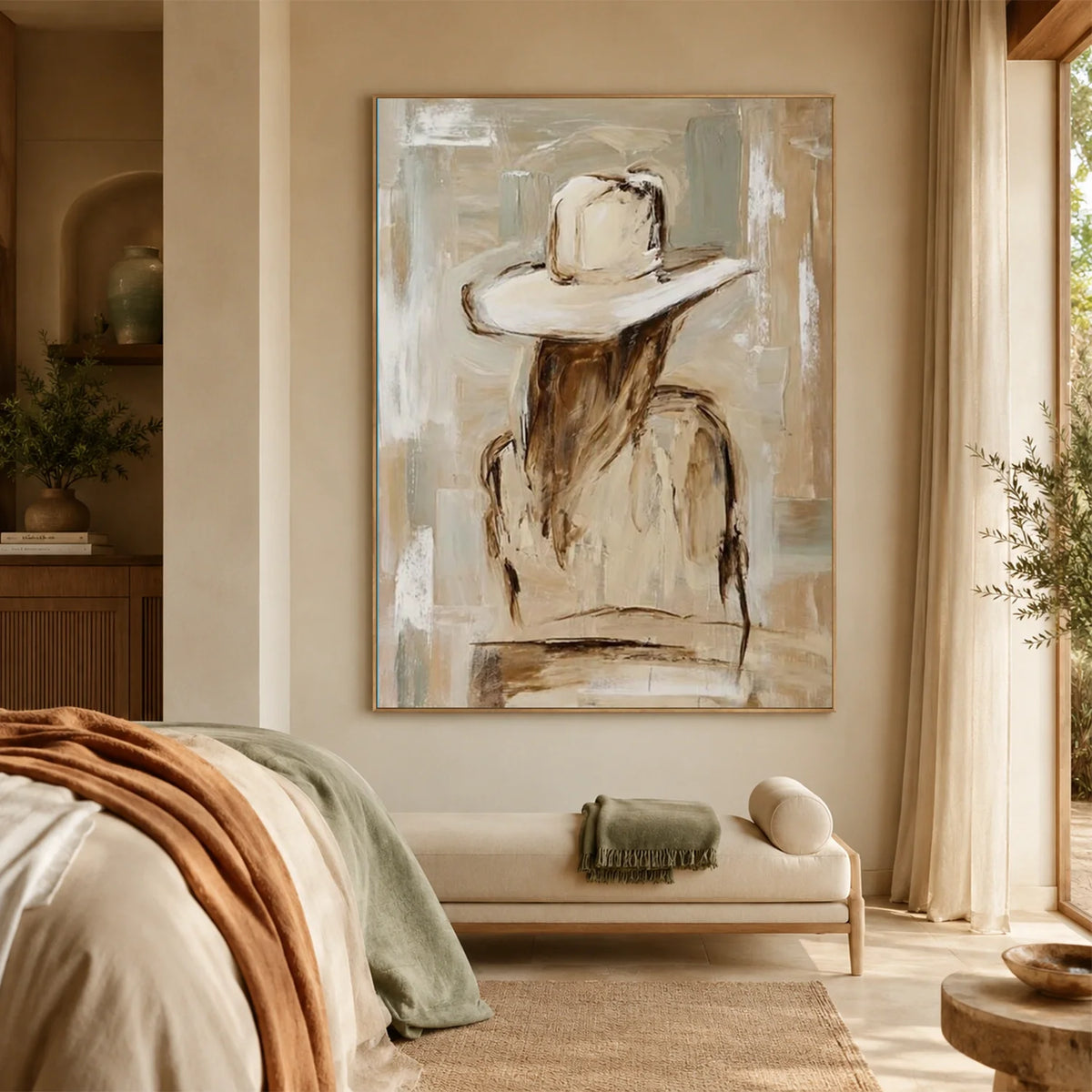
Canvas: For large abstract wall art for the living room, a 36"x48" or larger canvas makes a bold statement. Choose a canvas with a depth of at least 1.5" (deep-edge) so it can be hung without a frame for a contemporary look.
Paints: Affordable, student-grade acrylics are perfect for abstract painting on canvas for beginners. Start with a limited palette: Titanium White, a Black, a Warm and Cool version of a primary color (e.g., Cadmium Red Medium + Alizarin Crimson; Ultramarine Blue + Phthalo Blue), and a Earth tone.
Tools Go Beyond Brushes: Collect palette knives, old credit cards, sea sponges, spray bottles, and silicone tools for creating cells in pours.
Mediums are Magic: Gesso for priming, a gel medium to extend paint and create transparency, and a modeling paste to build incredible texture are game-changers for professional-looking abstract art canvas.

A Deep Dive into Four Signature Styles
1. The Expressive Gestural Abstract
This style is about movement and emotion captured directly on the canvas.
Process: Start with a colored ground. Using large brushes or your hands, make broad, decisive strokes. Work wet-on-wet for blending, or let layers dry for definition. Don't overthink; use your full arm to guide the marks.
Pro Tip: Step back from the canvas every few minutes. Photograph your progress in black-and-white to check the value structure (lights and darks)—this ensures your composition holds power beyond color.

2. The Textural & Layered Abstract
This approach creates a physical, tactile history that begs to be touched.
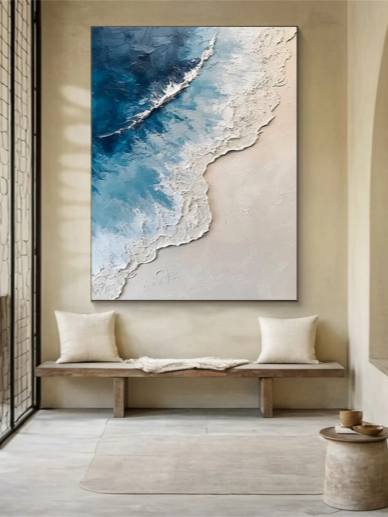
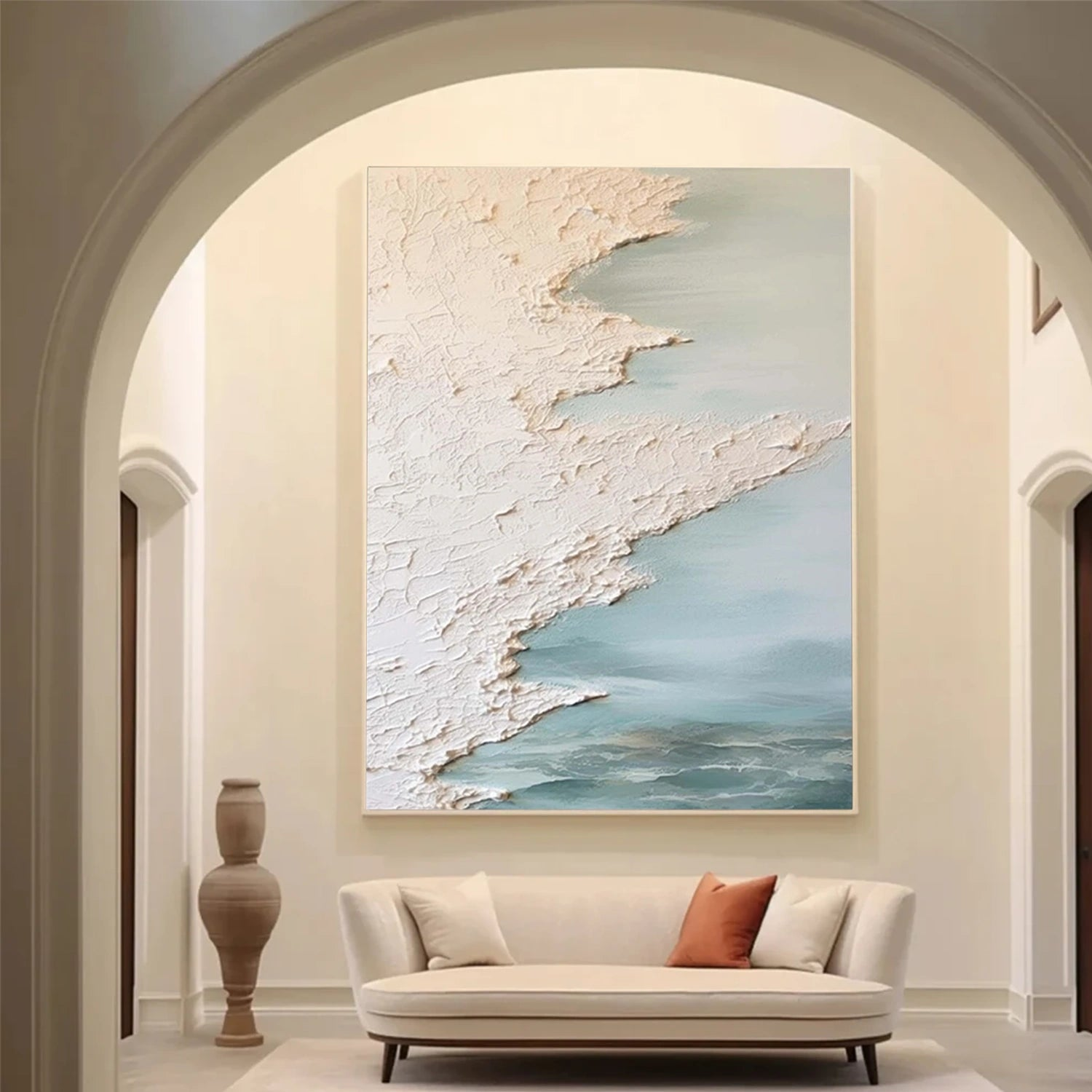
Process: Apply modeling paste or heavy gel with knives or cards to create peaks, ridges, or smooth plains. Let it dry completely. Use techniques like "glazing" (applying thin, transparent layers of diluted paint) over the texture. The paint will settle in the crevices, highlighting the incredible detail.
Pro Tip: Press fabrics, leaves, or other textured items into the wet medium for organic impressions. Sandpaper can be used gently on dried texture to reveal underlying colors.

3. The Modern Geometric Abstract
Clean lines, sharp edges, and bold color fields define this contemporary style.
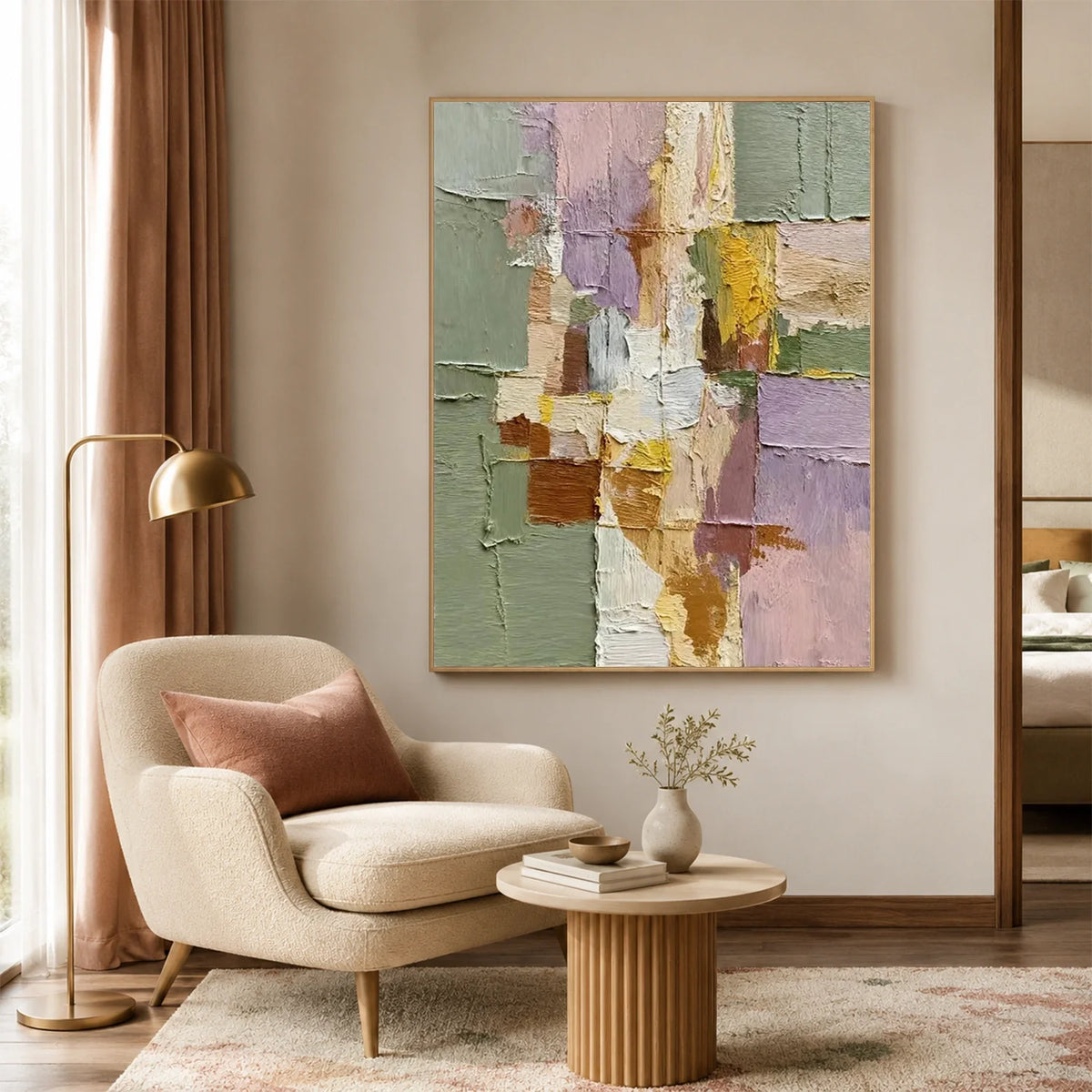
Process: This is where painter's tape is your best friend. Plan your composition with light pencil marks. Apply tape firmly to create crisp lines. Use a small roller or careful brush strokes to paint within the taped sections. The crucial step: remove the tape while the paint is still slightly wet to prevent it from peeling off with the tape.
Pro Tip: For perfect lines, seal the edge of your tape by painting a thin layer of the underlying color over the tape seam first. This seals any gaps before you apply the new color on top.
4. The Fluid & Pour Abstract
Celebrates the unpredictable, beautiful flow of paint and chemistry.
Process: Mix individual cups of acrylic paint with a pouring medium (like Floetrol) to a warm honey consistency. Layer colors in one cup, then pour, flip, or swipe them onto a primed canvas. Tilt the canvas to guide the rivers of color.
Pro Tip: Add a few drops of silicone oil to each color cup to create captivating "cells." Use a torch lightly over the surface to pop bubbles and enhance these cellular formations.
From Studio to Spotlight: Displaying Your Masterpiece
Your work isn't finished until it's on the wall.
Hanging Large Canvases: Use a sturdy picture-hanging hook rated for your canvas's weight. For a clean look, hang it so the center of the artwork is at approximately 57-60 inches from the floor—the average eye level.
Creating a Gallery Wall: Mix your DIY abstract canvas art with other objects. Use two or three canvases of varying sizes in a cohesive color story for major impact. The negative space between pieces is as important as the art itself.
The Finishing Touch: Once completely dry, protect your work with a clear acrylic varnish (matte, satin, or gloss). This evens out the sheen and protects the surface from dust and UV light.
As you develop your eye and hand through practice, you may find a deeper appreciation for the nuances in professional work. Studying how masterful artists balance composition, color theory, and texture can be incredibly inspiring. For those moments when you seek that level of curated excellence, exploring collections from established galleries can provide a masterclass in what's possible. You might find inspiration for your next project by viewing the sophisticated approaches in the Abstract Art collection at Eleanos Gallery.

Your Creative Journey Awaits
Remember, the goal of do it yourself abstract canvas art isn't perfection—it's expression. Your first piece might not be your last, but it holds the unique value of being a beginning. Embrace the happy accidents, learn from every stroke, and build a home filled with art that truly speaks of you.
FAQ
1. I have zero artistic talent. Can I really do this?
Absolutely. Abstract art is less about technical drawing skill and more about decision-making with color, form, and texture. The frameworks and techniques above are designed to guide anyone to a successful result.
2. How do I know when my abstract painting is finished?
This is the most common question. The answer: when adding another element feels like it would detract from, rather than add to, the whole. Often, it's the piece you don't paint that completes the work. When in doubt, walk away and revisit it later with fresh eyes.
3. My color mix turned muddy. What went wrong?
Muddiness occurs when too many colors (especially complements like red/green, blue/orange) mix together. To maintain vibrancy, work with a limited palette and let layers dry before applying new ones nearby. Use a wet brush to blend edges gently, not aggressively mix.
4. What's the best way to create professional-looking texture on a budget?
Common household items are fantastic. Mix fine sand with gesso for a gritty base. Use crumpled plastic wrap or aluminum foil pressed into wet paint. Drywall joint compound is an extremely affordable and excellent alternative to professional modeling paste.
5. How can I create a cohesive series of paintings?
Choose a consistent variable, like a color palette, a set of tools, or a core technique. Then, allow other elements—composition, scale of marks, texture density—to vary from piece to piece. This creates a family of works that are distinct but clearly related.




Leave a comment
This site is protected by hCaptcha and the hCaptcha Privacy Policy and Terms of Service apply.