


Black and White Paintings: The Ultimate Guide to Timeless Art
In a world saturated with color, black and white paintings command attention through restraint. They strip away the distraction of hue to reveal the fundamental elements of art: form, contrast, texture, and emotion. This guide explores why monochrome art remains a cornerstone of interior design and personal expression, providing you with the knowledge to appreciate, create, and choose powerful black and white artworks for your space.

Part 1: Why Black and White Art Captivates
Black and white is not an absence of color, but a focus on essence. By removing the chromatic spectrum, these works amplify contrast, highlight composition, and deepen emotional resonance. They can evoke a range of feelings—from the dramatic tension of a high-contrast abstract to the serene calm of a minimalist graphite study.
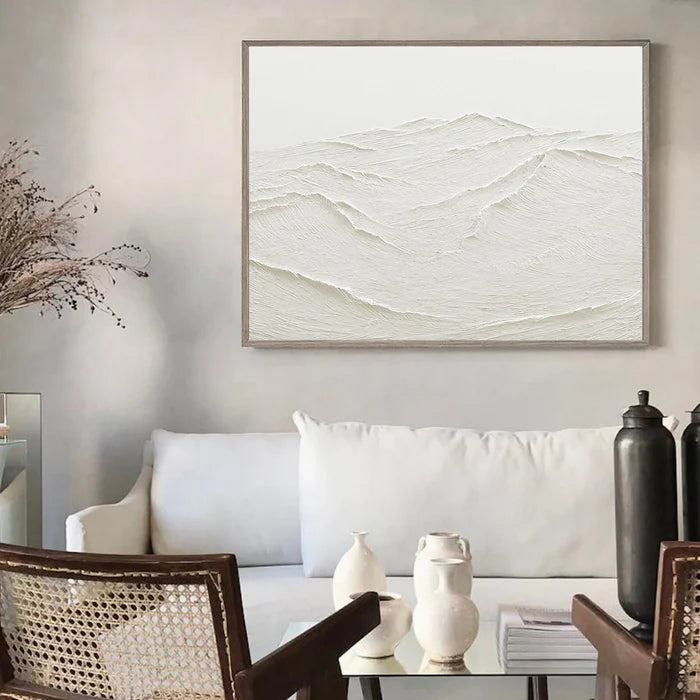
This reduction to basics makes monochrome art incredibly versatile in design. It serves as a sophisticated anchor in a colorful room or creates a cohesive, contemplative atmosphere in a neutral space. For collectors and new enthusiasts alike, platforms that specialize in curating monochrome works, like Eleanos Gallery, are invaluable. They allow you to explore the full spectrum of expression within a limited palette, from the pristine clarity of their White Collection to the profound depth of their Black Collection, demonstrating how masters manipulate tone and texture.

Part 2: Key Black and White Painting Ideas: from Abstract to Realism
The creative possibilities within a monochrome framework are vast. Understanding these categories can help you identify what resonates with you, whether you're browsing for art or seeking inspiration for your own work.
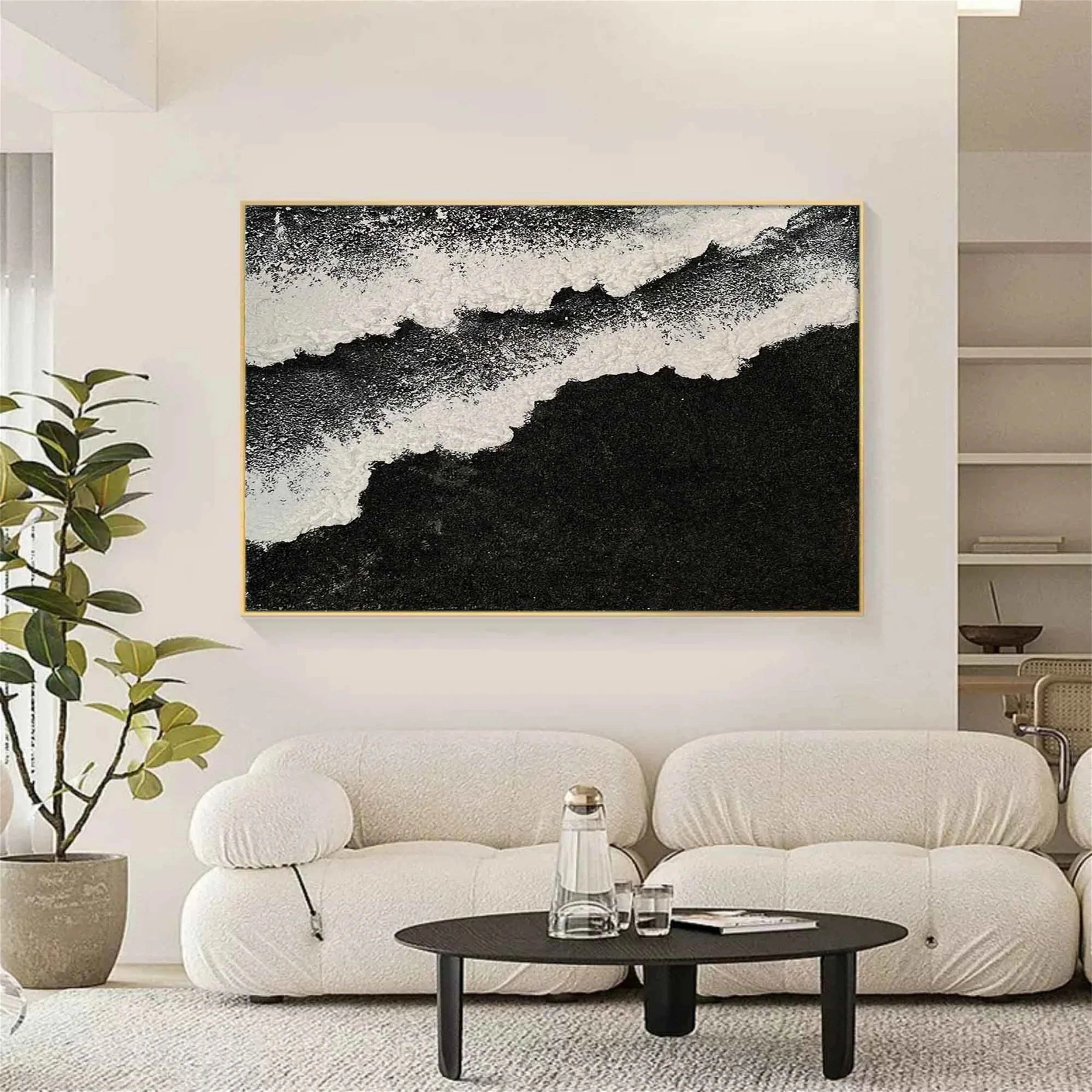
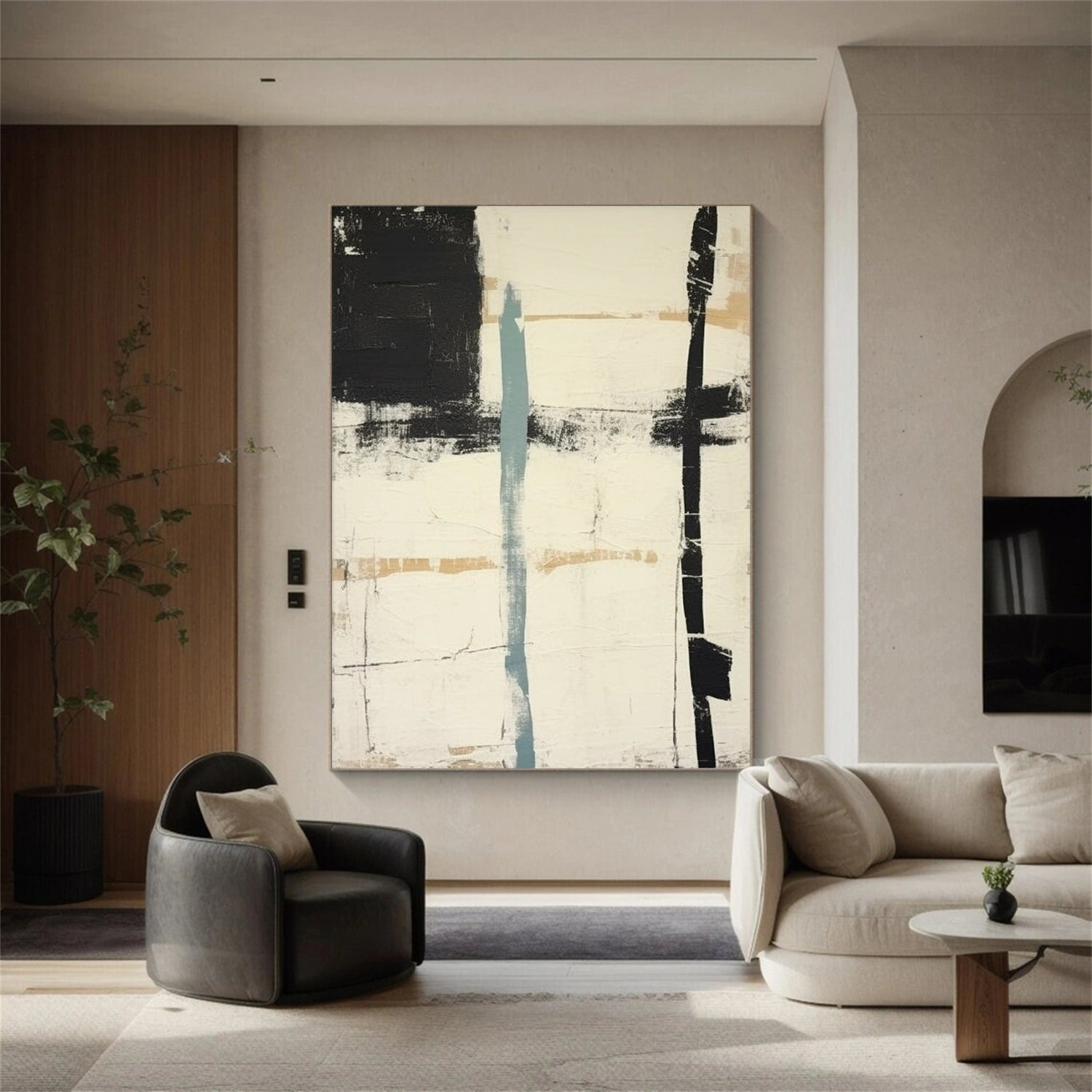
Paintings Black and White Abstract: This is where emotion and energy take center stage. Without representational forms, abstract works use geometric shapes, gestural brushstrokes, and textured fields to communicate. The contrast between black and white can feel elemental, dynamic, or peacefully balanced.
The Mastery of Contrast and Texture: Some works are studies in pure dichotomy—sharp lines, bold shapes, and the interplay of light and shadow. Others explore the vast landscape of grays in between, using tools like palette knives, sponges, or rags to build tactile, complex surfaces that catch the light.
Minimalist Landscapes and Forms: Reduced to their essential lines and values, monochrome landscapes, cityscapes, or figurative works achieve a timeless, graphic quality. They suggest rather than describe, inviting the viewer to complete the scene.
Niche Themes and Subjects: Searches like "white and black paint horse" reveal a desire for striking, graphic interpretations of specific subjects. A monochrome portrait of an animal or object focuses entirely on its form and character, often resulting in a more powerful and iconic image than a colorful version might.

Part 3: A Beginner's Guide to Creating Your Abstract Black and White Painting
Creating your own piece is the deepest way to engage with monochrome art. You need only a few materials to start exploring.
1. Gather Your Essentials:
Surface: A pre-primed canvas or canvas panel.
Paint: Acrylics are ideal for beginners. You only need three tubes: Titanium White, Carbon Black, and a mid-tone Gray. A high-quality black and white will give you cleaner mixes.
Tools: A variety of brushes (flat, round, filbert), a palette knife for mixing and applying texture, and a palette for mixing grays.
Extras: A jar of water, rags, and perhaps a matte medium to create transparent glazes.
2. Master Your Value Scale:
Before painting, create a value scale. Mix your black and white to create at least seven distinct shades of gray, from pure white to pure black. This exercise is crucial for understanding tonal relationships, which are the entire foundation of your painting.
3. Start with Intention and Layer:
Step 1 - The Ground: Apply a mid-gray or textured background to avoid the intimidation of a white canvas. Let it dry.
Step 2 - Establish Composition: Using a light charcoal pencil or a thin wash of gray, loosely block in your major shapes. Think in terms of abstract forms: a large white organic shape here, a strong black vertical line there, a textured gray field in the corner.
Step 3 - Build and React: Begin applying paint thicker. Use your palette knife to add impasto (thick) texture in some areas. Use watered-down paint for transparent, shadowy glazes in others. Constantly step back to assess the balance of light, dark, and mid-tones. The goal is a dynamic composition where the eye moves around the canvas.
Step 4 - Refine and Define: Add your sharpest contrasts and finest details last. A single, decisive black line or a small highlight of pure white can bring the entire piece into focus. Knowing when to stop is key.

Part 4: How to Choose Black and White Paintings
Choosing the right artwork is about creating a dialogue between the piece and its environment.
Assess Your Space: A large, bold abstract black and white painting can act as a stunning focal point in a living room or above a sofa. A series of smaller, minimalist works can create a sophisticated gallery wall in a hallway or office.
Consider the Mood: Determine the energy you want. High-contrast, graphic works feel modern and dynamic. Soft, blended works with many gray tones feel serene and contemplative.
Look for Quality and Authenticity: Notice the texture, the brushwork, the confidence of the marks. Does it have depth? A powerful monochrome piece should feel alive even without color.
Utilize Specialized Collections: For those seeking curated quality, exploring dedicated collections simplifies the search. Galleries like Eleanos Gallery excel at grouping artworks by theme and palette, making it effortless to find pieces that share a cohesive aesthetic. Browsing their White Collection can reveal artworks that bring light and space to a room, while their Black Collection offers pieces that add drama, depth, and a grounding presence. This targeted approach helps you find art that aligns perfectly with your vision.

Conclusion
Black and white art remains timeless because it speaks a fundamental visual language. It challenges the artist to express more with less and offers the viewer a space for personal interpretation. Whether you are inspired to pick up a brush and explore the infinite world of gray or to seek out a statement piece that will define your room for years, the world of monochrome is rich with possibility. Embrace the contrast, appreciate the subtlety, and let the power of black and white transform your space and perspective.
Read more
How to Paint Abstract Canvas Wall Art
Learn how to create stunning DIY abstract canvas art with our complete guide. Follow our step-by-step techniques to make gallery-worthy pieces at home, no experience needed. Start your project today.
Read more
How to Color Abstract Art: A Guide to Confident, Emotional Palettes
Learn how to color abstract art with confidence. This guide simplifies color theory and provides actionable techniques to choose powerful, emotionally resonant color palettes for your paintings or ...
Read more