

Have you ever been captivated by a piece of abstract wall art, feeling an emotion you couldn't quite name, and wondered, "Could I ever create something like that?" You're not alone. The world of abstract art can seem mysterious, even intimidating, to beginners. Questions like "what is abstract art?" or "how to paint abstract art?" often hold people back from picking up a brush. This guide is designed to demystify the process entirely. We will explore the fundamental question of what does abstract mean in art, break down the materials and techniques, and provide you with a clear, step-by-step pathway to create your own first masterpiece. Remember, the journey is as important as the destination. And for continuous inspiration, surrounding yourself with profound works, like those found in the abstract art collection at Eleanos Gallery, can be incredibly motivating.

Part 1: What Is Abstract Art?
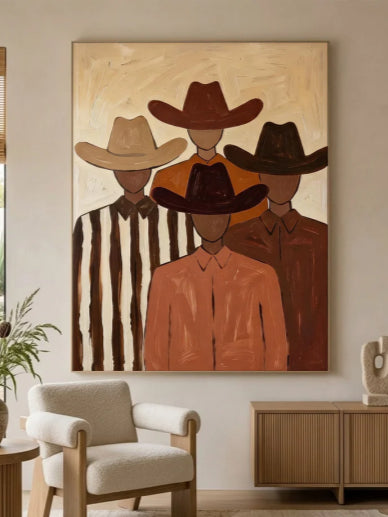
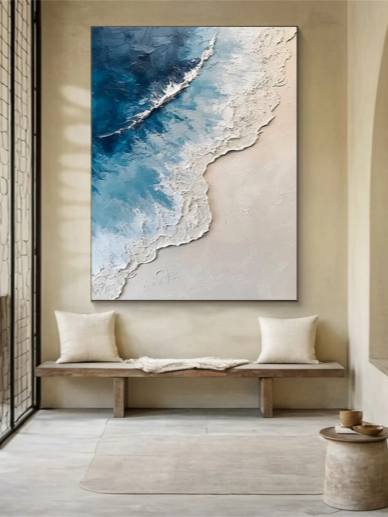
Before we dive into how to make abstract art, let's define our subject. What is an abstract in art, precisely? At its core, abstract art does not attempt to represent an accurate depiction of visual reality. Instead, it uses shapes, colors, forms, and gestural marks to achieve its effect. It communicates through emotion, energy, and concept rather than a recognizable scene or object. Think of it as visual poetry—it conveys feeling and ideas directly through its visual language. Understanding this frees you from the pressure of "making it look like something" and opens the door to pure expression, much like the diverse explorations you can see in professional collections dedicated to abstract art abstract expressions.

Part 2: How to Start Abstract Art Painting?
Starting is often the hardest part. The key is to embrace a mindset of play and experimentation. There are no mistakes, only discoveries. Begin by setting up a dedicated, protected space where you feel free to make a mess. Gather your basic materials (which we'll detail next), but more importantly, gather your intentions. What mood do you want to explore? Calm? Chaos? Joy? Put on music that matches that mood. Let go of expectations. Your first session might not yield a framable piece, but it will break the ice. Look at works from masters or contemporary galleries, such as Eleanos Gallery, not to copy, but to understand the vast possibilities of non-representational expression.

Part 3: What Kind of Paint Is Used for Abstract Art?
The beauty of abstract art is its flexibility in materials. However, some paints are more beginner-friendly than others.
- Acrylics are highly recommended for starters. They are water-soluble, fast-drying, versatile, and forgiving. You can use them thinly like watercolors or thickly like oils.
- Oil Paints offer unparalleled blending capabilities and rich texture but require solvents and have long drying times.
- Watercolors can create beautiful, fluid abstracts but are less controllable and often require specific paper.
For your first foray into how to paint abstract art, a set of acrylic paints, some medium and heavy-body for texture, is your perfect toolkit. They allow you to work quickly, layer without waiting for days, and easily correct or paint over areas.

Part 4: What Is the Rule of Abstract Art Painting?
Here's the liberating secret: there are no fixed rules in abstract art. However, guiding principles of design still apply to create a compelling composition. One powerful concept often discussed is the 80/20 rule. This suggests that a successful painting might have about 80% of one element (e.g., calm, muted colors) balanced by 20% of a contrasting element (e.g., vibrant, energetic marks). This creates visual interest and a focal point. Other principles include balance (symmetrical or asymmetrical), contrast (color, texture, value), and movement. "Rules" are meant to be understood and then intentionally broken or followed to serve your artistic voice.
Part 5: Finding Your Abstract Art's Unique Voice and Style
Your style will emerge through consistent practice. Experiment with different tools: brushes, palette knives, old credit cards, sponges, or even your fingers. Try various techniques: dripping, scraping, stamping, or sgraffito (scratching into wet paint). Ask yourself what marks feel most authentic to you. Do you enjoy bold, geometric lines or soft, organic washes? Study artists you admire, but use their work as a springboard, not a blueprint. Developing a unique voice is the heart of the journey in how to make abstract art. For a daily dose of stylistic inspiration, explore the varied approaches showcased in professional abstract wall art collections.

Part 6: How to Paint Abstract Art: The Step-by-Step Process
Let's translate theory into action. Here is a foundational process for how to paint abstract art:
1. Prepare & Prime: Start with a primed canvas. Apply a base color wash to eliminate the intimidating white void.
2. Establish Background & Layers: This is where you answer a common question: Do you paint the background first or last with acrylic? In abstract painting, you typically build from the background forward. Create layers of color and shape using different tools. Let some layers peek through others.
3. Develop Texture & Marks: Introduce thicker paint and varied tools to add physical texture and dynamic marks. This is where your painting gains character.
4. Compose & Balance: Step back frequently. Use the design principles (like the 80/20 rule) to assess your composition. Add elements to create balance or intentional tension.
5. Refine & Finalize: Add finer details or bold accents to create focal points. The most crucial skill is knowing when to stop. When the painting feels resolved, it is done.
Part 7: The World of Abstract Wall Art: From Creation to Curation
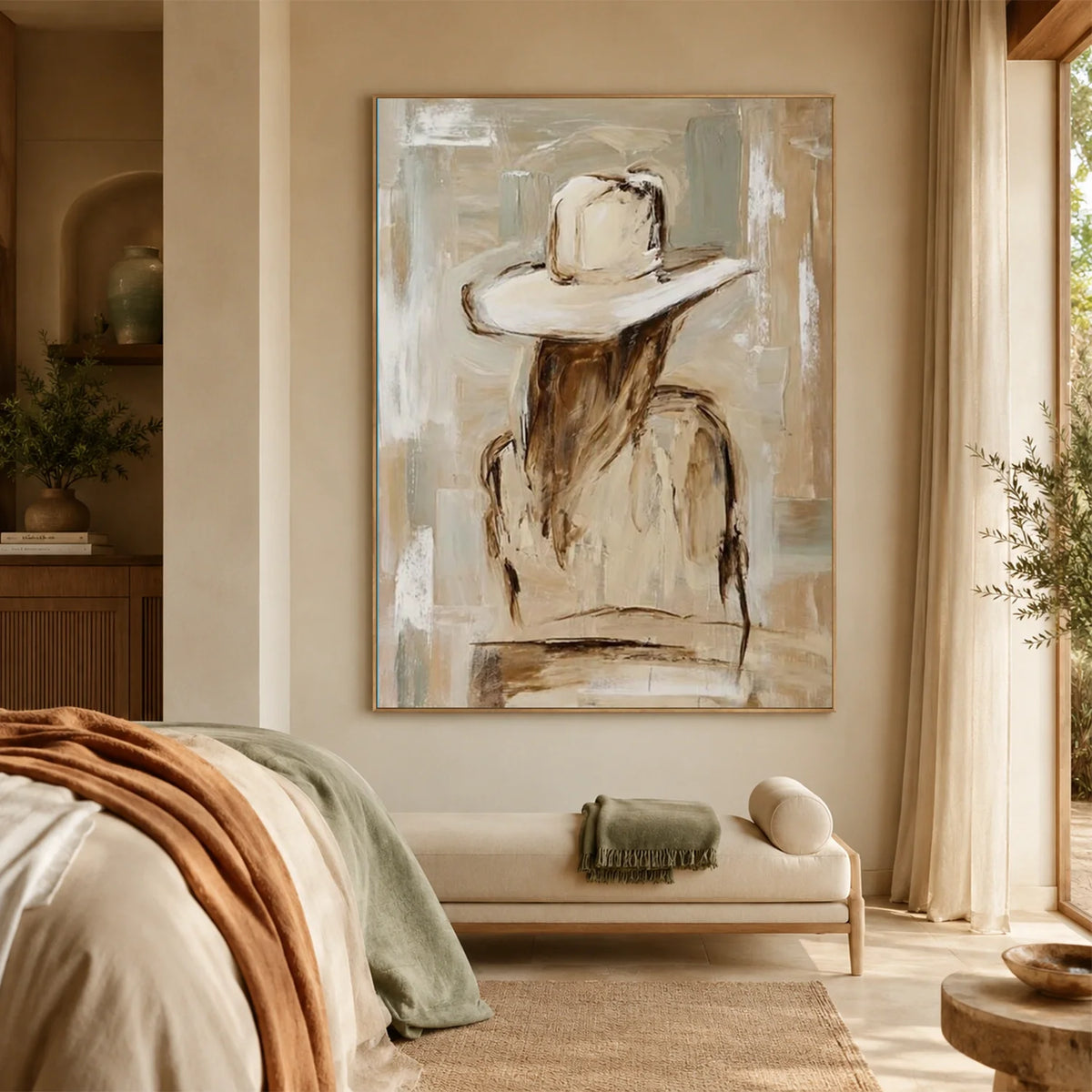
Creating art is profoundly satisfying, but so is living with it. Abstract wall art has the unique power to transform a space, setting a room's emotional tone. Whether it's a serene piece for a bedroom or a vibrant statement for a living room, the art you choose reflects and influences your inner world. Once you've experienced the creative process, you'll have a deeper appreciation for the skill and intention behind every professional work. For those seeking to bring this energy into their homes, exploring curated collections like the abstract wall art at Eleanos Gallery can provide both inspiration and a stunning final piece to admire every day.

Conclusion
Embarking on the path to create abstract art is a journey of personal discovery and creative freedom. By understanding what abstract art is, embracing the right materials, learning key principles, and following a guided process, you hold all the tools needed to begin. Remember, every master was once a beginner. Let your intuition guide you, enjoy the tactile pleasure of the process, and trust that your unique perspective has value. Whether you frame your own creation or find a piece that speaks to your soul from a gallery like Eleanos, the world of abstract expression is now open to you.
FAQ
Q1: What is an abstract in art?
An abstract in art is a work that prioritizes shapes, colors, forms, and gestures over accurate visual representation. It seeks to convey emotion, idea, or experience directly, rather than depicting a recognizable subject from the real world.
Q2: How to paint abstract art?
Start by embracing freedom. Use acrylics for ease. Apply background layers first, then build texture and marks with tools like knives. Focus on balance and contrast, not realism. The process is about exploration and expressing your inner vision intuitively.
Q3: What is the 80/20 rule in painting?
It's a compositional guideline suggesting a painting is often most dynamic when about 80% consists of one dominant element (like quiet space or a color), and 20% provides a contrasting element (like bold detail or a complementary color), creating focus and interest.
Q4: Do you paint the background first or last with acrylic?
In abstract painting with acrylics, you almost always paint the background first. You build your composition from the bottom layer upward, allowing underlying colors and textures to show through subsequent layers, creating depth and history in the work.




Leave a comment
This site is protected by hCaptcha and the hCaptcha Privacy Policy and Terms of Service apply.