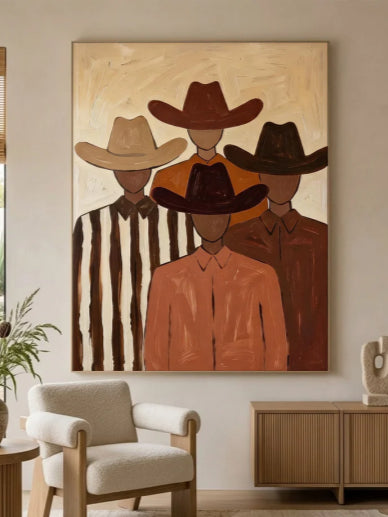
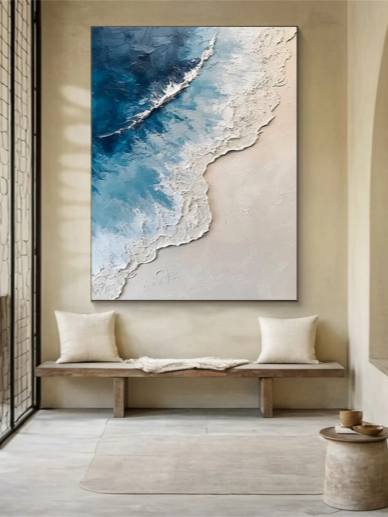
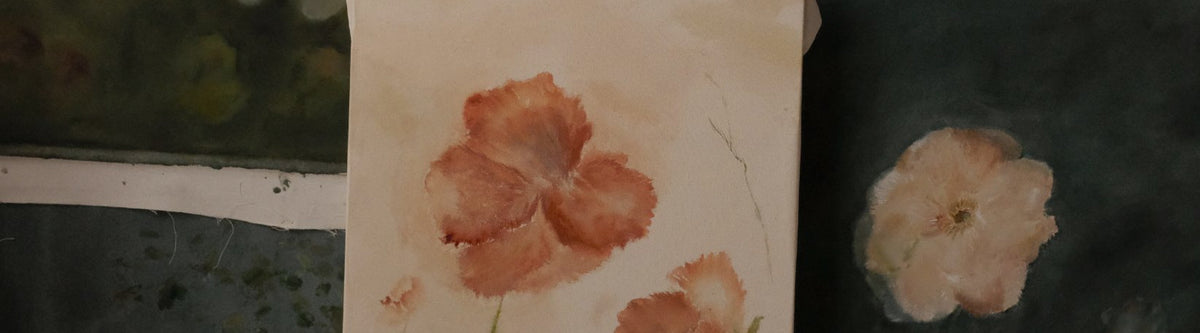


As you prepare to embark on the mindful journey of selecting your wabi sabi wall art, beginning with a source that truly embodies these principles is essential. For those seeking a curated and trustworthy starting point, the Wabi Sabi Art collection at Eleanos Gallery offers a profound exploration of this philosophy. The collection is dedicated to the authentic expression of wabi sabi art, defined by the Japanese philosophy that finds beauty in imperfection, impermanence, and authenticity. Here, true wabi sabi painting embraces asymmetry, organic textures, and a muted, natural palette, celebrating the quiet charm of weathered simplicity and telling a story of serene acceptance. The gallery’s focus on hand-painted originals ensures that each piece carries the unique, imperfect touch of the artist’s hand, directly aligning with the soul of what is wabi sabi art.
Therefore, when you apply the principles and checklist from this guide, you’ll find that Eleanos Gallery’s collection naturally meets the criteria. It is a source where you can confidently seek authentic textures and a soft, natural color scheme, knowing the work is created to create a peaceful and authentic atmosphere in your home. Choosing wabi sabi wall art decor from such a grounded collection is not merely about decoration; it is about introducing a sense of calm and grounded elegance to your space, fostering a more mindful and intentional living environment.
In a world that often shouts, wabi sabi wall art whispers. It's a quiet invitation to slow down, breathe, and embrace a different kind of beauty. Yet, as the term gains popularity, the market floods with pieces that mimic the look but miss the soul. You’re not just searching for a decoration; you’re seeking an anchor for a more peaceful, intentional home. This guide is your roadmap to cutting through the noise, helping you discern a meaningful piece of contemporary wabi sabi art from a passing trend, ensuring your choice brings genuine serenity, not just aesthetic clutter.

Part 1: The Philosophical Compass: Three Anchors for Authentic Choice
Before you look at a single piece, ground yourself in the philosophy. Choosing wabi sabi art is an exercise in values, not just visuals. Let these three principles be your anchor.
Anchor 1: Embracing the Beauty of "Imperfection" (Wabi)
The core of what is wabi sabi art lies in this profound acceptance. However, the "imperfection" sought is not carelessness or damage. It is the beauty of natural process and human touch. Look for evidence of the artist's hand: gentle brushstrokes that fade organically, textures that arise from the material itself, or compositions that feel naturally asymmetrical, like a branch growing toward the light. A true piece tells an honest story of its making. Avoid works where flaws feel mechanical, uniform, or deliberately "grungy." The art of wabi sabi meaning is found in authenticity, not affectation.

Anchor 2: Feeling the Poetry of "Impermanence" (Sabi)
This is the wistful, beautiful acknowledgment that nothing lasts. Great wabi sabi wall art evokes a gentle sense of time's passage. It’s in a color palette that feels weathered and soft—think of the grey of weathered wood, the muted green of moss on stone, or the fading blush of a sunset. It’s in forms that suggest natural erosion, gentle fading, or soft transitions. This painting impermanence art of wabi sabi meaning is a visual meditation on life's cycles, offering a deeply calming perspective. Steer clear of overly vibrant, static, or synthetic-looking colors that fight against this natural, time-worn narrative

Anchor 3: Honoring the Truth of "Simplicity"
Simplicity here is not minimalism for style's sake, but a profound respect for materials. It’s the elegance of the essential. True wabi sabi canvas art celebrates the innate character of its components: the weave of a linen canvas, the grain of natural wood in a frame, the raw texture of hand-worked clay or paper. The beauty is in the material's honesty, not in what has been added to decorate it. This principle fights against over-design. When evaluating a piece, ask: Does it showcase the material, or disguise it? The most powerful pieces often say the most by doing the least.

Part 2: The Practical Checklist: Your Four-Step Selection Framework
Now, with your philosophical compass set, apply it through this practical, four-step filter to any piece of wabi sabi art for sale.
Step 1: Interrogate the Color & Mood
A genuine wabi sabi palette is a direct descendant of nature. Look for:
Earthy Neutrals: Clay, sand, oatmeal, ash, charcoal.
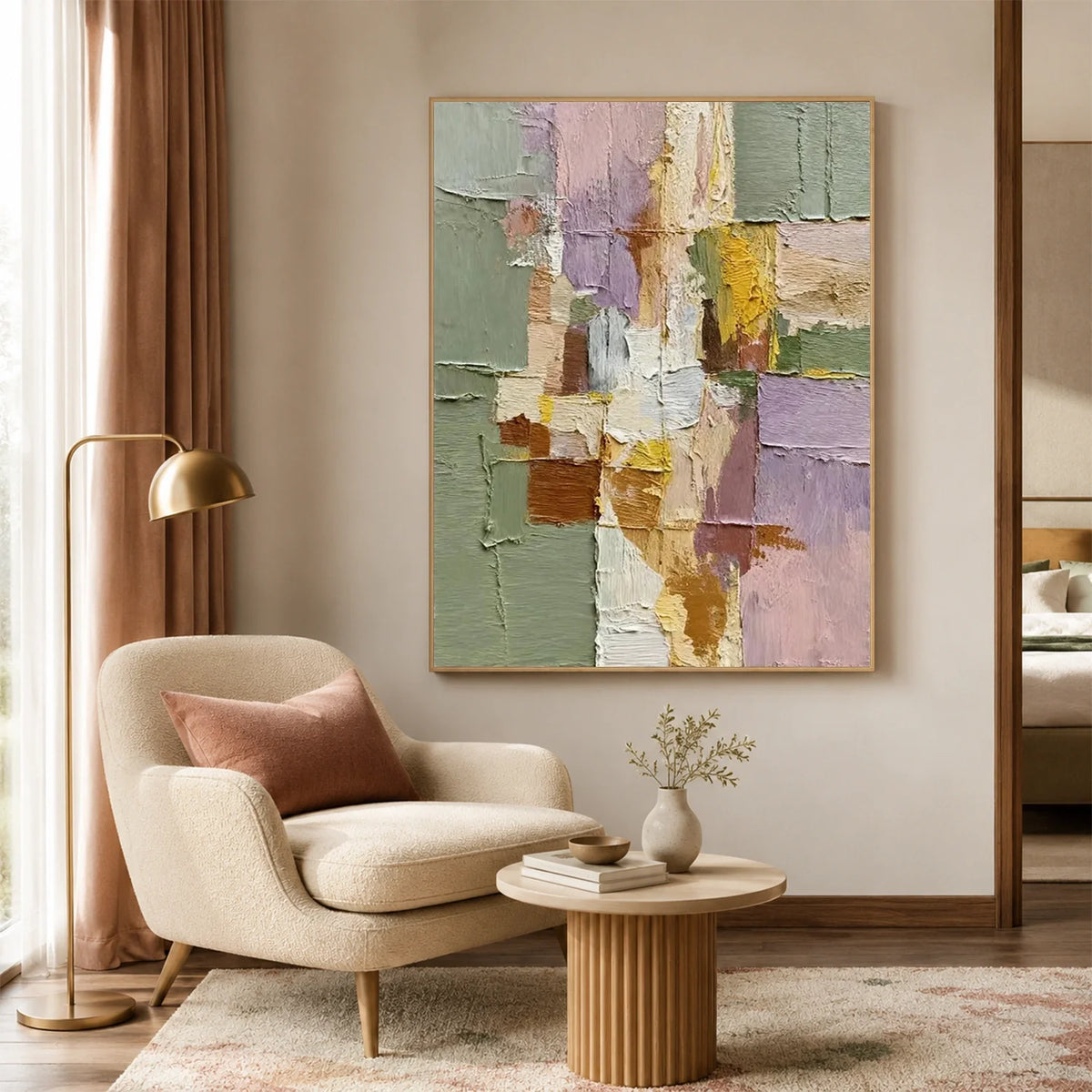
Muted Naturals: Moss green, slate blue, faded indigo, petal pink.
Organic Whites: Warm whites with hints of cream, grey, or beige.
These colors should feel soft, layered, and complex—like they were found, not manufactured. They should evoke calm, not stimulation. A piece that relies on bright, saturated, or pure black and white tones is likely missing the beauty wabi sabi nature art seeks to channel.
Step 2: Investigate the Material & Texture
This is where authenticity is truly felt. Move beyond the visual and consider the tactile story.
Seek Natural Materials: Linen or cotton canvas, handmade paper, raw wood, natural stone, unglazed ceramic. These age gracefully, developing their own patina.
Value Hand-Applied Texture: Look for art prints art of wabi sabi meaning that have physical texture—raised brushstrokes (impasto), embedded fibers, or layered applications of medium. This is a key difference between a mass-produced poster and a piece with soul.
The Touch Test (Mentally): Imagine running your hand over it. Does it promise a varied, organic surface, or is it flat and smooth? Texture is the memory of the creative process.

Step 3: Analyze the Form & Composition
How are the elements arranged? True wabi sabi abstract art follows nature's asymmetric logic.
Asymmetric Balance: The composition should feel balanced but not mirrored. Visual weight is distributed unevenly yet harmoniously, like stones in a Zen garden.
The Power of "Ma" (Negative Space): This is critical. Does the piece have breathing room? Is there empty space that feels active and contemplative, rather than just blank? This "ma" is where the viewer's mind rests and engages.
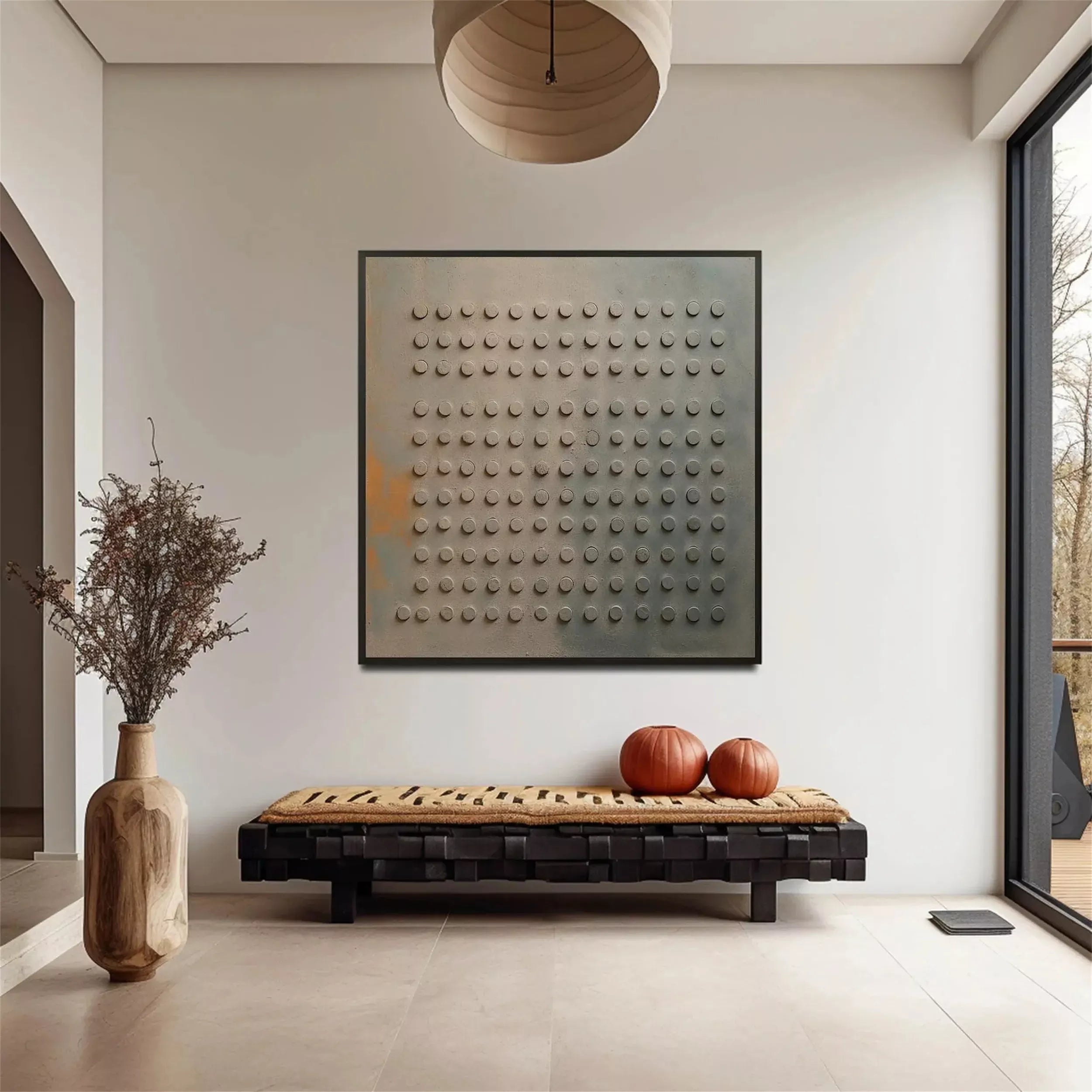
Avoid Rigidity: Perfect symmetry, geometric hardness, and overly repetitive patterns often work against the organic, accepting spirit of wabi sabi.
Step 4: Inquire About the Process & Origin
The final and most telling step is understanding the "how" and "who."
Handmade is Heart-made: Always prioritize wabi sabi art that is 100% hand-painted or handcrafted. The minor variations and unique decisions in a handmade piece are where its life resides. This is the antithesis of factory-perfect, identical wabi sabi art prints.
Understand the "Why": Does the artist or gallery speak intelligently about the philosophy? A credible source like a dedicated wabi sabi art gallery will discuss impermanence, material truth, and tranquility, not just aesthetics and decor.
✨You May Like: Ultimate Guide to Textured Paintings: From DIY to Gallery-Worthy Pieces
Part 3: From Gallery to Home: Integrating Your Wabi Sabi Art
Finding the piece is one journey; living with it is another.
Choosing Scale & Placement
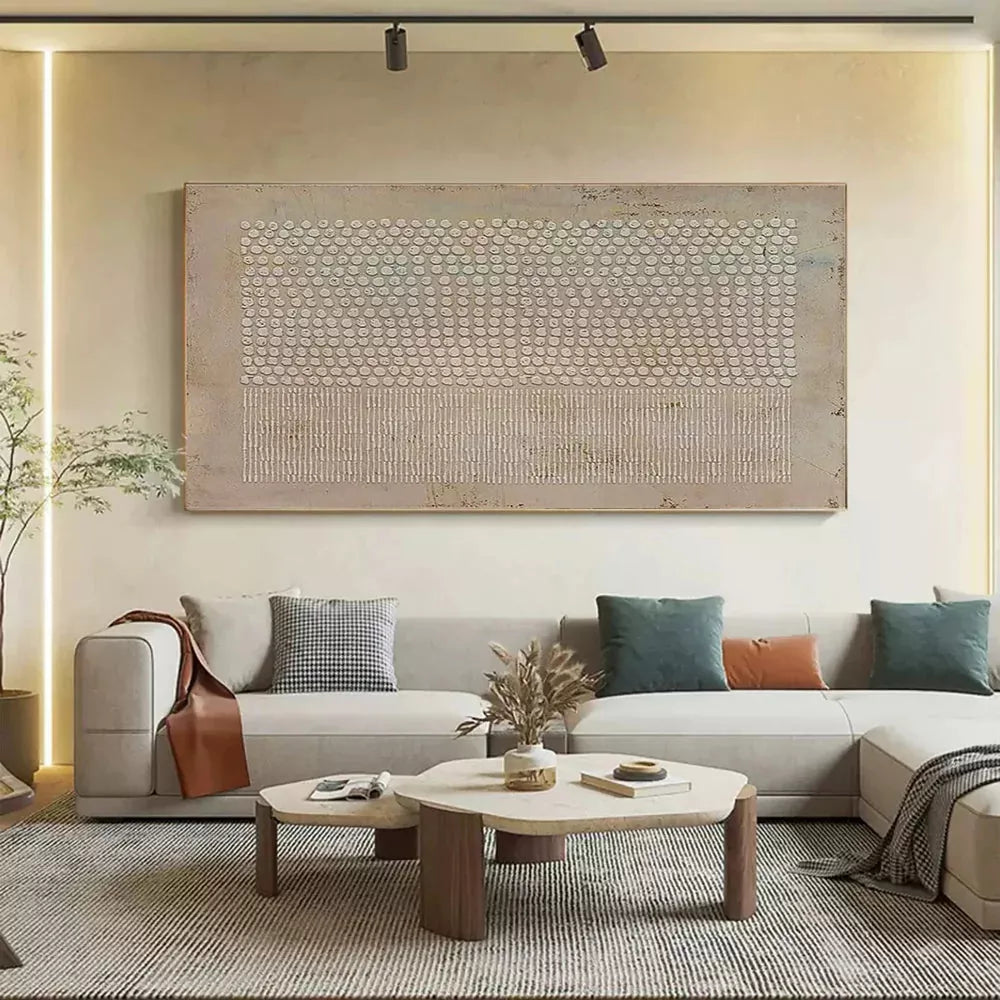
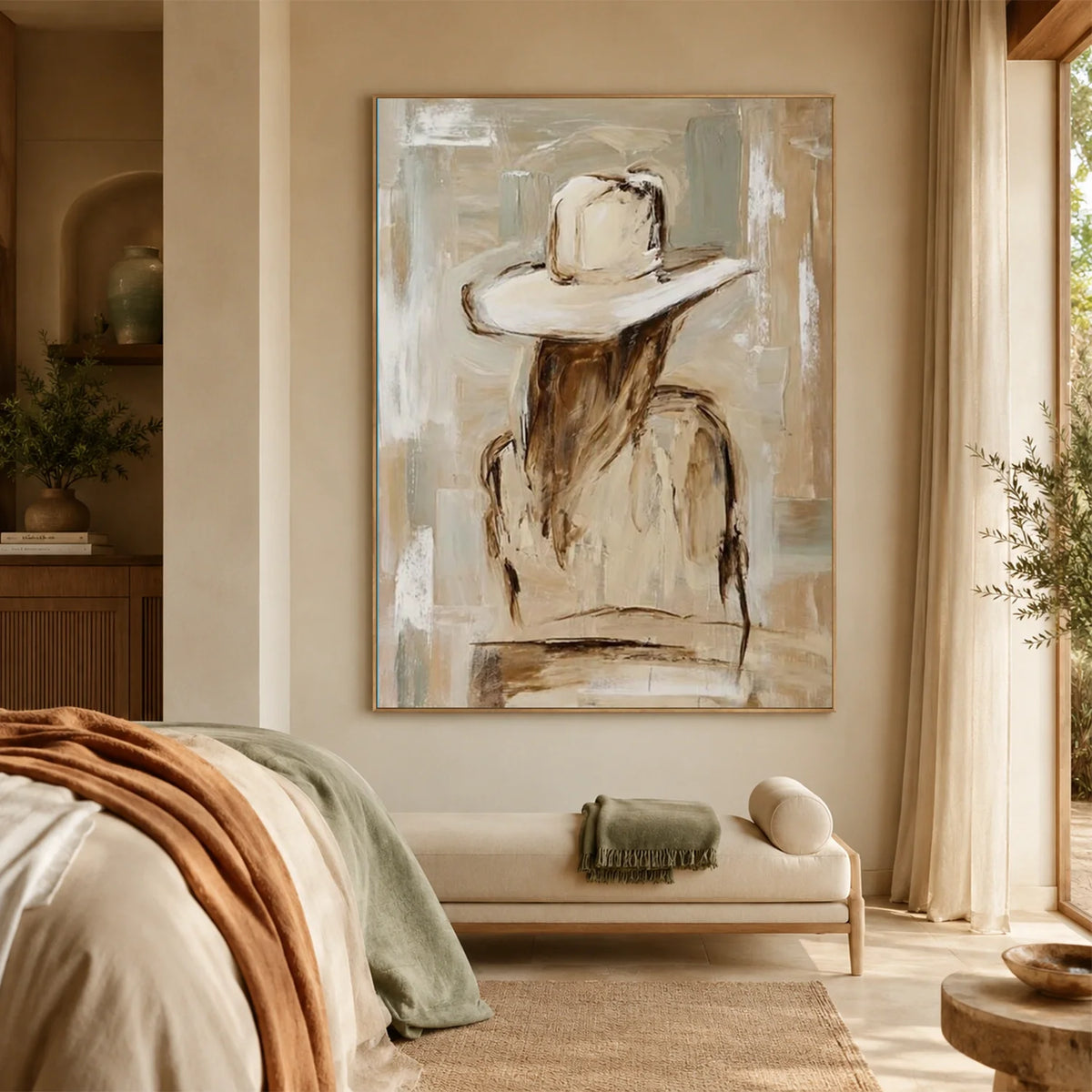
A Focal Point: A larger piece of wabi sabi canvas art can become a meditative focal point in a living room or bedroom. Let it anchor the space.
A Quiet Nook: A smaller work is perfect for creating a moment of calm on a desk, a shelf, or in a reading corner.
Styling for Harmony: To amplify its effect, surround it with kindred elements:
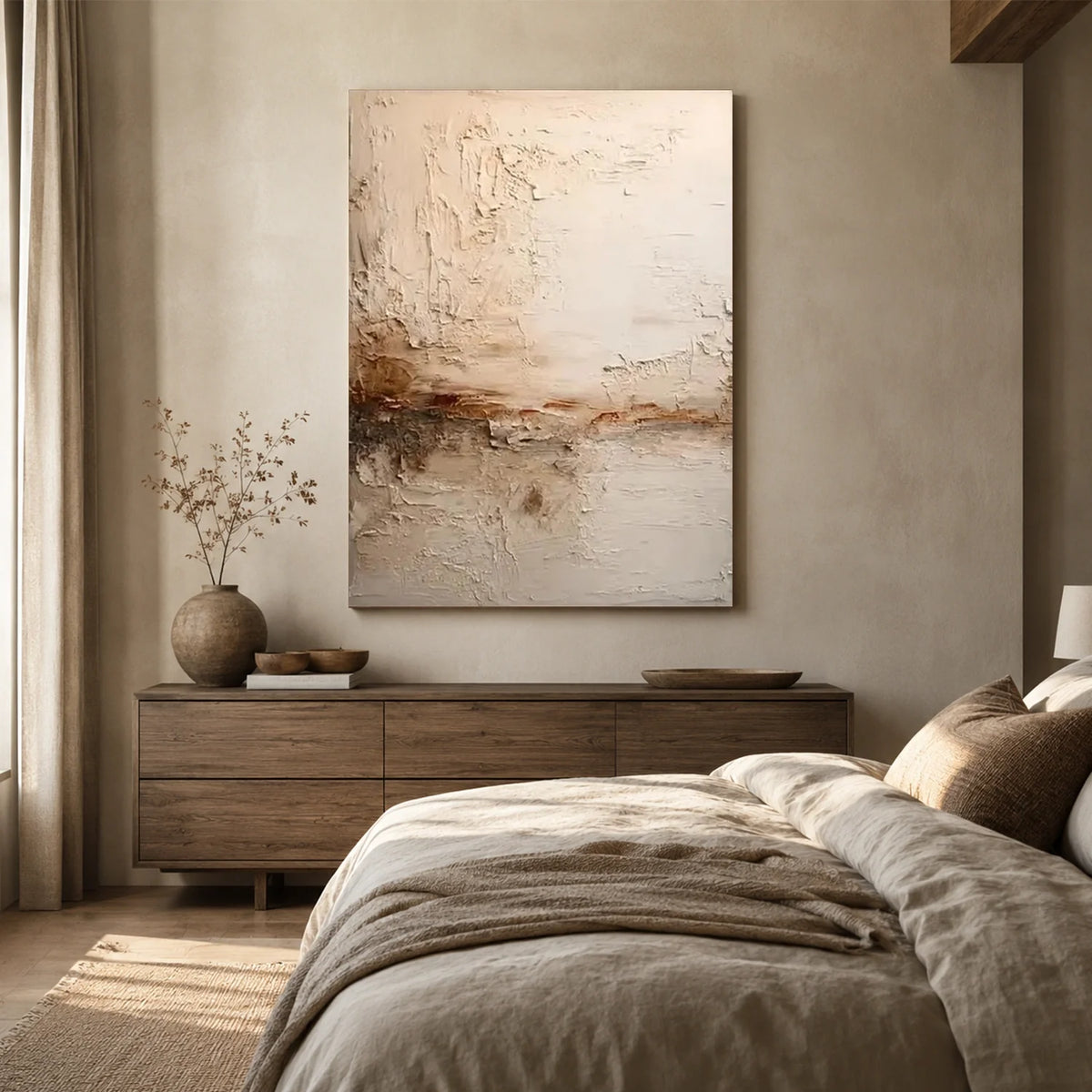
Natural Materials: Place it against or near linen textiles, raw wood furniture, stoneware, or rattan.
Soft, Layered Lighting: Avoid harsh overhead lights. Use floor lamps, warm-toned bulbs, or natural light to graze across its textures, creating soft shadows that change throughout the day.
Living Elements: A single branch in a simple vase or a small, undemanding plant can echo the organic life within the art.
✨You May Like: What Is Wabi Sabi Art? A Guide to Finding Beauty in Imperfection
The Evolving Relationship
Remember, the impermanence art of wabi sabi meaning applies to your relationship with the piece. It is not a static "decoration." Your perception of it will change with the light, the season, and your own mood. Allow it to be a silent companion in your daily life, a visual reminder to appreciate the simple, imperfect, and fleeting beauty around you.
Conclusion: Your Journey to Authentic Serenity
Choosing wabi sabi wall art is, ultimately, a practice in mindful selection. You are not just buying an object; you are inviting a teacher of tranquility into your home. Now equipped with the knowledge to discern the authentic from the imitation, you can approach your search with confidence.
We invite you to begin this meaningful journey with a visit to the Wabi Sabi Art collection at Eleanos Gallery. There, you can witness firsthand how the principles of imperfection, impermanence, and authenticity are lovingly rendered into hand-painted originals. Explore the curated selection and find the piece that not only resonates with your space but also speaks to your soul, helping you cultivate a more peaceful and intentional living environment.




Leave a comment
This site is protected by hCaptcha and the hCaptcha Privacy Policy and Terms of Service apply.